Can I Use Batana Oil on Bleached Hair? What to Know Before You Apply It
Written by

Published on Apr 27, 2026

In this article
Yes, you can use batana oil on bleached hair, but it is not the right move for every blonde head of hair. It makes the most sense when your hair feels dry, rough, brittle, or highly porous after bleaching.
In that situation, a richer oil can help seal in moisture, soften the cuticle, and reduce the rough, frizzy feel that often shows up after chemical lightening. Bleached hair is more vulnerable to texture changes and breakage, and high-porosity hair tends to absorb moisture fast but lose it just as quickly, which is why heavier sealing oils can help some people more than others.
Batana oil should be treated as supportive care, not a full repair solution. It can help hair feel more nourished and look less frizzy, but it does not rebuild broken bonds at the structural level. If your hair is severely overprocessed, mushy when wet, or snapping easily, a bond-repair treatment and a protein-moisture routine are usually more important than adding more oil.
Key Takeaways
-
Batana oil can work on bleached hair when the strands feel dry, brittle, frizzy, or highly porous after lightening.
-
It helps most as a sealing and softening oil, not as a bond-repair treatment or a cure for bleach damage.
-
Very pale blonde hair can be more tone-sensitive, so darker or tinted products should be used carefully and tested on a small section first.
-
The safest starting point is usually pre-shampoo use or a very small amount on mid-lengths and ends, not heavy daily saturation.
Can You Put Batana Oil on Bleached Hair?
You can, and for some people it is a smart move. Bleached hair often needs help with moisture retention, softness, and breakage control. Batana oil fits that kind of routine better than it fits a true repair claim.
A rich oil can be useful when the hair feels straw-like, tangles easily, or looks dull no matter how much conditioner you use. Batana is also naturally a thicker, more conditioning oil, so it tends to make more sense on hair that is severely dry or overprocessed than on hair that is merely color-treated.
The more honest answer is “yes, but only if your hair actually needs that much richness.” If your bleached hair is fine, flat, or easily greasy, a lighter oil or even a non-oil leave-in may be easier to manage. Batana is strongest as a rich repair-style oil for dryness and frizz, not as the universal best option for every bleached texture.
Why Bleached Hair Reacts Differently to Oils?

Bleached hair does not behave like untouched hair. The lightening process changes the fiber, raises the risk of breakage, and often leaves the cuticle rougher and less predictable. That is why an oil that feels great on unbleached hair can suddenly feel either amazing or far too heavy after bleach.
Moisture Loss
Bleached hair loses moisture faster because the cuticle has been disrupted. High-porosity hair is known for soaking up moisture quickly and losing it just as quickly, and chemical treatments are one of the common reasons hair shifts in that direction. An oil can help by slowing that moisture loss, but it works best when the hair is already hydrated underneath.
Read more: 9 Hair Masks to Help Bleached Hair Feel Soft Again
Rough Texture
Bleach can permanently change texture, which is why hair may feel rougher, stiffer, or less smooth after repeated lightening. That roughness is one reason oils can feel helpful on bleached hair. A richer oil can soften the surface and make the hair easier to comb and style, even if it does not reverse the damage itself.
Higher Breakage Risk
Breakage risk rises after bleaching because the strands become more fragile. WebMD notes that breakage often happens at the point where hair was previously processed, which is why bleached ends and overlapping lightened sections can seem especially weak. Oils can lower friction and improve softness, which may reduce snapping during brushing and styling.
Porosity Changes
Bleached hair often behaves like high-porosity hair even if it did not start that way. That shifts the oil question from “what is the richest oil available?” to “what kind of oil will actually help seal the cuticle without overwhelming the strand?”
For some people, batana is a good fit because it is rich enough to reinforce and smooth. For others, especially fine blondes, it may feel like too much.
What Batana Oil Does for Bleached and Damaged Hair?

Batana oil fits this topic best as a support oil for softness, moisture retention, and frizz control. It is not a bond-builder, and it does not repair bleach damage at the internal bond level.
What it can do is help dry hair feel more cushioned and less fragile on the surface. That makes it a useful option when the strands are porous and the problem is comfort, manageability, and breakage control.
Its richer texture also matters. Batana is usually described as thick and buttery compared with thinner oils, which is why it tends to work better on thick, coarse, curly, coily, or heavily processed hair than on fine hair that collapses under too much product.
Seal in Moisture
Batana oil helps most when used to hold moisture in, not when used to replace hydration altogether. High-porosity hair benefits from oils that seal and reinforce the cuticle, and that is exactly the use case where a richer oil becomes more appealing. If your bleached hair dries out fast after wash day, batana can help slow that moisture escape.
Softens Dry Strands
Dry bleached hair often feels hard, brittle, or crunchy at the ends. A richer oil can smooth that feel and add slip back into the strand. Batana is especially relevant here because its value is more about nourishment and softness than about scalp stimulation or growth claims.
Reduce Breakage and Frizz
Bleached hair frizzes not only because it is dry, but because the cuticle is more uneven and vulnerable. A smoothing oil can reduce friction and make the ends less likely to snag, fluff out, or snap under tension. That does not mean batana repairs bleach damage, but it can make damaged hair behave better between washes.
Can Batana Oil Affect Tone?
It can affect the look of very light blonde hair, especially if you use too much. Blondes are often advised to use clear, colorless hair care because tinted products can stain or visually shift blonde shades.
Batana oil is not a purple toner, and it is not colorless either, so the risk is less about permanent dyeing and more about leaving a warmer, deeper, or slightly dirtier cast on very pale ends if the oil is used heavily.
That risk is not the same on every blonde. Darker blonde, beige blonde, honey blonde, and heavily damaged brunette-blonde blends are usually less tone-sensitive than icy, platinum, or very pale yellow blondes.
If tone is your main concern, the safest move is a strand test on a small hidden section first and keeping the oil away from the brightest pieces until you see how your hair responds.
How to Use Batana Oil on Bleached Hair?

The best way to use batana on bleached hair is usually the most controlled way. Rich oils tend to perform better when they are placed intentionally rather than spread everywhere. Bleached hair often needs moisture support, but that does not mean it needs constant saturation.
Pre-Shampoo Treatment
Pre-shampoo use is usually the safest starting point. Pre-wash oils as a way to add extra moisture before shampooing, and other expert-led beauty coverage notes that dry, coarse, curly, or brittle hair is most likely to benefit from a conditioning pre-wash treatment. On bleached hair, this gives you softness and slip without forcing you to live with a heavy finish all day.
Use It on Mid-Lengths and Ends
Most bleach damage shows up first on the lengths and ends. That is usually where roughness, tangling, and fraying are most obvious, so it makes sense to place the oil there first. If the scalp is not dry, there is no reason to flood it just because the ends feel damaged.
Apply to Damp, Not Soaking-Wet Hair
High-porosity oil guide recommends applying oils to damp, not soaking-wet, hair after leave-in products to help retain hydration. That matters for bleached hair because the goal is not just adding shine. The goal is trapping in moisture before the hair dries out again.
Start Small
Bleached hair can need rich support, but even then, too much oil can backfire. A small amount is easier to distribute and easier to judge. If your hair looks stringy, greasy, or darker than you expected, you used too much or applied it in the wrong place.
Use Batana Oil for Softer Bleached Hair
Choose pure batana oil when your bleached hair feels dry, rough, or harder to manage after lightening. Bleach changes how your hair holds moisture, so the smartest care is not always the strongest treatment. It is the one that helps your strands stay softer without pretending to undo chemical damage.
Very pale blonde hair can be more tone-sensitive, so a controlled approach matters when using richer oils. This is where batana oil fits best: not as a miracle repair, but as support for hair that needs more slip, softness, and moisture retention. When your ends feel fragile after bleach, a richer oil can help them look smoother and feel less exposed.
Featured Product
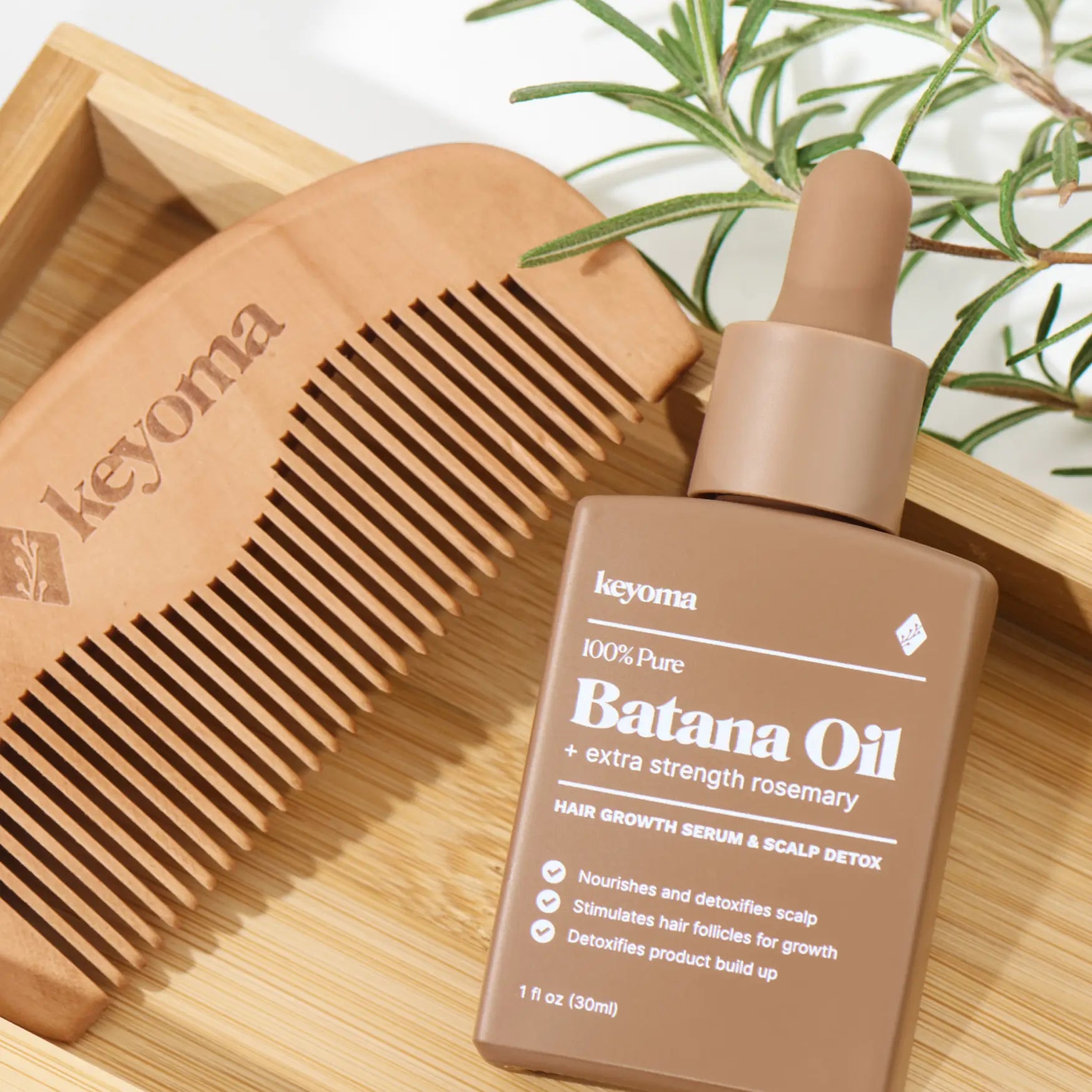
30% Off + 3 FREE Gifts
100% Pure Batana Oil + Rosemary
↓Best Batana Oil to Buy↓

1 Month
Subscribe & Save
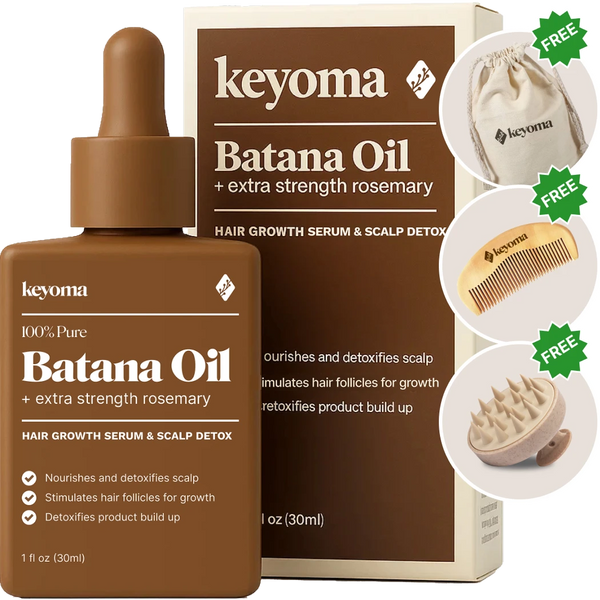


- 30-day supply delivered monthly $35
- 30% off for life $6
- Free haircare essentials kit $33
- Free custom wooden comb $10
- Free scalp massager $15
- Free eco-friendly travel bag $8
- 30-Day Money Back Guarantee
- Free Shipping
- Online portal for easy cancel, skip, or pause.
1 Month One Time Purchase
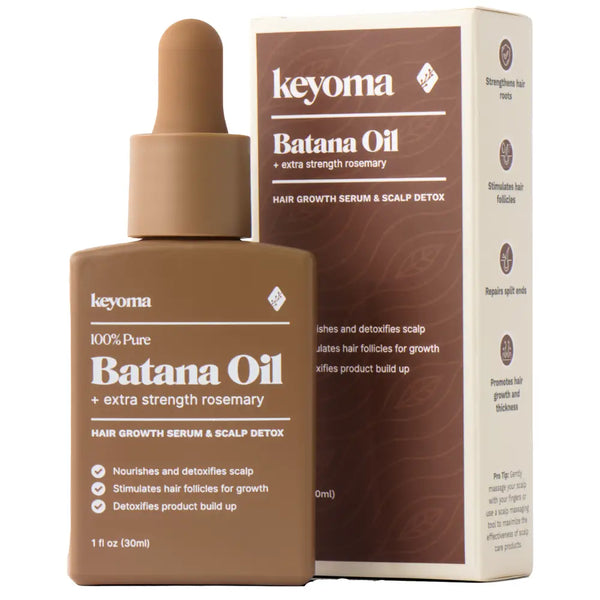
- 30-day supply $50
- 30% off for life $6
- Free haircare essentials kit $33
- Free custom wooden comb $10
- Free scalp massager $15
- Free eco-friendly travel bag $8
