Batana Oil vs. Amla Oil: Match the Oil to Your Hair Type
Written by

Published on Feb 10, 2026

In this article
If your main problem is dry hair, frizz, or breakage, batana oil is usually the better fit because it acts like a rich, conditioning oil that helps hair feel softer and look smoother. If your main problem is scalp routine and you want a product that often feels lighter (depending on the formula), amla oil may fit better.
Both can support hair look and feel, but neither is a guaranteed fix for medical hair loss. Dermatologists note that hair oils may improve scalp condition and help limit breakage, which can make hair look fuller over time.
Key Takeaways
-
Batana oil acts as a rich emollient that supports softness, frizz control, and breakage reduction.
-
Amla oil usually feels lighter and suits scalp-focused routines, depending on the carrier oil.
-
Neither oil guarantees medical hair regrowth, but both can improve hair feel and manageability.
-
Using batana on lengths and amla on scalp can balance conditioning and scalp comfort.
Key Differences: Batana Oil vs. Amla Oil
|
Factor |
Batana Oil |
Amla Oil |
|
Texture and weight |
Rich, mask-like emollient |
Varies by carrier oil, often lighter |
|
Best hair types |
Dry, coarse, curly, coily, damaged lengths |
Fine to thick hair, especially if you want scalp-first oiling |
|
Best scalp types |
Normal to dry scalp that tolerates heavier oils |
Dry or oily scalp, depending on formula and application |
|
Best results |
Softness, slip, frizz control, shinier ends |
Scalp comfort, shine, lighter finish, strength support |
|
Best routine slot |
Pre-poo on lengths, ends sealer |
Part-line scalp oiling, mix-in, light pre-wash |
What Is Batana Oil?
Batana oil is commonly described as Elaeis oleifera kernel oil, extracted from the nuts (kernels) of the American oil palm native to parts of Central and South America.
In hair care terms, it behaves like a rich emollient. That means it can coat the hair fiber, improve slip, and reduce the look of frizz by helping hair feel more conditioned. Ingredient references also describe it as rich in fatty acids and antioxidants such as vitamin E compounds and carotenoids.
Why Choose Batana Oil?

Batana oil is often used like a deep-conditioning oil to support softness, frizz control, and breakage reduction, especially when hair feels dry or stressed from styling.
Dry and Rough Hair
If your hair feels dry and rough, batana oil is a strong choice because it is typically used as a heavier conditioning oil in masks and treatments. Its fatty-acid profile makes it especially useful when your lengths feel stiff or “crunchy” after shampoo, heat styling, or coloring.
Frizz and Puffiness
Frizz often gets worse when the outer layer of the hair fiber is raised or dehydrated. A richer oil can help hair look smoother by improving surface slip and shine. Batana oil as more of a deep-conditioning mask style oil, with reported improvements in hair texture when used consistently.
Breakage and Split Ends
Batana oil can help with breakage mainly by improving how hair behaves during detangling and styling. When you get better slip, you usually pull less hard on knots, which can reduce snapping. Hair oils can help “repair” the look of dry, damaged hair by restoring moisture and limiting shedding and breakage.
For split ends, no oil can fuse a split strand back together, but a small amount can make ends look smoother and feel less scratchy.
Hair Growth Expectations
Batana oil’s “hair growth” reputation is strongly tied to traditional Honduran use and to Dr. Sebi, who praised batana oil as a go-to oil for thinning or damaged hair. If you want to follow the Dr. Sebi-style approach, keep it simple: warm a small amount, massage it into the scalp for a few minutes, then leave it on for 30 minutes (or longer) before washing.
How to Use Batana Oil
Since batana oil is rich and buttery, you usually get the best payoff by treating it as a wash-day helper, either as a pre-shampoo step on lengths or a tiny finish on ends.
Pre-Poo Mask
This is the safest “first use” because it targets the hair fiber, not your scalp.
-
Apply to mid-lengths and ends on dry hair.
-
Use enough to lightly coat, not drench.
-
Leave it on for 30 to 60 minutes.
-
Shampoo well, then condition as usual.
If your scalp is dandruff-prone or you suspect seborrheic dermatitis, avoid leaving heavy oils on the scalp for long periods. Occlusive products left on the scalp may worsen seborrheic dermatitis by supporting yeast overgrowth.
Ends Sealer
If you want softness without heaviness at the roots:
-
Start with a drop-sized amount.
-
Warm it between palms.
-
Press into ends first, then lightly smooth what is left over the surface.
This works well after styling when your hair looks dull or feels dry.
Spot Treatment
Use this when only certain areas feel rough:
-
Tap a tiny amount onto ends or damaged sections.
-
Avoid the scalp if you get oily quickly.
-
Focus on improving feel and manageability between trims.
What Is Amla Oil?
Amla refers to Phyllanthus emblica (Indian gooseberry). In hair care, “amla oil” usually means an amla extract infused into a carrier oil, so two products can feel very different. People use amla oil for hair and scalp, but research is still limited and not conclusive.
Because formulas vary, the ingredient list matters. Some blends are light, while others can feel heavy due to the carrier oil or added butters.
Why Choose Amla Oil?

Amla oil is often picked for a scalp-first routine and a lighter feel, but “amla oil” varies a lot by formula since it’s usually infused into a carrier oil.
Dry, Tight Scalp
If your scalp feels tight, itchy, or mildly dry, amla oil may help as part of an oiling routine, especially when used lightly and washed out well. Scalp health is closely tied to the basics: cleaning, hydrating, and using products that match your scalp type.
Oily Roots
If your roots get oily fast, amla oil can still work, but the best approach is using a small amount and choosing a formula that is not overly heavy or perfumed. Oily scalps often do better when routines reduce buildup and avoid layering too many products.
Shine Without Weight
Many amla oils are used because they can add shine without the heavy “butter” feel, depending on the carrier oil. Byrdie’s expert guidance frames amla oil as broadly usable across hair types, including oily scalps, as long as you patch test and apply in a way that avoids greasy roots.
Hair Growth Expectations
Amla has more research around the plant and extracts than batana, but that does not automatically prove that typical consumer amla oils regrow hair.
What amla may do well is support a healthier-looking scalp and improve hair strength. For example, a lab-based study found emblica extract solution increased tensile strength of certain hair samples, especially virgin hair.
How to Use Amla Oil
Amla tends to work best when it’s targeted, like a few drops along part lines or mixed into conditioner, and patch testing is smart with fragranced blends.
Part-Line Scalp Massage
This is the best option if you want scalp benefits without coating everything.
-
Part your hair in sections.
-
Apply a few drops along part lines.
-
Massage with fingertips for 1 to 3 minutes.
-
Leave for 30 to 60 minutes, then shampoo.
Patch test first. Byrdie notes irritation can happen for sensitive skin and recommends patch testing before wider use.
Conditioner Mix-In
If you mainly want softness and shine:
-
Put conditioner in your palm.
-
Add 1 to 3 drops of amla oil.
-
Apply to lengths, not roots.
-
Rinse well.
This can give you a smoother finish with less risk of greasy roots.
Weekly Routine
-
Start once per week.
-
Increase to twice per week only if your scalp stays comfortable and your hair does not feel coated.
-
If you notice buildup, scale back and prioritize cleansing.
Can You Use Batana Oil and Amla Oil Together?
Yes, and it often works best when each oil has a clear job:
-
Use amla oil for a light, part-line scalp routine on your scalp day.
-
Use batana oil as a pre-poo mask on mid-lengths and ends on your lengths day.
This keeps the batana focused on what it does best, deep conditioning and softness, while letting amla serve the scalp routine without overloading your roots.
If you have active dandruff or seb derm flare-ups, prioritize scalp treatment first, then add oils back cautiously.
Build Your Routine With Keyoma Batana Oil Today!
Use Keyoma Batana Oil with Rosemary as a simple pre-wash step that can help your hair feel softer and look fuller by reducing breakage. Smooth a small amount through mid-lengths and ends first, then use whatever is left to lightly coat the scalp.
Leave it on for 30–60 minutes, then shampoo and condition as usual. If you want a routine you can stick to, do it twice a week for three weeks, keep the amount consistent, and only adjust based on how your hair feels after it dries. That steady approach is what tends to deliver the most noticeable change in manageability over time.
Featured Product
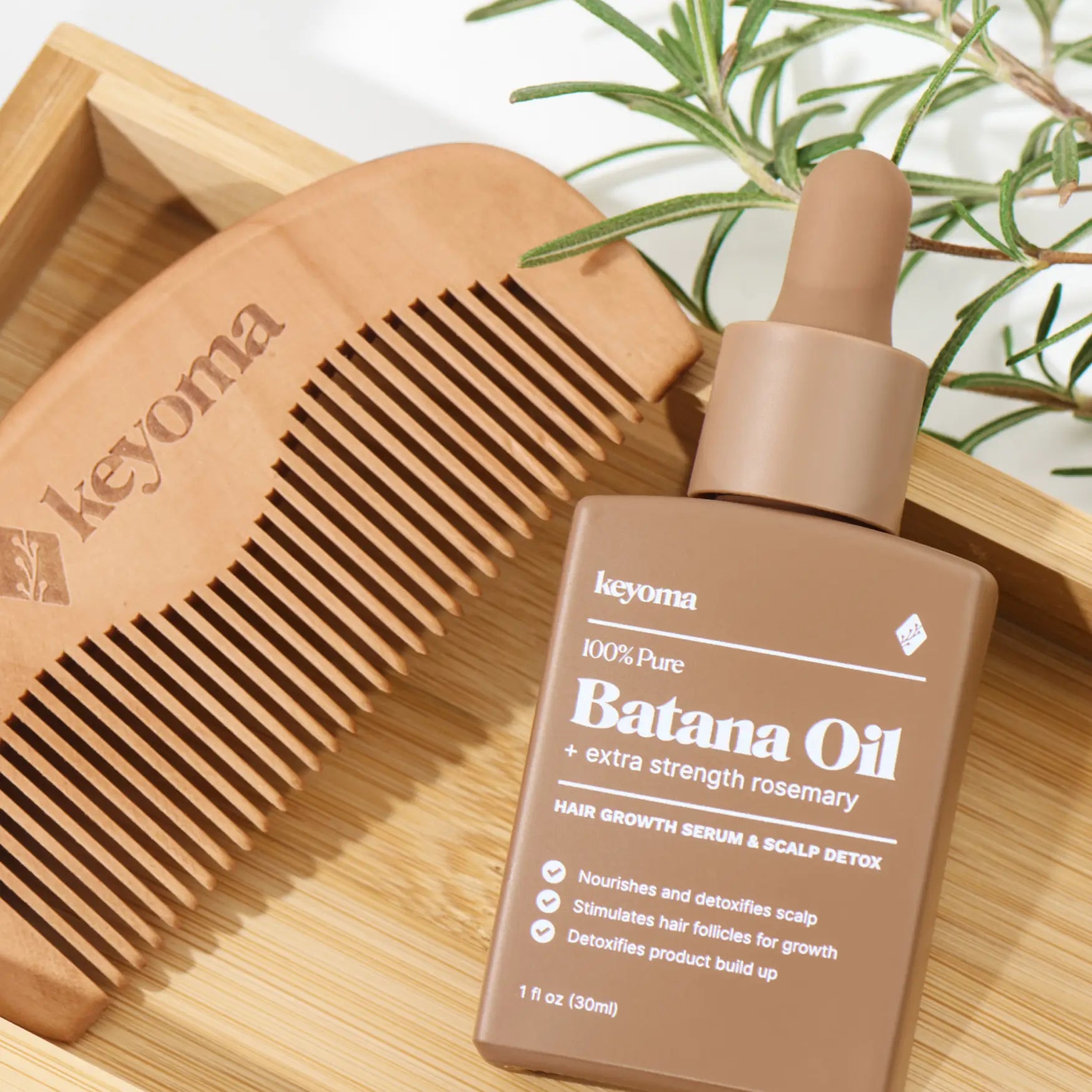
30% Off + 3 FREE Gifts
100% Pure Batana Oil + Rosemary
↓Best Batana Oil to Buy↓

1 Month
Subscribe & Save
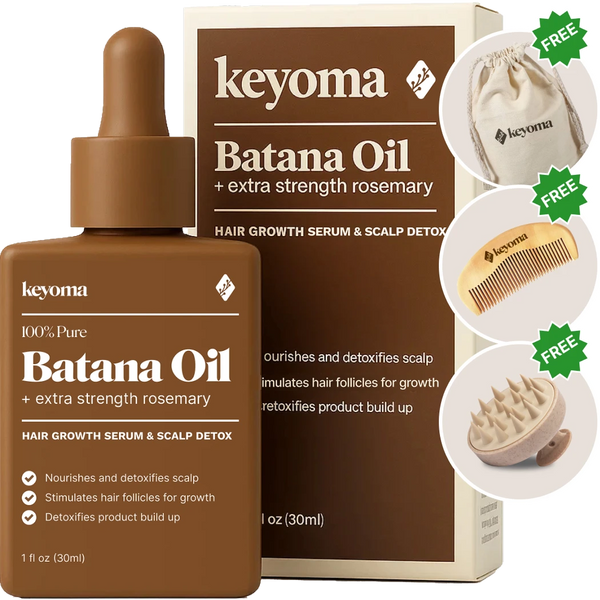


- 30-day supply delivered monthly $35
- 30% off for life $6
- Free haircare essentials kit $33
- Free custom wooden comb $10
- Free scalp massager $15
- Free eco-friendly travel bag $8
- 30-Day Money Back Guarantee
- Free Shipping
- Online portal for easy cancel, skip, or pause.
1 Month One Time Purchase
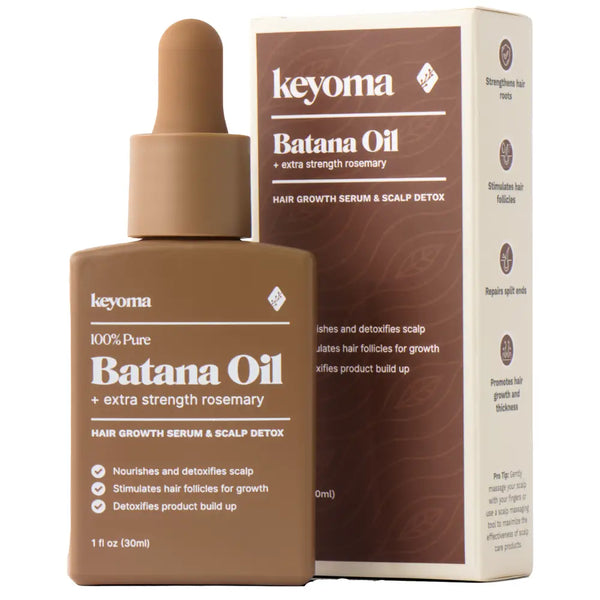
- 30-day supply $50
- 30% off for life $6
- Free haircare essentials kit $33
- Free custom wooden comb $10
- Free scalp massager $15
- Free eco-friendly travel bag $8
