Batana Oil vs Cedarwood Oil: Which Is Better for Hair Growth?
Written by

Published on Apr 13, 2026

In this article
Batana oil and cedarwood oil are often compared, but they are not meant to do the same thing. One is a rich carrier oil that coats and protects the hair. The other is an essential oil used in small amounts to help support scalp balance.
Hair growth is usually the main reason people compare them. Neither oil creates new growth directly. Their value comes from improving the condition of the scalp and hair, which may reduce breakage and support a healthier environment over time.
The better choice depends on where the problem begins. Dry, damaged strands need something different than an unbalanced scalp. Once you understand that difference, the decision gets much easier.
Key Takeaways
-
Batana oil is a heavy carrier oil that supports deep moisture and repair
-
Cedarwood oil is an essential oil used to support scalp balance and circulation
-
Essential oils need dilution before you use them on the scalp
-
Carrier oils protect the hair and lower breakage, but they do not directly trigger growth
What Is Batana Oil

Batana oil is a thick, nutrient-rich oil taken from the American palm tree. It is known for deep conditioning and is often used to help restore dry or damaged hair. The texture is dense and coating, so it stays on the hair longer than lighter oils. That makes it useful for sealing in moisture and protecting strands from more damage. Hair that feels brittle, rough, or very dry often responds better to richer oils like batana.
Benefits of Batana Oil for Hair
Batana oil mainly works by improving the condition of the hair fiber and lowering outside stress on the strands. That makes it especially useful when hair feels dry, rough, or more likely to snap than usual.
Deep Moisture Support
Its thick consistency helps hold moisture inside the hair shaft. With regular use, hair often feels softer and more flexible.
Heavier oils form a stronger barrier around the hair, which slows moisture loss better than lighter oils. The papers I saw show that oils coating the fiber may also reduce hygral fatigue, which is the repeated swelling and shrinking that weakens wet hair over time.
Helps Repair Dry or Damaged Hair
Damaged hair usually has a rough, lifted cuticle. A coating oil can smooth that surface and help limit further wear.
Over time, better surface protection can make the hair feel stronger and less fragile. That smoother surface also helps reduce cuticle chipping, which is one reason damaged hair starts to feel rough and uneven.
Reduces Breakage
Dry hair tends to snap more easily. Adding a protective layer lowers friction during brushing and styling. Less friction means fewer weak points forming along the shaft. Researchers observed that reducing grooming friction helps lower mechanical breakage, especially in dry or porous hair.
Supports Thicker Hair Types
Coarse or dense hair can usually handle richer oils without losing movement. Batana oil often performs better on these textures than lighter options. Thicker fibers also tend to tolerate heavier surface coatings better, so richer oils are less likely to leave this hair type flat or limp.
How To Use Batana Oil For Hair
Batana oil usually works best as a treatment instead of a daily styling product. Because it is heavier, it often works better as a targeted step for dryness, roughness, or scalp discomfort than as an everyday finishing oil.
Use as a Pre-Wash Treatment
Apply the oil before washing to soften and condition the hair. This can reduce dryness without leaving a heavy finish after cleansing. I noticed pre-wash use tended to leave the hair softer without feeling overloaded. Letting it sit for a short time before shampooing usually gives the hair longer to absorb the conditioning effect.
Apply to the Scalp in Small Amounts
A small amount can be massaged into the scalp when dryness is present. Keeping the amount controlled helps prevent buildup. Gentle application usually works better than adding more product on top.
Focus on Mid-Lengths and Ends
Dry or damaged sections usually benefit the most. Coating the ends can reduce roughness and improve how they look. These areas often show wear first, so they tend to respond best to richer oils.
Use Weekly or as Needed
Most hair types do not need it very often. Once or twice a week is usually enough to maintain softness and protection. Very dry or coarse hair may handle more frequent use, but the hair should still feel conditioned rather than coated.
What Is Cedarwood Oil?

Cedarwood oil is an essential oil made from the wood of cedar trees. It feels much lighter than carrier oils, but it is also far more concentrated. Unlike batana oil, cedarwood oil is not used to coat the hair. It is used in diluted form to support scalp health, especially in routines focused on oil balance and circulation.
Essential oils like cedarwood are often included in scalp treatments because of how they interact with the skin rather than the hair shaft itself.
Benefits of Cedarwood Oil for Hair
Cedarwood oil works at the scalp level. Its effects are tied to balance, circulation, and overall scalp condition. That makes it a better fit for routines focused on oil control, flaking, or thinning linked more to scalp health than to dryness through the lengths.
Helps Balance Scalp Oil
An oily or dry scalp often points to imbalance. Cedarwood oil is commonly used to help regulate oil production. Balanced oil levels create a steadier environment for hair growth. Current evidence suggests cedarwood is valued in scalp care partly because of its antimicrobial and sebum-balancing properties, which may help the scalp stay more stable over time.
Supports Scalp Circulation
Massage with diluted essential oils may help improve blood flow near the hair follicles. Better circulation supports the delivery of oxygen and nutrients to the scalp, which plays a role in maintaining a healthy hair cycle.
In one often-cited alopecia areata study, a blend that included cedarwood oil was linked with better regrowth outcomes than a control group, though that does not mean cedarwood oil alone causes growth.
May Help With Dandruff
Dryness and flaking often improve when the scalp is properly balanced. Cedarwood oil is sometimes used in routines for mild dandruff because it supports a more stable scalp environment. Its antimicrobial properties are one reason it often appears in scalp-focused blends for flaking or buildup.
Suitable for Thinning Hair Routines
People dealing with thinning hair often focus more on scalp care than on conditioning alone. Cedarwood oil is commonly used with carrier oils in these routines because of its scalp-focused role. It is usually chosen to support the scalp environment rather than to coat or condition the hair shaft.
How To Use Cedarwood Oil For Hair
Cedarwood oil needs careful use because it is so concentrated. A small amount goes a long way, and proper dilution makes it easier to use safely and spread evenly across the scalp.
Always Dilute With a Carrier Oil
Essential oils should never go directly on the scalp. Mixing them with a carrier oil lowers the risk of irritation. Dilution also helps spread the oil more evenly across the scalp. It makes application easier to control, especially when you are treating smaller areas.
Apply to the Scalp Only
Cedarwood oil is not meant to coat the hair strands. Its benefits are focused on the scalp. Applying it where it is actually needed makes it more effective. Concentrating it at the roots keeps the routine targeted and avoids extra residue through the lengths.
Use as Part of a Scalp Massage Routine
Gentle massage helps spread the diluted oil and supports circulation. A steady routine usually works better than occasional use. For me, lighter pressure tended to keep the scalp comfortable while still spreading the oil well. Light pressure is usually enough to cover the scalp without adding unnecessary friction.
Use a Few Times Per Week
You do not need to use it very often. A few applications each week are enough for most routines. That pace is usually easier to maintain and lowers the chance of making the scalp feel heavy or overcoated.
Batana Oil vs Cedarwood Oil: Key Differences That Matter
The main difference comes down to function. One supports the hair directly, while the other targets the scalp. That matters because people often use oils for the wrong problem and then assume the oil itself does not work.
Function
Batana oil acts as a protective and conditioning layer for the hair. Cedarwood oil works as a scalp treatment when it is diluted. Carrier oils coat the hair shaft, while essential oils interact more with the skin. In simple terms, batana is better for protecting dry strands, while cedarwood is better for scalp-focused routines.
Moisture vs Balance
Batana oil helps the hair hold moisture and reduces dryness. Cedarwood oil helps regulate scalp oil levels. Dry strands need moisture support. An imbalanced scalp needs regulation. Picking the wrong one can leave the main issue unchanged even if the routine feels more involved.
Application Method
Batana oil can go directly on the hair and scalp in controlled amounts. Cedarwood oil needs dilution before use. Essential oils are more concentrated and need more careful handling. That alone makes cedarwood feel more like a treatment step, while batana fits more naturally into a conditioning routine.
Hair vs Scalp Focus
Batana oil improves the feel and strength of the hair itself. Cedarwood oil supports the condition of the scalp. Each oil works best when you use it for the job it is meant to do. The better choice usually becomes obvious once you decide whether your main concern starts at the scalp or along the hair shaft.
Which Oil Is Better for Your Hair Type?
The better option depends on where your main concern sits. Dry, brittle, or damaged hair usually responds better to batana oil. Its richer texture helps bring back softness and reduce breakage. An oily, flaky, or unbalanced scalp often benefits more from cedarwood oil. Scalp-focused routines tend to improve overall hair condition over time.
Some routines use both approaches. A carrier oil handles dryness and protection, while an essential oil supports the scalp. Hair that is thinning often benefits from that combination, especially when both breakage and scalp imbalance are present.
Can You Use Batana Oil and Cedarwood Oil Together
Using both oils together can work well when you do it correctly. Cedarwood oil can be diluted into batana oil to create a scalp treatment. The carrier oil lowers the risk of irritation and helps spread the essential oil more evenly.
This combination lets the routine support both scalp condition and hair protection at the same time. Balance still matters. Too much oil, especially on the scalp, can lead to buildup instead of improvement.
Use Natural Oils for Better Hair and Scalp Support
Batana oil and cedarwood oil are not interchangeable. One supports the hair through moisture and protection, while the other focuses on scalp balance and the overall conditions that support healthier hair.
Hair growth concerns often push people to look for one simple solution. Most routines work better when they address the scalp and the hair separately, but for many people, dryness and breakage through the lengths are the more visible starting point.
Choosing the right oil gets easier once the goal is clear. Hair that feels dry, rough, or fragile usually benefits from a richer oil that restores softness and lowers stress on the strands, while scalp imbalance may need a more targeted approach.
A routine that supports the hair first and then adds scalp care when needed usually feels more manageable and gives more consistent, visible results over time.
Featured Product
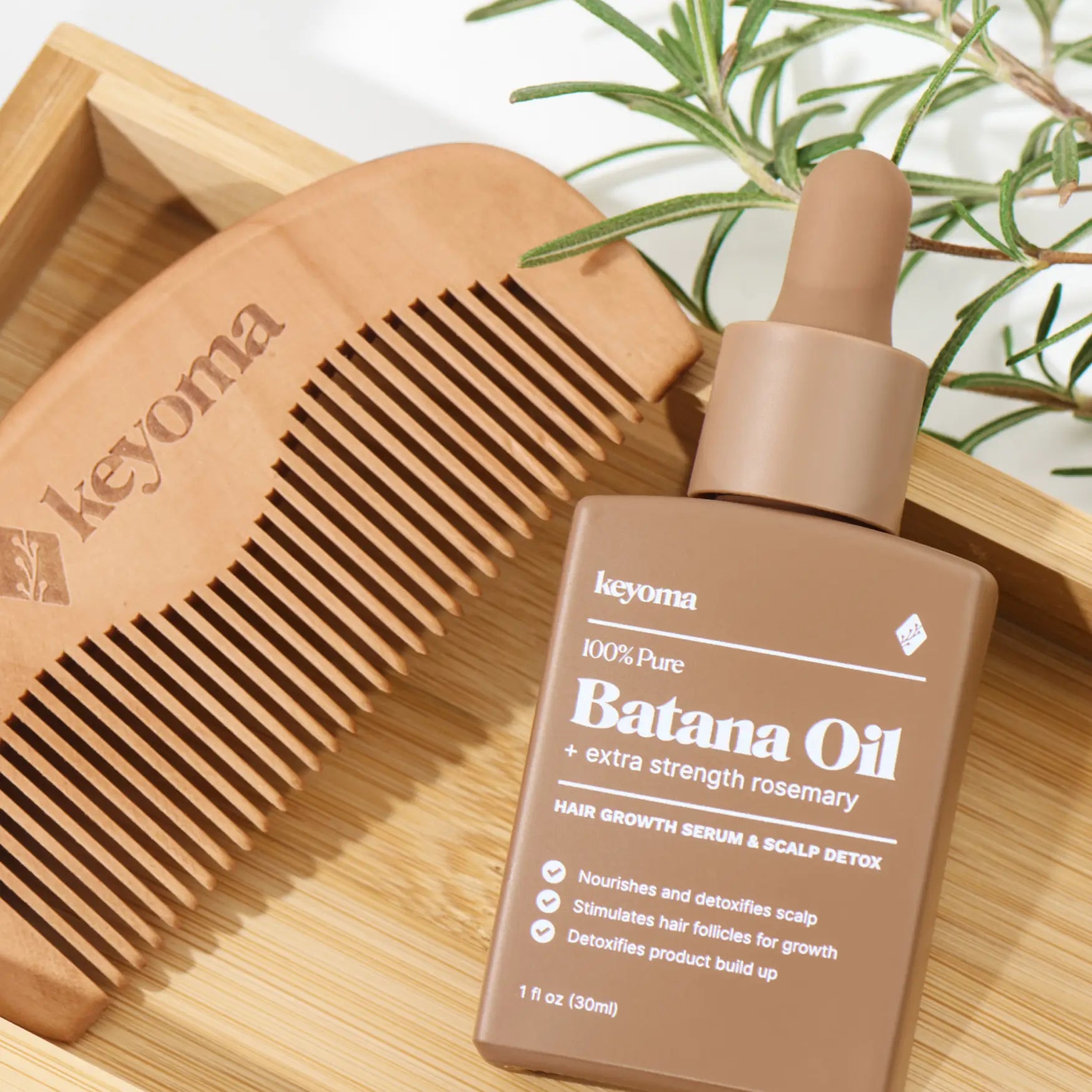
30% Off + 3 FREE Gifts
100% Pure Batana Oil + Rosemary
↓Best Batana Oil to Buy↓

1 Month
Subscribe & Save
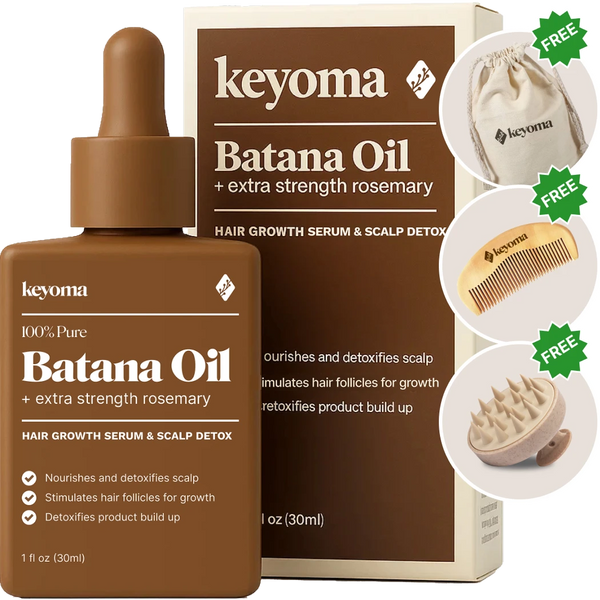


- 30-day supply delivered monthly $35
- 30% off for life $6
- Free haircare essentials kit $33
- Free custom wooden comb $10
- Free scalp massager $15
- Free eco-friendly travel bag $8
- 30-Day Money Back Guarantee
- Free Shipping
- Online portal for easy cancel, skip, or pause.
1 Month One Time Purchase
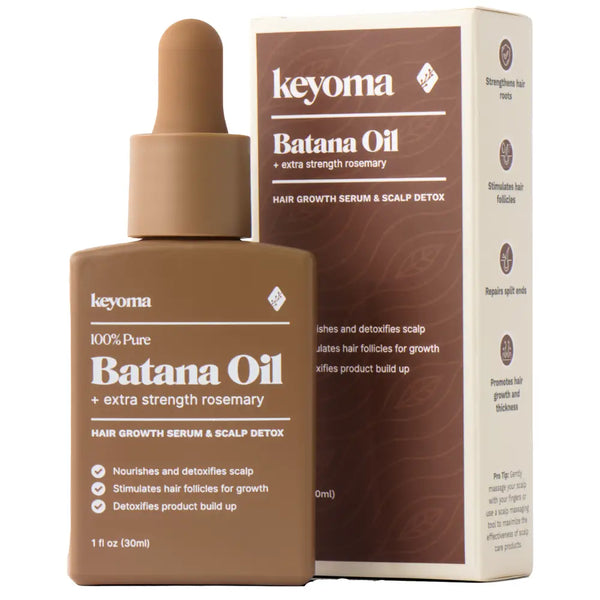
- 30-day supply $50
- 30% off for life $6
- Free haircare essentials kit $33
- Free custom wooden comb $10
- Free scalp massager $15
- Free eco-friendly travel bag $8
