Batana Oil vs Chamomile Oil: Which Is Better for Hair Growth, Scalp Calm, and Daily Use?
Written by

Last updated Jun 13, 2026

In this article
Both batana oil and chamomile oil appear in natural hair care routines, yet each serves a different role. Batana oil is generally chosen for stronger support around hair growth, deeper moisture, and care for dry or thinning strands, while chamomile oil tends to work better for soothing the scalp, enhancing shine, and maintaining lighter everyday routines.
Put simply, the better oil depends on what your hair and scalp need most right now. If you want a richer treatment that supports scalp nourishment and helps strands look stronger, batana oil usually fits that role. If your goal is calming the scalp, boosting shine, and keeping a lightweight feel, chamomile oil may be the easier option for daily use.
Learning how each oil behaves in a routine can make it easier to decide which one suits your goals.
Key Takeaways
-
Batana oil is commonly the stronger option for hair growth routines and very dry or stressed strands.
-
Chamomile oil is widely associated with calming the scalp and supporting lighter everyday routines.
-
Batana oil has a thicker, more treatment-oriented consistency.
-
The right choice depends on whether you want growth support, scalp comfort, or easier daily manageability.
Key Differences: Batana Oil vs Chamomile Oil
|
Batana Oil |
Chamomile Oil |
|
|
Main use |
Hair growth routines, scalp nourishment |
Scalp soothing, shine enhancement |
|
Texture and weight |
Rich, heavier treatment oil |
Lightweight, calming oil |
|
Best scalp types |
Dry scalp, thinning hair routines |
Sensitive or irritated scalp |
|
Best hair types |
Dry, coarse, damaged, or textured hair |
Fine to normal hair |
|
Best results |
Moisture support, stronger-looking strands |
Calmer scalp, smoother appearance |
|
Best routine slot |
Pre-wash treatment, scalp massage |
Light routine or conditioner blend |
|
Works well with rosemary |
Yes, commonly paired in growth routines |
Less typical pairing |
|
Better for thinning hair |
Yes |
Less targeted for thinning routines |
|
Better for sensitive scalp |
Sometimes |
Often preferred |
What Is Batana Oil?
Batana oil is a nutrient-dense oil extracted from the fruit of the American palm tree (Elaeis oleifera). The Miskito people of Honduras have used it for generations, traditionally applying it to support stronger hair and maintain scalp health.
Modern hair care discussions often highlight batana oil because of its fatty acid profile, including oleic acid, palmitic acid, and linoleic acid. These compounds help explain its thicker consistency and conditioning qualities.
Because of that composition, batana oil frequently appears in routines focused on:
-
scalp nourishment
-
hair growth support
-
strengthening dry or fragile strands
Natural health advocate Dr. Sebi often discussed plant oils rich in fatty acids and minerals as helpful ingredients in hair and scalp routines. Batana oil is frequently mentioned in this context because of its dense nutrient profile and conditioning behavior.
Why Choose Batana Oil?

Batana oil tends to appeal to people looking for deeper nourishment and stronger support for scalp-focused care.
Hair Growth and Thinning Hair
Many growth routines focus on improving scalp conditions so follicles can work more consistently. Batana oil’s fatty acid profile supports moisture balance and scalp comfort, both important in routines designed around growth support.
When used with essential oils like rosemary oil, batana oil usually acts as the base oil that spreads the blend evenly across the scalp.
Researchers observed in Skinmed Journal that rosemary oil performed similarly to minoxidil after six months in participants with androgenetic alopecia. Since rosemary oil must be diluted before scalp use, it is commonly paired with carrier oils such as batana oil.
Dry Scalp and Dry Hair
The thicker texture of batana oil makes it useful in routines focused on dry scalp care. Heavier oils can slow moisture loss by creating a light barrier over the hair shaft and scalp surface.
This may help hair feel softer, easier to manage, and less rough in appearance.
Deeper Moisture and Repair Support
Batana oil also works well as a treatment-style oil. Its conditioning qualities may help support:
-
softer hair texture
-
better moisture retention
-
reduced appearance of breakage
Because of its richness, batana oil frequently appears in routines designed for damaged hair, textured hair, or strands that need stronger conditioning support.
How to Use Batana Oil

Batana oil can fit into several parts of a hair routine. This flexibility is one reason it often appears in dry scalp care, richer moisture routines, and treatment-focused applications. Depending on how much you use and where you apply it, it can function as a pre-wash treatment, a scalp massage oil, or a targeted conditioner for dry lengths and ends.
Pre-Wash Treatment
Applying batana oil before shampooing can help protect strands from excessive dryness during cleansing. Many moisture-focused routines use this step so richer oils can condition hair before washing.
Scalp Massage Routine
Batana oil can also be used in scalp massage routines. Its thicker texture helps the oil remain in contact with the scalp while spreading evenly and supporting scalp comfort.
Many routines combine batana oil with rosemary oil to create a blend used during growth-focused scalp massage.
Ends and Dry Areas
A small amount of batana oil can be worked into the lengths or ends to soften dry sections and reduce the appearance of roughness or breakage.
What Is Chamomile Oil?
Chamomile oil is commonly used in hair care for its calming and soothing properties. The oil is generally derived from chamomile flowers and contains compounds such as bisabolol and chamazulene, both known for supporting skin and scalp comfort.
Within hair routines, chamomile oil is most often associated with:
-
scalp comfort
-
shine support
-
gentle daily use
Since chamomile oil typically feels lighter than richer treatment oils, it often fits routines focused on soothing the scalp rather than deep conditioning.
Why Choose Chamomile Oil?

Chamomile oil is commonly selected for routines centered on scalp comfort, shine, and lightweight application, especially when the goal is to calm irritation or maintain a gentle routine that does not weigh hair down.
Sensitive or Tight Scalp
Chamomile extracts have been examined for soothing properties. Dermatology research notes that compounds such as bisabolol may help support skin comfort and reduce irritation.
Because of these qualities, chamomile oil may be a suitable option for people who prefer gentler scalp routines.
Lighter Daily Use
Chamomile oil usually feels lighter than thicker treatment oils. This allows it to fit easily into everyday routines without creating the heavier feel sometimes associated with richer oils.
Shine and Softness
Chamomile oil is also used to support shine and softness. When applied in small amounts or blended into conditioner, it may help smooth the hair surface and improve manageability.
How to Use Chamomile Oil

Chamomile oil usually appears in lighter routines compared with richer treatment oils. Because it is commonly associated with soothing properties and gentle scalp support, many people use it in smaller amounts and targeted applications rather than as a heavy leave-in oil.
Light Scalp Routine
A few drops can be applied to the scalp to support comfort when the scalp feels tight or irritated. Using a small amount helps the oil spread easily without causing excess buildup.
Conditioner Mix-In
Chamomile oil is sometimes blended into conditioner to help improve softness and shine without leaving a heavy oil layer. This method allows the oil to condition hair while still rinsing clean during washing.
Weekly Soothing Routine
Some people include chamomile oil in occasional scalp treatments to help calm the scalp and maintain comfort. Using it once a week or during times of sensitivity may help keep a balanced routine.
Can You Use Batana Oil and Chamomile Oil Together?
Yes. These oils can be combined because they serve different purposes within a hair routine.
Batana oil typically functions as the primary treatment oil, supporting moisture balance, scalp nourishment, and stronger-looking strands.
Chamomile oil can act as a secondary calming ingredient, supporting scalp comfort or shine when needed.
In blended routines, batana oil usually remains the main oil, while chamomile oil is used in smaller amounts for soothing support.
Use Batana Oil for Richer Moisture and Hair Growth Support
Choose pure batana oil when your hair needs more than a temporary smoothing effect. The real difference here is not simply natural versus natural. It is depth versus lightness. Chamomile oil works well in gentle, comfort-focused routines, but batana oil aligns better with dry lengths, thinning-focused care, and strands that benefit from richer support over time.
Hair often becomes easier to manage when your routine focuses on what your strands actually lack rather than what feels easiest to apply. When moisture retention, scalp nourishment, and lasting softness matter more than a barely noticeable finish, pure batana oil is often the more supportive choice.
Featured Product
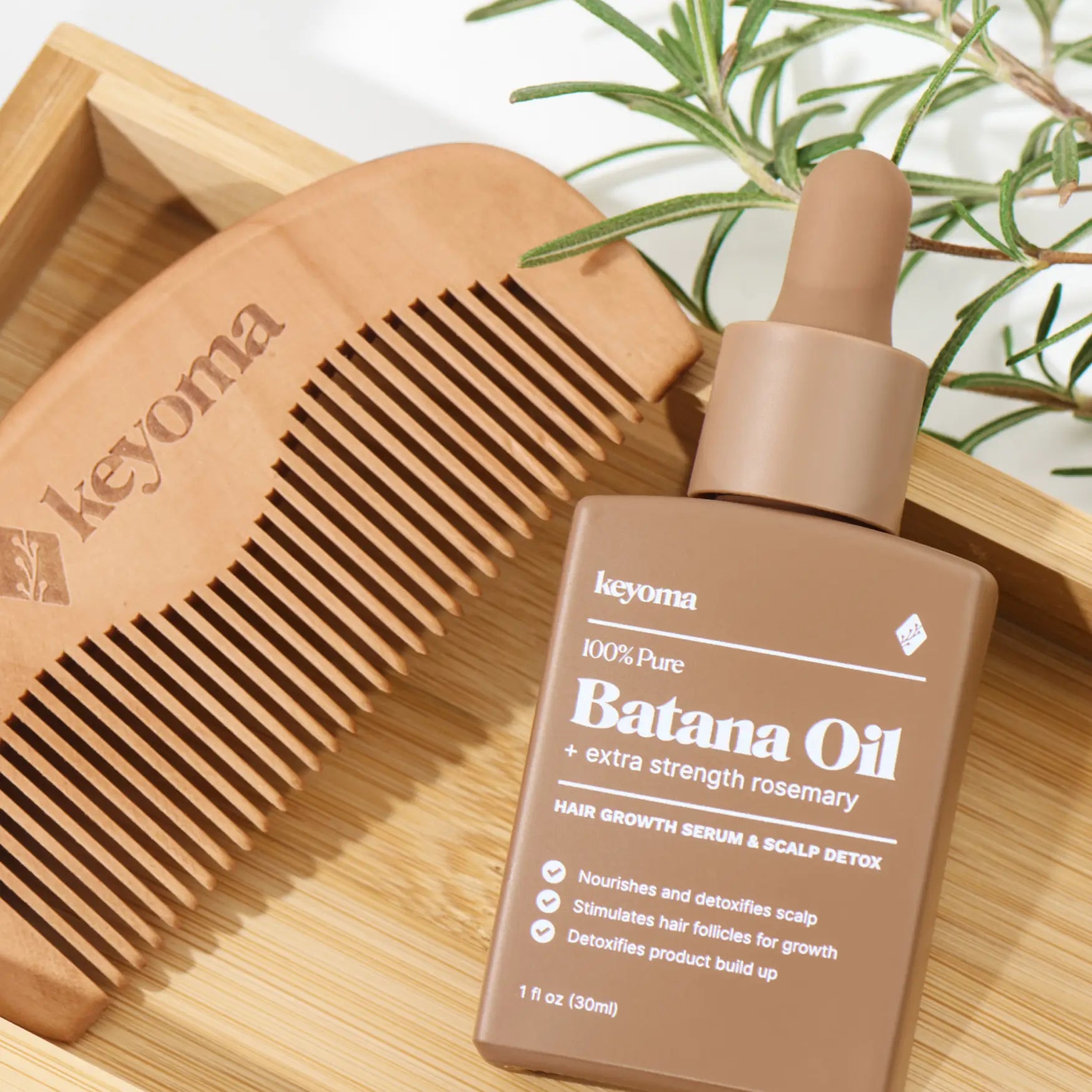
30% Off + 3 FREE Gifts
100% Pure Batana Oil + Rosemary
↓Best Batana Oil to Buy↓

1 Month
Subscribe & Save
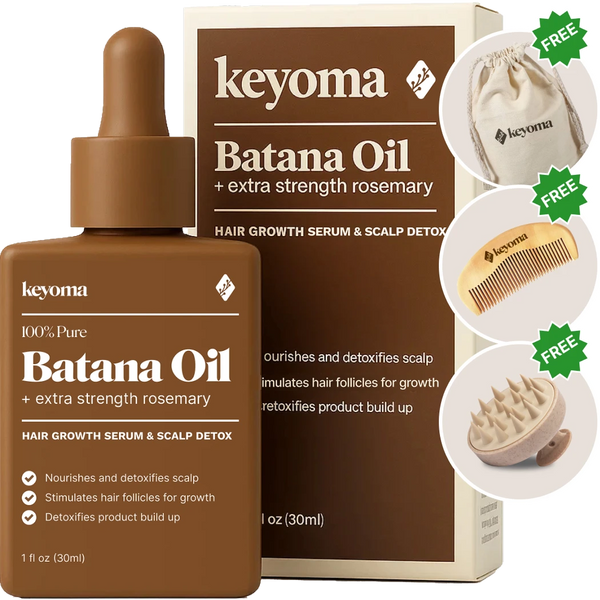


- 30-day supply delivered monthly $35
- 30% off for life $6
- Free haircare essentials kit $33
- Free custom wooden comb $10
- Free scalp massager $15
- Free eco-friendly travel bag $8
- 30-Day Money Back Guarantee
- Free Shipping
- Online portal for easy cancel, skip, or pause.
1 Month One Time Purchase
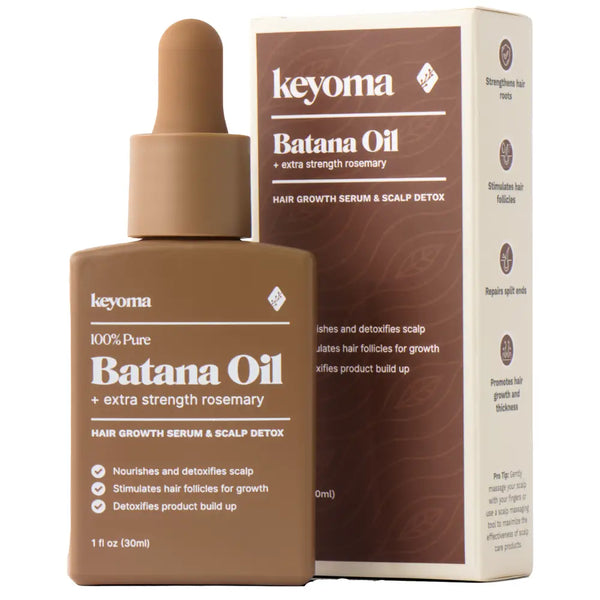
- 30-day supply $50
- 30% off for life $6
- Free haircare essentials kit $33
- Free custom wooden comb $10
- Free scalp massager $15
- Free eco-friendly travel bag $8
