Batana Oil vs Finasteride for Breakage, Dryness, or DHT
Written by

Published on Mar 06, 2026

In this article
Hair loss talk often jumps straight to products. Oils, serums, supplements, and prescription meds enter the chat. But they don’t all fix the same issue, and that’s where confusion starts.
Batana oil and finasteride show this well. You’ll see both in hair loss searches, yet they work in very different ways.
Finasteride is a prescription drug meant to treat DHT hair loss, the hormone-driven process behind male pattern baldness. Batana oil is a hair oil used to nourish the scalp and improve how your hair feels.
If you’re choosing between them, it’s less about which is “stronger” and more about what kind of hair loss you’re dealing with. One option targets the underlying biology of androgenetic alopecia. The other helps support scalp comfort and the hair shaft itself. That difference changes what results you can expect.
Once you know that, the comparison gets easier.
Key Takeaways
-
Finasteride targets DHT-linked pattern loss, while batana oil supports scalp comfort and hair condition.
-
Batana oil may help with dryness and breakage that can make thinning look worse.
-
Finasteride may slow follicle miniaturization, helping you keep hair over time.
-
You can use batana oil and finasteride together because they work in different ways.
Batana Oil
Batana oil comes from the American oil palm tree, which grows in parts of Central America. The oil has a long place in traditional hair routines, especially in Indigenous communities that used it to keep hair soft, resilient, and healthy-looking.
What stands out today is what’s inside it. Batana oil includes fatty acids, antioxidants, and vitamin E, nutrients that can support both the scalp’s skin and the hair fiber in your routine.
One point to clear up early is this. Batana oil isn’t a hair-loss medication. It works more like a deep-conditioning scalp oil that can make hair look thicker and healthier by improving the conditions around your follicles over time.
How Batana Oil Helps With Thinning Hair
Thinning doesn’t always begin with hormones. Sometimes hair looks sparse because it breaks easily, the scalp gets dry, or the fiber weakens from heat styling and chemical processing over the years.
That’s where batana oil and other nourishing oils can help a bit.
Support Scalp and Hair Health
A healthy scalp helps keep follicles in a steady setting. When your scalp gets dry or irritated, hair can turn more fragile.
Batana oil has oleic acid and linoleic acid, two fatty acids that help strengthen the scalp barrier. They can lock in moisture and support the skin around each follicle overall.
When your scalp stays balanced, hair often grows in a steadier, healthier overall cycle.
Ease Dryness and Breakage
Hair strands lose moisture more easily than you’d think. Once the outer cuticle gets rough, strands can start snapping when you brush or style.
Batana oil reduces friction. I noticed a light coat before detangling cut down snapping. It coats strands.
That’s why a nourishing oil can leave hair feeling smoother and more flexible after you use it.
Boost Scalp Moisture
A dry scalp can sometimes make hair look thinner. Flaking, irritation, and tight skin can make your density seem lower.
By adding moisture back, batana oil can soften buildup near follicles and ease scalp discomfort.
It won’t change how many follicles you have, but it can help existing hair look healthier and fuller from day to day.
Best for Mild or Early Thinning
Batana oil suits people with dry hair, breakage, or mild thinning from everyday stressors that add up over time.
Still, it doesn’t directly target the hormone pathway behind androgenetic alopecia, which is why prescription options are sometimes suggested for ongoing, progressive loss.
Finasteride
Finasteride is a very different kind of option for hair loss.
Rather than boosting hair condition, finasteride targets a biological driver behind many cases of hair loss.
It works by lowering dihydrotestosterone levels, usually called DHT, a hormone that can affect hair follicles in people who are genetically sensitive to it.
In many men, DHT slowly shrinks follicles over time. As they shrink, the hair becomes finer, shorter, and can eventually stop growing.
How Finasteride Helps With DHT Loss
Finasteride is meant to interrupt that process.
It doesn’t directly treat dryness or damaged strands. Instead, it slows the hormone signal that leads to follicle miniaturization.
Reduce DHT
Its key action is to inhibit an enzyme called 5-alpha reductase in the body itself.
That enzyme turns testosterone into DHT. By inhibiting it, finasteride lowers how much DHT circulates in your scalp tissue.
With less DHT, genetically sensitive follicles face much less ongoing pressure overall.
Slow Pattern-Driven Hair Loss
Once DHT drops, follicle miniaturization usually slows down too.
For many users, hair loss slows. In some cases, follicles that were shrinking may start producing slightly thicker strands again after months of use.
That’s why finasteride is often used to keep the hair you have, not to fully regrow what’s gone.
Support Hair Staying
The biggest upside of finasteride is stability.
Rather than seeing steady loss year after year, many users are able to keep the hair they already have. Dermatologists often call this slowing the progression of androgenetic alopecia.
Because hair cycles move slowly, results can take several months.
Safety and Side Effects
Since finasteride alters hormone pathways, side effects can happen.
Some users report libido changes, mood shifts, or sexual side effects. These don’t affect everyone, but you should weigh them before you start treatment with your clinician.
A healthcare provider can help you decide if the medication fits your situation better.
Batana Oil Versus Finasteride
Putting batana oil next to finasteride isn’t a true head-to-head. Both can help, but they’re built to address different parts of hair and scalp health for you overall.
When you compare how each works, the difference becomes pretty clear quickly.
How Each Works
Finasteride works from the inside by cutting DHT production, which drives many cases of male pattern hair loss in men.
Batana oil works topically to support scalp moisture and hair conditioning.
Put simply, finasteride targets what causes certain hair loss, while batana oil supports comfort and hair quality on the outside.
Which One Works Better
For androgenetic alopecia, finasteride has much stronger evidence behind its use in studies.
Clinical research shows lowering DHT can slow follicle miniaturization and help you maintain existing hair.
Batana oil doesn’t have the same level of clinical evidence for directly treating pattern baldness.
That doesn’t make it useless. It means its benefits are more about hair care and scalp comfort than directly treating the medical process behind hair loss for most people.
Safety and Side Effects
Topical oils are usually low risk. Most people handle batana oil well, although sensitive skin can react or feel irritated.
Finasteride has more risk because it changes hormone levels inside.
If you prefer natural or topical care, that difference can often shape what you choose next.
Who Each Option Fits Most
Batana oil may fit you if your goal is to support dry hair, breakage-prone strands, or scalp hydration needs.
Finasteride may suit you more if you have ongoing, progressive male pattern loss tied to DHT.
Knowing what kind of thinning you have is often what really decides it for you.
Can You Pair Batana Oil With Finasteride?
Some people end up using both.
Finasteride works internally to lower DHT, while batana oil works topically to improve hair feel and scalp moisture.
Since they work in different ways, they usually don’t get in each other’s way.
Many routines mix meds with shampoo and conditioner. A close friend found wash-day scalp oil felt better overall.
If you’re thinking about a prescription, it’s smart to still talk with a healthcare professional first, too.
Choose Batana Oil or Finasteride for Your Hair Loss Needs
Pick pure batana oil when you want to support the hair you still have and make thinning look less obvious day to day. Batana oil isn’t a medication, but it can improve scalp comfort and reduce breakage, which often matters when dryness and fragile strands make your hair seem thinner than it is.
The deciding detail is the trade-off. Finasteride targets DHT, while batana oil supports scalp hydration and hair condition for different kinds of thinning.
That makes batana oil a good fit when you want healthier-looking hair, a calmer scalp, and a routine you can keep up with.
Featured Product
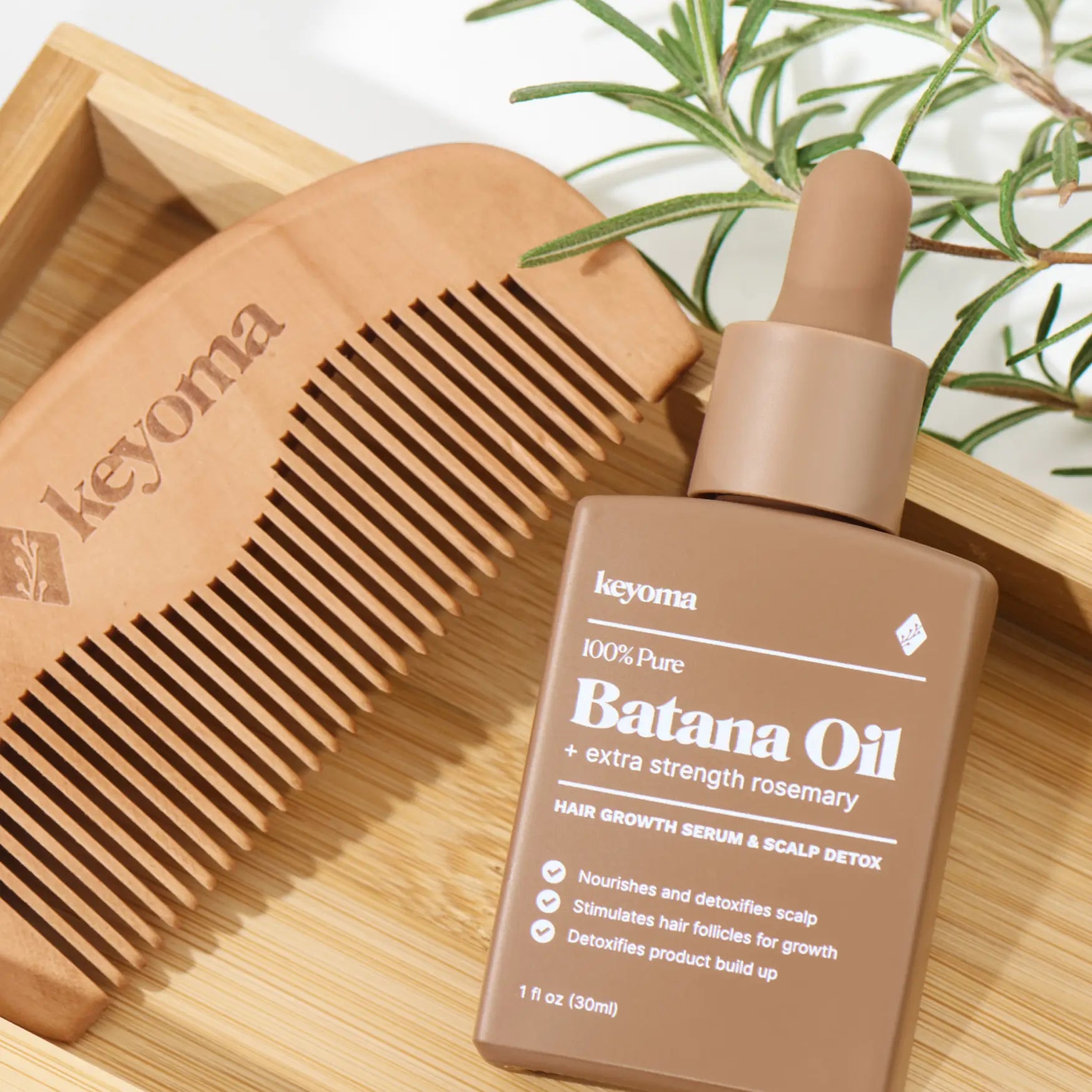
30% Off + 3 FREE Gifts
100% Pure Batana Oil + Rosemary
↓Best Batana Oil to Buy↓

1 Month
Subscribe & Save
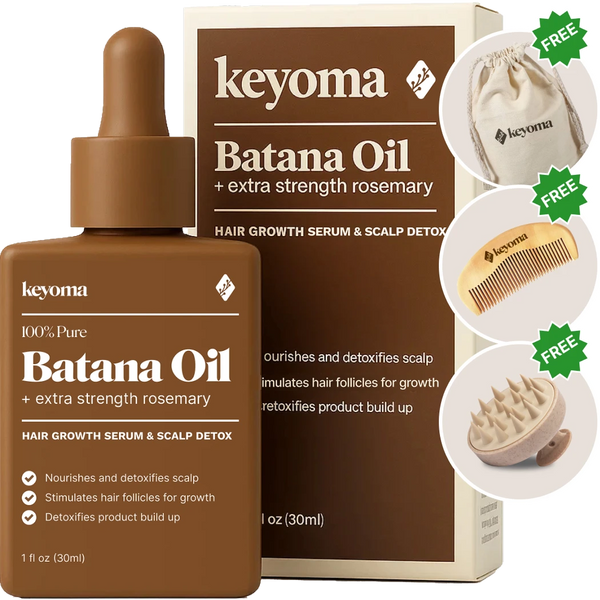


- 30-day supply delivered monthly $35
- 30% off for life $6
- Free haircare essentials kit $33
- Free custom wooden comb $10
- Free scalp massager $15
- Free eco-friendly travel bag $8
- 30-Day Money Back Guarantee
- Free Shipping
- Online portal for easy cancel, skip, or pause.
1 Month One Time Purchase
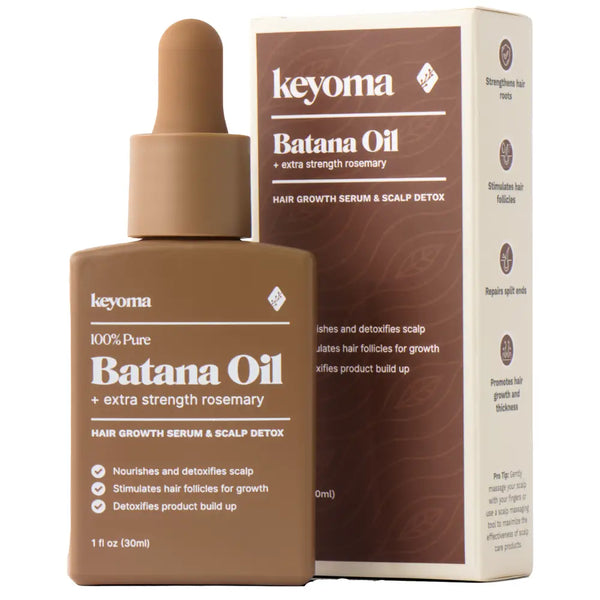
- 30-day supply $50
- 30% off for life $6
- Free haircare essentials kit $33
- Free custom wooden comb $10
- Free scalp massager $15
- Free eco-friendly travel bag $8
