Batana Oil vs. Lavender Oil for Hair: Which One Fits Better?
Written by

Published on Apr 24, 2026

In this article
Batana oil and lavender oil are not meant to do the same job, so treating them like direct substitutes usually leads to the wrong pick. The question is not which oil is “better” overall.
The better question is what you want the oil to help with. If the main issue is dry hair, roughness, or breakage, batana oil is usually the more natural match.
If the issue is more about scalp comfort, mild irritation, or an early thinning routine where you want a diluted essential oil, lavender oil becomes the more relevant choice.
Key Takeaways
-
Batana oil is a better fit for dryness, softness, and breakage support, but current evidence does not show that it directly treats hair loss or regrows hair.
-
Lavender oil is an essential oil rather than a carrier oil, so it should be diluted before scalp use and is more relevant for scalp-focused support than deep strand conditioning.
-
Lavender has limited hair-growth evidence, with support coming mostly from a mouse study and an older aromatherapy trial for alopecia areata rather than strong modern human trials for common thinning.
-
The clearest way to choose is dry hair and breakage vs. scalp-focused support, not a blanket “best oil” claim.
Batana Oil vs. Lavender Oil: Which Need Are You Really Treating?

The real comparison is not “which oil is stronger.” It is “which oil matches the problem.” Batana and lavender should not be treated as direct equivalents because one is a rich carrier-style oil and the other is a diluted essential oil.
Scalp Moisture
Batana oil takes this category. If the scalp feels dry, tight, or under-moisturized, batana is usually the more natural match because it behaves like a rich, sealing oil. Lavender may still have a place in a scalp routine, but not as the main answer to moisture loss.
Anti-Inflammatory
Lavender oil has the stronger case here because the research around it is more directly tied to anti-inflammatory and antimicrobial activity. That does not make it a cure for scalp issues, but it does make it more relevant when the scalp feels irritated or reactive.
Shedding
Batana oil is usually the stronger oil to lead with when shedding is part of the concern. It fits more naturally into a routine focused on scalp moisture, softness, breakage reduction, and keeping the hair looking fuller while it goes through dryness or stress.
Lavender oil is different. It works more as a specialized scalp-support ingredient than as a direct answer for shedding. Since its link to hair growth comes from older and less direct studies, it fits better as a supporting ingredient in a routine than as the main focus.
Regrowing Hair
Batana oil is often the more practical base for a growth-focused routine because it supports the scalp, softens the strands, and lowers breakage. That can help you keep more of your length, which makes it easier to maintain the look of fuller hair over time.
Lavender oil can still be useful for scalp support, but batana is the more practical choice when your main goal is hair that feels stronger and looks healthier from roots to ends.
What Is Batana Oil?

Batana oil comes from the nuts of the American oil palm, Elaeis oleifera, and is closely associated with traditional use in Honduras and nearby parts of Central America.
It is rich in fatty acids such as oleic acid and linoleic acid, along with antioxidant compounds including vitamin E, which helps explain why it is often described as a nourishing oil for dry hair and scalp.
That nutrient profile is useful for hair feel, but it should not be overstated. Current consumer-facing medical reviews still say there is no scientific evidence that batana oil directly treats hair loss. What it may do is support scalp moisture, improve softness, and make brittle hair feel easier to manage.
Why Choose Batana Oil?
Batana oil makes the most sense when the hair itself feels like the problem. That usually means dryness, breakage, rough texture, or a scalp that feels tight and under-moisturized. It is not the strongest option when someone mainly wants a light, scalp-active oil.
Dryness and Softness
Batana oil is rich enough to coat the hair fiber and help slow moisture loss, which is why it usually feels more useful on hair that is coarse, brittle, or overprocessed. If the lengths feel rough and stiff, a richer oil often makes a more visible difference than a diluted essential oil.
Breakage Support
Rich plant oils can reduce friction along the hair shaft, which matters when hair is snapping more than shedding. Batana oil fits that type of routine well because its strength is conditioning and barrier support rather than follicle stimulation.
Thick, Coarse, or Damaged Hair
Hair that is thick, coarse, curly, or heavily processed usually handles richer oils better than fine hair does. Batana oil is often the better fit when lighter oils feel too weak or disappear before giving enough softness. That is more of a texture match than a growth claim.
Dry-Scalp Support
If the scalp feels dry, tight, or rough, batana oil can help as a moisture-support oil. That is different from saying it fixes the cause of thinning. It is a scalp-comfort and conditioning oil first.
How To Use Batana Oil
Batana oil usually works best when you treat it like a richer support oil, not a product that needs to be layered on heavily every day. Small, targeted use often gives a better result than trying to saturate the whole scalp and hair each time.
Use It as a Pre-Wash Treatment
Batana oil is often easier to manage as a pre-wash oil than as a daily finishing oil. That gives the hair time to soften without leaving as much residue behind after styling. For me, lighter pre-wash use felt easier to rinse out than daily layering.
Focus on Mid-Lengths and Ends
If dryness or breakage is the main issue, place more of the oil through the mid-lengths and ends. Those areas usually benefit more than the roots when roughness and snapping are the concern.
Apply Lightly to a Dry Scalp
A very small amount can be used on a dry scalp, especially when the skin feels tight or uncomfortable. Heavy application is usually unnecessary and can make cleansing harder.
Use Weekly or as Needed
Because batana oil is rich, it usually makes more sense as an occasional treatment than as a daily shine oil. The exact frequency depends on how dry the hair is and how easily buildup happens.
What Is Lavender Oil?

Lavender oil is an essential oil, which already places it in a different category from batana oil. Essential oils are more concentrated and are generally used in smaller amounts, usually after dilution into a carrier oil or product base. WebMD specifically warns that essential oils can irritate the scalp if applied directly and should be diluted first.
Lavender oil is more relevant in hair care because of its anti-inflammatory, antimicrobial, and scalp-supportive profile than because it is a proven hair-growth treatment.
Reviews and preclinical studies describe lavender oil as having anti-inflammatory activity, and research also shows antifungal activity, which helps explain why it comes up more often in scalp-comfort conversations than in deep-conditioning routines.
Why Choose Lavender Oil?
Lavender oil makes the most sense when the scalp feels like the problem. That could mean mild irritation, a reactive scalp, or a thinning routine where you want something lighter and more scalp-focused than a rich conditioning oil.
Scalp-Focused Support
Lavender oil belongs closer to the scalp side of the routine than the strand side. It is not the oil you choose when the hair lengths need deep softness. It is the one you choose when you want a diluted essential oil that fits scalp care more naturally.
Anti-Inflammatory Support
Lavender oil has a stronger case for inflammation-related support than batana oil does. That does not make it a medical treatment, but it does make it more relevant when the scalp feels irritated or reactive.
Antifungal and Antimicrobial
Lavender oil also has documented antifungal activity in lab research, which is part of why it often appears in scalp-care conversations. That makes it more useful for scalp maintenance than for softening dry ends.
Deep Conditioning
Lavender oil does get mentioned in thinning-hair content, but the evidence is still limited. The commonly cited support comes mainly from a 2016 mouse study and an older alopecia areata aromatherapy trial that used a blend of several essential oils, not lavender alone. That is why lavender should be treated as a scalp-supportive option with cautious expectations rather than a proven regrowth treatment.
How To Use Lavender Oil
Lavender oil should be used with more caution than batana oil because it is concentrated. The biggest mistake is treating it like a carrier oil and applying it too freely.
Always Dilute It First
Undiluted essential oils are too strong for direct scalp use. Lavender oil should be mixed into a carrier oil or product base before it touches the scalp.
Keep the Focus on the Scalp
Lavender oil makes more sense at the scalp than through the full hair length. Its value is more about scalp support than deep strand conditioning.
Patch Test Before Wider Use
Healthline notes that too much lavender oil can irritate the skin and that rash, hives, or dermatitis can happen in some users. A patch test is one of the easiest ways to reduce that risk.
Use It in a Controlled Routine
Because the evidence for lavender and hair growth is limited, it works better as a steady scalp-support ingredient than as a “use more for faster results” product. Consistency, dilution, and realistic expectations matter more than quantity. I noticed essential oils felt easier to manage when I treated them as a scalp step, not a full-hair treatment.
Can You Use Batana Oil and Lavender Oil
Yes, and the combination often makes more sense than trying to force one oil to handle everything. Batana can act as the richer conditioning base, while diluted lavender can add a scalp-focused element. That creates a more complete routine for someone dealing with dry hair plus scalp concerns at the same time.
The main caution is still dilution and skin tolerance. Lavender should not be added casually or heavily, and the scalp should be patch tested first if you are prone to irritation. Batana is the easier choice when the strands need softness and protection, while lavender is the smarter add-on when the scalp needs more focused support.
Choose the Right Oil Based on Hair Needs
Batana oil and lavender oil are useful for different reasons. Batana oil is the better fit for dry hair, breakage, rough texture, and dry-scalp support. Lavender oil is the better fit for a scalp-focused routine where you want anti-inflammatory, antimicrobial, and comfort-oriented support from a properly diluted essential oil.
If the hair itself feels like the problem, batana usually makes more sense. If the scalp feels like the problem, lavender usually deserves more attention. If both are happening at once, a batana-based routine with carefully diluted lavender is often the more balanced approach.
Featured Product

30% Off + 3 FREE Gifts
100% Pure Batana Oil + Rosemary
↓Best Batana Oil to Buy↓

1 Month
Subscribe & Save
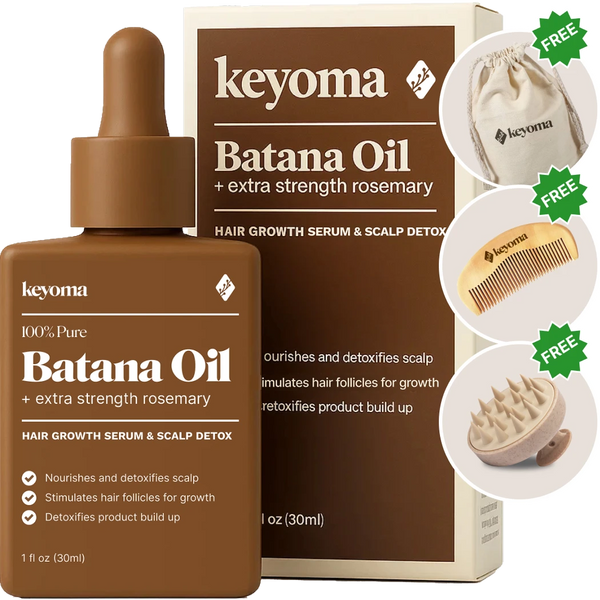


- 30-day supply delivered monthly $35
- 30% off for life $6
- Free haircare essentials kit $33
- Free custom wooden comb $10
- Free scalp massager $15
- Free eco-friendly travel bag $8
- 30-Day Money Back Guarantee
- Free Shipping
- Online portal for easy cancel, skip, or pause.
1 Month One Time Purchase
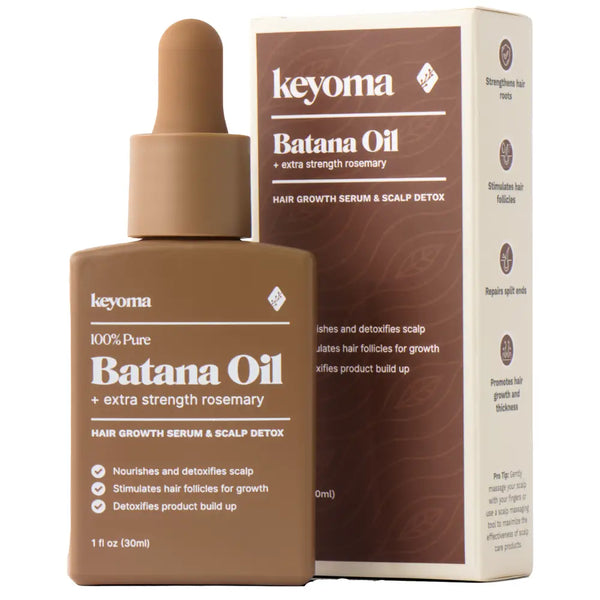
- 30-day supply $50
- 30% off for life $6
- Free haircare essentials kit $33
- Free custom wooden comb $10
- Free scalp massager $15
- Free eco-friendly travel bag $8
