

In this article
Hair oils can seem the same at first. Most promise shine, softness, and healthier-looking hair. But once you use them, they can act a bit differently on your scalp and hair shaft.
Batana oil and sunflower oil show that difference well. Both contain fatty acids that condition hair and support scalp comfort. The real split is how concentrated those nutrients are, how much the oils interact with hair fibers, and which concerns they address.
Sunflower oil shows up in many cosmetic formulas because it’s lightweight and easy to spread. Batana oil is darker and richer, and it comes from the American oil palm. It has a long history of use for more intensive hair repair.
When you understand how each oil works, you can choose the one that fits your hair goals.
Batana Oil vs Sunflower Oil: Quick Comparison
Both oils come from plants and are rich in fatty acids. Still, their makeup and performance on hair differ in a few key ways.
|
Batana oil |
Sunflower oil |
|
|
Origin |
American oil palm: Elaeis oleifera |
Sunflower seeds: Helianthus annuus |
|
Tactile |
Thick, dense, deeply conditioning |
Light and sleek |
|
Top fatty acids |
Oleic and linoleic acids |
Mainly linoleic acid |
|
Best for |
Helps repair dry, damaged hair |
Light moisture and conditioning |
|
Ideal hair match |
Dry, coarse, thinning, or damaged hair |
Fine to normal type |
|
Primary role |
Repairing oil |
Conditioning use |
The main difference comes down to intensity. Sunflower oil tends to work as a gentle conditioner, while batana oil acts more like a restorative treatment.
What Is Batana Oil?

Batana oil comes from the nuts of the American oil palm tree. That tree grows mainly in Central America, especially in some regions of Honduras.
The Miskito people have used this oil for a long time. They’re sometimes called the "Tawira," meaning people with long hair. Traditional preparation includes roasting the palm nuts, grinding them into a paste, and slowly extracting the oil.
Batana oil stands out for its dense feel and nutrient profile. It contains high concentrations of fatty acids, vitamin E, and natural plant antioxidants that help support the hair cuticle and scalp barrier.
Because it’s thick, batana oil coats strands more thoroughly than lighter oils. That coating can reduce moisture loss and help protect more fragile hair fibers.
Batana Oil Benefits for Hair
Batana oil is usually used more like a treatment than a daily styling oil. It’s richer than many lightweight oils, so it tends to help most when hair needs extra support, not just a quick finish. It can feel heavy if you use too much.
Its key benefits usually include:
-
Strength support, since fatty acids like oleic acid can help reinforce the outer hair structure and reduce breakage
-
Deeper moisture hold, because the oil helps form a protective layer that slows water loss from the hair shaft
-
Scalp comfort, since lipid-rich oils can help support the scalp barrier and keep it from becoming overly dry or stressed
This matters most when your hair loses moisture easily. When it dries out too fast, it can feel rough, look frizzy, and split more easily. A heavier oil can help limit that cycle by keeping the cuticle better coated over time overall.
Because of its thickness, batana oil tends to work best for hair that’s already dry, damaged, coarse, or chemically treated.
How to Use Batana Oil for Hair
Batana oil works best as a treatment, not a daily styler. I noticed it spreads smoother after I warm it in my hands. Since it’s thick, start small and focus on the ends.
-
Use it as a deep pre-wash. Apply a small amount from mid-lengths to ends, then let it sit about 30–60 minutes before shampooing to soften very dry or brittle strands for you.
-
Work it into the scalp. Warm a few drops between your fingers, then massage gently for a few minutes. This helps spread the oil and support scalp comfort.
-
Seal the ends of dry hair. Rub 1–2 drops between your palms, then lightly press it into the ends to help reduce frizz and protect against breakage.
Because batana oil is dense, it’s usually best used 1–3 times per week rather than every day, especially for fine hair types.
What Is Sunflower Oil?

Sunflower oil is extracted from sunflower seeds and is widely used in food and cosmetic products.
In hair care, it’s valued mainly for lightweight conditioning. Compared with many other plant oils, sunflower oil spreads easily across strands and adds slip without leaving a heavy residue.
The oil contains high levels of linoleic acid, a polyunsaturated fatty acid that helps maintain the scalp’s natural lipid barrier. It also contains vitamin E, which adds antioxidant support.
Because sunflower oil is thin and absorbs easily on the surface of hair, it’s often used in conditioners and leave-in treatments.
Sunflower Oil Benefits for Hair
Sunflower oil is mostly valued for how it makes hair feel softer, smoother, and easier to manage. It’s lighter than many treatment oils, so it can condition well when you want softness without a heavy finish too.
Its key benefits usually include:
-
Smoother hair texture, since it helps coat the cuticle so strands glide past each other with less friction
-
Light scalp moisture support, because its linoleic acid content can help reinforce the scalp’s natural barrier
-
A lighter finish that can be easier to use on fine or oily hair that gets weighed down quickly
That light feel is a big strength for many people. If you don’t like dense oils, sunflower oil can be easier to keep in rotation, especially for mild frizz control or slight dryness.
Still, its lighter texture means it doesn’t offer the same level of repair, sealing power, or structural support that a richer oil like batana oil can provide.
How to Use Sunflower Oil for Hair
Sunflower oil works best in small amounts. I noticed one drop was enough on my ends before blow-drying. It spreads fast so you don’t need much.
-
Use it as a light leave-in. Rub 1–2 drops between your palms, then smooth it over mid-lengths and ends to reduce frizz and add softness.
-
Try a short pre-wash treatment. Work a teaspoon through dry hair and leave it on about 15–30 minutes before shampooing to boost slip and improve manageability.
-
Massage a small amount into the scalp. A few drops may help with mild dryness without making roots feel heavy too.
Because sunflower oil is lightweight, it’s usually better suited to frequent or everyday use than heavier treatment oils.
Batana Oil vs Sunflower Oil: Key Differences

At first glance, both oils can seem to do the same job. They can soften hair, add slip, and help reduce dryness. The more useful difference is how their structure changes performance.
Fatty Acid Profile
Sunflower oil tends to be linoleic-acid dominant, and often sits around 50% to 70%, which is part of why it has a lighter feel and why it’s often used for surface conditioning. Batana oil tends to be more oleic-acid dominant, with oleic acid often near 60% to 75% and linoleic acid closer to 12% to 20%. That fatty acid mix gives batana oil a richer, more treatment-like feel.
Hair Penetration and Absorption
Batana oil tends to fit better when your hair needs more softness, a richer coating, plus extra help with dryness plus breakage. Its oleic-acid-rich profile is why it often feels deeper and more like a treatment.
Sunflower oil feels lighter and works better as a surface conditioner. It can smooth the cuticle and cut friction, which can improve softness and manageability. In one well-known hair study, sunflower oil did not reduce protein loss, suggesting its benefits are mainly external.
If your goal is light smoothing, sunflower oil can work well. If your goal is deeper support for dry or breakage-prone hair, batana oil is the stronger pick.
Best Hair Types
Hair type changes how oils behave because fiber diameter, porosity, and surface lipid loss shape how oil absorbs and coats hair.
Sunflower oil often suits fine or medium hair when you want light conditioning. Its linoleic acid content, often around 50% to 70%, so it feels thinner, spreads easily, and is less likely to weigh hair down.
Batana oil tends to suit dry, coarse, curly, high-porosity, or damaged hair. Its oleic-acid-rich profile, often around 60% to 75%, creates a heavier, more emollient coating that suits hair that loses moisture quickly or has a disrupted cuticle.
Damage from bleaching, heat styling, chemical processing, and UV exposure can increase cuticle wear and protein loss, which is why damaged hair often responds better to richer conditioning oils.
Scalp vs Hair Shaft Benefits
Sunflower oil mostly supports the scalp barrier. Its linoleic acid content, often around 50% to 70%, helps explain why it’s often used for light scalp hydration without feeling heavy.
Batana oil tends to suit hair shaft protection and richer coating, though it can also support the scalp. With oleic acid often around 60% to 75%, it has a denser, more emollient profile than sunflower oil. One review notes monounsaturated oils tend to diffuse into hair better than polyunsaturated oils, which supports their use for dry, stressed, or breakage-prone hair.
In daily use, sunflower oil often works better for light scalp and surface conditioning, while batana oil usually makes more sense as a heavier treatment for rough, weak, or easily damaged hair.
Which One Is Best for Your Hair Needs?
The better oil depends less on trends and more on what your hair is dealing with. If the main issue is dryness, rough texture, breakage, or damage from bleach, heat, or frequent styling, batana oil is usually the stronger fit. Its heavier feel and more oleic-acid-rich profile make it better suited for hair that needs deeper coating, better softness retention, and stronger support against moisture loss.
Batana oil is usually the better choice if your hair is:
-
Dry, coarse, curly, or high porosity
-
Brittle, rough, or breakage-prone
-
Regularly exposed to bleaching, heat styling, or chemical processing
-
Better served by a richer treatment than a light finishing oil
Sunflower oil makes more sense when your hair doesn’t need much weight. Because it’s usually linoleic-acid dominant, often around 50% to 70%, it feels lighter on the hair and is easier to use for simple conditioning. That makes it a better match for fine or medium hair when the goal is smoother texture, mild frizz control, or light scalp support without heaviness.
Sunflower oil usually makes more sense if your hair is:
-
Fine or medium that gets weighed down fast
-
Mostly healthy, but needs softness and smoothness
-
A little dry or frizzy, but not heavily damaged
-
Better suited to a lightweight daily oil than a heavier treatment
If your hair falls somewhere in the middle, the choice usually comes down to intensity. Sunflower oil fits maintenance. Batana oil fits hair that needs more repair-focused support. In side-by-side comparisons, batana oil tends to suit damaged or moisture-starved hair, while sunflower oil fits lighter conditioning needs without overdoing it.
Can You Use Batana Oil and Sunflower Oil Together?
Using multiple oils is normal in many hair routines.
Since sunflower oil is lighter, it can work as a carrier that helps spread thicker oils more evenly. Some people blend a small amount of batana oil into sunflower oil to make the treatment easier to distribute.
Another option is layering. You might apply a lighter oil first to condition the hair surface, then follow with a richer oil that offers deeper protection.
Combining oils can help you balance conditioning and treatment without making hair feel overly heavy overall.
Choose Batana Oil for Richer Repair Than Sunflower Oil
Both oils can support healthy hair, but they serve different needs.
Sunflower oil is a lightweight conditioner that smooths the hair cuticle and helps maintain scalp moisture. It often works well for fine hair and everyday conditioning.
Pure batana oil is richer and more treatment-focused. Its dense makeup and fatty acid profile make it better suited for strengthening hair, protecting against breakage, and restoring moisture to dry or damaged strands.
If your goal is simple softness and light conditioning, sunflower oil can work well. If you want deeper repair and stronger, healthier-looking hair, batana oil is generally the more effective option overall.
Featured Product
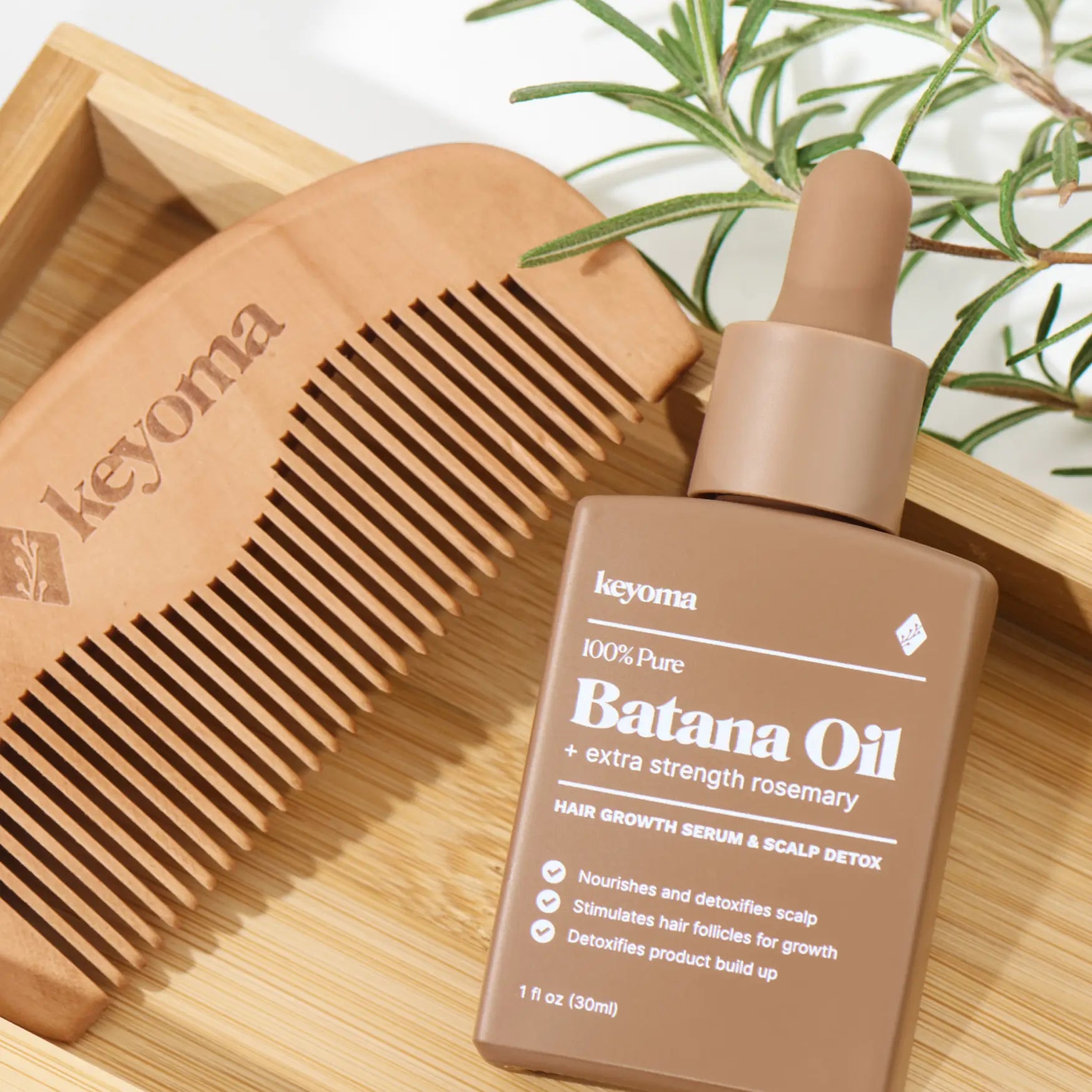
30% Off + 3 FREE Gifts
100% Pure Batana Oil + Rosemary
↓Best Batana Oil to Buy↓

1 Month
Subscribe & Save
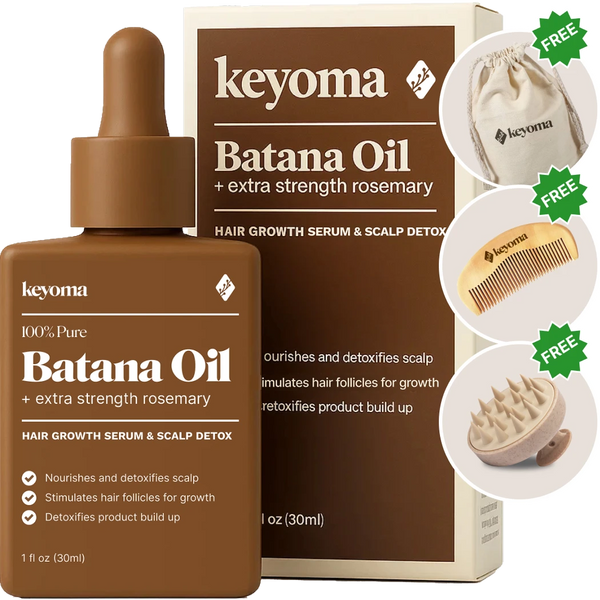


- 30-day supply delivered monthly $35
- 30% off for life $6
- Free haircare essentials kit $33
- Free custom wooden comb $10
- Free scalp massager $15
- Free eco-friendly travel bag $8
- 30-Day Money Back Guarantee
- Free Shipping
- Online portal for easy cancel, skip, or pause.
1 Month One Time Purchase
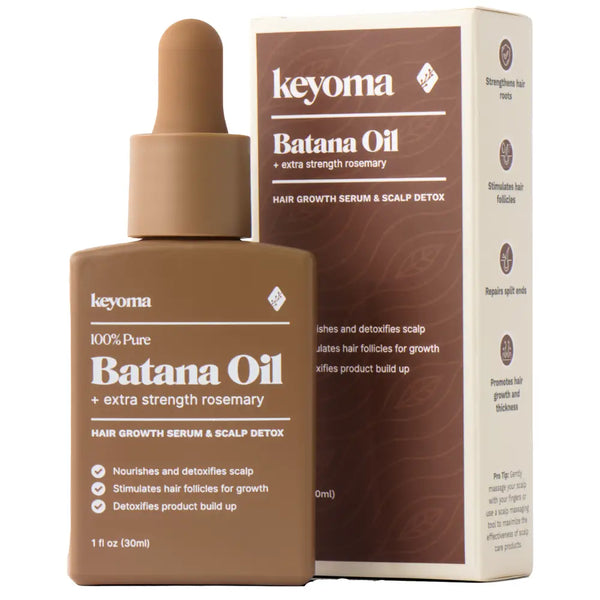
- 30-day supply $50
- 30% off for life $6
- Free haircare essentials kit $33
- Free custom wooden comb $10
- Free scalp massager $15
- Free eco-friendly travel bag $8
