Batana Oil vs Tea Tree Oil: Which One Suits Your Hair?
Written by

Published on Mar 25, 2026

In this article
Batana oil and tea tree oil both show up in hair and scalp routines, but they do very different jobs. Batana oil is mostly used to moisturize, protect hair, and ease dryness, while tea tree oil is more often used for scalp concerns such as dandruff, itching, and buildup.
People often compare these oils, but they are not true replacements for each other. One is a carrier oil that helps condition hair, and the other is an essential oil used for scalp-related concerns.
When you understand how they differ, it becomes easier to choose the right oil for your routine or decide if using both makes sense.
Key Takeaways
-
Batana oil mostly helps with holding moisture, softness, less breakage, and protection for dry hair.
-
Tea tree oil mostly helps with dandruff, itching, scalp buildup, and excess scalp oil.
-
Batana oil is a carrier oil, but tea tree oil must be diluted before you use it.
-
Using them together may support the scalp while also conditioning hair and helping it hold moisture.
What Is Batana Oil
Batana oil is a nutrient-dense oil taken from the fruit of the American palm tree, and the Miskito people of Honduras have traditionally used it for hair and scalp care. It contains fatty acids such as oleic acid, palmitic acid, and linoleic acid, which help condition hair and limit moisture loss.
Because of that makeup, batana oil is often used as a sealing oil, a scalp oil, a conditioning oil for hair, a carrier oil for essential oils, and a treatment oil for dry or damaged hair.
Hair care professionals often call richer plant oils like batana oil occlusive oils, which means they help lock moisture into the hair shaft and shield hair from dryness and breakage.
Benefits of Batana Oil for Hair

Batana oil is mostly used to improve the condition of hair, ease dryness, and protect the hair shaft instead of addressing scalp concerns such as dandruff or buildup. Since it is a richer oil, people often use it in routines focused on keeping in moisture, lowering breakage, and making hair feel softer over time.
Most benefits of batana oil come from the way it coats the hair shaft, lowers friction, and helps hair keep moisture between wash days.
Helps Lower Hair Breakage
Hair often breaks when it gets dry and loses flexibility. Oils that are rich in fatty acids help lubricate the hair shaft, so strands rub against each other less and are less likely to snap during brushing and styling.
Locks Moisture Into Dry Hair
Batana oil mainly acts as an occlusive oil, which means it helps lock moisture into hair after you wash or condition it. That can help hair stay softer and easier to manage between wash days.
Boosts Shine and Softness
Hair looks shinier when the cuticle layer stays flatter and reflects light more evenly. Oils help smooth the outer surface of the hair, which can improve both softness and shine.
Supports Dry Scalp and Hair Protection
Batana oil can also be used for dry scalp because it helps ease dryness and improve scalp comfort while also protecting hair against dryness and friction.
How to Use Batana Oil for Hair and Scalp

You can use batana oil in a few different ways depending on whether you want more moisture, better scalp care, or extra protection for your hair. Since it is a richer oil, people usually use small amounts and place it where hair needs the most help, such as dry ends or spots that break easily.
The biggest difference usually comes from using it regularly in the right step of your routine rather than applying a lot at once.
Sealing Oil After Washing
Put a small amount of batana oil on damp hair after washing or after you apply leave-in conditioner. For me, it tended to work better when my ends were still slightly damp. This usually works best when your hair still has some moisture in it, because the oil helps slow down moisture loss instead of adding water by itself. Start with the mid-lengths and ends, then use more only if those areas still seem dry.
Overnight Hair Treatment
You can apply batana oil to the hair and scalp before bed, then wash it out the next morning to help condition hair and soften dry strands. This method usually makes the most sense for hair that feels very dry, rough, or overprocessed, because the longer contact time gives the oil more time to coat and soften the hair. Use a measured amount so the treatment feels nourishing instead of too heavy.
For Split Ends and Dry Areas
Rub a small amount of oil into the ends of your hair to improve softness and reduce the look of split ends and dryness. This kind of targeted use often makes more sense than covering the whole head when the main issue is mostly at the ends. It may also help rough sections look smoother between wash days.
Blended With Conditioner
Mixing a few drops of batana oil into your conditioner can add more conditioning and leave hair feeling softer after washing. This can work well if you want the softness of a richer oil without adding a separate leave-on step. It also helps distribute the oil more evenly through the hair while you rinse.
As a Scalp Massage Oil
Batana oil also works in scalp massage routines to improve comfort and spread oil more evenly across the scalp. I noticed smaller amounts were easier to wash out later. Since it is a richer oil, it usually works better with a light massage and a small amount instead of a heavy application. This method can support dry scalp care while keeping the routine simpler to remove later.
What Is Tea Tree Oil
Tea tree oil is an essential oil taken from the leaves of the Melaleuca alternifolia plant. Unlike batana oil, it is not a carrier oil, so you should not put it directly on the scalp without diluting it.
Tea tree oil is widely used in scalp care because its antimicrobial and antifungal properties may help reduce dandruff, itching, and scalp buildup.
Benefits of Tea Tree Oil for Hair and Scalp

Tea tree oil is mainly used for scalp care, not for conditioning the hair itself. Most of its benefits relate to scalp health, controlling buildup, and easing common scalp concerns such as dandruff and itching.
Because it has antimicrobial and antifungal properties, people often use it in scalp treatments, clarifying routines, and dandruff-focused hair products.
Reduce Dandruff
Tea tree oil is often used for dandruff because it may help reduce the yeast and buildup linked to flaky scalp conditions. That is why it is often included in anti-dandruff shampoos and scalp treatments. When you use it regularly in diluted form, it may help lower visible flakes and improve overall scalp comfort.
Relieve Itchy Scalp
An itchy scalp is often linked to buildup, dryness, or irritation. Tea tree oil is commonly used in scalp routines because it may help calm irritation and make the scalp feel more comfortable. Many people use diluted tea tree oil in scalp massage routines to help ease itching between wash days.
Control Oily Scalp
Tea tree oil is also used in oily scalp routines because it can help the scalp feel cleaner and less greasy. People often add it to shampoo or use it in clarifying routines when the goal is to reduce excess oil and product residue on the scalp.
Reduce Scalp Buildup
Oil, sweat, and product residue can collect on the scalp over time, especially if you use heavy styling products or oils. Tea tree oil is often used in scalp-cleansing routines because it may help reduce buildup and keep the scalp cleaner between washes, which can improve scalp comfort and the way hair looks.
How to Use Tea Tree Oil for Hair and Scalp

Tea tree oil is highly concentrated, so people usually do not apply it directly to the scalp by itself. Instead, they use it in diluted form or mix it into products they already use so it can help with dandruff, itchiness, and buildup without raising the risk of irritation. Most routines use only a small amount and focus on the scalp instead of the hair lengths.
Diluted With a Carrier Oil
Combine a few drops of tea tree oil with a carrier oil such as batana oil, jojoba oil, or coconut oil before you put it on your scalp. This helps spread it more evenly over the scalp and lowers the chance of irritation from using an essential oil directly. You can use the mixture for a scalp massage or a short treatment before washing your hair.
Added to Shampoo
One of the most common ways to use tea tree oil is by adding a few drops to shampoo. This may improve scalp cleansing and can help reduce dandruff and buildup over time. It also gives tea tree oil regular contact with the scalp without adding another treatment step.
Used in a Scalp Oil Blend
Tea tree oil can be blended with carrier oils to make a scalp treatment oil that targets dryness, itching, or buildup. This kind of blend is often used before washing so you can treat the scalp without leaving behind a heavy oily feel after styling.
As a Spot Treatment for Itchy Scalp
You can apply diluted tea tree oil to itchy spots on the scalp instead of covering the entire scalp. This focused method may help when the itching shows up in only a few areas instead of all over.
Used in a Clarifying Scalp Routine
Tea tree oil is often part of clarifying routines that help remove buildup from styling products, oil, and sweat. In my routine, short contact usually felt better than leaving strong blends on too long. In these routines, people usually pair tea tree oil with clarifying shampoo or scalp treatments to help keep the scalp clean and balanced.
Batana Oil vs Tea Tree Oil: Which One Is Better?
Batana oil and tea tree oil are often compared, but each one fills a different role in a hair routine.
Batana oil focuses more on moisture, protection, and support for dryness, while tea tree oil is mostly used for scalp concerns such as dandruff, itching, and buildup.
Knowing these differences makes it easier to decide which one fits your routine better or whether using both would work better for separate needs.
Carrier Oil vs Essential Oil
Batana oil is a carrier oil that you can apply directly to the hair and scalp, and you can also use it to dilute essential oils. Carrier oils are usually fatty plant oils that condition hair and help spread essential oils across the scalp more safely.
Tea tree oil is an essential oil, so it needs to be diluted before use because it is very concentrated. Essential oils are usually used to treat scalp concerns rather than to condition the hair itself.
Hair Moisture vs Scalp Treatment
Batana oil is mostly used for moisture, hair protection, support for dryness and breakage, and sealing moisture into the hair shaft. People often use it on hair lengths and ends or as part of a moisture-focused routine.
Tea tree oil is mostly used for dandruff, itchy scalp, oily scalp, buildup, and scalp cleansing. It is usually applied in diluted form to the scalp and is not often used on the hair lengths.
How They Are Used
Batana oil can go directly on the hair, scalp, and ends, or be used in overnight treatments or as a sealing step after washing. People often use it as a small-amount leave-in oil or as a pre-wash treatment.
Tea tree oil is usually mixed with a carrier oil, added to shampoo, used in scalp treatments, or applied only to the scalp. It is generally used for short-contact scalp treatments instead of being left on the hair lengths.
Hair Types and Scalp Types They Suit
Batana oil is usually a better fit for dry hair, coarse hair, curly or textured hair, dry scalp, damaged hair, and hair that breaks easily because it gives richer moisture and protection.
Tea tree oil is usually a better fit for dandruff, itchy scalp, oily scalp, buildup, and clarifying scalp routines where the goal is to improve scalp comfort and cleanliness instead of adding moisture to the hair.
Can You Use Batana Oil and Tea Tree Oil Together?
Yes, people often use batana oil and tea tree oil together because each one does something different. Batana oil can work as the carrier oil, while tea tree oil adds scalp-focused support for issues such as buildup, itching, or dandruff. That can make the combination useful if you want help for the scalp without losing the moisture and softness that a richer oil can offer.
When you use them together, the blend can help balance two needs at the same time:
-
batana oil helps condition hair and limit moisture loss
-
tea tree oil supports a scalp that feels cleaner and more comfortable
-
the carrier oil helps dilute tea tree oil so you can use it more safely
One simple way to use them is to:
-
mix a few drops of tea tree oil into batana oil
-
gently massage the blend into your scalp
-
leave it on for 30 to 60 minutes
-
wash your hair as usual afterward
This type of routine usually works better as a pre-wash treatment than as a daily leave-in, especially if your scalp tends to get buildup or feels sensitive.
Should You Use Batana Oil or Tea Tree Oil for Your Hair Routine?
The better choice depends on your main hair or scalp concern.
Pick pure batana oil if your goal is to ease dryness, make hair softer, seal in moisture, reduce breakage, condition the hair, or protect dry ends.
Pick tea tree oil if your goal is to reduce dandruff, calm an itchy scalp, control oiliness, reduce buildup, or help the scalp feel cleaner.
Many routines work best when you use both because one helps with hair moisture and protection while the other supports scalp cleanliness and comfort.
Featured Product
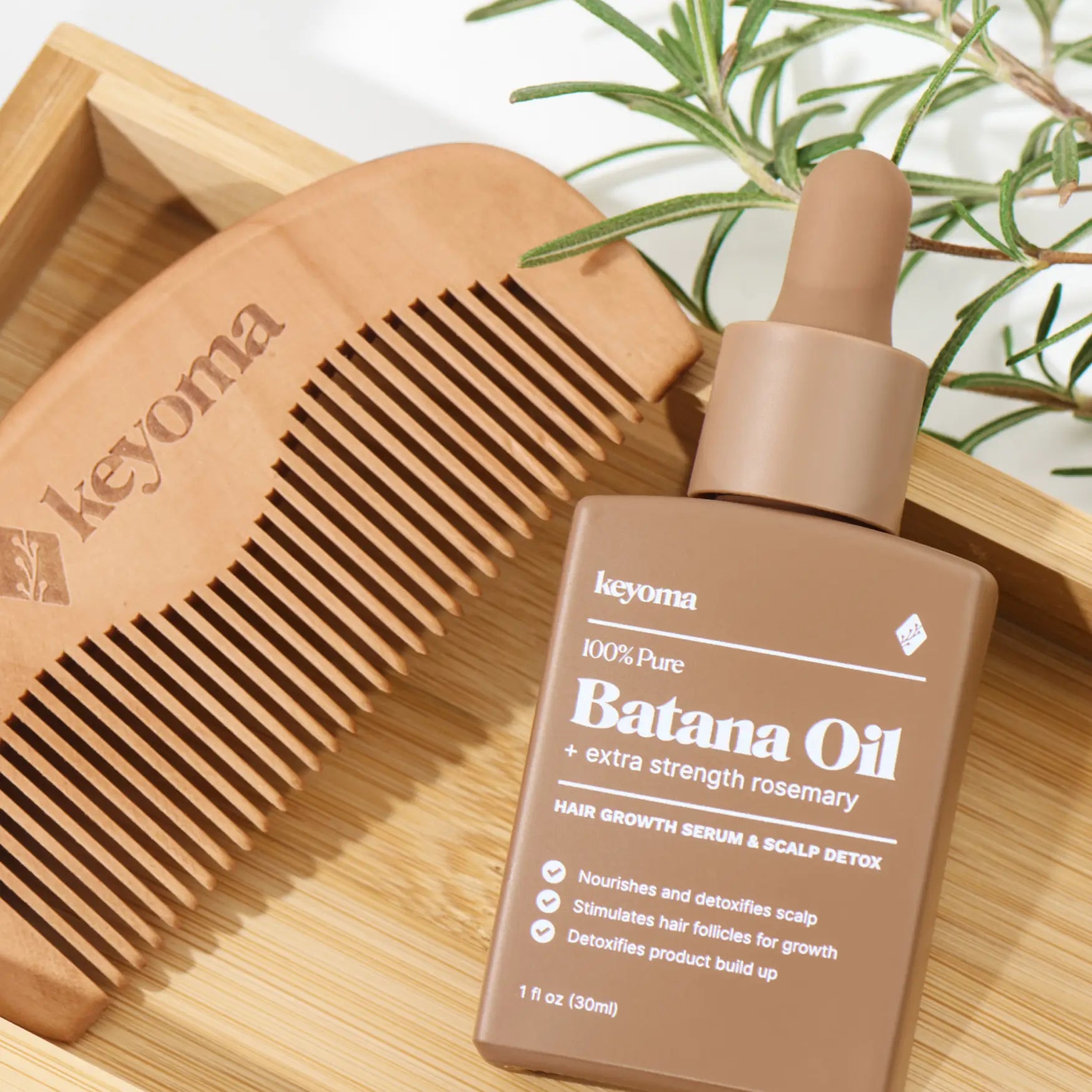
30% Off + 3 FREE Gifts
100% Pure Batana Oil + Rosemary
↓Best Batana Oil to Buy↓

1 Month
Subscribe & Save
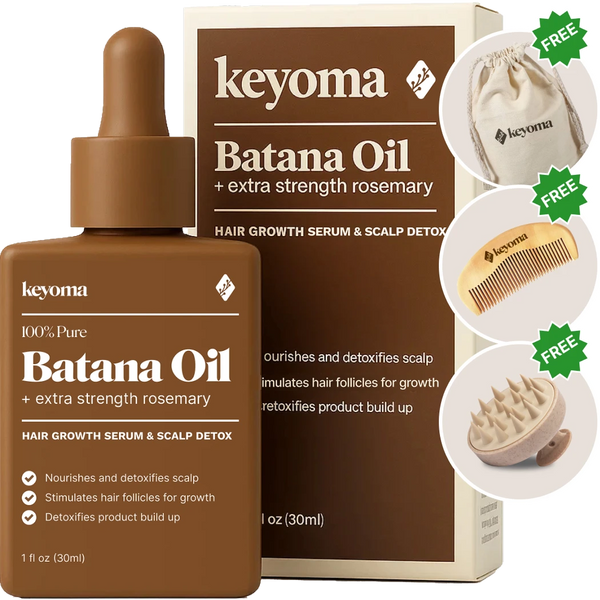


- 30-day supply delivered monthly $35
- 30% off for life $6
- Free haircare essentials kit $33
- Free custom wooden comb $10
- Free scalp massager $15
- Free eco-friendly travel bag $8
- 30-Day Money Back Guarantee
- Free Shipping
- Online portal for easy cancel, skip, or pause.
1 Month One Time Purchase
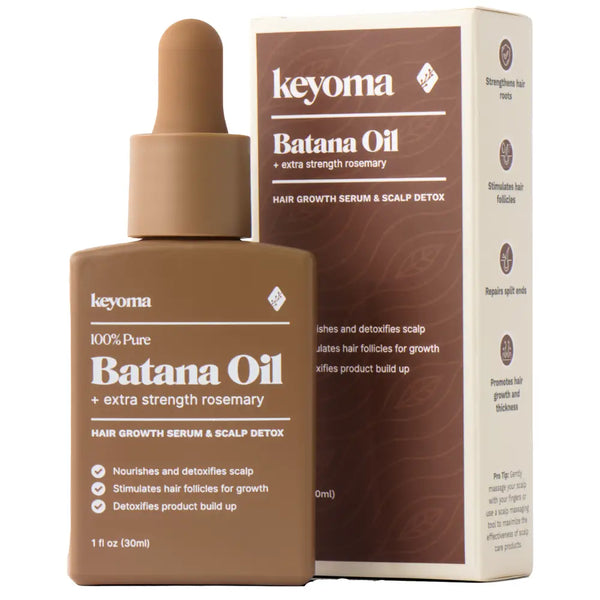
- 30-day supply $50
- 30% off for life $6
- Free haircare essentials kit $33
- Free custom wooden comb $10
- Free scalp massager $15
- Free eco-friendly travel bag $8
