Best Beard Grooming Kit: What to Look For in a Complete Set
Written by

Published on Jun 18, 2026

In this article
A beard grooming kit should solve the jobs your beard actually creates. A useful set cleans, conditions, detangles, shapes, and trims. A crowded box with ten weak accessories is not automatically better than a focused set with four reliable products.
Your beard length, hair texture, skin type, and trimming habits should decide what belongs in the kit. Short stubble often needs accurate guards and light conditioning. A long or coarse beard usually benefits from more moisture, stronger detangling tools, and precision scissors.
Price also needs context. Product sizes, refill costs, tool life, replacement blades, warranty terms, and portability all affect long-term value. The best beard grooming kit is the one you will use consistently without paying for pieces that stay in the case.
Key Takeaways
-
Choose a kit by function, beard length, and skin needs.
-
Oil conditions, while balm adds more shape and control.
-
Trimmers manage length, while scissors handle precise corrections.
-
Compare refill costs, tool durability, warranty, and return terms.
What Should a Complete Beard Grooming Kit Include?

A complete beard grooming kit should cover cleansing, conditioning, detangling, shaping, and trimming. Those functions matter more than the advertised number of pieces. Some sets focus on care products, while others center on a trimmer.
Before buying, identify the gaps in what you already own. Someone with a dependable trimmer may get more value from a care-focused set. A first-time buyer may need a broader mix of beard products, tools, and storage.
Beard Wash and Conditioner
Beard wash removes sweat, oil, food residue, and buildup. Conditioner adds slip and softness, making dense or coarse hair easier to detangle. They are not interchangeable: wash cleans, while conditioner supports manageability.
Choose a gentle wash that suits the skin beneath your beard. Strong fragrance is not ideal for every buyer, especially when an itchy beard is already a concern. The American Academy of Dermatology recommends matching beard moisturization to skin type and favors fragrance-free, non-comedogenic options for sensitive skin. d Oil and Balm
Beard oil mainly conditions beard hair and the skin beneath it. Balm usually combines conditioning ingredients with waxes or butters that add more hold. A short beard may need only light oil. Longer, wider, or less cooperative beards often benefit from balm when shape matters.
The two can work together, but buying both only makes sense when each has a clear role. Compare beard oil and beard balm before adding both.
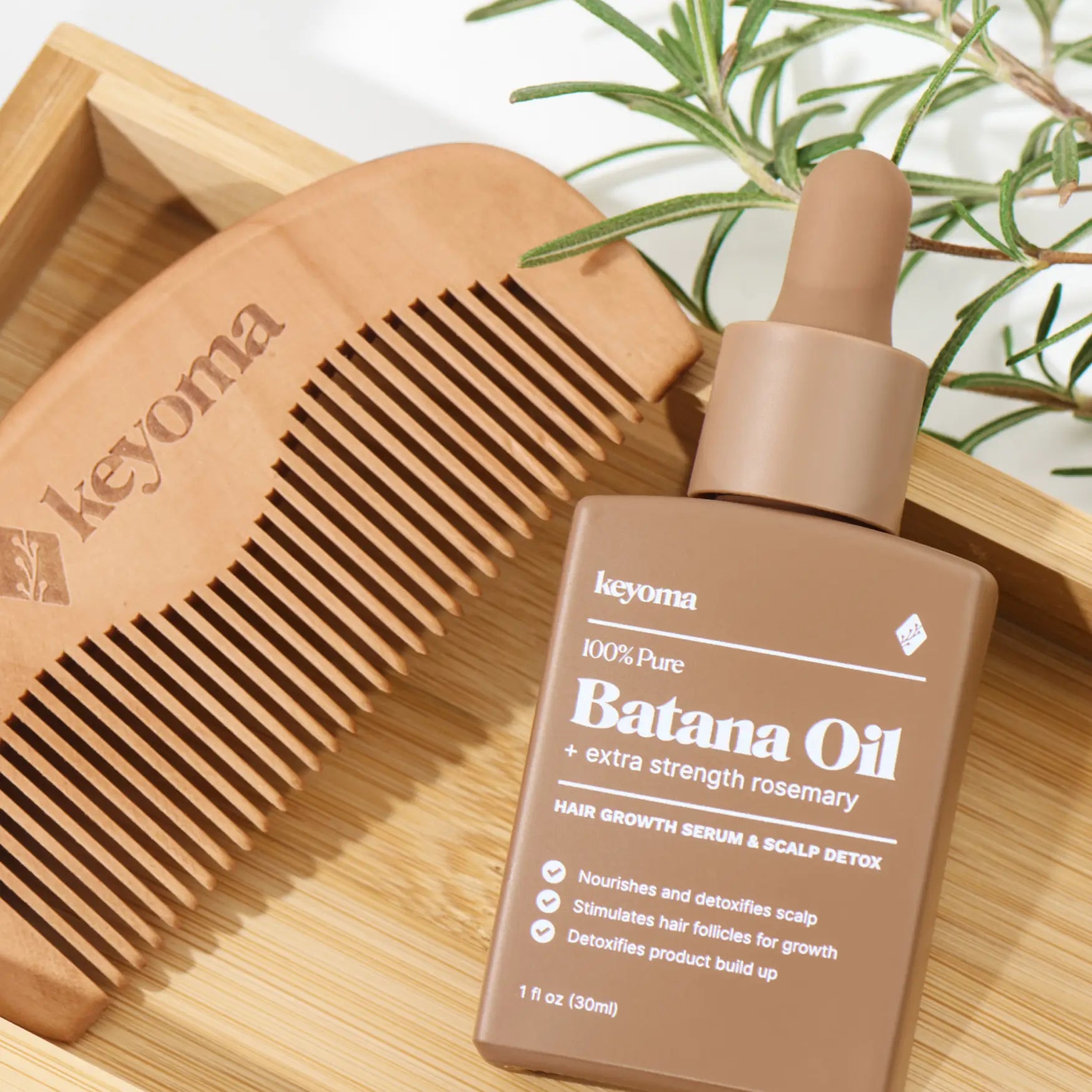
Keyoma Pure Batana Oil can fill an optional conditioning-oil role for a dry, coarse, rough, or hard-to-manage beard. Use a small amount and judge the finish before adding more. It does not replace beard wash, conditioner, balm, scissors, or a trimmer. Conditioning use should also remain separate from claims about batana oil for beard growth. Because skin reactions are possible with cosmetic ingredients, the FDA advises consumers to take cosmetic allergies seriously. conditioning oil to your kit when dryness and rough texture are the main concerns.
Beard Brush and Comb
A brush and comb are not always duplicates. A brush helps spread oil or balm, direct dense hair, and create a neater finish. A comb works through tangles, separates sections, and supports controlled trimming. Longer beards often benefit from both.
Look for smooth teeth without sharp seams. Wide spacing suits thicker hair, while narrower spacing offers more control on finer sections and mustache details. A compact beard comb can also be easier to carry than a full-size brush.
Beard Scissors and Trimmer
A trimmer manages overall length, creates repeatable lines, and handles routine reductions quickly. Scissors are better for isolated flyaways, uneven ends, mustache work, and small corrections where a powered blade may remove too much.
Longer facial hair may need both. The AAD notes that an electric razor can reduce irritation during beard trimming and that scissors are also suitable for longer facial hair. beard trimming kit should include useful guard lengths, a precision attachment or narrow blade, and scissors that close cleanly without pulling.
Storage and Travel Case
A storage case protects blades, keeps guards together, and reduces clutter. Check whether it protects the trimmer, keeps bottles upright, and leaves room for the guards. A travel lock prevents accidental activation inside a bag. Storage should not trap dirty tools.
Remove loose hair, follow the manufacturer’s cleaning instructions, and let washable parts dry before closing the case. The CDC notes that germs can remain on items such as razors, so personal grooming tools should not be casually shared.
Which Type of Beard Grooming Kit Should You Buy

The right kit type depends on the job it must perform. Do not pay for a professional-looking case when you only need three products, or choose a care bundle when uneven length is the real problem.
Beard Grooming Starter Kit
A beard grooming starter kit should be simple. A gentle wash, conditioning oil, comb or brush, and basic trimming tool cover most beginner needs. Clear instructions and full-size products beat novelty accessories.
Short beards usually need fewer styling products. Put more weight on a comfortable trimmer, practical guard sizes, and a light product that does not leave the skin greasy. Buyers with irritation-prone skin should patch test new leave-on products. Dermatologists recommend testing a skin-care product on a small area twice daily for seven to ten days before wider use. d Maintenance Kit
A beard maintenance kit suits someone who already owns a good trimmer. It should support washing, conditioning, detangling, and minor shaping without adding duplicate tools.
Medium, long, or coarse beards may need conditioner, balm, a firmer brush, and scissors. Buyers dealing with rough texture can compare options for coarse beard care before deciding which conditioning products deserve space in the kit.
Beard Trimming Kit
A beard trimming kit should be judged mainly by the trimmer, not the extras. Check blade quality, minimum and maximum cutting lengths, guard increments, motor consistency, battery life, charging method, cleaning requirements, travel lock, and warranty.
Look closely at replacement parts. A low purchase price loses its advantage when guards crack easily or replacement blades are unavailable. For beard and mustache grooming, a narrow detail tool and small scissors are useful around the upper lip and corners. More mustache grooming tips can help you identify the precision tools you will actually use.
Premium or Professional Kit
A premium beard grooming kit should offer better execution, not more filler. Look for stronger hardware, useful guards, durable scissors, smooth comb teeth, full-size products, and clear warranty support.
Professional-style kits make sense for buyers who trim often, keep a detailed beard shape, or want one organized set for several grooming tasks. They are unnecessary when you only tidy short stubble every few weeks. A high price is justified by durability, control, repairability, and usable contents, not packaging alone.
Travel Beard Grooming Kit
A travel beard grooming kit should reduce bulk without dropping essential tools. Prioritize compact charging, a travel lock, protective cap, useful guards, a small comb, and leak-resistant containers.
A washable or wipeable grooming travel bag is more practical than an oversized presentation box. Check airline liquid rules before packing, and avoid placing damp tools beside clean products.
Beard Grooming Gift Set
A beard grooming gift set should match the recipient’s beard length, fragrance preference, and current tools. A trimmer owner may prefer full-size care products, while a beginner needs a balanced set with instructions.
Avoid choosing only by appearance. Strong scents can be a poor fit for sensitive skin, and “natural” does not automatically mean safer. The FDA explains that ingredient source does not determine cosmetic safety. ceipt or clear return policy also protects the buyer from a thoughtful but unsuitable match.
Before checkout, confirm five points:
-
Every item has a clear purpose for the beard’s length and texture.
-
Product sizes are large enough to judge value fairly.
-
Trimmer guards cover the lengths the user actually wears.
-
Replacement blades, charging parts, and refills are available.
-
Warranty and return terms are easy to find and understand.
When dryness or coarse texture remains the main gap, Keyoma Pure Batana Oil can be considered as the conditioning-oil step in a custom kit. Apply sparingly and stop if irritation develops.
Add a conditioning oil to your kit only when it solves a real care need.
Beard Grooming Kit With Trimmer vs Scissors

Trimmers and scissors overlap, but they are not full substitutes. A trimmer creates repeatable length, while scissors provide slower, selective control. Many buyers use one as the primary tool and the other for finishing.
Speed and Length Control
A trimmer is faster across the cheeks, jaw, neck, and bulk of the beard. Guards help repeat the same length at each session. A dial or closely spaced guards are useful when you blend shorter sides into a fuller chin.
Check whether the advertised number of settings reflects genuinely different lengths or several attachments that produce similar results. A kit with eight useful settings can outperform one with twenty awkward pieces.
Precision and Detail Work
Scissors are better when one or two hairs sit outside the shape. They also offer control around the mustache, under the lower lip, and at the ends of a longer beard. Use them on clean, dry hair so shrinkage or water weight does not distort the final length.
For neckline or cheek-line shaving, technique affects comfort. The AAD advises shaving in the direction of hair growth and replacing disposable blades regularly to reduce irritation. should never be used against skin when visibility or hand control is poor.
Maintenance and Durability
Scissors need occasional cleaning, careful storage, and alignment checks. Trimmers require more maintenance. Hair must be removed from the blade area, washable parts need drying, and some blades require oil according to the manufacturer’s directions.
Professional sanitation rules are stricter than home use, but they show why visible debris should be removed before disinfection. The California Board of Barbering and Cosmetology requires electrical tools to be cleared of visible debris before an appropriate disinfectant is used. follow the trimmer manual rather than soaking electrical parts or using an incompatible cleaner.
Which Tool Fits Your Beard
Choose a trimmer first when you wear stubble, change length often, blend sections, or need speed. Choose scissors first when you keep a long beard, mainly remove flyaways, or already have reliable clippers.
A combined kit suits medium-to-long beards that need regular bulk control and detailed finishing. Buyers who only make small corrections may save money by pairing good scissors with an existing trimmer instead of replacing everything.
How Much Should a Beard Grooming Kit Cost?

There is no single correct price because product-led and tool-led kits offer different value. Use these ranges as shopping bands, not fixed market rules.
Budget Starter Kits
A practical budget is roughly $20 to $40. At this level, expect a few care products, a basic brush or comb, simple scissors, or an entry-level trimmer. It is unlikely that every product and tool will be premium.
Focus on the one or two pieces that matter most. Full-size wash and oil may be better value than a large box filled with tiny bottles. For a trimmer-led budget kit, check that the main guards fit securely and that replacement parts exist.
Mid-Range Complete Kits
Around $40 to $90, buyers can expect stronger product sizes, better brushes or combs, more thoughtful storage, or a more capable trimmer. This range often provides the best balance for a first complete beard grooming kit.
Compare the bundle price with the cost of buying only the pieces you need. A discount is not real value when two products duplicate each other or the included tool will be replaced immediately.
Premium and Professional Kits
Premium sets often fall around $90 to $180 or more, especially when they include a durable trimmer, many usable lengths, charging accessories, precision tools, and full-size care products. The upper end should provide measurable benefits in control, construction, runtime, repair options, or warranty support.
Presentation can raise the price without improving performance. A leather-style case and heavy box may suit gifting, but they do not compensate for poor blades, weak battery life, or small product sizes.
Choose a Beard Grooming Kit for Better Daily Control
Choose the kit that covers your real grooming tasks with the fewest weak or unused pieces. Match cleansing and conditioning products to your skin and beard texture, then choose tools based on length, precision needs, and how often you trim.
Review product sizes, refills, blade availability, charging, cleaning, warranty, and returns before paying. When a conditioning oil fits the beard’s needs, add it as one part of the kit, not as a replacement for proper washing, shaping, or trimming.
Featured Product
30% Off + 3 FREE Gifts
100% Pure Batana Oil + Rosemary
↓Best Batana Oil to Buy↓

1 Month
Subscribe & Save
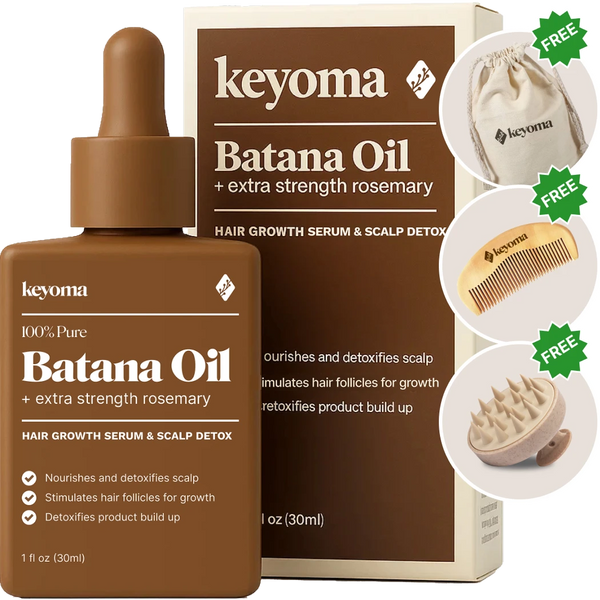


- 30-day supply delivered monthly $35
- 30% off for life $6
- Free haircare essentials kit $33
- Free custom wooden comb $10
- Free scalp massager $15
- Free eco-friendly travel bag $8
- 30-Day Money Back Guarantee
- Free Shipping
- Online portal for easy cancel, skip, or pause.
1 Month One Time Purchase
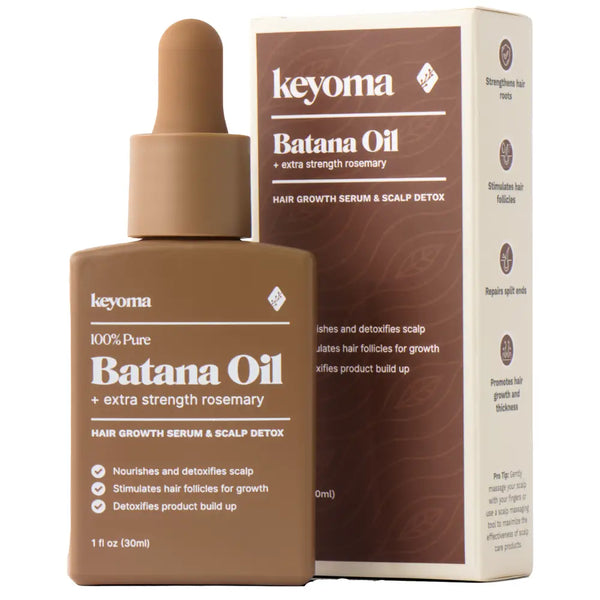
- 30-day supply $50
- 30% off for life $6
- Free haircare essentials kit $33
- Free custom wooden comb $10
- Free scalp massager $15
- Free eco-friendly travel bag $8
