Best Hair Growth Routine for Thin Hair That Stays Lightweight
Written by

Published on Mar 31, 2026

In this article
If your hair is thin or fine, a lot of hair growth advice online will not suit you. Many routines are built for thick, curly, or very dry hair, so they often rely on heavy oils, rich creams, and styling steps that can leave thin hair flat, greasy, or even more sparse-looking.
A strong hair growth routine for thin hair is not about piling on more products. It is about protecting the hair you already have, keeping your scalp in good shape, and choosing lightweight formulas that support growth without dragging the hair down.
Thin hair can still grow long and stay healthy, but it usually needs a different approach than thick hair. The focus should stay on scalp care, preventing breakage, using lighter products, and keeping the routine steady instead of relying on complicated treatments.
Key Takeaways
-
Thin hair does better with lightweight care because heavy products can flatten strands and add buildup.
-
Scalp care and reducing breakage matter more than following a complicated growth routine.
-
Gentle daily habits may help thin hair keep length and appear fuller.
-
Visible length gains usually take months, while softness and easier styling may improve earlier.
Why Thin Hair Needs a Different Hair Growth Routine
Thin hair acts differently from thick hair. Each strand has a smaller width, which means it breaks more easily, gets weighed down faster by products, and reacts more quickly to heat and brushing.
Because thin strands are lighter and narrower, damage becomes obvious sooner. Ends turn see-through faster, tangles show up more easily, and breakage happens before you notice real length progress.
Thin hair also tends to:
-
Lose lift quickly
-
Get oily faster at the roots
-
Snap more easily
-
Look flatter with heavy products
-
Show damage sooner than thicker hair
-
Show density loss more clearly
That is why a hair growth routine for thin hair is not only about making it grow. The real goal is keeping length and supporting scalp health, because thin hair often does grow but breaks before the extra length becomes visible.
When a routine is too oily, too heavy, or too involved, thin hair often ends up looking worse instead of better. The best routines usually stay simple, light, and consistent.
What a Good Hair Growth Routine for Thin Hair Should Include

A solid routine for thin hair centers on three things: scalp health, breakage prevention, and lightweight products.
Scalp Care and Hair Growth
Hair grows from the scalp, so scalp health is one of the most important parts of any growth routine. If your scalp feels clogged, irritated, or overly dry, growth may slow and the hair itself may become weaker.
A healthier scalp environment may support stronger growth and better-looking density over time.
A good scalp care routine may include:
-
Gentle shampooing
-
Scalp massage
-
Light scalp oils
-
Removing product buildup
-
Keeping the scalp clean without making it too dry
-
Avoiding very tight hairstyles
-
Washing regularly when the scalp gets oily
For thin hair, scalp care is often more important than whatever you put on the lengths.
Preventing Breakage and Hair Loss
Thin hair usually does not struggle with growth itself. More often, it struggles with breakage. Hair keeps growing at the scalp, but the ends wear away before you get to see longer hair.
Common breakage triggers for thin hair include:
-
Brushing while the hair is wet
-
Heat styling
-
Tight ponytails
-
Rubbing hard with a towel
-
Sleeping on cotton pillowcases
-
Skipping conditioner
-
Leaving split ends untrimmed
-
Too much bleaching or coloring
Reducing breakage is one of the biggest ways to help thin hair get longer and appear fuller over time.
Products That Do Not Weigh Down Thin Hair
Heavy products may make thin hair look flatter and less full, even when those products work well for other hair types. Thick oils, rich creams, and dense conditioners can cut volume and make the hair look greasy faster.
Thin hair often responds better to:
-
Lightweight oils
-
Volumizing shampoo
-
Light conditioner
-
Leave-in sprays instead of creams
-
Light serums instead of thick oils
-
Scalp treatments instead of heavy masks
-
Products made for fine or thin hair
Picking the right products is not only about supporting growth. It also helps preserve movement and volume so the hair looks fuller.
Daily Hair Growth Routine for Thin Hair
A daily routine for thin hair should stay simple and light. Too many steps or too many products can weigh it down and lead to buildup.
Morning Hair Care Routine

The best morning routine for thin hair should feel easy, quick, and realistic to repeat. The goal is to protect strands from breakage, keep roots from looking flat, and avoid product buildup that can leave fine hair limp by the middle of the day.
-
Gently brush or detangle, starting at the ends
-
Use a tiny amount of lightweight oil or serum only on the ends if they feel dry
-
Avoid heavy creams or thick oils that can flatten the hair
-
Apply heat protectant before blow-drying or using hot tools
-
Avoid tight hairstyles that stress the roots and hairline
-
Choose loose braids or low ponytails instead of tight buns
-
Use a light volumizing spray near the roots if needed
Night Hair Care Routine

A strong night routine for thin hair should lower friction, protect the ends, and help you wake up with fewer tangles. That matters because fine strands can get stressed overnight from turning in bed, rubbing on fabric, and sleeping with hair in the wrong condition.
-
Detangle gently before bed so knots do not tighten overnight
-
Use a small amount of lightweight oil or serum on the ends if they feel dry
-
Wear your hair in a loose braid or soft bun to reduce friction
-
Sleep on a silk or satin pillowcase to reduce pulling and roughness
-
Do not go to bed with wet hair because that can make strands more fragile
-
Try a light scalp massage if your scalp feels dry or tense
-
Skip tight overnight styles that put stress on the roots and hairline
Weekly Hair Growth Routine for Thin Hair

Weekly care helps thin hair stay balanced. It gives you time to support the scalp, add light moisture, and handle buildup or dryness before those issues begin affecting the way your hair looks and feels. You do not need a long routine here. You only need a few useful habits that support growth without making fine hair heavy.
Oil Treatment Routine
A weekly oil treatment can work well for thin hair when the amount stays small and the timing stays manageable. You can place a little oil on the scalp, massage it in for a few minutes, and smooth a small amount through the ends if they feel dry. For me, shorter pre-wash timing usually felt easier to manage. Then let it sit briefly before shampooing it out.
With thin hair, lighter oils often make more sense than heavier ones. They rinse out more easily, are less likely to leave buildup, and are less likely to make the hair look flat after wash day. The goal is not to coat everything. It is to soften dry areas, support the scalp, and help lower breakage.
Scalp Massage Routine
Scalp massage is one of the easiest weekly habits to keep. It may help support circulation, relieve tension in the scalp, and make oiling or wash day feel more useful. For thin hair, gentle pressure is enough. You do not need to scrub hard or use your nails.
Use your fingertips and massage in small circles for a few minutes before washing, while applying oil, or at night if your scalp feels tight or dry. I noticed shorter sessions tended to feel better than pressing too hard. What matters most is regularity. A short massage done often is usually more helpful than doing too much at once.
Hair Mask or Deep Conditioning
Thin hair still needs moisture, but the product has to suit the hair type. A lightweight mask or deep conditioner once a week may help improve softness, flexibility, and detangling without making the hair limp.
Apply it mostly through the mid-lengths and ends, where the hair is older and more likely to dry out or split. Keeping richer products away from the scalp helps maintain volume and lowers the chance of buildup. Used the right way, deep conditioning may help hair feel smoother and break less through the week.
Washing Schedule for Thin Hair
Thin hair often gets oily faster because scalp oil can move more easily down finer strands. That is why many people with thin hair do better with more frequent washing than people with thicker hair. A cleaner scalp can help the hair look fresher, fuller, and easier to style.
If your scalp gets oily fast, washing every one to two days may work better. If your scalp feels more balanced, every two to three days may be enough. Use a lightweight shampoo, keep conditioner mostly on the ends, and clarify now and then if your hair starts to feel coated or flat. The best wash schedule is the one that keeps your scalp clean without drying the hair out.
Best Oils for Thin Hair Growth
Not every oil works well for thin hair. The best ones are lightweight, easy to remove, and able to support the hair and scalp without leaving the hair flat or greasy-looking. For thin hair, it is usually better to use small amounts and focus on the scalp and ends instead of covering the entire head of hair.
The best oils for thin hair include:
-
Rosemary oil, usually diluted for scalp use
-
Batana oil, in small amounts on the scalp or ends
-
Argan oil, which is lightweight and helpful for ends
-
Jojoba oil, which is similar to natural scalp oil
-
Grapeseed oil, which is very light and less greasy
These oils can work in scalp massage, pre-wash oiling, or in very small amounts on the ends to reduce dryness and breakage. The goal is to support scalp health and protect hair length without dragging thin hair down.
How Long It Takes to See Hair Growth Results
Hair growth takes time, especially when you want both more length and hair that looks fuller. Hair grows about half an inch per month on average, or around six inches per year, but that does not mean every improvement shows up at the same speed. Some changes appear first in how the hair feels and behaves before they show up in overall length.
This means:
-
Visible growth usually takes a few months
-
Less breakage may show up sooner if your routine becomes gentler
-
Hair may look fuller sooner when you reduce buildup and switch to lighter products
-
Better softness and manageability may improve within a few weeks
-
Real length changes often take 6 to 12 months or longer
That is why consistency matters more than changing products every few weeks. A steady routine gives thin hair more time to grow, stay on your head, and look healthier while it does.
Follow Best Hair Growth Routine for Thin Hair for Fuller Hair
Thin hair responds better to precision than intensity. The common mistake is thinking growth comes from adding more, when fine strands usually do better with less weight, less friction, and less buildup getting in the way. That is why thin hair can feel stubborn even when it is growing normally. The visible issue is often retention, not effort.
Since hair grows only about half an inch each month on average, even minor breakage can quietly erase progress before you notice real length. A smarter routine protects the hair that has already lasted the longest while keeping the scalp clear and supported. Choose pure batana oil when you want focused nourishment that supports thin hair without making your routine feel heavy.
Featured Product
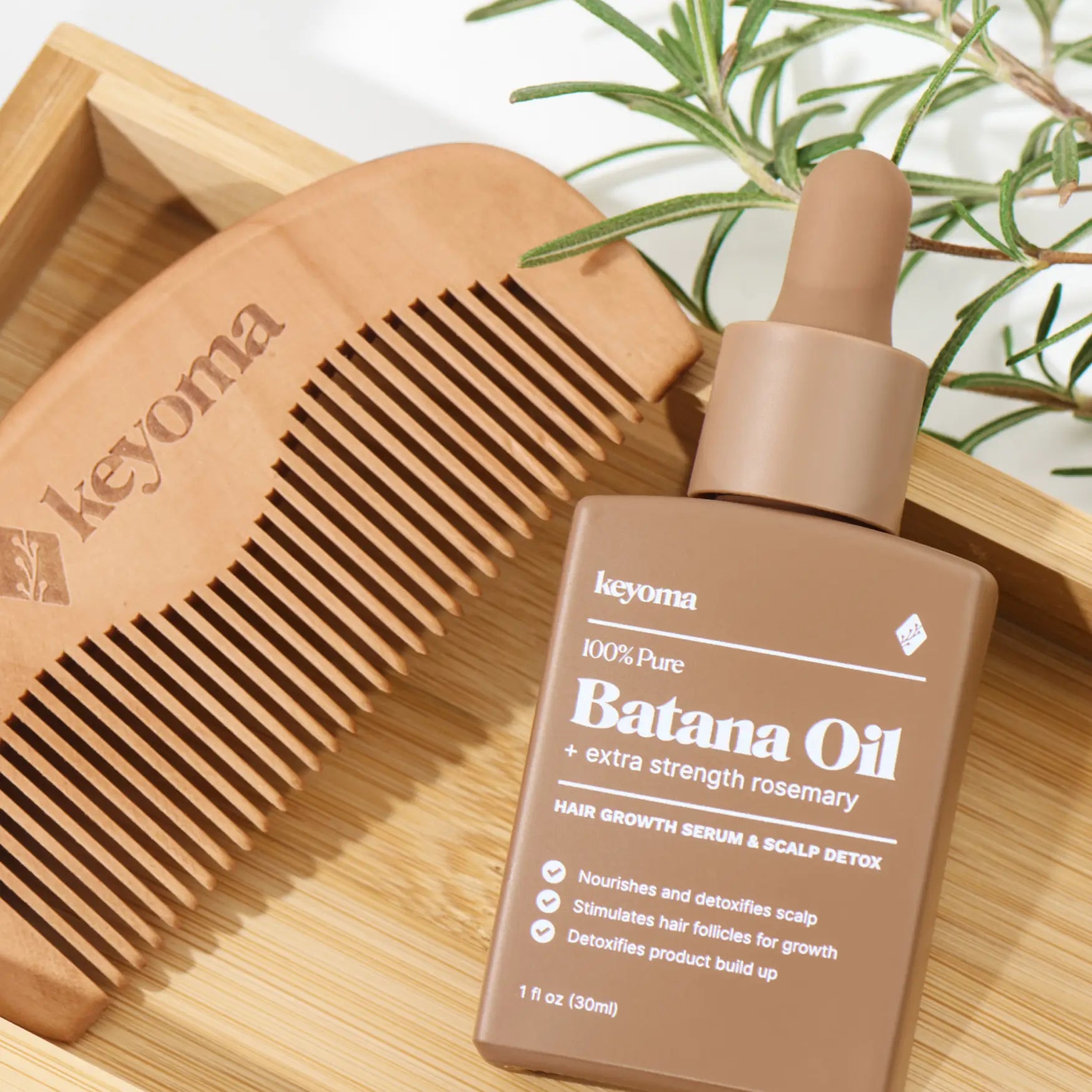
30% Off + 3 FREE Gifts
100% Pure Batana Oil + Rosemary
↓Best Batana Oil to Buy↓

1 Month
Subscribe & Save
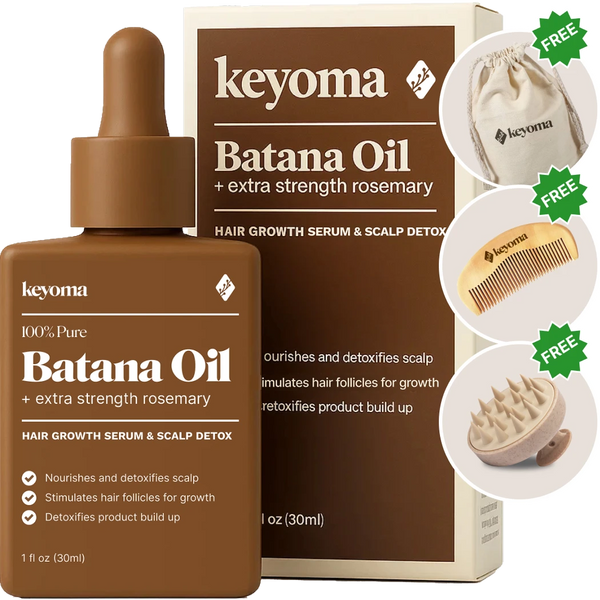


- 30-day supply delivered monthly $35
- 30% off for life $6
- Free haircare essentials kit $33
- Free custom wooden comb $10
- Free scalp massager $15
- Free eco-friendly travel bag $8
- 30-Day Money Back Guarantee
- Free Shipping
- Online portal for easy cancel, skip, or pause.
1 Month One Time Purchase
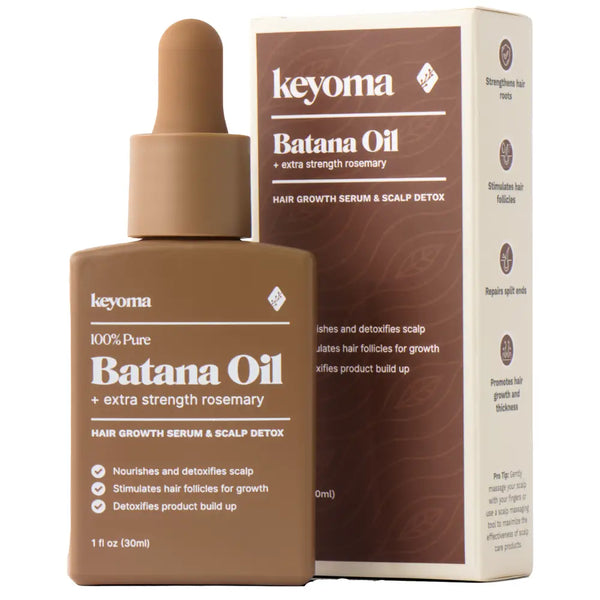
- 30-day supply $50
- 30% off for life $6
- Free haircare essentials kit $33
- Free custom wooden comb $10
- Free scalp massager $15
- Free eco-friendly travel bag $8
