

In this article
If your scalp has felt much drier lately, you are probably right. Winter often pulls moisture from the scalp the same way it dries out skin. Cold air, indoor heat, and frequent flying can all contribute, so dry scalp is usually less confusing than it first appears.
A dry scalp may feel tight, itchy, flaky, and uncomfortable, especially when it cannot hold onto enough moisture. Hair oils are often the first thing people try, but different oils work in different ways, and heavier formulas do not suit every scalp.
Here, you will look at what may truly help a dry scalp, which oils people use most often, and how newer scalp treatments can fit into a more balanced routine.
Key Takeaways
-
Dry scalp often feels tight, itchy, flaky, and uncomfortable when it lacks enough moisture.
-
Some oils moisturize more deeply, while others help calm irritation or support scalp balance.
-
Richer oils may help lock in moisture and ease irritation on very dry scalps.
-
Essential oils need dilution because strong formulas may make irritation worse.
Why Should You Use Oil for Dry Scalp?
Whether you use a carrier oil or an essential oil blend for dry scalp, you may start noticing changes within a few weeks. Natural oils such as batana and rosemary have anti-inflammatory properties that may calm irritated skin, while oils like coconut and olive contain fatty acids that help replace lost moisture.
The cause of dry scalp can differ from person to person, but oil is one option people keep coming back to. For me, richer oils tended to feel better when the scalp was at its driest. Here are some reasons people use oil for dry scalp:
-
They are naturally hydrating and may help the scalp hold onto moisture.
-
They may help balance scalp oil levels and possibly limit excess oil.
-
They can help smooth the hair cuticle, which may reduce frizz and split ends.
-
Some oils also have anti-microbial and anti-fungal properties.
-
They may help ease itching and calm inflammation.
-
They can help loosen buildup from dirt and grime.
-
Massaging oil into the scalp may boost blood flow and nutrient delivery.
10 Best Oils for Dry Scalps

A dry scalp often needs more than a mild shampoo alone. The right oil may help bring back moisture, reduce flakes, and support a healthier scalp environment.
Some oils work by deeply moisturizing the skin, while others may calm irritation or help the scalp stay balanced. Below are some of the oils people commonly use to ease dryness and improve overall scalp condition.
1. Batana Oil
Batana oil comes from the nut of the American palm tree and has been used for a long time as a nourishing treatment for dry hair and scalp. It is rich in fatty acids and antioxidants that may soften rough, flaky skin and help support the scalp barrier.
Batana oil tends to work especially well for very dry scalps because its rich, coating texture helps hold in moisture and reduce irritation. It may also improve the feel and appearance of brittle, damaged hair, leaving it smoother and shinier over time.
2. Rosemary Oil
Rosemary is a well-known essential oil often used to support scalp health and healthier-looking hair. It has anti-inflammatory and antimicrobial properties that may help calm irritation, reduce itching, and support a better scalp environment overall.
Rosemary oil is not as moisturizing as heavier carrier oils, but it may still help a dry scalp when you dilute it properly because it supports better scalp balance and may reduce irritation-related flaking. People often mix it with carrier oils to make scalp treatments gentler and more effective.
3. Burdock Oil
Burdock oil comes from burdock root, which is known for strong antioxidant properties and has been used in more holistic care approaches. It has been used for different concerns, including acne and wounds. Burdock oil may also help reduce scalp irritation, itching, and flaking.
4. Nettle Oil
Nettle has anti-inflammatory properties, so people use it to help reduce skin redness, acne, and dandruff. Stinging nettle leaves contain nutrients such as vitamins A and C, along with minerals and amino acids, that may support skin condition and help the scalp keep moisture.
5. Bakuchiol Oil
Bakuchiol oil is often described as a natural alternative to retinol. It may support collagen production, which can help skin feel smoother, and it also contains anti-inflammatory properties that may support a more balanced setting for hair growth without as much scalp flaking or irritation.
6. Jojoba Oil
Jojoba oil is taken from the seed of the jojoba plant, this oil is well known for moisturizing benefits. It contains vitamins C, B, and E, along with minerals such as copper and zinc. It may moisturize your scalp and hair follicles while helping strengthen the strands for thicker-looking hair. It also has anti-microbial and anti-inflammatory properties.
7. Coconut Oil
Coconut oil is one of the most widely used oils in the Indian subcontinent and has a long history in traditional medicine. It is often said to have anti-microbial properties because of lauric acid, and it also has anti-inflammatory qualities. It may soothe irritated skin, and its strong moisturizing effect makes it a useful option for flaky scalp care.
8. Argan Oil
Argan oil is made from the kernels of the argan tree in Morocco, this oil contains several essential nutrients that make it a strong moisturizing option. It is rich in Vitamin E, which may help reduce oxidative stress and support against premature aging. Argan oil can also act as a heat protectant for your hair and scalp. Its hydrating effect comes from oleic and linoleic fatty acids.
9. Almond Oil
A lot of people talk about almond milk, but almond oil deserves attention too. As the name suggests, it comes from almonds and contains vitamins, proteins, antioxidants, fats, and minerals. Cold-pressed almond oil keeps the most nutrients and is often the preferred form. It has strong hydrating properties that may help a dry, damaged scalp. It also contains zinc and biotin, which are involved in skin healing.
10. Tea Tree Oil
Tea tree oil is an essential oil known for antibacterial and anti-inflammatory properties, which can make it useful for dry scalp and dandruff concerns. It may help calm irritation, ease itching, and support a healthier scalp environment.
Tea tree oil may also help loosen flakes and reduce buildup that can make dryness worse. Because it is a strong essential oil, you should dilute it with a carrier oil before putting it on the scalp to avoid causing more irritation.
Use Best Oils for Dry Scalp for Lasting Relief
Dry scalp usually responds best to oils that do more than coat the surface. The real goal is not choosing the most popular option, but picking one that can both slow moisture loss and calm the scalp enough to keep it comfortable between washes. That is why both texture and function matter.
A richer oil may protect a dry scalp better, while a more active oil may help reduce irritation, and that mix is often more useful than relying on just one benefit. Batana oil stands out because of its rich, coating feel, while rosemary brings a scalp-focused benefit without replacing that moisture support.
Try pure batana oil with rosemary if you want a dry scalp treatment that feels more complete without feeling more complicated.
Featured Product
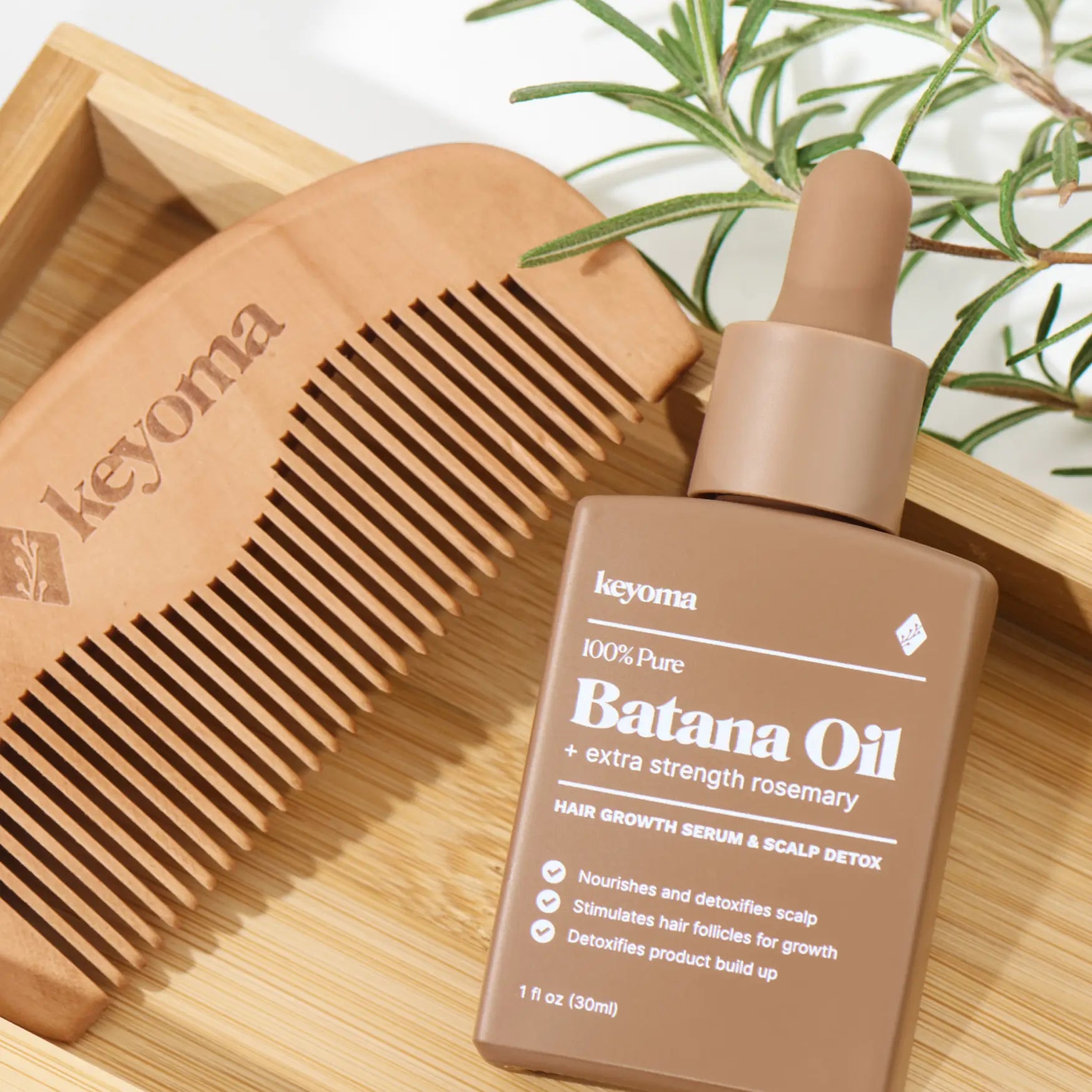
30% Off + 3 FREE Gifts
100% Pure Batana Oil + Rosemary
↓Best Batana Oil to Buy↓

1 Month
Subscribe & Save
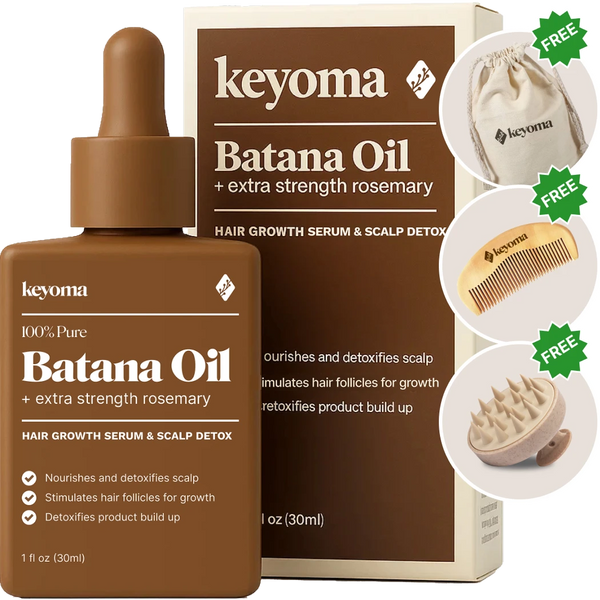


- 30-day supply delivered monthly $35
- 30% off for life $6
- Free haircare essentials kit $33
- Free custom wooden comb $10
- Free scalp massager $15
- Free eco-friendly travel bag $8
- 30-Day Money Back Guarantee
- Free Shipping
- Online portal for easy cancel, skip, or pause.
1 Month One Time Purchase
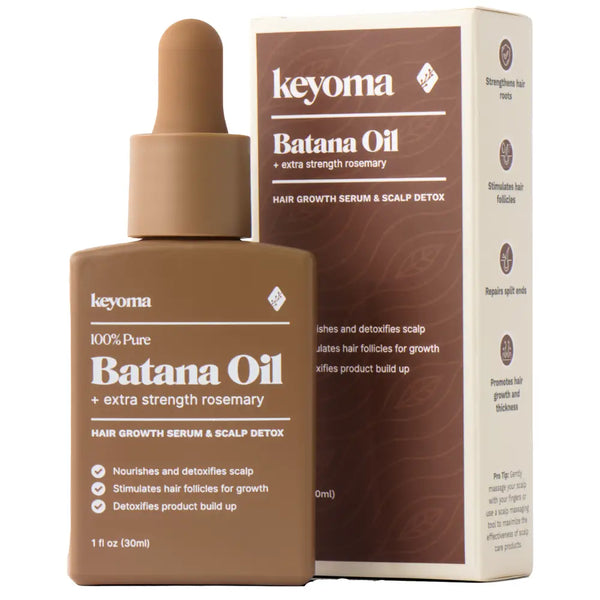
- 30-day supply $50
- 30% off for life $6
- Free haircare essentials kit $33
- Free custom wooden comb $10
- Free scalp massager $15
- Free eco-friendly travel bag $8
