

In this article
A useful pre-wash oil can make shampoo day feel a little easier, especially when your hair turns dry, frizzy, tangled, or rough after cleansing. Rather than using oil as a styling product, you apply a pre-wash hair oil before shampoo to cover the strands, soften dry-feeling hair, and lower some friction during washing and detangling.
The best pre-wash hair oils will not work the same for every person. Thick, curly, coily, damaged, or color-treated hair may do better with richer oils.
Fine hair, oily scalps, and low-density hair often need lighter oils, smaller amounts, or less frequent use. A solid routine begins with picking an oil that fits your hair’s needs, then shampooing well enough to prevent heaviness or buildup.
Key Takeaways
-
Pre-wash oiling coats hair before shampoo, which may ease dryness, tangles, and friction on wash day.
-
Richer oils fit dry, thick, curly, coily, damaged, or color-treated hair more than fine hair.
-
Lighter oils are better options for fine hair, oily scalps, or strands that flatten too easily.
-
Treat hair-growth claims carefully. Oils may help scalp comfort and hair feel, but they are not guaranteed regrowth treatments.
Benefits of Using Hair Oil Before Wash Day

A pre-wash oil treatment gives the hair a light protective coating before shampoo. Shampoo matters because it clears sweat, dirt, extra oil, and product buildup, but cleansing can leave some hair types feeling rough or dry. Oiling before washing helps limit that stripped feeling by preparing the strands before water, lather, and detangling.
People with curly, natural, or damaged hair often see the biggest change because their hair may be more prone to dryness and tangling on wash day. Pre-shampoo treatments are often used to help keep hair protected and hydrated during cleansing, especially when hair is curly, natural, or damaged.
Reduce Dryness Before Washing
Dry hair can feel worse after shampoo because cleansing removes oil from the scalp and the hair surface. A pre-shampoo oil treatment may soften hair before you wash, so shampoo feels less harsh on the lengths and ends. It does not take the place of conditioner, but it can make cleansing feel gentler.
The aim is not to drench your hair until it feels oily. A thin, even layer is usually enough. Dry, coarse, curly, or chemically treated hair may tolerate more oil, while fine hair may need only a few drops on the ends.
Shield Hair From Wash-Day Stress
Wash day can challenge fragile hair. Water makes hair more likely to stretch, while shampooing, rubbing, and detangling can add friction during cleansing. Applying oil before shampoo may help strands slide against each other with less roughness.
Coconut oil has one of the stronger evidence-based points in this area. One study found that coconut oil reduced protein loss in damaged and undamaged hair when used as a pre-wash and post-wash grooming product.
Support Softer, Easier Detangling
Tangles can tighten during shampooing, especially on curly, coily, textured, or high-friction hair. Using oil before shampoo can add slip, which may help you separate knots before the hair becomes fully wet.
When hair has been in braids, twists, buns, or protective styles, pre-wash oiling may also loosen shed hair before cleansing. Move slowly from the ends upward. Pulling through knots too fast can cause more breakage than the shampoo itself.
Soften Frizz and Add Shine
Frizz often shows more when hair is dry, raised at the cuticle, or roughed up by heat, color, brushing, or weather. A hair oil before washing may help hair feel smoother after cleansing because the strands were conditioned before shampoo.
Shine comes from a hair surface that looks smoother. Oils cannot permanently fix split ends or undo deep damage, but they can improve softness, manageability, and the look of dull hair when you use them consistently and rinse them out well.
Supports Scalp Comfort When Used Carefully
Some people apply pre-wash oil to the scalp when it feels dry or tight. That may help certain scalps, but scalp oiling is not right for everyone. Heavy oils may make greasiness, buildup, or irritation worse if your scalp already produces plenty of oil or flakes easily.
Hair oiling guidance says some people place oils on the scalp, while others apply them mostly to the ends. It also warns that scalp oiling may not suit every hair type or specific scalp need.
Helps Limit Breakage From Friction
Breakage often occurs when dry hair is washed, rubbed, brushed, or detangled without enough slip. Pre-wash oil may lower friction, especially near fragile ends, bleached sections, and older hair that has gone through more styling.
You get better results when you pair oil with gentle handling. Use your fingers or a wide-tooth comb, begin at the ends, and avoid rough scalp scrubbing through the lengths.
How Often Should You Apply a Pre-Wash Hair Oil?
No single rule fits how often you should oil hair before washing. The right frequency depends on your scalp, hair density, texture, dryness, shampoo schedule, and buildup risk. A dry, curly routine may do well with oil before most wash days, while fine or oily hair may need it only once or twice a month.
People with straight hair and oily scalps may need daily shampooing, while dry, textured, curly, or thick hair may wash less often, sometimes every 2 to 3 weeks as needed. If you wash often, apply less oil. If you wash less often, do not let oil sit on the scalp long enough to trap sweat, flakes, or product buildup too.
Try this starting point:
-
Fine or oily hair: Apply light oil to the ends once every 2 to 4 washes.
-
Medium hair with slight dryness: Use a moderate amount weekly or as needed.
-
Curly, coily, thick, or damaged hair: Apply a richer oil before wash day if hair feels dry or tangles easily.
-
Dandruff-prone or irritated scalps: Use caution with scalp oiling and do not leave heavy oils on too long.
Hair should feel softer after you wash, not coated. If roots look flat, your scalp feels itchy, or shampoo no longer cleans well, use less oil or oil less often.
Best Pre-Wash Hair Oils by Hair Need

Choosing the top pre-wash hair oils begins with texture and concern. Thick oils can work well for dry or coarse hair, but they may be too much for fine strands. Lightweight oils can soften without heaviness, but they may not feel rich enough for very dry or textured hair.
Consider each oil by its strongest role. Some work better for softness, some for shine, some for scalp-focused use, and some for lightweight slip.
Batana Oil
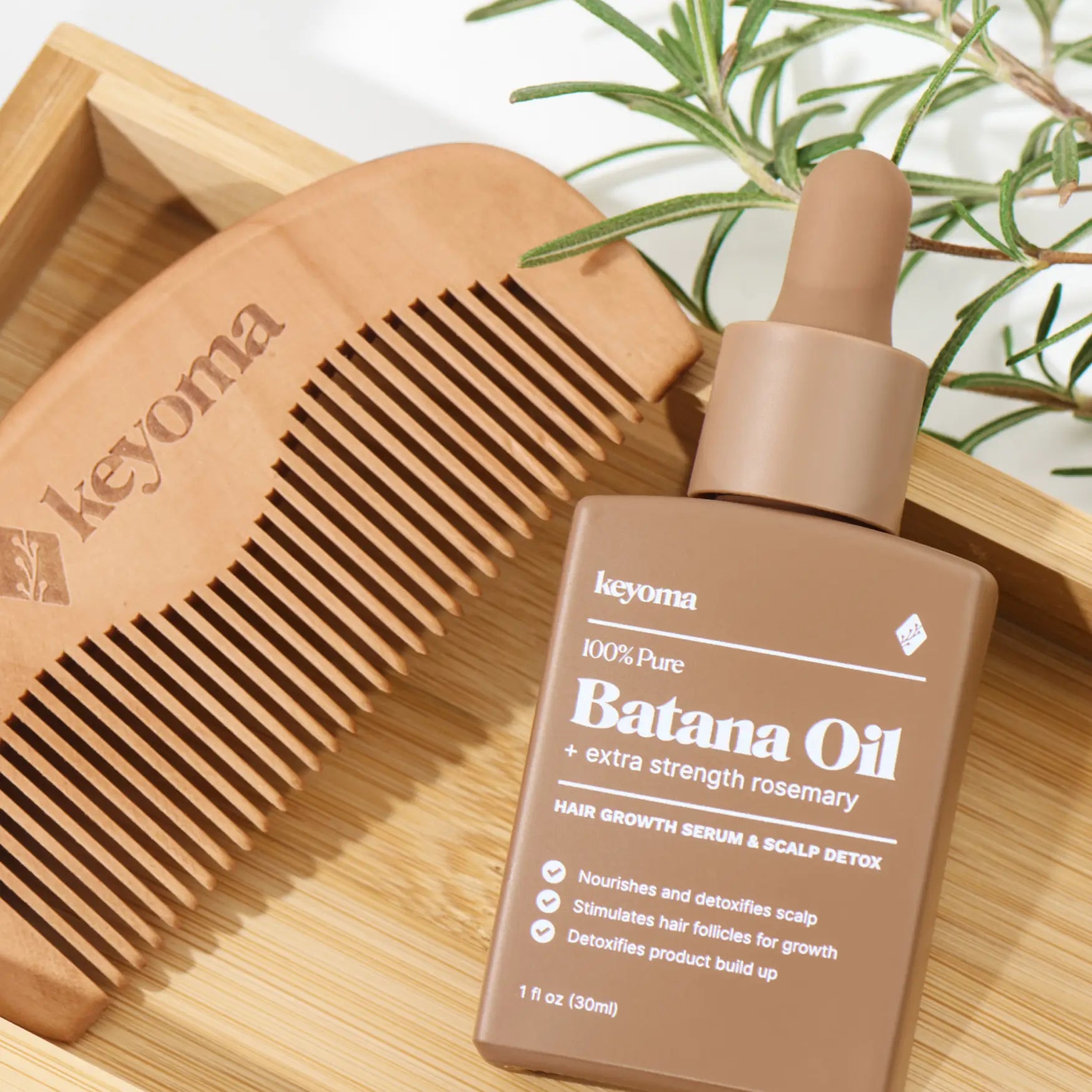
Batana oil is a rich choice for dry, brittle, thick, curly, coily, or chemically damaged hair. Its heavier texture helps when hair needs softness, shine, and a more cushioned wash-day feel. It works best as a pre-wash treatment on the mid-lengths and ends, especially when hair feels rough or fragile.
Rosemary Hair Oil
Rosemary hair oil differs from most strand-coating oils because people often discuss it as a scalp treatment. You should dilute it in a carrier oil or blend it into a gentle product before using it on the scalp. Coating the lengths with rosemary oil is not the same as massaging a diluted formula into the scalp.
Coconut Oil
Coconut oil is one of the strongest options for pre-wash protection because research supports its role in reducing protein loss in hair. It can be especially helpful for damaged, dry, porous, or textured hair that feels weak after washing.
The trade-off is weight. Coconut oil may feel too heavy or stiff on fine hair, low-density hair, or hair that dislikes richer oils. Start with a small amount, warm it between your palms, and focus on the lengths instead of the scalp if your roots get oily quickly.
Argan Oil
Argan oil is a strong option when your main goals are shine, softness, and frizz control. It usually feels smoother and more cosmetic than very heavy oils, which makes it useful for medium hair, wavy hair, dry ends, or color-treated lengths.
As a pre-wash oil, argan oil works well when hair looks dull but does not need a thick coating. Apply it through the mid-lengths and ends before shampoo, then cleanse thoroughly. Fine hair may still need a small amount, but argan oil is often easier to manage than dense oils or thick butters.
Avocado Oil
Avocado oil fits hair that feels dry, coarse, or rough from heat styling, color, or chemical processing. It feels richer than lightweight oils, but it can spread more easily than very thick options. Use avocado oil when your hair needs extra softness before shampoo, especially through the ends.
Jojoba Oil
Jojoba oil is a lighter option for people who want softness without a heavy finish. It is often a better match for fine hair, oily scalps, low-density hair, or anyone starting with pre-wash oiling. Since jojoba oil is not as rich as batana, coconut, or avocado oil, it may not be enough by itself for very dry or coarse ends. It can still work well as a scalp-friendly pre-wash oil when you use it lightly and rinse it out thoroughly.
Sweet Almond Oil
Sweet almond oil is a versatile middle-weight oil. It can support shine, softness, and smoother detangling without feeling as dense as heavier oils. It is a practical pick for medium hair, wavy hair, dry ends, and mild frizz.
Use it before shampoo when your hair feels a little rough or tangled but not extremely dry. If your scalp is sensitive or dandruff-prone, place it mostly on the lengths and ends instead of coating the scalp.
Grapeseed Oil
Grapeseed oil is one of the better picks for fine hair or hair that gets weighed down quickly. It feels lighter, spreads easily, and can add slip before shampoo without leaving as much heaviness behind.
Choose grapeseed oil when buildup risk is your main concern. It may not provide enough cushion for very thick, coily, or severely dry hair, but it is helpful for light pre-wash softness and easier detangling.
How You Use a Pre-Wash Hair Oil

A good pre-wash routine should make shampoo day easier, not leave your hair greasy afterward. The amount, placement, and rinse-out matter just as much as the oil itself. Applying too much is the most common reason people feel oiling does not work for them.
Many routines start with dry hair because oil spreads well across dry strands and can cover areas that need protection before water enters the hair. Beauty expert guidance often suggests applying oil to dry hair before shampooing and leaving it on for a short window, depending on the product and routine.
Begin With Dry or Lightly Damp Hair
Dry hair is usually the easiest start for a pre-wash oil treatment. You can spot dull, rough, or frizzy areas, then apply oil where needed. I noticed sectioning first kept me from over-oiling one side. Lightly damp hair can also work if your hair is dense or hard to section, but soaking wet hair may make even distribution harder.
Section your hair before you apply oil. Even two to four loose sections can help stop over-application in one spot while missing dryness somewhere else.
Apply Oil Based on Your Hair Needs
Fine hair requires less oil than thick hair. Oily scalps need less oil on the scalp than dry scalps. Curly, coily, and damaged hair often need more care through the ends because those areas are older and more fragile.
Use this as guidance:
-
Fine hair: Use a few drops on the ends only.
-
Wavy or medium hair: Smooth a light layer from mid-lengths to ends.
-
Curly or coily hair: Work in sections and cover dry spots evenly.
-
Damaged or color-treated hair: Target rough, porous, or fragile ends.
-
Dry scalp: Apply a small amount to the scalp only if oiling does not cause buildup or irritation.
Start small. For me, waiting before adding more kept the finish lighter. Add oil after first layer settles.
Keep It On Long Enough to Coat the Hair
Pre-wash oil does not have to stay on all day to help. Some routines use 5 to 10 minutes, while thicker or drier hair may do better with a longer window before shampoo. The right timing depends on oil weight, your hair texture, and how quickly your hair gets greasy.
Do not leave heavy oil on an oily, flaky, or irritated scalp for long stretches. More time is not always helpful, especially when your scalp tends to build up residue. For most people, hair should feel coated and softer, not saturated.
Shampoo Thoroughly Without Over-Stripping Hair
The oil needs to rinse away cleanly. Apply shampoo mainly to your scalp, let the lather travel through the lengths, and rinse well. If hair still feels coated, I noticed a second gentle shampoo worked better than rubbing the ends.
Follow with conditioner. Pre-wash oil prepares hair before cleansing, but conditioner still helps softness, detangling, and manageability after shampoo. Hair that feels heavy once dry likely needs less oil, a lighter oil, or a more thorough rinse the next time.
FAQs
Why should pre-wash hair oiling be part of your routine today?
Pre-wash oiling may help if shampoo leaves your hair dry, rough, tangled, or frizzy. It gives hair a conditioning step before cleansing, which can help reduce wash-day stress and make detangling feel smoother.
What is pre-wash hair oiling, and why does it matter?
Pre-wash hair oiling means applying oil before shampoo. People also call it a pre-shampoo oil treatment or pre-poo oiling. The oil coats hair before cleansing, which can soften strands and reduce the dry feeling some people notice after shampoo.
How often should you use pre-wash hair oil?
Use pre-wash oil as often as your hair and scalp can handle it. Dry, thick, curly, or damaged hair may benefit before most wash days. Fine hair or oily scalps may need it only from time to time.
Which oils work best for pre-wash hair treatments?
The best oil depends on what your hair needs. Batana oil, coconut oil, and avocado oil are richer choices for dry, thick, curly, coily, or damaged hair. Argan oil and sweet almond oil help with softness, shine, and frizz control. Jojoba oil and grapeseed oil are lighter choices for fine hair or buildup-prone routines.
Can pre-wash hair oiling support hair growth?
Pre-wash oiling may support scalp comfort and lower breakage from dryness or friction, but you should not view it as a guaranteed hair-growth method. Hair may look fuller or healthier when it breaks less, but that is different from proven regrowth.
Should you apply oil to dry or wet hair before washing?
Dry hair usually works best for pre-wash oiling because oil can cover the strands before shampoo. Lightly damp hair may work if you need help spreading the oil, especially on dense or curly hair.
Choose Top Pre-Wash Hair Oils for Softer Hair
Use pure batana oil before shampoo when your hair needs a richer buffer against dryness and rough cleansing. You do not have to turn oiling into a long treatment to make it worthwhile. Some routines use 5 to 10 minutes, which matters because the goal is controlled softness, not saturation.
A good oil will help hair feel more manageable after washing while still rinsing clean enough to keep movement and lightness. When your strands feel brittle, frizzy, or harder to detangle, choosing a rich oil before cleansing can make wash day feel less harsh and more deliberate.
Featured Product
30% Off + 3 FREE Gifts
100% Pure Batana Oil + Rosemary
↓Best Batana Oil to Buy↓

1 Month
Subscribe & Save
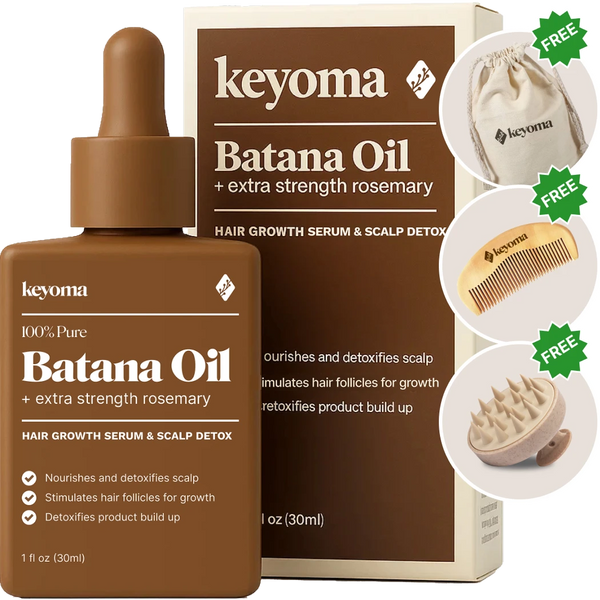


- 30-day supply delivered monthly $35
- 30% off for life $6
- Free haircare essentials kit $33
- Free custom wooden comb $10
- Free scalp massager $15
- Free eco-friendly travel bag $8
- 30-Day Money Back Guarantee
- Free Shipping
- Online portal for easy cancel, skip, or pause.
1 Month One Time Purchase
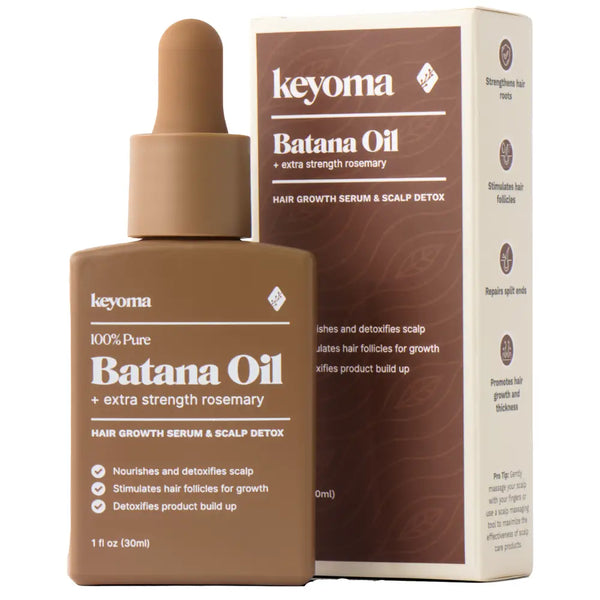
- 30-day supply $50
- 30% off for life $6
- Free haircare essentials kit $33
- Free custom wooden comb $10
- Free scalp massager $15
- Free eco-friendly travel bag $8
