Castor Oil Substitute: The Best Alternatives for Hair
Written by

Published on May 01, 2026

In this article
Castor oil is popular for dry hair and scalp routines, but it is not always the easiest oil to use. Its thick texture can feel sticky, heavy, or hard to rinse, especially on fine hair, oily scalps, low-porosity hair, or hair that already has product buildup.
The best castor oil substitute depends on why you want to replace it. If you want a rich oil that still feels nourishing but less awkward than pure castor oil, batana oil is the best overall alternative to consider. If you need something lighter, jojoba, argan, grapeseed, coconut, almond, or diluted rosemary oil may fit better.
Castor oil also deserves realistic expectations. Pure castor oil is not a proven hair-growth solution, and it may cause clogged pores, scalp irritation, or rare matting issues for some people. That does not mean castor oil is useless. It means your substitute should match your hair’s texture, scalp condition, and routine instead of chasing exaggerated growth claims.
Key Takeaways
-
Batana oil is the best castor oil substitute if you want a rich, conditioning oil for dry, rough, frizzy, curly, or coily hair.
-
Jojoba or grapeseed oil may be better if castor oil feels too sticky, greasy, or heavy.
-
Rosemary oil is not a direct castor oil substitute because it is an essential oil and must be diluted in a carrier oil.
-
No hair oil should be treated as a guaranteed cure for hair loss, regrowth, scalp disease, or breakage.
Why People Look for Castor Oil Alternatives
Most people do not replace castor oil because it is “bad.” They replace it because the texture does not fit their hair. Castor oil is very thick, and that thickness can turn a simple hair oiling routine into a greasy or sticky mess.
Hair type makes the difference. Fine or straight hair may look flat after only a few drops. Low-porosity hair may feel coated because oil sits on the surface. Oily or acne-prone scalps may feel congested when heavy oils are left on too long.
Castor oil can also be hard to rinse. If you use too much, you may need extra shampoo to remove it, which can leave the hair feeling dry afterward. That creates a frustrating cycle: you oil because your hair feels dry, then you shampoo harder to remove the oil, then your hair feels dry again.
There is also a safety reason to be careful. Very thick oils should be used carefully, especially on long, tangle-prone hair. Heavy oiling can make strands cling together, and rough washing afterward can make tangles worse.
How to Choose the Right Castor Oil Alternative
A good castor oil substitute should match the reason you are replacing castor oil. Do not choose an oil only because it is trending. Choose it because its texture and use case make sense for your hair.
If castor oil feels sticky, choose a lighter oil. If it feels too hard to rinse, use a pre-shampoo oil instead of a leave-in. If your scalp gets clogged, keep oils off the scalp and focus on the mid-lengths and ends.
Use this simple filter before choosing:
-
For dry, thick, curly, or coily hair, choose batana, coconut, avocado, or almond oil.
-
For fine or oily hair, choose jojoba, grapeseed, or a very small amount of argan oil.
-
For frizz and rough ends, choose batana, argan, almond, or coconut oil.
-
For scalp-focused routines, use a carrier oil with properly diluted rosemary oil.
-
For low-porosity hair, choose lighter oils or short pre-shampoo oiling.
Basic hair care habits still matter more than any single oil. Choose products based on your hair type, wash based on how oily or dirty your hair gets, shampoo mainly at the scalp, and condition the lengths after washing.
Best Castor Oil Alternatives for Hair

Each castor oil alternative has a different texture, weight, and best use case. Start with the oil that solves your main issue first, whether that is stickiness, buildup, dryness, frizz, or scalp comfort. The goal is not to collect more oils, but to find the one your hair can use without feeling coated.
Batana Oil
Batana oil is the best overall castor oil substitute if you want a natural-feeling oil that supports softness, shine, and manageability. It is especially useful when castor oil feels too sticky but you still want a rich oil for dry hair.
Batana oil makes the most sense for dry, brittle, thick, curly, coily, textured, or chemically processed hair that needs a richer oiling step. Fine or oily hair may still find it too heavy, so the amount matters.
Choose pure batana oil when you want a more wearable substitute for castor oil’s heavy texture. Use it as a pre-wash oil, scalp massage oil if your scalp tolerates it, or a small amount on dry ends.
Jojoba Oil
Jojoba oil is a good substitute when castor oil feels too greasy or sticky. It is lighter than castor oil and easier to spread through fine, straight, or oily-prone hair.
Jojoba is often used in hair routines because it feels closer to the scalp’s natural oil than very heavy carrier oils. That does not make it a miracle oil, but it can make the routine easier. If your main complaint is that castor oil makes your hair feel coated, jojoba is one of the first lighter alternatives to try.
Use jojoba on damp ends, as a small scalp oil, or as a carrier oil for diluted rosemary oil. Start with a few drops. Fine hair usually needs less than you think.
Argan Oil
Argan oil is a strong option when your main concern is frizz, dullness, or rough ends. It usually feels more polished than castor oil and works well in small amounts after styling.
Argan oil is not the best match if you want a heavy pre-shampoo oil. It is better as a finishing oil or mid-lengths-and-ends oil. A few drops can smooth the look of dry hair without the thick, tacky feel that castor oil can leave behind.
Keep the expectation realistic. Argan oil can help hair look smoother and feel softer, but it should not be framed as a hair-loss treatment.
Coconut Oil
Coconut oil is a good castor oil substitute when you want a pre-shampoo oil. It is commonly used before washing because it can coat the hair and help reduce the rough, dry feeling that some people get after cleansing.
Coconut oil is not perfect for everyone. Some hair feels stiff or coated after coconut oil, especially low-porosity hair or hair that dislikes heavier oils. If coconut oil makes your hair feel crunchy, use batana, argan, jojoba, or almond instead.
Use coconut oil before shampooing rather than as a daily leave-in. Apply a small amount to the lengths, leave it for 20 to 60 minutes, then shampoo and condition.
Rosemary Oil
Rosemary oil comes up often as a castor oil alternative, but it is not a direct substitute. Castor oil is a carrier oil. Rosemary oil is an essential oil, which means it must be diluted before scalp use.
Rosemary oil may be useful in a scalp-focused routine, but more is not better. Undiluted essential oils can irritate the scalp, especially if your skin is sensitive or already inflamed.
The better routine is to use rosemary inside a carrier oil. Batana oil with rosemary fits this role well for people who want a rich oil routine. Jojoba or grapeseed oil may fit better for people with fine or oily hair.
Grapeseed Oil
Grapeseed oil is a practical castor oil substitute when you want something lighter, smoother, and easier to rinse. It works well for people who do not need a very rich coating, especially fine, oily, or easily weighed-down hair.
Its main value is texture. Grapeseed oil spreads more easily than castor oil and can also work as a blending oil if you still want to use castor oil occasionally. Mix one part castor oil with two or three parts grapeseed oil to make the blend feel less sticky.
Almond Oil
Almond oil is a better fit when you want a castor oil alternative that feels a little more nourishing than grapeseed oil. It can work well for dry ends, waves, curls, and medium-density hair that needs softness without the thick feel of castor oil.
Use almond oil alone on the ends or as part of a pre-shampoo routine. Start with a small amount because it is still richer than very lightweight oils, and too much can make the hair feel coated.
How to Replace Castor Oil in Your Routine
Switching from castor oil does not require a complicated routine. Replace the role castor oil played instead of adding more steps.
If you used castor oil as a pre-wash treatment, replace it with batana oil, coconut oil, almond oil, or diluted rosemary in a carrier oil. Leave it on for 20 minutes to 2 hours, then shampoo the scalp and condition the lengths.
If you used castor oil as a scalp oil, switch carefully. Use less oil, apply it in parted sections, and avoid leaving heavy oils on the scalp for too long if you are oily, acne-prone, dandruff-prone, or sensitive.
If you used castor oil on dry ends, switch to batana, argan, jojoba, or almond oil. Warm a few drops between your palms first. Smooth the oil over the ends instead of pouring it directly onto the hair.
A good starting routine looks like this:
-
Choose one oil based on your hair type.
-
Apply a small amount to the driest area first.
-
Wait to see how your hair feels after drying.
-
Increase only if your hair still feels dry.
-
Wash more thoroughly if hair feels coated or flat.
The goal is not to make your hair look oily. The goal is softer hair that still moves.
FAQs
What is the best castor oil substitute for hair?
The best castor oil substitute for hair is batana oil if you want a rich, conditioning oil for dry, frizzy, textured, or rough-feeling hair. Jojoba or grapeseed oil may be better if your hair is fine, oily, or easily weighed down.
What oil is closest to castor oil?
Batana oil is one of the closest castor oil alternatives if you want a rich hair oil, but it should not be treated as identical. Castor oil is known for its thick, sticky feel, while batana oil works better as a conditioning oil for softness, shine, and manageability.
Can I use batana oil instead of castor oil?
Yes, you can use batana oil instead of castor oil if your goal is to condition dry hair, soften rough ends, or support a scalp-care routine. Use a small amount first because batana oil is still rich and may feel heavy on fine or oily hair.
Is rosemary oil a castor oil substitute?
Rosemary oil is not a direct castor oil substitute because it is an essential oil, not a carrier oil. Dilute rosemary oil in a carrier oil such as batana, jojoba, grapeseed, or almond oil before applying it to the scalp.
What is the best lightweight castor oil alternative?
Jojoba oil is one of the best lightweight castor oil alternatives for people who dislike sticky or greasy hair oils. Grapeseed oil is another good option if you want a simple oil that spreads easily and rinses more cleanly than castor oil.
Should I stop using castor oil if it works for my hair?
You do not need to stop using castor oil if your hair responds well and your scalp feels comfortable. Use less, dilute it, or reserve it for pre-shampoo treatments if it starts feeling sticky, heavy, or hard to remove.
Conclusion
The best castor oil substitute is not the same for everyone. Batana oil is the best overall alternative if you want a rich, nourishing oil for dry, rough, frizzy, curly, coily, or textured hair. It gives you a strong conditioning angle without forcing castor oil’s sticky texture into your routine.
Choose lighter oils if your hair gets weighed down easily. Jojoba and grapeseed are better for fine or oily hair. Argan is better for shine and frizz. Coconut works best as a pre-shampoo option for hair that responds well to it. Rosemary belongs in a diluted scalp routine, not directly on the scalp by itself.
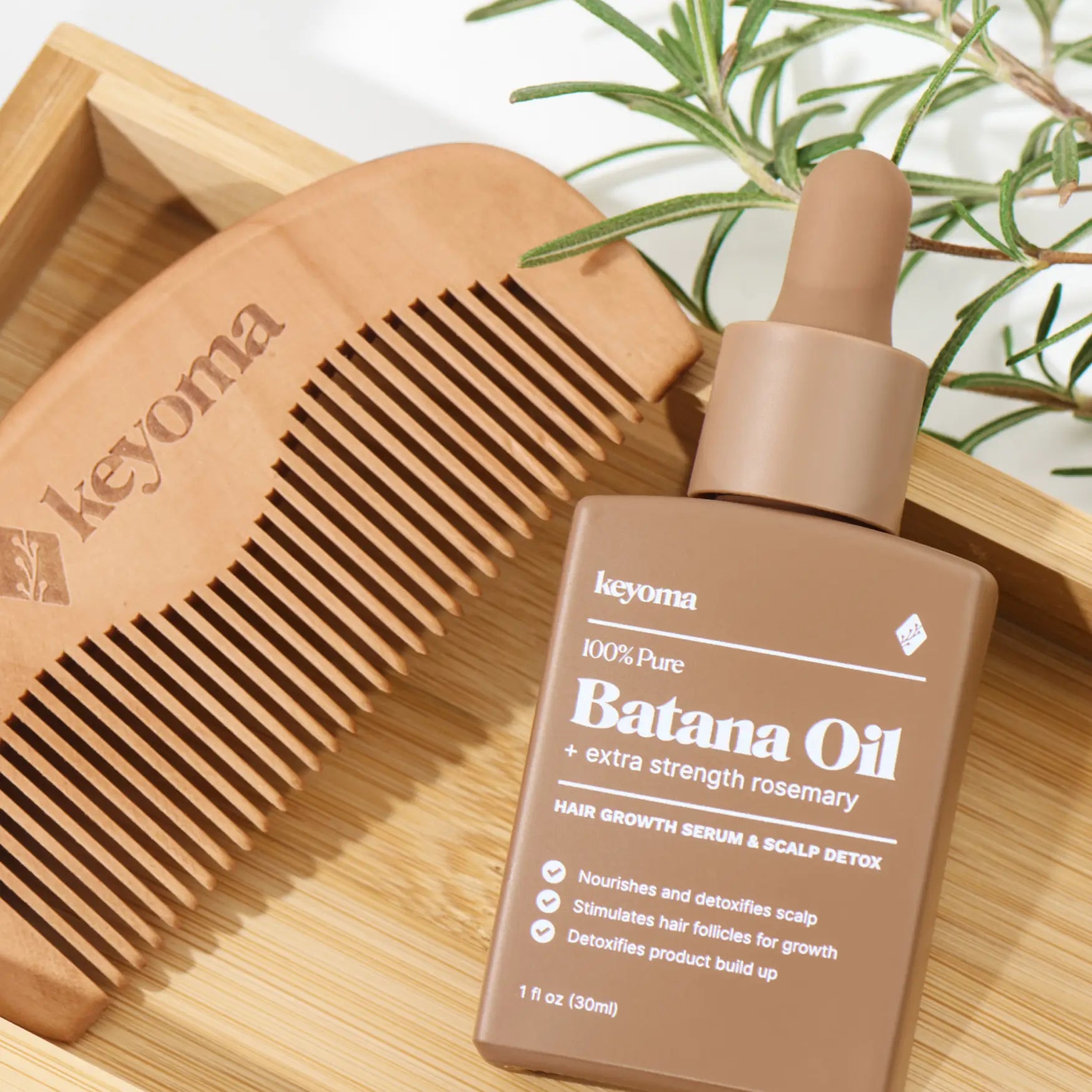
For a natural switch, start with Keyoma Pure Batana Oil & Rosemary Oil if castor oil feels too sticky but your hair still needs a rich oiling step. Keep the routine simple: use a small amount, focus on dry areas, rinse well when needed, and let your hair’s response guide the next use.
Featured Product
30% Off + 3 FREE Gifts
100% Pure Batana Oil + Rosemary
↓Best Batana Oil to Buy↓

1 Month
Subscribe & Save
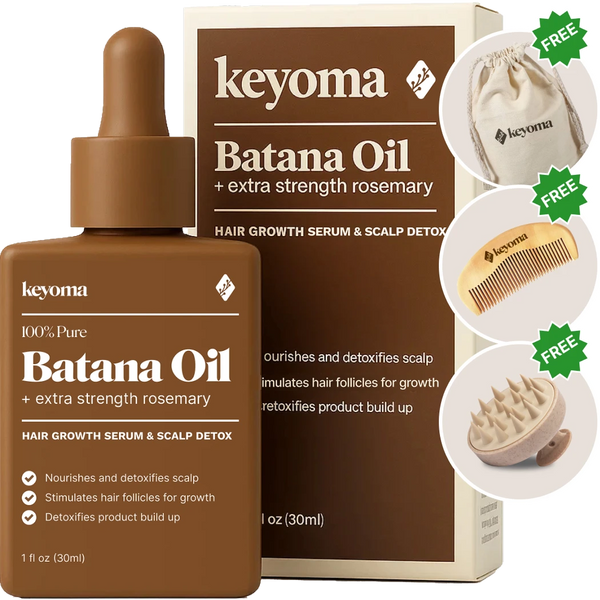


- 30-day supply delivered monthly $35
- 30% off for life $6
- Free haircare essentials kit $33
- Free custom wooden comb $10
- Free scalp massager $15
- Free eco-friendly travel bag $8
- 30-Day Money Back Guarantee
- Free Shipping
- Online portal for easy cancel, skip, or pause.
1 Month One Time Purchase
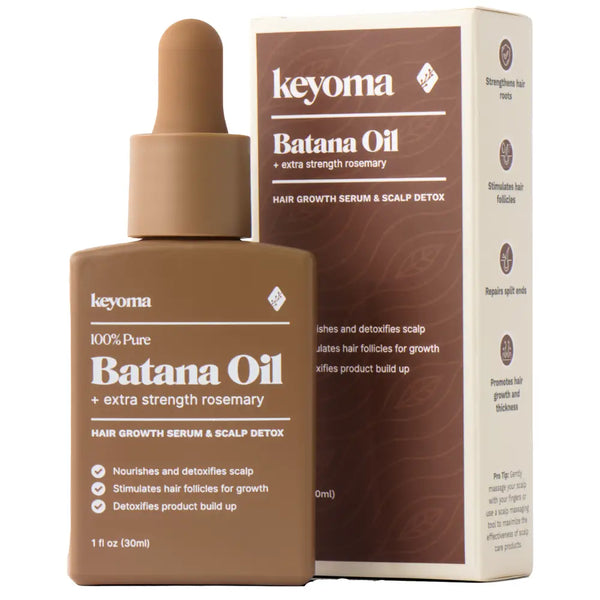
- 30-day supply $50
- 30% off for life $6
- Free haircare essentials kit $33
- Free custom wooden comb $10
- Free scalp massager $15
- Free eco-friendly travel bag $8
