Coconut Oil Substitute for Hair: Better Oils by Hair Need
Written by

Published on Apr 23, 2026

In this article
Coconut oil works very well for some people, but it is not the right hair oil for everyone. On some hair types, it can feel too heavy, sit on the surface, create buildup, or make the hair look greasy sooner than expected. That is usually when people start wanting something lighter, smoother, or easier to use more often.
The better replacement depends on what you actually need the oil to do. Some oils work better for daily frizz control. Some are better for dry ends. Some make more sense for scalp comfort or thinning concerns. The smartest substitute is not the one most similar to coconut oil. It is the one that matches your hair texture, porosity, and routine.
Key Takeaways
-
Coconut oil may feel too heavy, waxy, or greasy on some hair types.
-
Better substitutes depend on hair texture, porosity, scalp needs, and how often you oil.
-
Lighter oils may suit fine, low-porosity, or easily weighed-down hair better.
-
Richer oils may better support dryness, roughness, breakage, and deeper moisture needs.
Why Switch From Coconut Oil?
People usually replace coconut oil when it feels too heavy on their hair. It can leave some hair types coated, greasy, stiff, or more likely to collect buildup, especially when the strands are fine, low porosity, or easily weighed down.
Low-porosity hair is a common reason people make the switch. Because the cuticle is packed more tightly, richer oils may sit on top instead of blending in comfortably, which is why lighter options often feel smoother and easier to use.
Replacing coconut oil makes sense when you want an oil that feels lighter, sits more comfortably, or works better for regular use without dragging the hair down.
9 Best Coconut Oil Substitutes for Hair

A good substitute should solve the problem coconut oil is not solving. That may mean less weight, better scalp comfort, smoother daily use, or a richer finish that feels less waxy on your hair type.
Batana Oil
Batana oil is one of the strongest substitutes when the hair needs more than light smoothing. It is especially useful when coconut oil does not feel conditioning enough and the hair still feels dry, brittle, coarse, or heavily processed after use.
Its strength is depth. Batana gives the hair a richer, more cushioned feel, which makes it a better fit for deeper moisture support than for quick daily shine. For me, it worked better when the hair needed softness that lasted beyond the first few hours. If your routine needs a more intensive oil for softness, flexibility, and protection, batana is often the better step up from coconut oil.
Argan Oil
Argan oil is one of the best all-around substitutes for coconut oil because it gives softness and frizz control without the same heavy feel. It is lighter, smoother, and easier to use often, which makes it a strong choice for people who want daily polish instead of a deeper treatment.
It usually works well on frizz, dullness, mild dryness, and rough texture. If coconut oil makes your hair feel coated, argan often leaves a more flexible finish. It is especially helpful for fine, medium, or low-porosity hair that still wants shine and slip.
Jojoba Oil
Jojoba oil is technically a liquid wax rather than a true oil, and that is part of why it often feels lighter and cleaner on the scalp. It is one of the better scalp-oil alternatives to coconut oil when the issue is imbalance, mild dryness, or a greasy feel that shows up too fast.
It is not the richest option in this group, but it is one of the easiest to use without overdoing it. If coconut oil feels too intense at the roots, jojoba is often a better match for scalp care and light smoothing through the lengths.
Almond Oil
Almond oil is a strong replacement when the goal is softness without heaviness. It sits between ultra-light oils and richer treatment oils, which makes it useful for dry or damaged hair that still needs a smoother, more wearable finish.
It is a good choice for people who want a hair oil substitute for coconut oil that still feels nourishing but not thick. If you want less frizz, more slip, and a gentler oil for regular use, almond oil is one of the easiest swaps to make.
Avocado Oil
Avocado oil makes more sense when the hair is deeply dry and needs a richer moisture feel, but you still want something that spreads more easily than coconut oil. It is usually more comfortable as a treatment oil or pre-wash oil than as a light finishing oil.
This is a better option for dry, damaged, or coarse hair than for fine hair. If your strands need softness and flexibility and coconut oil feels too stiff or sits too heavily, avocado oil can be a more forgiving rich alternative.
Olive Oil
Olive oil is another richer replacement, but it behaves differently than coconut oil. It can soften rough hair well and works best when the lengths feel dry, rigid, or frizzy. It is better suited for thick, curly, coily, or very dry hair than for hair that gets weighed down easily.
If your hair likes richer oils but coconut oil leaves an unpleasant heavy film, olive oil can be worth trying in smaller amounts. It works more like a treatment or pre-wash option than a daily-use oil for most people.
Grapeseed Oil
Grapeseed oil is one of the best coconut oil substitutes if your main problem is weight. It is light, smooth, and usually easier to use on fine hair, thin hair, or low-porosity hair that does not tolerate rich oils well.
It works best for shine, light frizz control, and a softer finish without buildup. If you want a non-greasy hair oil that feels easy to use between washes, grapeseed is one of the cleanest swaps.
Sunflower Oil
Sunflower oil is a gentle middle-ground option. It is lighter than coconut oil, generally lower risk in feel, and useful for softening frizz and dryness without creating as much heaviness. It is not usually the strongest treatment oil, but it is one of the easiest to keep in a regular routine.
That makes it a good option when coconut oil feels like too much but ultra-light oils do not feel nourishing enough. It works well for people who want smoother hair and less roughness without a greasy finish.
Rosemary Oil
Rosemary oil is not a direct substitute for coconut oil if your main issue is dry strands. It works more as a scalp-focused option, especially when the concern is thinning, shedding, or a scalp routine rather than softness through the lengths.
Because it is an essential oil, it should be diluted before use. Rosemary makes the most sense when you want a smarter scalp-oil alternative to coconut oil, not when you need a richer conditioning oil. If the question is scalp care and thinning concerns, rosemary is often the better direction.
Which Coconut Oil Substitute Is Best for Your Hair Type

The best substitute becomes clearer when you stop comparing oils as one group and start matching them to the way your hair actually behaves.
Low-Porosity Hair
Low-porosity hair often struggles more with buildup than with a lack of rich ingredients. Oils that are lighter or easier to spread usually perform better here because they are less likely to sit heavily on the surface.
Argan, jojoba, and grapeseed are usually the strongest choices in this category. They support shine and softness without making the hair feel coated too quickly. If the hair still needs more moisture support, a small amount of almond or sunflower oil can also work well.
Fine or Easily Weighed-Down Hair
Fine hair usually needs softness, control, and smoothness without losing movement. That is where coconut oil can become frustrating. It may feel helpful at first, then flatten the hair or leave it greasy sooner than expected.
Argan, grapeseed, and jojoba are usually the easiest wins here. They are lighter, easier to distribute, and more realistic for regular use. I noticed fine hair looked better when the oil disappeared quickly instead of sitting on top. Almond oil can also work when the hair is a little dry but still gets weighed down easily.
Dry, Frizzy, or Damaged Hair
When the hair is dry, brittle, rough, or damaged, the goal shifts. Weight matters less than protection, softness, and reduced breakage. That is where richer substitutes make more sense.
Batana, avocado, and olive oil fit this category best. Batana is especially useful when the hair feels overworked and needs a more deeply conditioning finish. Avocado and olive both work well when dryness is the main issue and the hair can handle a richer treatment oil.
Scalp Care and Thinning Concerns
If the concern is the scalp rather than the hair shaft, coconut oil is often not the smartest first move. Scalp routines usually need oils that feel lighter, more targeted, or more compatible with frequent use.
Jojoba is a strong option when the scalp needs balance without too much heaviness. Rosemary is the more directed option when the concern is thinning or a scalp-care routine. Batana can still fit here, but more as a supportive oil for dryness than as the main answer for thinning.
How to Choose the Right Oil for Your Hair Goals

Choosing the right substitute gets easier when you look at three things first: how your hair feels, how your strands behave, and how often you realistically plan to use the oil.
Hair Texture
Texture changes how much weight the hair can tolerate. Fine or straight hair usually does better with lighter oils that disappear more easily into the hair. Coarse, curly, or more textured hair can usually handle richer oils without looking flat.
That is why the same oil can feel perfect on one person and too heavy on another. Texture sets the ceiling for how rich the product can be before it starts working against you.
Strand Needs
Some hair needs moisture. Some needs less breakage. Some needs frizz control. Some needs scalp comfort. Those are not the same problem, and they do not need the same oil. If your strands are dry and fragile, choose a richer substitute like batana, avocado, or olive.
If they are mostly frizzy or dull, choose something smoother and lighter like argan or almond. If the issue starts at the scalp, move toward jojoba or rosemary instead of treating the whole head like it needs a deep oil treatment.
Oiling Frequency
The more often you plan to oil, the lighter the oil usually needs to be. Rich oils can work beautifully once or twice a week, but they are harder to manage as daily products unless the hair is very dry and can handle that level of coating.
For frequent use, argan, jojoba, grapeseed, and sometimes almond make the most sense. For occasional treatment use, batana, avocado, olive, and coconut-style replacements are usually more practical. Matching the oil to how often you will actually use it keeps the routine realistic.
Choose Coconut Oil Substitute for Hair by Need
The best coconut oil substitute for hair depends on what you want the oil to improve. If the problem is heaviness, buildup, or a greasy finish, lighter oils like argan, jojoba, grapeseed, and almond are often the smarter move. If the issue is dryness, roughness, or damage, richer oils like batana, avocado, or olive usually make more sense.
Some oils are better for the scalp, some are better for the strands, and some are better as occasional treatments than as everyday products. Once you choose by hair need instead of ingredient reputation, the answer usually gets much clearer.
If coconut oil has never felt quite right on your hair, it may simply mean your hair needs a better fit. For routines that need more depth, softness, and richer support, batana oil stands out as one of the strongest upgrades from coconut oil.
Featured Product
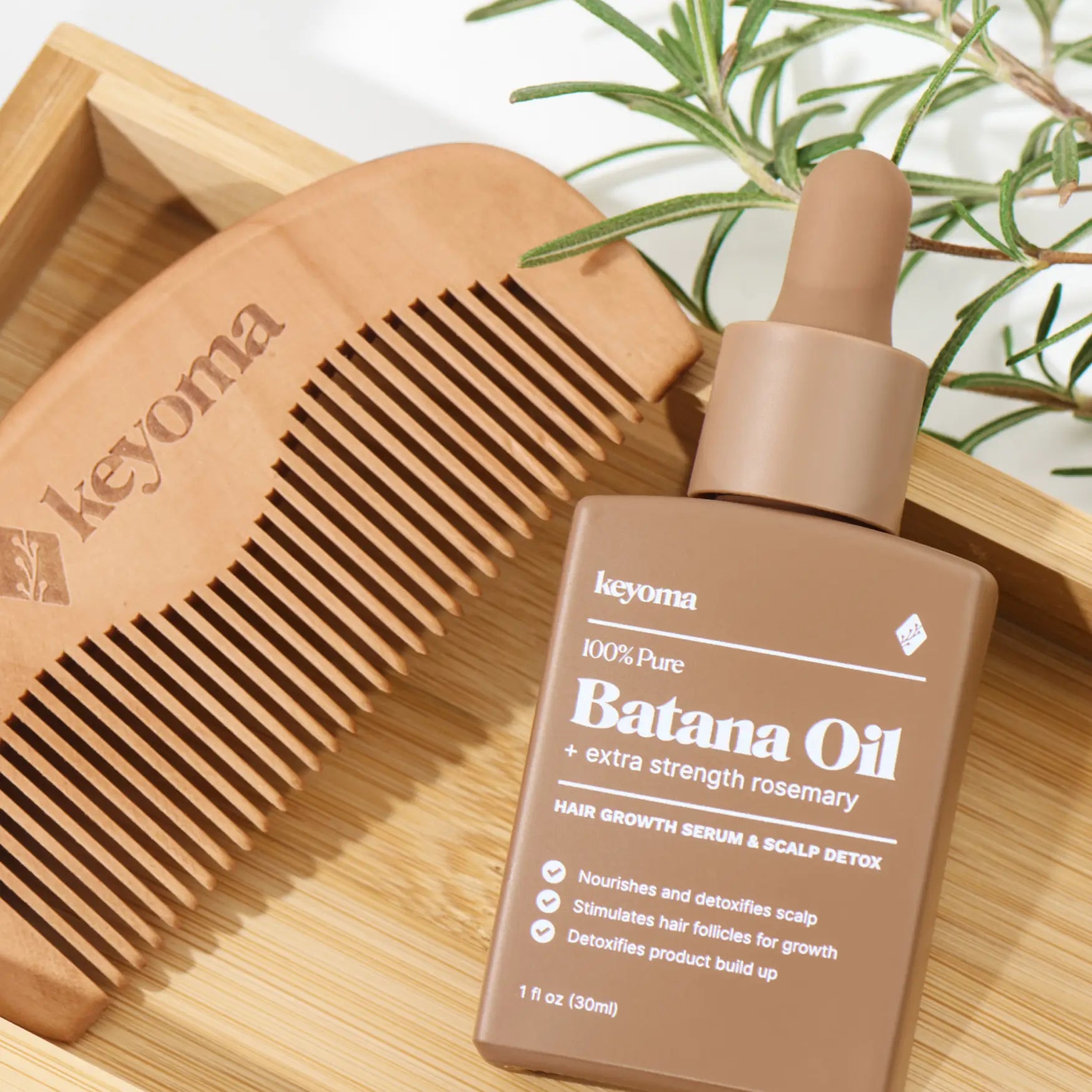
30% Off + 3 FREE Gifts
100% Pure Batana Oil + Rosemary
↓Best Batana Oil to Buy↓

1 Month
Subscribe & Save
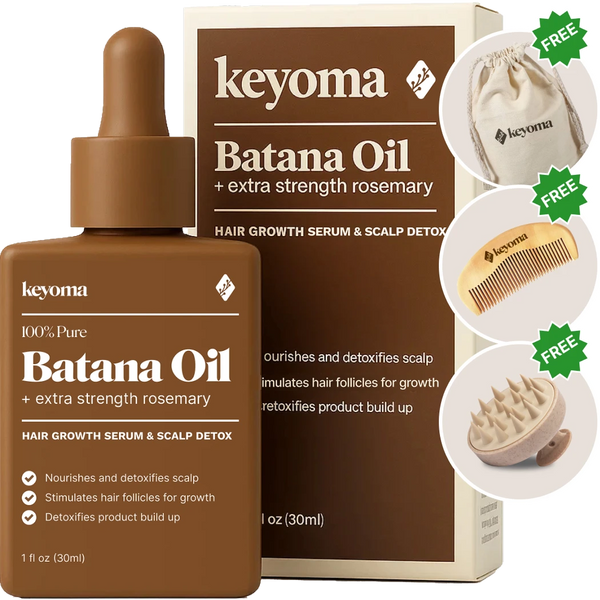


- 30-day supply delivered monthly $35
- 30% off for life $6
- Free haircare essentials kit $33
- Free custom wooden comb $10
- Free scalp massager $15
- Free eco-friendly travel bag $8
- 30-Day Money Back Guarantee
- Free Shipping
- Online portal for easy cancel, skip, or pause.
1 Month One Time Purchase
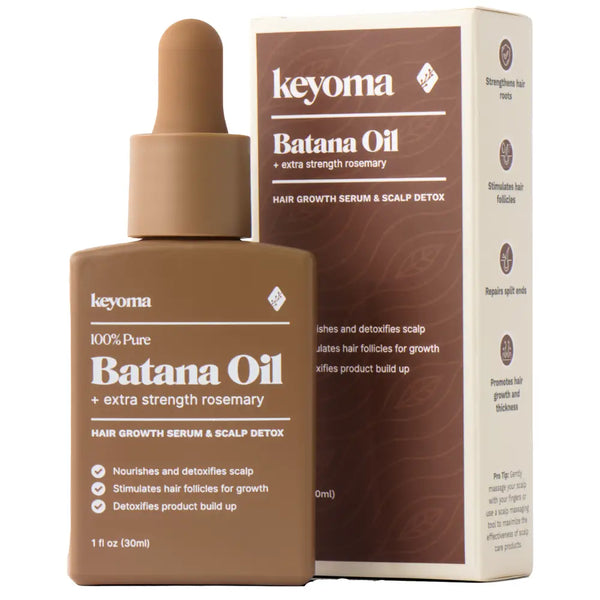
- 30-day supply $50
- 30% off for life $6
- Free haircare essentials kit $33
- Free custom wooden comb $10
- Free scalp massager $15
- Free eco-friendly travel bag $8
