

In this article
Seeing more hairs on your brush or collected in the shower can be unsettling, but you’re far from alone.
Many people experience hair loss, and even though it’s common, catching the first changes early makes it easier to keep your hair looking fuller. The encouraging part is that in many cases the reasons behind thinning can be managed when you address them promptly.
When you understand what early hair loss looks like and how to respond, you have a better chance of keeping your hair looking good over time. Below are some of the most common early clues, what usually sits behind them, and practical steps you can take so more strands stay on your head instead of ending up in the drain.
Key Takeaways
-
Early signs include increased shedding, receding hairline, bald patches, texture changes, and scalp inflammation.
-
Triggers include genetics, autoimmune disease, hormonal shifts, poor nutrition, harsh styling, medications, and stress.
-
Preventive steps include balanced nutrition, gentle cleansing, less heat, looser styles, and stress management.
-
Evidence-based treatments can include topical medication, platelet therapies, laser devices, and emerging exosome approaches.
What Causes Hair Loss
Current evidence suggests that many factors can drive hair loss, such as genetics, hormonal shifts, nutritional gaps, certain medications, underlying medical conditions, and frequent harsh styling or treatments. Understanding which of these is affecting you is important when you’re creating an effective treatment plan.
Early Signs to Watch For

Is hair loss reversable? If you’re worried about the health of your hair, watch for these five key signs that can help you tell whether you’re dealing with unusual shedding or thinning.
Increased Daily Shedding
Seeing many strands on your brush, pillow, or in the shower, along with thinner-looking hair and a widening part, are classic warning signs to pay attention to. If you consistently notice more hairs left behind, a noticeable reduction in hair volume, or a part that appears wider along your scalp, it can signal that ongoing hair loss is occurring.
Receding Hairline
A receding hairline, often showing up as a higher forehead or an M-shaped pattern, is a common form of hair loss, especially in men. In this pattern, the hairline slowly moves backward over time, making the forehead look taller or creating that M shape. If you notice these changes around your temples or front hairline, it may point to continuing hair loss.
Bald Patches or Thinning Areas
Sudden loss of hair in certain areas of the scalp, showing up as clear circular or oval bald patches, can be a strong clue for conditions such as alopecia areata.
These sharp-edged bald spots, which often leave the skin smooth, usually point to localized hair loss. You might also see hair looking noticeably thinner or sparser in particular areas, such as the crown or temples, which can be another sign of this focused thinning.
Learn how to hide your bald spot with this quick guide.
Changes in Hair Texture or Quality
Hair that turns dry, brittle, or breaks easily can be a warning that something is affecting its health.
When your strands lose their usual strength and bounce, it may reflect ongoing hair loss. You might notice shifts in hair density and texture, such as thicker strands being replaced by finer, wispy ones, which can also point toward hair loss.
Noticing these changes in how your hair looks and feels can help you spot possible hair loss concerns sooner.
Scalp Conditions and Itching
Persistent scalp conditions, including dandruff, scalp psoriasis, or seborrheic dermatitis, can contribute to hair loss if they’re not treated. These issues can disrupt the health of the scalp and hair follicles, which may lead to extra shedding. Ongoing itching, redness, or inflammation on the scalp can also be linked with certain types of hair loss.
Recognizing these early signs is the first step toward addressing hair loss effectively. If any of them sound familiar, our team is ready to help. With early detection and the right care, some hair loss can be controlled or even improved. Acting sooner often gives you a better chance of preserving your hair and keeping your confidence.
Discover how to maintain a healthy scalp.
What Triggers Hair Loss
Understanding why your hair is thinning is key to building a solid plan. Genetics are a big part of the picture, but other factors can play a role too.
Autoimmune Disease
Autoimmune changes can cause a condition called alopecia areata. In alopecia areata, the immune system becomes overactive for reasons that aren’t fully understood and targets the hair follicles. For many people, the hair grows back, although it may return first as very fine or lighter-colored strands before normal thickness and color come back.
Cosmetic Procedures
Habits such as shampooing too often, getting perms, bleaching, and dyeing hair can contribute to overall thinning by leaving strands weak and brittle. Tight braiding, using rollers or hot curlers, and pulling hair picks through tight curls can also damage and break the hair.
Even so, these procedures don’t usually cause true baldness. In many cases, hair grows back normally once the source of the problem is addressed. Still, severe damage to the hair or scalp can sometimes result in permanent bald patches.
Poor Nutrition
Your hair depends on steady nutrition. If your meals don’t provide enough protein, biotin, iron, or zinc, follicles can weaken. Over time, hairs may snap more easily or grow much finer.
Overstyling and Tension
Frequent use of heat tools, strong dyes, or chemical treatments can gradually wear down your hair. Styles like tight ponytails or braids can also lead to traction alopecia, a type of hair loss caused by repeated pulling on the roots.
Genetics
When baldness runs in your family, your own chances of thinning go up. In male and female pattern hair loss, the main issue is how your follicles respond to a hormone called dihydrotestosterone (DHT). Over time, DHT makes the follicles shrink, so hairs grow shorter and finer until they eventually stop appearing.
Hormonal Changes
Hormone shifts can throw your hair growth cycle off balance. After pregnancy, during menopause, or with conditions like polycystic ovary syndrome (PCOS), the growth, rest, and shedding phases can change, which may leave you with thinner areas.
Stress
Stress, whether from a painful breakup, a major surgery, or long-term pressure, can trigger a condition called telogen effluvium. This pushes too many follicles into the shedding phase at once, and you start to see thinner spots when you look in the mirror. Learn the connection between stress and hair loss.
How to Help Prevent Hair Loss

Not every kind of hair loss can be prevented. It may be written into your genes, for example, or show up as an unavoidable side effect of an important medical treatment, such as chemotherapy. Even so, you can still take steps to protect yourself from some forms of hair loss.
Following a balanced, healthy diet, maintaining gentle hair care habits, and managing stress can all help.
Here are a few practical things you can do:
-
Cut back on heat exposure from hot oil treatments and tools such as curling irons and blow dryers (or keep them on low), since high heat can damage your hair.
-
Wash your hair in a protective way. Use a gentle shampoo followed by a moisturizing conditioner, ideally a leave-in formula. Dry with a towel instead of relying on a blow dryer.
-
Limit how often you expose your hair to harsh chemicals found in dyes, perms, and relaxers.
-
Choose meals that provide adequate amounts of biotin (vitamin B7), protein, iron, and zinc.
-
Be gentle with your hair. Avoid styles that pull it too tightly, skip twisting strands around your fingers, and use a light touch when you brush and comb.
See a dermatologist at the first sign of hair loss. When hair problems are caught early, you may have more treatment options.
Check out these natural ways to stop baldness.
Optimize Your Diet for Hair
Sometimes ongoing shedding is linked to not getting enough of certain nutrients. I’ve noticed that small, steady diet changes are easier to maintain over time. Try including the following key vitamins and minerals in your regular meals:
-
Protein: Hair is made mostly of keratin, a structural protein. Aim to include lean meats, beans, or tofu in your diet.
-
Zinc: This mineral supports tissue repair and healthy follicle function. You can find zinc in foods like pumpkin seeds, yogurt, and shellfish.
-
Biotin (Vitamin B7): Eggs, salmon, and nuts are reliable sources. Biotin helps support stronger strands and steady growth.
-
Iron: This mineral helps your blood deliver oxygen to the hair follicles. Build meals around spinach, lentils, and iron-fortified cereals.
Use Medical-Grade Topicals
The papers I saw show that medically approved treatments such as minoxidil can slow certain types of hair loss and encourage new growth. You can usually find these products at your local pharmacy without a prescription. They work partly by boosting blood flow to the scalp and lengthening the growth phase of each hair strand.
Tips for Best Results
-
Apply the product directly to the scalp rather than coating the hair shaft.
-
Use it every day, because consistent application makes a real difference.
-
Be patient, since it often takes about three to six months before you see a visible change.
Prioritize Scalp Health
A well-cared-for scalp gives your hair a stronger foundation. You can keep yours in good shape with a few simple habits and thoughtful use of batana with rosemary oil.
- Exfoliate the Scalp: Use a mild scalp scrub or soft brush to loosen product buildup and flakes so your scalp feels cleaner. After rinsing, smooth a few drops of batana with rosemary oil over the scalp to comfort dry areas.
- Hydrate with Lightweight Oils: Lightweight oils such as batana with rosemary oil or jojoba can add moisture and keep your scalp from feeling tight or overly dry. Focus on the areas that feel roughest instead of soaking your whole scalp.
- Massage Regularly: A few times each week, gently massage your scalp with batana with rosemary oil. Use your fingertips in small circular motions to encourage circulation and give the hair follicles a bit of extra support.
Stop Thinning Before It Starts
Once you notice your hair starting to thin, responding quickly can help you keep what you have and may even improve density. Try the following simple steps to slow hair loss and support regrowth.
Avoid Overprocessing and High Heat
Heat tools, strong bleach, and harsh dyes can gradually damage your hair. Choose more natural styles or ones that require less frequent touch-ups. When you wash your hair, stick with gentle sulfate-free shampoos and conditioners to help each strand stay healthier.
Manage Stress Levels Daily
Even though it seems simple, managing stress can help reduce stress-related shedding. Try calming practices like yoga, slow breathing exercises, or a relaxed daily walk.
Respond To Early Hair Loss Signs With Keyoma
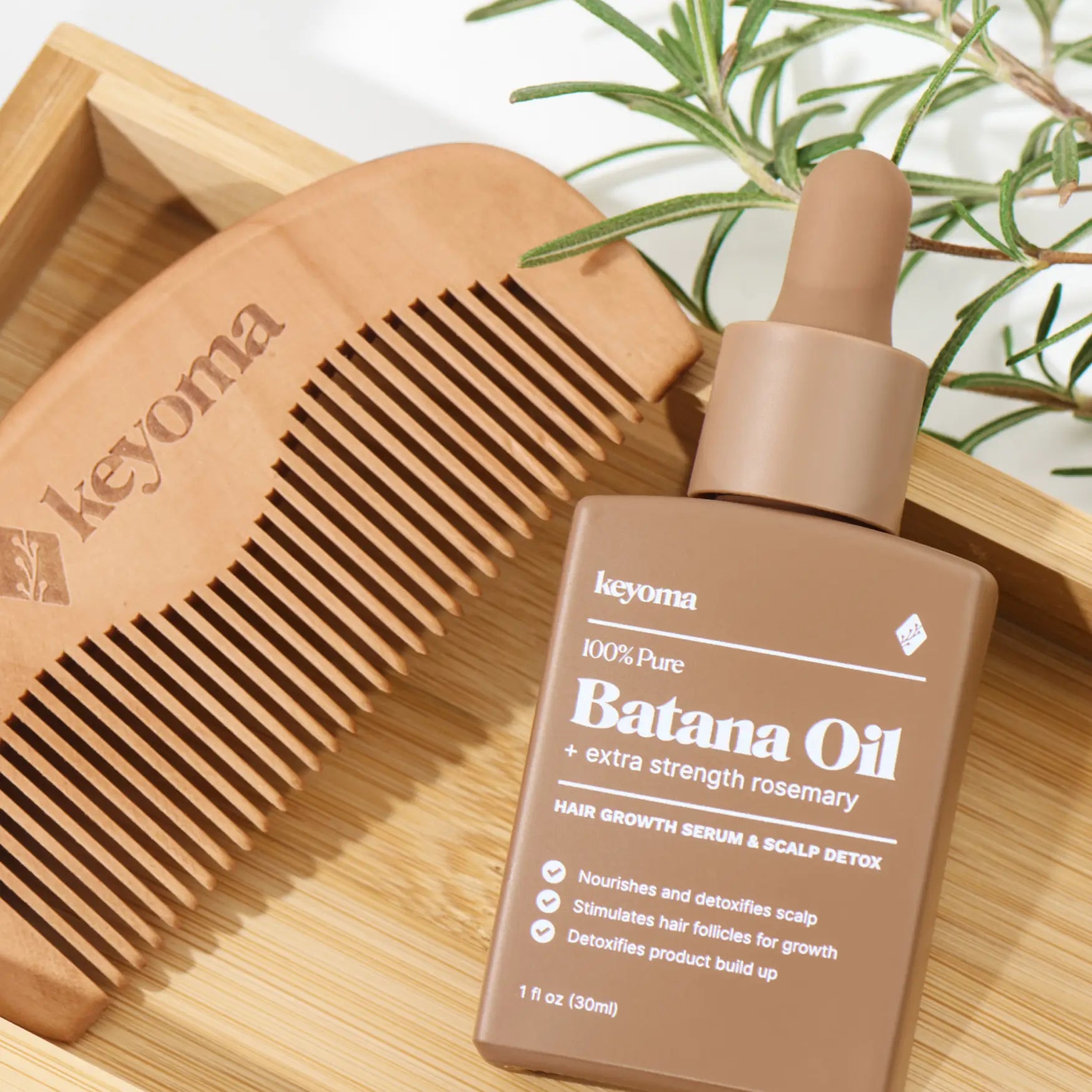
It's understandable to feel a little panicked when you start noticing changes in your hair. If you're seeing more shedding or your scalp feels irritated, know that you're not alone, and small steps can make a difference. One simple yet nurturing action you can take right away is to incorporate Keyoma batana oil into your weekly hair care.
A gentle scalp massage with this oil can create a soothing environment for your hair follicles, especially if you're experiencing dryness or tightness.
Featured Product
30% Off + 3 FREE Gifts
100% Pure Batana Oil + Rosemary
↓Best Batana Oil to Buy↓

1 Month
Subscribe & Save
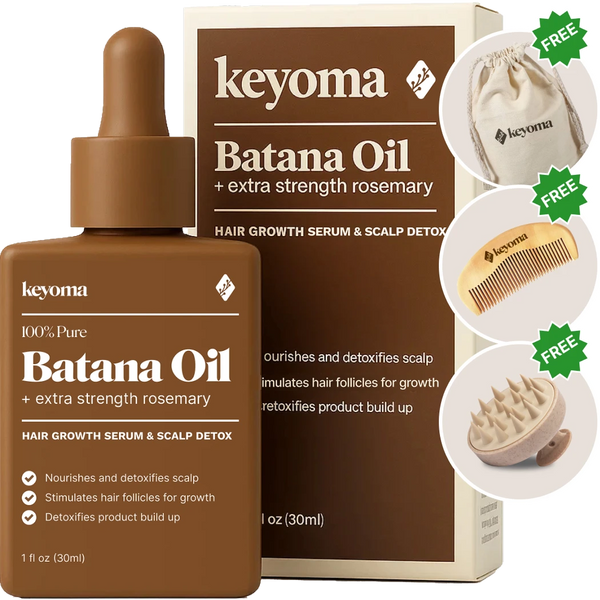


- 30-day supply delivered monthly $35
- 30% off for life $6
- Free haircare essentials kit $33
- Free custom wooden comb $10
- Free scalp massager $15
- Free eco-friendly travel bag $8
- 30-Day Money Back Guarantee
- Free Shipping
- Online portal for easy cancel, skip, or pause.
1 Month One Time Purchase
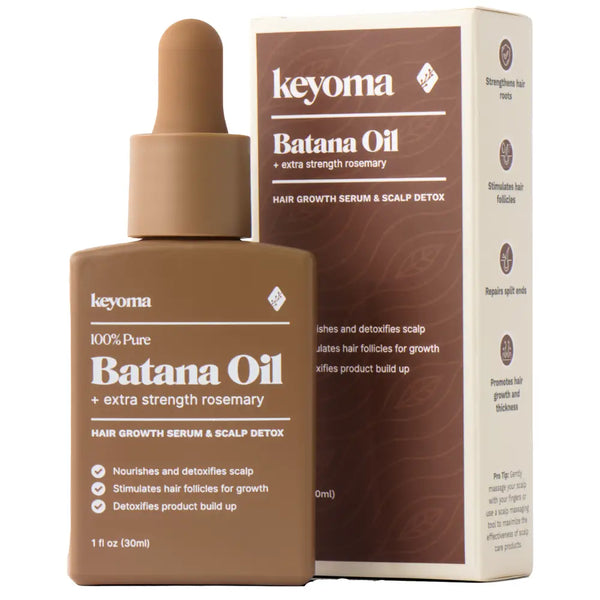
- 30-day supply $50
- 30% off for life $6
- Free haircare essentials kit $33
- Free custom wooden comb $10
- Free scalp massager $15
- Free eco-friendly travel bag $8
