

In this article
‘Why is my hair so frizzy?’ You’ve likely asked this more than once and still felt unsure. In most cases, frizz shows up when your strands are short on moisture, which leaves hair extra dry, rough to the touch, and easy to tangle. Humidity and using products with drying ingredients also play a part in frizz.
Frizz can happen to many hair types, and it won’t look the same for everyone. It often comes from neighboring fibers falling out of alignment, which can stem from natural curl twists, split ends and weak spots, or frequent hot tools and chemical services.
That might feel a bit alarming, but breathe easy. I’ll walk you through simple ways to manage frizz so you can shape your style again. Keep reading for practical tips.
Key Takeaways
-
Frizz happens when damaged or dry hair loses alignment, often from humidity or static.
-
Key frizz triggers include breakage, new growth, curl pattern, harsh shampoos, heat, and dryness.
-
Moisturizing creams, mousses, leave ins, and lightweight oils can smooth strands and reduce frizz.
-
Gentle drying, cooler water, silk pillowcases, and regular trims help protect hair cuticles.
What Is Frizzy Hair?
Hair scientists describe frizz as neighboring hairs not lying in the same direction, which creates a messy look. This tends to happen when hair is damaged and missing part of the hydrophobic outer cuticle layer called the F-layer. Frizzy hair usually feels rough and, with lifted cuticles, looks puffy instead of sleek or smooth.
To get what frizz really is, it helps to zoom in to the molecular level. Your hair is built from keratin, a tough, fibrous protein that forms several kinds of bonds. One key bond is the hydrogen bond, which connects water molecules to parts of the hair structure.
Hydrogen bonds let you reshape wet hair since they reform as it dries and hold a new set.
These bonds are weak and change easily, even with water. When you wash or step into humid air, the bonds break. If your hair is porous or the cuticle is nicked, it soaks up extra moisture and the outer layer swells, which leads to frizz.
In dry climates with less moisture around, broken bonds are not the main issue. Electrostatic repulsion takes over. Damaged hair often carries a negative charge, like what happens after rubbing a balloon on your head. Those like charges push apart, turning smooth lengths into flyaways. Dry air and friction can build more static, which makes control tougher.
In short, both too much and too little moisture in the air disrupt the bonds that keep hair aligned. The cuticle lifts and strands splay in different directions, which we recognize as frizz.
Explore the connection between frizz and staticky hair.
Factors That Cause Frizz

So, what exactly makes frizz pop up? Humidity is a big one. When the air is full of moisture, your hair's cuticle draws it in, causing strands to swell unevenly.
Ready to balance your hair's moisture?
Weather and Humidity
In humid conditions, the cuticle draws water from the air, hair swells, and then frizzes. Airborne moisture moves into the shaft and reaches the cortex, the long inner fibers of each strand. Those protein fibers take up water and expand. Because they swell at different rates, the strand twists and bends in uneven ways.
Silicone-based anti-frizz serums are common since they form a surface barrier that helps repel water. You can also set yourself up better by improving moisture balance and shaping your curls before the humidity hits.
Breakage and Mechanical Stress
Rough handling causes breakage, which shows up as frizz. Pulling through hair with a brush or comb, especially when it’s wet, often stretches it past its limits. The snapped ends spring outward and away from your head.
New Hair Growth
That halo of short hairs you see on a windy day is not always bad. Your scalp normally sheds around 100 hairs daily at the end of their cycle, which makes room for new growth. Halo frizz can be annoying, but it is a natural sign of turnover.
Your Curl Type
If you’re curly and dealing with frizz, your curl pattern may be the reason. Some textures fall into a defined, steady pattern, while others stay looser or mixed. Focusing on how you handle and style your natural texture may work better than chasing damage repair alone.
Dryness and Dehydration
Frizz happens, most often when hair lacks moisture. Dry strands are typically more porous, so they pull in water from anywhere. The outer layer, the cuticle, is made of overlapping scales. In the best case, they lay flat to seal in moisture. Closed cuticles feel smooth and reflect light, which adds shine.
That smooth look is a common low porosity hair trait. When hair is dry or damaged, the scales lift, which lets water in and out. The raised surface turns suede-like and looks matte.
How to Control Frizz

You can’t change the forecast, but you can change your routine so hair is less likely to frizz. Understanding these frizz triggers helps you decide what to do, and what to skip, in your curly care steps.
Products and Ingredients
Styling products can tone down frizz and keep hair softer, but the right pick depends on your texture and how fast you frizz. Fine hair may only need a light mist or a tiny amount of a weightless formula.
Thicker waves and curls often prefer moisturizing creams, mousses, or leave-ins that add slip and help define shape. Ingredients like glycerin can draw in moisture and leave a light protective layer. On my waves, less product works better than more.
Use silicones carefully. They can make hair look sleek at first, but they don’t hydrate and can pile up over time. Heavy buildup may dull the finish and, for some, bother the scalp. If you lean on silicone-based formulas, consider occasional clarifying shampoos to remove residue.
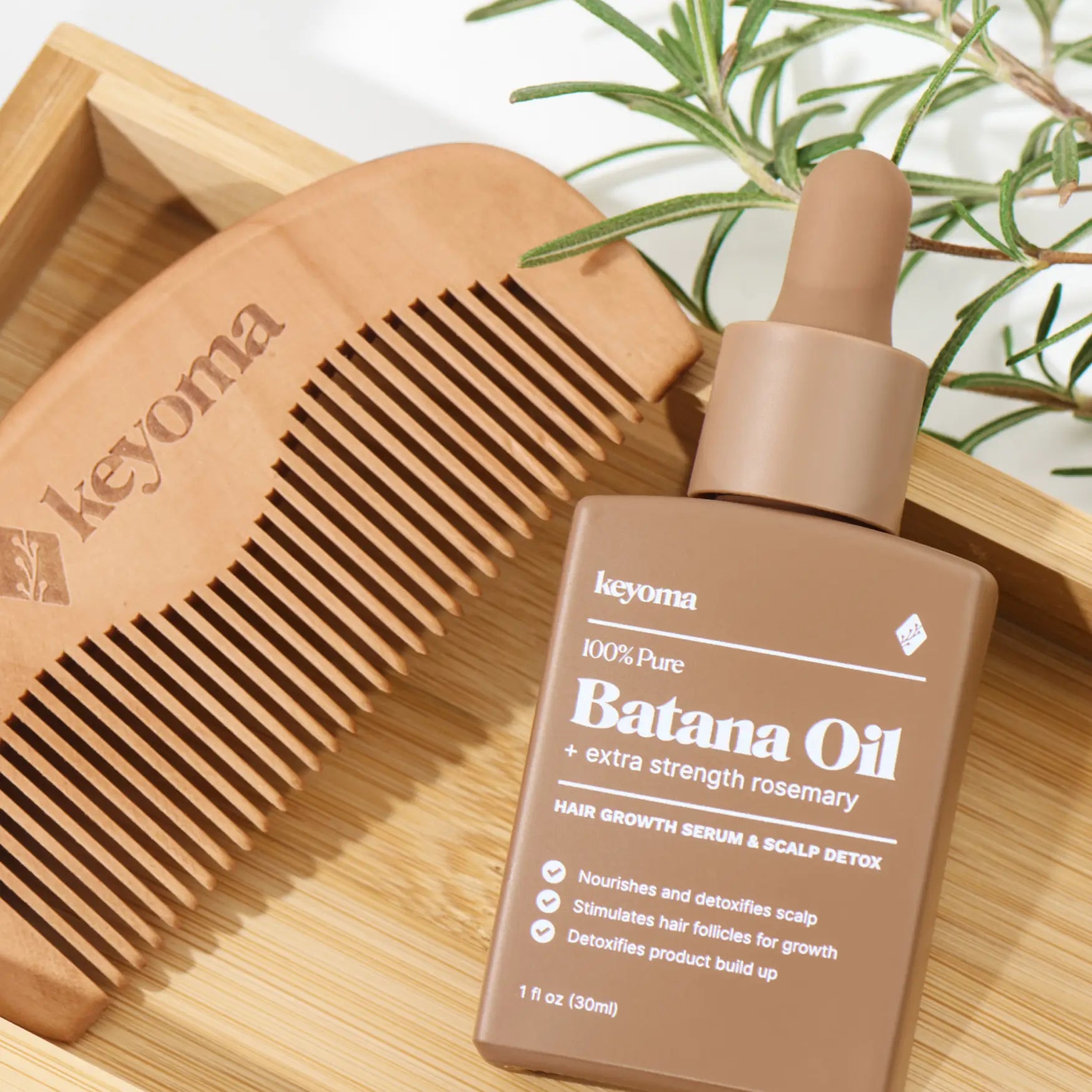
Pure oils can also help with frizz, especially on dry ends. You can use olive oil on its own or blend it with almond, amla, black castor, coconut oil, or batana oil with rosemary. Batana can coat and soften rough-feeling strands, and rosemary oil is often used to support a calmer scalp environment.
Start small and focus on mid-lengths and ends first if your hair gets weighed down. If you want to try it on your scalp, dilute the mix and patch test your skin to check for irritation. It also helps to test a new oil blend on one small section before going all in. Patch-testing behind my ear kept reactions at bay.
Haircuts and Trims
Many stylists recommend routine trims. Once you see split ends, they can travel up the shaft if ignored and leave you with damage that makes frizz hard to handle. Even when you’re growing out your hair, keep ends healthy as you go. A deep hydration treatment is not a stand-in for a steady trim schedule.
Towel Drying
That classic towel turban looks chic, but standard terrycloth can be too rough on curls, adding friction that lifts the cuticle, which you want to avoid. Remember that wet hair is most fragile.
Swap your towel for a microfiber cloth or a soft, worn t-shirt, and blot or press to dry instead of rubbing. This reduces tangles and keeps things easier to comb through. Aim for smoothing motions that support your curl goals. A wide-tooth comb gave me slip without snagging.
Alcohol in Hair Products
Alcohol in products can dry out hair through evaporation, but not every alcohol is a problem. Fatty alcohols are helpful and add moisture, unlike ethanol or propanol, which are drying. Look for Cetyl, Cetearyl, and Stearyl Alcohols. They come from vegetable sources and help soften hair and scalp while encouraging the cuticle to lay flat and snug.
Hot Tools
Curls often look and feel best when air-dried, but heat tools can help when you want a sleeker finish. The tradeoff is that heat pulls moisture out of strands, which can lead to dryness and frizz. Before using any hot tool, apply a liquid heat protectant or a heat-styling lotion to create a buffer.
If you’re shopping for a flat iron or curling iron, pick one with adjustable heat. Keep temperatures well under 400°F and move quickly so your hair spends less time in high heat.
For blow-drying, attach the smoothing nozzle if you have one. Aim the air downward, following your hair growth. This helps the cuticle lie flatter, which can make hair look smoother and less frizzy.
Shampoo Choices
Frizz often starts in the wash. Many classic shampoos use strong detergents that strip too much natural oil, which is why curls and coils can feel dry, puffy, and unruly. Sulfates are the main offenders, so switching to a sulfate-free shampoo is usually a safer bet.
Be aware that some formulas still rely on sulfate-like detergents under other names. Watch for sodium dodecyl sulfate, sodium lauryl sulfate, and dodecyl sodium sulfate. These can be harsh, especially if you wash frequently.
If frizz shows up easily, try gentler cleansing. Some people co-wash with conditioner to hold on to moisture. Others rotate oil-based cleansing or use the LOC method, layering from lighter to heavier products to add hydration and help seal it in.
Water Temperature
Many pros warn against too much heat in the shower. Frizzy hair care often starts there, so mind your water temperature. A steaming shower can feel great, but it strips away the natural oil barrier that helps keep your hair, scalp, and skin comfortable.
Hot water also opens cuticles. To reduce frizz in curls, turn the dial to comfortably lukewarm and try a cool rinse to help close cuticles. This is also suggested for color-treated hair.
Look, Don’t Touch
Too much handling, wet or dry, can disturb the curl or wave pattern you want. After washing, apply your balm, mousse, or serum to wet hair, set your curls, and then let them dry untouched.
Once fully dry, add a final layer of serum or oil if your routine calls for it and your ends feel dry. Avoid fidgeting with your hair throughout the day. Hands-off helps prevent frizz.
Brushing Tips
If you have curls, brushing can give instant volume, but it can also break up definition and create fast frizz. Unless you’re styling for a straighter look, it’s usually best to limit it. Brushing can lift the cuticle, disrupt your curl pattern, and stretch strands in ways that lead to breakage, especially if your hair is already dry or fragile.
For most curl routines, use your fingers or a wide-tooth comb to spread products, then stop touching after you’re done styling.
That said, brushing works for some if the bristles pass through without snagging or pulling. It can also move natural scalp oils toward dry ends. If you brush dry hair, keep it gentle and slow, and stop the moment you feel tugging.
Pillowcase Choice
If you sleep on cotton and wake up with frizz, consider a silk pillowcase. Silk soaks up less of your natural oil and cuts down on friction that fuels frizz, especially if you toss and turn at night.
Silk Scarf
You can also sleep with your hair wrapped in a silk scarf and add a bit of Hair Balm now and then as an overnight moisture boost. It may look funny at first, but it can help. During colder months, wearing a silk scarf under a wool cap or beanie is a common tip. It helps your style hold up better, too.
Calm Your Frizz With Keyoma Batana Oil
Smooth frizz by treating it as a moisture problem, then sealing it before it puffs up. After you wash, pat hair until it is damp, then warm 2 to 4 drops of Keyoma Batana Oil with Rosemary between your palms and press it into the mid-lengths and ends. Keep it off the roots if your hair gets flat easily.
The oil adds slip, which can reduce tangles and breakage, and it helps strands look smoother in humidity. Reapply one drop on dry hair only where flyaways show up, not all over, so you avoid buildup. Ready to tame frizz with one product? Buy Keyoma Batana Oil with Rosemary direct from Keyoma.
Featured Product
30% Off + 3 FREE Gifts
100% Pure Batana Oil + Rosemary
↓Best Batana Oil to Buy↓

1 Month
Subscribe & Save
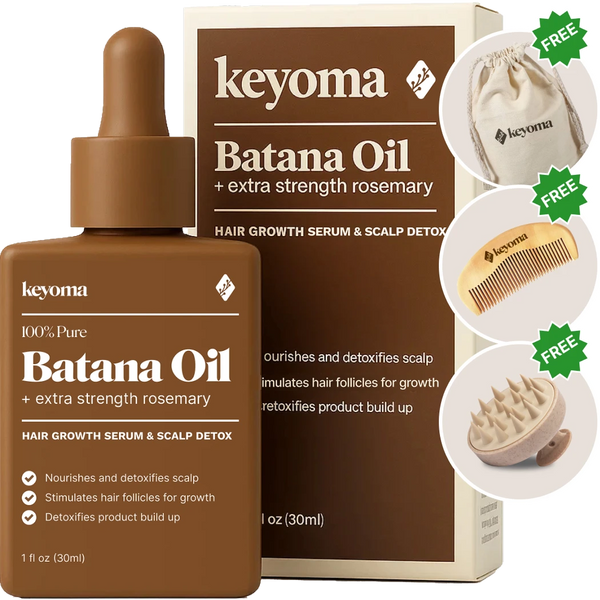


- 30-day supply delivered monthly $35
- 30% off for life $6
- Free haircare essentials kit $33
- Free custom wooden comb $10
- Free scalp massager $15
- Free eco-friendly travel bag $8
- 30-Day Money Back Guarantee
- Free Shipping
- Online portal for easy cancel, skip, or pause.
1 Month One Time Purchase
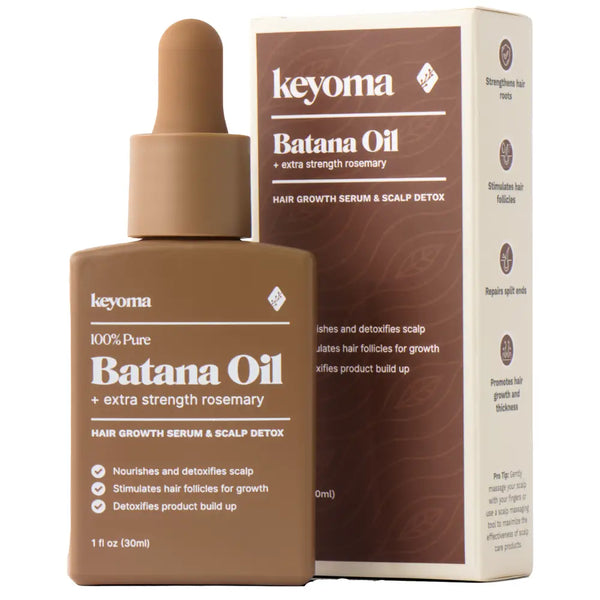
- 30-day supply $50
- 30% off for life $6
- Free haircare essentials kit $33
- Free custom wooden comb $10
- Free scalp massager $15
- Free eco-friendly travel bag $8
