Hydration And Hair Health: Support Stronger Strands From Within
Written by

Published on Nov 19, 2025

In this article
You already know water matters for skin, energy, and overall health. But what about your hair? People often ask, “Does staying hydrated support hair growth?” The short answer is yes. Keeping your body well hydrated helps every system, including your scalp and strands.
It’s easy to chase shampoos, serums, and treatments and ignore the basic role of water. Seeing how daily habits, especially fluid intake, tie into hair health sets you up for stronger, livelier hair. Below, you’ll see what research says about hydration and straightforward ways to support your hair from within.
Key Takeaways
-
Staying well hydrated supports scalp function, follicle activity, and overall healthy hair growth.
-
Dehydration can reduce blood flow to follicles, disrupt growth cycles, and increase shedding over time.
-
Low hydration often leaves the scalp dry, itchy, and flaky, encouraging dandruff and inflammation.
-
Moisturizing products, gentle styling, oils, and deep conditioning help hair retain strength and elasticity.
How Hydration Affects Your Hair
Hair is made of the protein keratin, and each strand is covered by a protective cuticle. That outer layer shields the inner shaft, helping limit damage and breakage.
Current evidence suggests that low hydration leaves the cuticle dry and brittle, so it’s more vulnerable to heat, styling, and environmental stress.
Dehydration also influences the hair follicle, where growth begins. Follicles work best in a well-hydrated environment. When your body is short on water, blood flow to follicles can drop, which limits nutrient delivery and disrupts the normal growth cycle. Over time, that disturbance may show up as thinning and, in severe cases, increased loss.
What Happens to Hair When You're Dehydrated
About 60% of your body is water, and every cell needs it to work properly, including cells tied to hair growth. When you’re dehydrated, your body prioritizes critical organs and can divert water away from follicles. That shift can create problems that affect how your hair looks and behaves.
Dehydration's Link to Unhealthy Scalp
A healthy scalp sets the stage for healthy hair. Low hydration can leave the scalp dry, flaky, and itchy. That dryness happens because scalp skin, like skin elsewhere, loses moisture and can get irritated.
A dry scalp isn’t ideal for growth. It can contribute to dandruff and inflammation, which may clog follicles and block strong strands from forming. Think of a plant in dry, cracked soil; it simply won’t thrive.
How Dehydration Impacts Hair Follicles
Follicles are small, pocket-shaped structures in the scalp that produce hair. The root at the base of each follicle is the living part of the hair. It depends on steady blood flow, oxygen, and nutrients to make new cells and keep the growth cycle moving. Water is the main vehicle that moves those nutrients to the follicle.
With dehydration, circulation often becomes less efficient, so fewer nutrients reach the scalp. Follicles can be underfed, become weaker, and the growth cycle may be disturbed. If this persists, growth can slow and shedding can climb.
How Hydration Affects Hair Strength and Look
Water accounts for roughly 25% of a single strand’s weight. If you fall short on fluids, strands can turn dry, brittle, and more likely to break.
Staying hydrated supports elasticity and strength from the inside. When hair is dehydrated, the cuticle lifts instead of lying flat, so it doesn’t reflect light and looks dull or frizzy. That raises your risk of split ends and breakage, which makes length goals harder.
Benefits of Hydration for Healthy Hair

Staying well hydrated helps your body work well and supports healthy hair growth. About 60% of the body is water, and that fluid is key to many processes. Here’s how hydration ties into hair:
1. Promotes Nutrient Absorption
Water is central to moving essential nutrients through the body. Follicles depend on those inputs for growth and upkeep. Drinking enough helps minerals and vitamins such as biotin, zinc, and vitamins A and D reach follicles efficiently. Fall short, and you raise the risk of brittle strands, breakage, and slow growth.
2. Aids in Scalp Health
A hydrated scalp tends to behave better. Adequate moisture helps prevent dryness and flaking that can feed dandruff. When the scalp is well hydrated, follicles have a better environment, which supports hair growth. Dryness and irritation can also drive inflammation, which undermines the hair growth cycle.
3. Supports Blood Circulation
Good circulation delivers oxygen and nutrients to follicles. When you’re dehydrated, blood flow can drop, which hurts the hair’s ability to grow. If you’re considering EMS therapy for hair, remember that improving circulation supports hair health and can encourage growth.
4. Reduces Hair Breakage
Too little hydration often yields dry, brittle hair that damages more easily. Getting enough fluids helps strands hold moisture, which lowers breakage and split ends. As a result, hair can look fuller and healthier, and growth is easier to maintain.
Practical Ways to Stay Hydrated for Hair Health
Reaching proper hydration isn’t only about products; it also means building hydration-friendly habits into your routine. Try these practical steps:
1. Use a Moisturizing Shampoo
When you wash, choose sulfate-free shampoos with moisturizing ingredients. For me, spacing washes by a day reduced frizz without extra product. Seek out glycerin, coconut oil, or aloe vera to help retain moisture. Skip harsh formulas that strip your natural oils.
2. Condition Regularly
Conditioning is essential for keeping moisture. Pick a leave-in that fits your hair type. Consistent conditioning helps replenish hydration and shields hair from damage.
3. Deep Condition Weekly
Add a weekly deep-conditioning treatment. It gives an extra dose of moisture. Choose formulas with natural oils or butters like shea or jojoba. Use gentle heat, such as a heated cap or warm towel, to help it penetrate.
4. Incorporate Oil
Using oils can help lock in moisture. A close friend with a sensitive scalp felt calmer with lighter oils on damp hair. Consider natural options such as rosemary, coconut, or argan. Apply oil after moisturizing to seal hydration. Always work on damp hair to help retain more moisture.
5. Avoid Heat Styling
Frequent heat styling can strip too much moisture. When possible, cut back on hot tools. If you do use heat, apply a heat protectant to reduce damage.
What Dehydration Does to Your Hair

Now that you know how hydration supports healthy hair, what happens when you don't get enough water? Even a slight dip in fluids can affect your hair's flexibility, since strands are about 25% water.
Dry, Brittle Hair
When hair is dehydrated, it loses the moisture needed for flexibility and strength. That leaves it dry and brittle, so split ends and breakage become more likely.
Slower Hair Growth
Not getting enough water can interfere with the normal growth cycle. Follicles may spend longer in a resting phase, which slows growth. Over time, that can lead to stagnant or minimal progress.
Dull and Lackluster Appearance
Well-hydrated hair reflects light, so it looks naturally shiny and lustrous. Dehydrated hair, by contrast, often looks dull and flat.
Low moisture reduces light reflection on the surface, which contributes to a lackluster look. These are common signs that suggest you are not drinking enough water. Proper hydration matters for hair health and for your overall well-being.
Increased Hair Loss
Ongoing dehydration may raise shedding. Without enough nutrients and moisture, follicles can weaken, which contributes to excessive hair loss.
Support Hair Hydration With Keyoma and Start Today
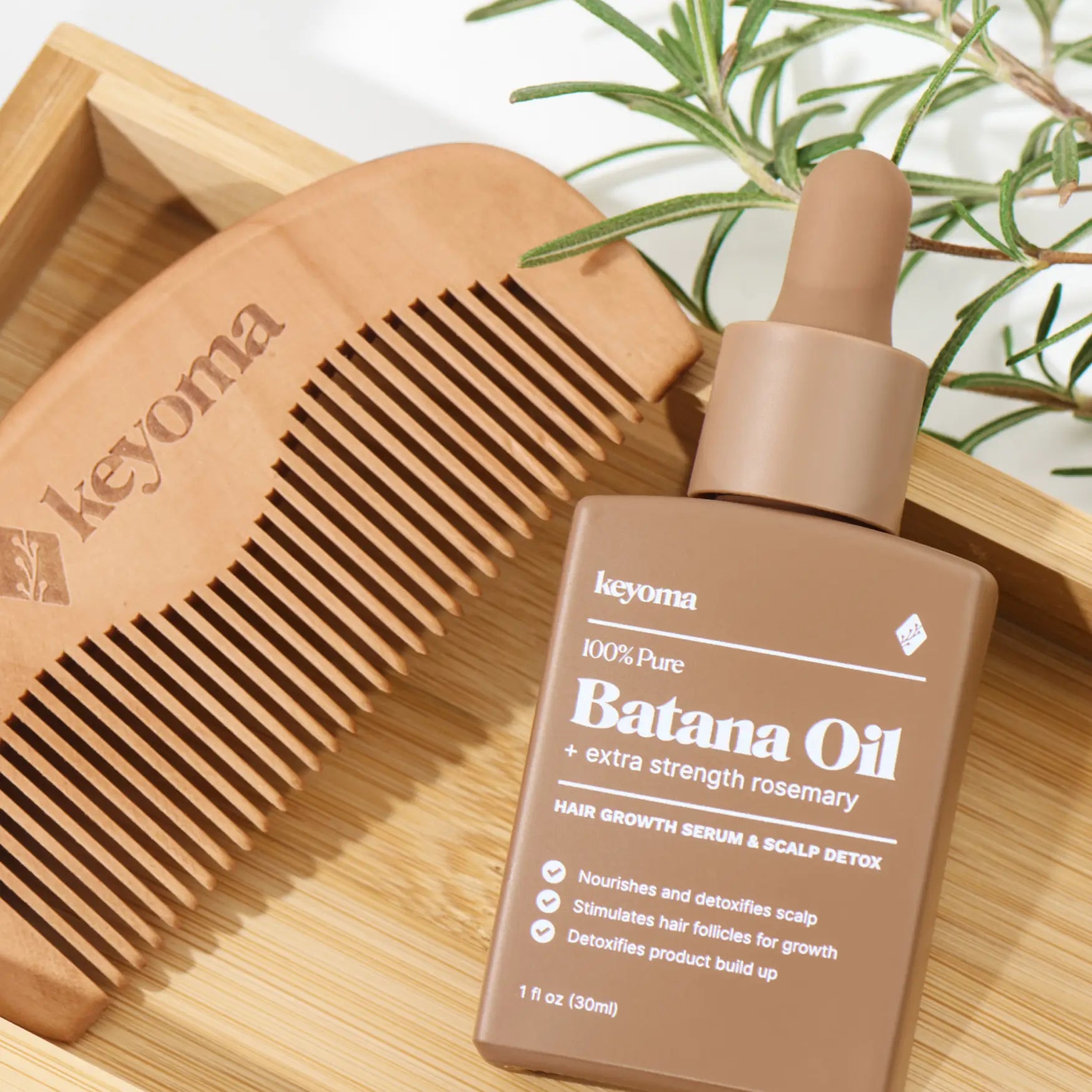
Incorporate Keyoma Batana Oil with Rosemary into your daily routine, and don't wait until your hair begs for moisture. At that point, your strands may already be compromised, since water makes up about 25% of each strand's weight. If you find it challenging to drink enough water, try setting reminders on your phone, keeping a water bottle with you, and adding fruits to your water for a flavorful boost.
Featured Product
30% Off + 3 FREE Gifts
100% Pure Batana Oil + Rosemary
↓Best Batana Oil to Buy↓

1 Month
Subscribe & Save
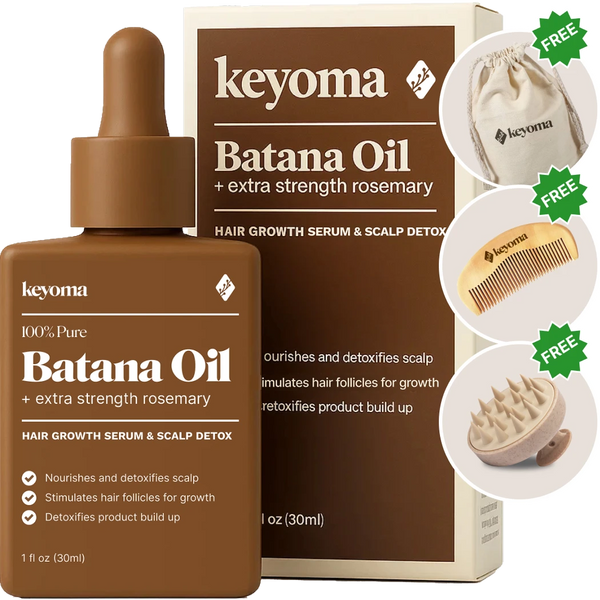


- 30-day supply delivered monthly $35
- 30% off for life $6
- Free haircare essentials kit $33
- Free custom wooden comb $10
- Free scalp massager $15
- Free eco-friendly travel bag $8
- 30-Day Money Back Guarantee
- Free Shipping
- Online portal for easy cancel, skip, or pause.
1 Month One Time Purchase
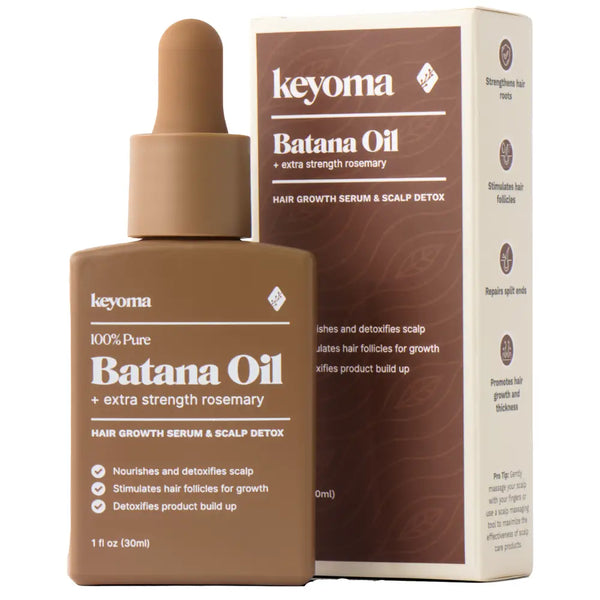
- 30-day supply $50
- 30% off for life $6
- Free haircare essentials kit $33
- Free custom wooden comb $10
- Free scalp massager $15
- Free eco-friendly travel bag $8
