

In this article
Hair loss after hysterectomy can feel abrupt and hard to understand, especially when it starts weeks or months after surgery. In many cases, it is temporary, but the reason is not always clear at first. Changes inside your body, from hormone shifts to the stress response, can directly change how hair grows and sheds.
Let’s explore why hair loss after hysterectomy happens, how long it often continues, and what may actually support recovery. The aim is to give you realistic expectations and practical ways to care for your hair during this stage.
Key Takeaways
-
Hair loss after hysterectomy is often tied to hormone changes and surgical stress
-
Telogen effluvium is a common trigger and often improves with time
-
Hair regrowth relies on restoring balance and keeping care consistent
-
Early recovery signs include less shedding and soft new growth
-
Scalp health helps support stronger and more stable regrowth
Can a Hysterectomy Trigger Hair Loss?
A hysterectomy can be linked to hair loss, but not always in a direct way. The procedure itself does not injure the hair follicles. Instead, it may set off changes in the body that affect the hair growth cycle. This is where many people get confused. Hair usually does not shed right after surgery. Instead, it enters a resting stage and falls later, sometimes weeks or even months after the procedure.
Two main factors usually drive this. The first is hormone disruption. The second is physical stress from surgery. Both can interrupt the normal pattern of hair growth. Even so, this does not always mean permanent hair loss. In many cases, the follicles stay active and can regrow hair once the body becomes more stable.
Causes of Hysterectomy Hair Loss

Hair loss after hysterectomy usually comes from internal changes, not outside damage. When you understand these causes, it becomes easier to avoid over-treating your hair and focus on what may actually support recovery.
Hormonal Shifts After Surgery
Hormones have a major effect on how hair grows. Estrogen, in particular, helps keep hair in the growth phase longer. After a hysterectomy, especially when the ovaries are removed, estrogen levels can drop. That shift can push more hair into the shedding phase. The result may feel sudden, but it is often a delayed response to hormone imbalance.
Even if the ovaries stay in place, hormone levels may still fluctuate after surgery. That temporary imbalance can still affect hair density and texture.
Telogen Effluvium From Surgery Stress
Telogen effluvium is one of the most common reasons for hair loss after surgery. It happens when physical stress causes many hair follicles to enter a resting phase at the same time.
Shedding usually begins two to three months after surgery. That delay can make it harder to connect the hair loss to the procedure itself.
Menopause-Linked Hair Thinning
If the hysterectomy leads to menopause, whether naturally or suddenly, that can also affect hair growth. Lower estrogen levels and relatively higher androgen levels can cause gradual thinning.
This kind of hair loss is usually slower and more pattern-based than telogen effluvium. You may notice a wider part or lower density over time.
How Long Does Hysterectomy Hair Loss Last
Hair loss after hysterectomy does not follow the exact same timeline for everyone, but many people go through a similar pattern. In cases of telogen effluvium, shedding often starts about two to three months after surgery. That is when the hair that moved into the resting phase begins to fall.
The shedding period may last several weeks or a few months. During that time, you might notice more hair on your brush, pillow, or shower drain. Regrowth often starts once shedding slows. That may happen around three to six months after the initial shedding begins. New hairs often show up fine and soft at first.
Full recovery usually takes longer. It may take six to twelve months for hair to return to its earlier density, depending on your overall health and how well your body recovers. This timeline may shift if hormone changes continue or menopause is involved. In those cases, progress may move more slowly and need steadier support.
Can Hair Grow Back After Hysterectomy?
In many cases, yes, hair can grow back after hysterectomy. The main factor is whether your hair follicles stay healthy.
With telogen effluvium, the follicles are still active. They have simply paused because of stress. Once your body becomes more stable, those follicles can move back into the growth phase.
That is why early signs of regrowth matter. You may notice:
-
Fine, soft hairs showing up along the hairline or part
-
Less daily shedding than you saw in earlier weeks
-
Hair feeling a little thicker near the roots
These signs often mean the growth cycle is starting again.
However, if hair loss is driven more by long-term hormone changes, such as menopause-related thinning, regrowth may be slower or less complete. In that situation, the goal often shifts from full restoration to improving density and keeping hair healthy.
How to Support Hair Recovery After Hysterectomy

Supporting recovery is less about finding one fix and more about creating the right conditions for regrowth. Your body needs time to rebalance, and your scalp needs steady care.
Lower Stress on the Hair and Scalp
After surgery, your hair may be more sensitive to physical stress. Tight styles, frequent heat styling, and rough handling can increase breakage and make thinning stand out more.
Switching to low-tension styles may help reduce strain on your hair. Gentle brushing, softer ties, and less heat all support recovery. For me, softer handling made shedding feel less alarming day to day. This matters because fragile hair needs protection while new growth is still coming in.
Improve Scalp Health and Circulation
A healthy scalp supports better hair growth. Buildup, dryness, or irritation can affect how well follicles work. Regular cleansing helps keep the scalp balanced. Gentle massage may support circulation, which can help nutrients reach the follicles more effectively.
Some people add oils to their routine to support scalp comfort. Oils may help ease dryness and improve how the scalp feels, but they work best as part of a broader routine rather than as the only step.
For example, using a nourishing oil like pure batana oil may help soften a dry scalp and improve manageability, especially when hair feels more delicate after surgery. It does not replace internal recovery, but it may support a healthier scalp environment when you use it consistently.
Support Hair Growth With Steady Care
Hair recovery takes time. What matters most is consistency. Simple routines often work better than complicated ones that are hard to keep up with. Focus on keeping hair hydrated, limiting breakage, and maintaining scalp balance.
This may include using lightweight conditioners, avoiding harsh treatments, protecting the ends, and sometimes using gentle scalp support like rosemary oil to help circulation and support a healthier scalp environment. Over time, these small and steady habits may create better conditions for regrowth.
Support Hair Loss After Hysterectomy for Stable Regrowth
Hair loss after hysterectomy can feel upsetting, but in many cases, it is a temporary response to internal changes. Hormone shifts and surgical stress can interrupt the hair cycle, but they do not always cause lasting damage.
What matters most is understanding what your hair is going through and responding with steady, supportive care. Recovery takes time, and progress is often gradual, but early signs of regrowth usually show that your hair is moving in the right direction.
As part of that support, some people choose simple scalp routines that include a nourishing blend like Keyoma’s 100% Pure Batana Oil with Rosemary to help maintain softness and scalp comfort while the body rebalances.
With patience and consistent care, many people notice their hair regain strength, softness, and density over time.
Featured Product
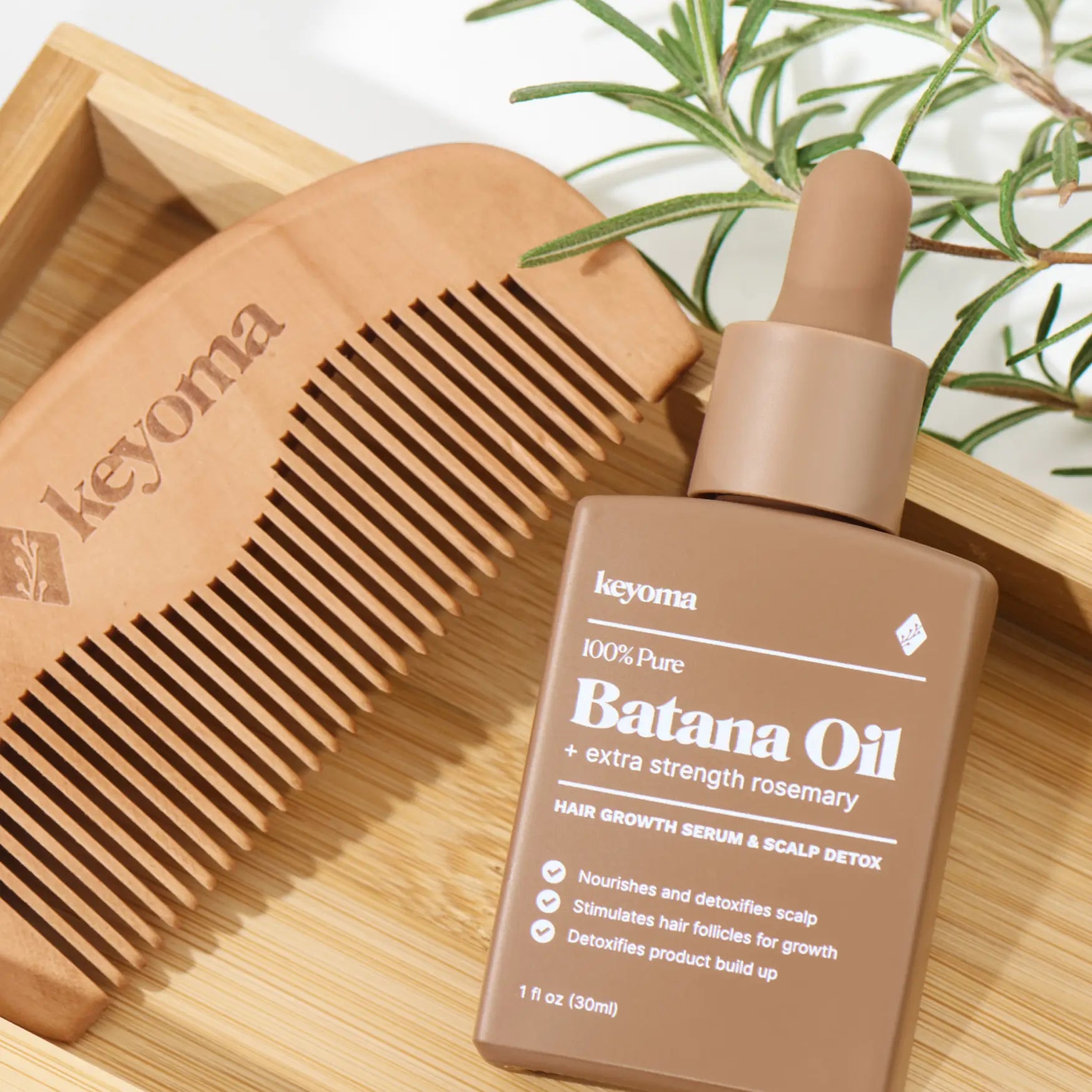
30% Off + 3 FREE Gifts
100% Pure Batana Oil + Rosemary
↓Best Batana Oil to Buy↓

1 Month
Subscribe & Save
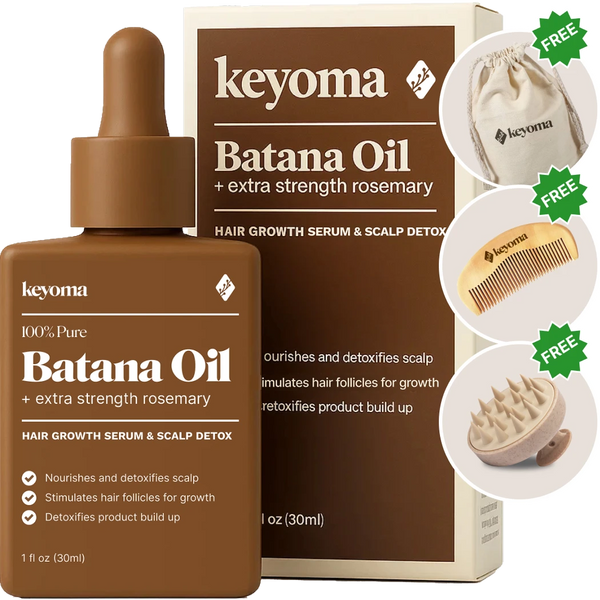


- 30-day supply delivered monthly $35
- 30% off for life $6
- Free haircare essentials kit $33
- Free custom wooden comb $10
- Free scalp massager $15
- Free eco-friendly travel bag $8
- 30-Day Money Back Guarantee
- Free Shipping
- Online portal for easy cancel, skip, or pause.
1 Month One Time Purchase
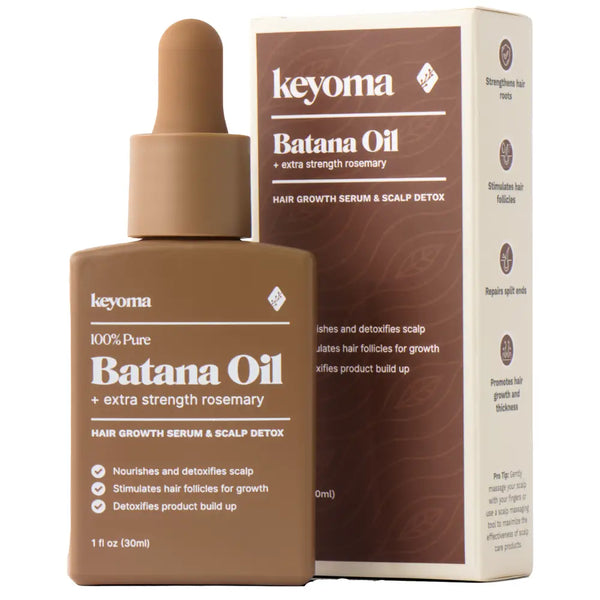
- 30-day supply $50
- 30% off for life $6
- Free haircare essentials kit $33
- Free custom wooden comb $10
- Free scalp massager $15
- Free eco-friendly travel bag $8
