

In this article
Most people use hair oil and leave-in conditioner in the wrong way. They either treat them as the same thing or put them on in the wrong order. The result usually looks the same. Your hair still feels dry, frizzy, or tough to manage.
The difference is simple, but many people miss it. Leave-in conditioner brings moisture into the hair. Hair oil helps hold that moisture in place and shields the hair. Once you know how they work together, your routine works better without getting harder.
Below, you’ll see what each product really does, when to use it, and how to layer both based on your hair type and main concerns.
Key Takeaways
-
Leave-in conditioner adds moisture, and hair oil helps seal in and protect that moisture.
-
Hair oil can smooth frizz, shield dry ends, and improve softness and daily manageability.
-
Leave-in conditioner helps hydrate hair, ease detangling, and soften rough, dry texture.
-
Using leave-in first and oil after may help retain moisture and tame frizz.
What Is the Difference Between Hair Oil and Leave-In Conditioner
The biggest difference comes down to what each one does. Leave-in conditioner is made to hydrate your hair after washing. Hair oil is used to seal in that moisture and help protect it.
That matters because dry hair is not only missing oil. It is usually missing water. Leave-in conditioner helps bring back that moisture. Hair oil then helps keep it there and lowers moisture loss during the day.
This is where confusion usually starts. Oil by itself does not hydrate the hair. It may make your hair feel smoother for a while, but if there is no moisture underneath, the dryness is still there.
In everyday use, the roles are clear:
-
Leave-in conditioner softens, hydrates, and gets the hair ready for styling
-
Hair oil smooths, seals, and helps protect the hair from dryness and frizz
The real question is not which one is better. It is how they support each other. Once that clicks, it gets much easier to build the right routine for your hair.
What Is Hair Oil

Hair oil is a finishing or sealing product. It stays on the surface of your hair to cut moisture loss, smooth the cuticle, and make the hair easier to handle.
Unlike conditioners, hair oils do not add water to the hair. Instead, they form a barrier that helps keep the moisture already inside the hair shaft. That makes them especially useful for dry ends, frizz control, and helping protect hair from everyday stress.
Benefits of Hair Oil
Hair oil supports the outer layer of the hair. Its value comes from how it works with the hair surface, not from changing moisture levels inside the strand. That difference matters because many people expect oil to fix dryness on its own, when its real job is to help hair hold moisture and stay protected between washes.
When you use it well, hair oil can improve how the hair looks and feels without making your routine harder. It can soften roughness, smooth the ends, and help strands feel easier to handle during the day. The effect often stands out more on hair that feels porous, frizzy, or worn from heat, color, or repeated styling.
Seals in Moisture
Hair oil helps hold moisture in after you apply a hydrating product. Over time, that can reduce dryness, especially in very dry or humid conditions. It does this by forming a light layer on the hair surface that slows moisture loss.
That is why hair oil for sealing moisture can work well after leave-in conditioner. The oil does not provide hydration on its own, but it helps preserve the moisture already in your hair, which can help it stay softer longer.
Smooths Frizz and Adds Shine
Oil helps reduce roughness by coating the hair cuticle. That can leave strands smoother and give them a more even shine. When the cuticle lies flatter, hair reflects light better and feels less rough when you touch it.
This can be especially helpful for hair that turns puffy, dull, or frizzy as it dries. A small amount of oil can refine the surface without making you redo your whole style.
Helps Protect Dry Ends
The ends are the oldest and weakest part of your hair. Hair oil can help reduce dryness and splitting by adding a protective layer. Because the ends go through the most washing, brushing, heat, and friction, they usually lose softness first.
Putting oil on this area can help ease that worn, crispy feel and make the ends look less frayed. It will not permanently fix split ends, but it can help slow more dryness and make damage look less noticeable.
Supports Softer, More Manageable Hair
With steady use, hair oil can make your hair easier to style and less likely to tangle or snap. Hair that feels smoother on the surface usually catches less on itself, which can make brushing, styling, and refreshing easier.
That does not mean more oil gives better results. The benefit comes from using enough to support the hair without overcoating it. When the balance is right, hair often feels softer, moves better, and responds more easily during styling.
These benefits depend on when and how you use the oil. Using it the right way is what changes the result. On hair that already has moisture underneath, oil can be a strong finishing step that helps softness and shine last longer.
What Hair Type Should Use Hair Oil
Hair oil is not only for one hair type, but the amount you use and how often you use it should match what your hair needs.
Thicker, curlier, or coarser hair often benefits more from oils because it tends to lose moisture more easily. These hair types usually need a stronger seal to stay soft and defined.
Fine hair can still benefit from oil, but the method should stay lighter. A small amount on the ends is often enough. Too much can weigh the hair down or make it look oily.
If frizz, dullness, or split ends are your main concern, hair oil may help. If your main issue is dryness from low moisture, oil alone will not fix it.
How to Use Hair Oil
Using hair oil well has less to do with the product itself and more to do with where you put it and how much you use. Many people give up on hair oil too fast because they use too much or expect it to work like a moisturizer. In reality, oil works best when it supports hair that already has some moisture in it.
That is why technique matters. The right amount can soften the hair, calm frizz, and help protect dry ends. The wrong amount can leave the hair coated, limp, or greasy. I noticed my ends looked smoother when I treated oil as a finishing step. Once you see oil as support instead of a fix for dryness, it becomes easier to use it well.
Apply to Damp or Dry Hair
Hair oil can work on both damp and dry hair. On damp hair, it helps seal in moisture. On dry hair, it smooths the surface and adds shine. The best choice depends on the result you want.
If you want to cut moisture loss, applying oil after washing often makes more sense. If you want to tame flyaways, soften rough ends, or add polish, a small amount on dry hair can work well.
Focus on Mid-Lengths and Ends
Most of the benefit comes from putting oil where the hair is driest. Unless you are using it in a scalp routine, avoid placing it right on the roots. For most people, the mid-lengths and ends show the most dryness, roughness, and frizz.
This also helps keep the hair from looking heavy near the scalp. The ends are older, weaker, and more exposed to heat, washing, and friction, so they usually need the most support.
Use a Small Amount First
Begin with a small amount and add more only if you need it. Too much oil can create buildup and make the hair move less. It can also make hair feel soft at first but look flat or stringy a few hours later.
A smaller amount gives you more control and is easier to adjust. You can always add a little more to the driest spots, but once you use too much, it is harder to fix without rewashing or restyling.
Adjust Based on Hair Thickness
Thicker hair may need more product, while fine hair usually needs less. Adjust the amount based on how your hair reacts over time. Coarse or curly hair often does better with a slightly richer layer, especially on the ends, while fine or straight hair usually needs only a light touch.
Texture matters too. Hair that gets heavy quickly should be handled more lightly, while hair that stays rough or puffy may need more sealing support. For me, the best cue was how my hair felt a few hours later. The label matters less than how your hair looks and feels after use.
Hair oil works best as a finishing step instead of a stand-in for moisture. When you layer it onto hair that is already hydrated, it can help the hair feel smoother, look shinier, and stay easier to manage between washes.
What Is Leave-In Conditioner

Leave-in conditioner is a lightweight conditioning product made to stay in your hair after washing. It adds moisture, softness, and slip, which helps make hair easier to manage.
Unlike rinse-out conditioners, leave-in formulas keep working through the day. They help maintain hydration and improve the way the hair feels overall.
This matters most for dry or damaged hair. When hair does not have enough moisture, it becomes rough, brittle, and more likely to break.
Benefits of Leave-In Conditioner
Leave-in conditioner works by adding moisture to the hair and helping it stay there. That supports both appearance and longer-term hair health. It also helps the hair stay more flexible, which matters because dry hair often becomes rough, fragile, and harder to manage with time.
What makes leave-in conditioner so useful is that it keeps working after wash day. Instead of being rinsed away, it stays on the hair to support softness, reduce friction, and improve how the hair feels during the day. That can make a visible difference even when the formula feels light.
Adds Moisture After Washing
After cleansing, hair can lose some of its natural moisture. Leave-in conditioner helps bring hydration back and keep the hair balanced. This is especially helpful if your hair dries fast after washing or feels rough once it starts to air-dry.
That added moisture can also help the hair feel more flexible and less brittle. When hair has enough hydration, it bends and moves more easily instead of feeling stiff or straw-like.
Helps With Detangling
The extra slip makes it easier to comb through your hair without pulling or snapping strands. This is especially useful for curly or textured hair. It can also help with long hair, damaged ends, or any hair type that tangles easily after washing.
This benefit matters more than it may seem. Less pulling during detangling usually means less breakage, less shedding from handling, and a smoother styling routine overall.
Reduces Dryness and Rough Texture
Hair that has enough moisture feels smoother and often looks healthier. Leave-in conditioner helps reduce that rough, dry feel. It does this by helping the hair keep moisture and by improving how the cuticle, the outer layer of the strand, feels.
Over time, that can make the hair feel less brittle and easier to touch and style. It may not fix severe damage on its own, but it can make dry hair feel much easier to live with day to day.
Makes Hair Easier to Style
Moisturized hair usually responds better to styling. It holds shape more easily and often needs less heat or manipulation. That can help whether you wear your hair straight, wavy, curly, or in a more defined style.
Hair that feels softer and more flexible is usually easier to section, brush, and finish. That means fewer snags, less resistance, and a smoother routine from wash day to your next refresh.
These benefits usually stand out most when you use leave-in conditioner consistently as part of a routine. The goal is not instant perfection. It is giving your hair enough regular support so it stays softer, more hydrated, and easier to manage over time.
What Hair Type Should Use Leave-In Conditioner
Leave-in conditioner can work for almost every hair type, but it matters most for hair that is dry, frizzy, or damaged.
Curly and textured hair often need more moisture because natural oils do not move easily from the scalp to the ends. Leave-in conditioner helps fill that gap.
Fine hair can benefit too, but lighter formulas are usually the better fit. The goal is to add hydration without making the hair feel weighed down.
If your hair feels dry, tangles easily, or lacks softness, leave-in conditioner should have a place in your routine.
How to Use Leave-In Conditioner
Using leave-in conditioner the right way helps you get moisture without creating buildup. The goal is not to cover the hair with as much product as possible. The goal is to give the hair enough hydration and slip so it feels softer, detangles more easily, and stays manageable as it dries.
That matters because leave-in conditioner works best when you use it with intention. Placement, amount, and timing all shape the result. A friend of mine needed less product once the hair was evenly damp. When it is used well, it can ease dryness, improve texture, and help the rest of your routine work better.
Apply After Washing
Leave-in conditioner should go on after you cleanse and condition your hair. This is when the hair is most ready to take in moisture, especially while it is still fresh from the wash and has not started drying unevenly.
Using it at this point helps support softness before frizz starts to show. It also gives the product a better chance to spread through the hair instead of sitting only on the surface.
Distribute Through Damp Hair
Apply it evenly through damp hair. This helps the product spread more easily and take hold better. Damp strands let the formula move through the hair with less friction, which is especially helpful if your hair tends to knot after washing.
If the hair is soaking wet, the product may thin out too much and slide off. If the hair is already too dry, it may not spread as evenly. Slightly damp hair is usually the best middle point.
Focus on Dry or Tangled Areas
Give extra attention to parts that feel dry or are harder to handle. These areas usually benefit the most from added moisture. For many people, that means the mid-lengths, ends, and any sections that tangle easily or feel rougher than the rest.
This is also where leave-in conditioner for detangling often makes the biggest difference. Adding a little more product to those spots can improve slip without making the whole head feel heavy.
Do Not Overapply
Using too much can weigh hair down and leave it feeling heavy. Start with a moderate amount and adjust from there. Fine hair usually needs less, while thicker or curlier hair may need a bit more to feel balanced.
This is one place where people often misjudge the product. If your hair still feels dry, the problem may be distribution or overall moisture loss, not always too little leave-in conditioner. Adding more than needed can leave the hair coated instead of hydrated.
In practice, leave-in conditioner builds the base for the rest of your routine. When your hair is hydrated first, it becomes easier to decide whether you also need oil, styling cream, or nothing else.
Can You Use Hair Oil and Leave-In Conditioner Together
Yes, and in many cases, using both works better than relying on only one.
The reason is straightforward. They do different jobs. Leave-in conditioner hydrates the hair. Hair oil helps seal and protect that moisture. When you layer them in the right order, you get both hydration and smoother results that last longer.
Still, the order matters. Putting oil on first can make it harder for moisture to get into the hair. That is one of the most common mistakes. The better approach is to apply leave-in conditioner first, then follow with oil.
At the same time, not every routine needs both products every time. If your hair is fine or only a little dry, leave-in conditioner alone may be enough. If your hair is very dry, frizzy, or textured, adding
How to Use Hair Oil and Leave-In Conditioner in a Simple Routine
A good routine does not have to be complicated. What matters most is using the right products in the right order and staying consistent with them.
Step 1: Cleanse and Condition Your Hair
Begin with clean hair. Cleansing removes buildup that can get in the way of moisture. Conditioning helps soften the hair and get it ready for leave-in products.
This step builds the base for what comes next. Without it, your products may not work the way you expect.
Step 2: Apply Leave-In Conditioner to Damp Hair
Apply leave-in conditioner while your hair is still damp. This helps hold onto the moisture from washing and makes the product easier to spread through the hair.
Work it through evenly, with extra attention on places that feel dry or tangle easily. This is the step that gives your hair hydration.
Step 3: Add Hair Oil to Seal and Smooth
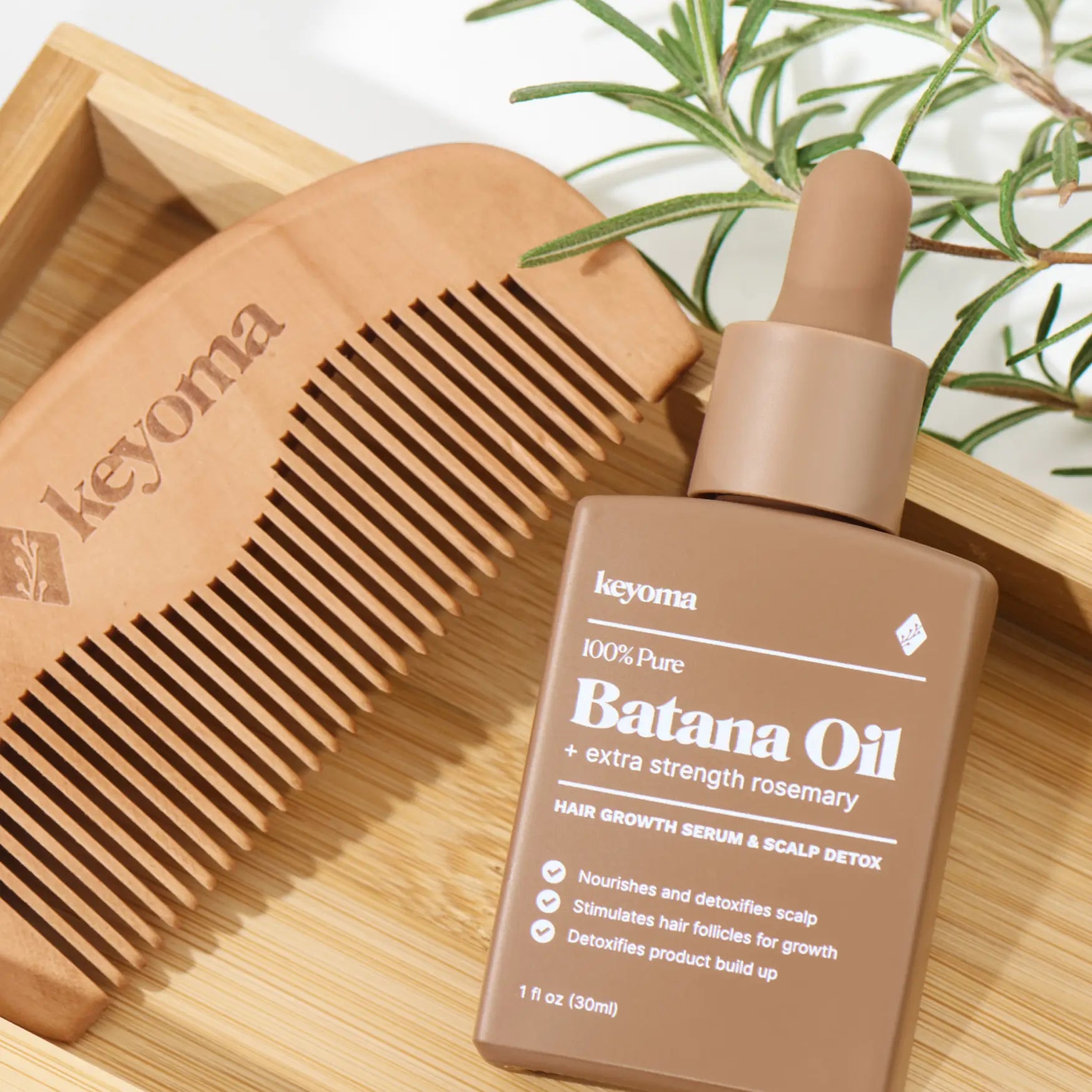
After the leave-in conditioner, use a small amount of Keyoma Batana Oil with Rosemary. Focus on the mid-lengths and ends.
This step helps hold in the moisture you just added. It can also cut frizz and boost softness. The key is keeping the amount controlled so your hair does not feel heavy.
Step 4: Adjust Based on Dryness, Frizz, and Hair Type
As time goes on, you may need to adjust the routine. Hair that feels very dry may need both products on a regular basis. Hair that already feels balanced may only need oil once in a while.
Watch how your hair reacts. If it feels heavy, use less oil. If it still feels dry, put more attention on moisture.
In the end, the best routine is the one you can keep doing and change when your hair needs it.
Use Hair Oil and Leave-In Conditioner for Balanced Moisture
What matters most is knowing that moisture and sealing are not the same job. Leave-in conditioner gives your hair the hydration it needs. Hair oil helps protect that hydration so it lasts longer.
When you use them the right way, your routine gets simpler instead of harder. You stop guessing and start responding to what your hair actually needs.
Over time, this approach can lead to softer, easier-to-manage hair that takes less effort to maintain without constant changes.
Featured Product
30% Off + 3 FREE Gifts
100% Pure Batana Oil + Rosemary
↓Best Batana Oil to Buy↓

1 Month
Subscribe & Save
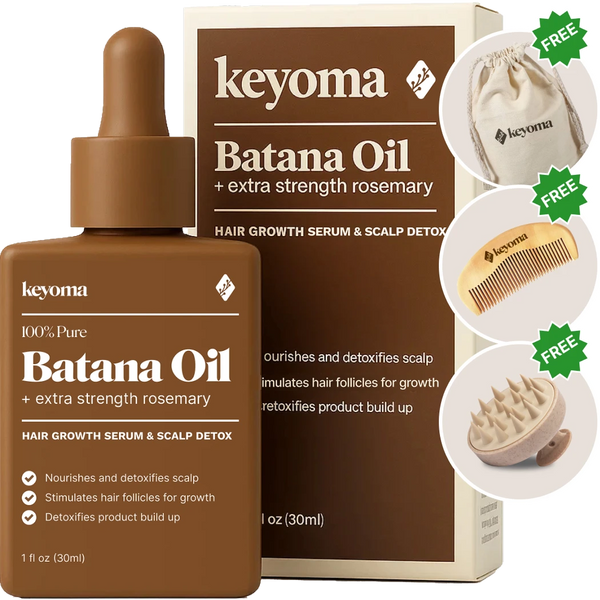


- 30-day supply delivered monthly $35
- 30% off for life $6
- Free haircare essentials kit $33
- Free custom wooden comb $10
- Free scalp massager $15
- Free eco-friendly travel bag $8
- 30-Day Money Back Guarantee
- Free Shipping
- Online portal for easy cancel, skip, or pause.
1 Month One Time Purchase
- 30-day supply $50
- 30% off for life $6
- Free haircare essentials kit $33
- Free custom wooden comb $10
- Free scalp massager $15
- Free eco-friendly travel bag $8
