7 Hair Oiling Mistakes That Cause More Hair Loss and How to Fix Your Routine
Written by

Last updated Jun 14, 2026

In this article
Hair oiling really can help support scalp comfort, soften parched lengths, and leave hair feeling stronger and easier to handle. But when the method is off, the same step that should help can start causing problems.
Too much oil, a poor oil match, bad timing, or incomplete cleansing can leave the scalp heavy, irritated, and tougher to keep balanced. In some routines, that can also make wash days harsher, raise shedding from added friction, and leave hair flatter instead of healthier-looking.
That helps explain why hair oiling gets such mixed feedback. The problem usually is not the oil itself. It is the routine built around it. Once you adjust the amount, timing, scalp match, and washout method, oiling usually works better and feels far more supportive.
Let’s explore the most common hair oiling mistakes that can lead to worse outcomes, plus practical ways to correct them so your routine helps your scalp and hair instead of dragging them down.
Key Takeaways
-
Applying too much oil can leave residue behind and make the scalp feel weighed down.
-
Keeping oil on too long may increase buildup and make wash day more difficult.
-
Using the wrong oil for your scalp type can add heaviness or worsen irritation.
-
A better oiling routine depends on the right amount, timing, and washout process.
Why Hair Oiling Can Backfire When the Routine Is Wrong
Hair oiling is supposed to support the scalp and condition the hair, but poor technique can push things in the opposite direction. Too much oil, long wear time, or weak cleansing can trap residue across the scalp surface. Over time, that may lead to itchiness, greasy roots, and more breakage during washing and detangling.
Current evidence from cosmetic dermatology suggests scalp buildup often develops when oils combine with sebum, dead skin cells, and styling residue. That layer can affect how the scalp feels and how hair responds to treatments. Instead of better growth support, you can end up with a routine that feels heavier and works less effectively.
Mistake 1: Using Too Much Oil
More oil does not mean better performance. Applying a heavy amount can sit on the scalp surface, pull in residue, and make cleansing tougher. In scalp care, excess oil rarely improves the result. Most of the time, it just creates more product to remove later.
That matters because oils, sebum, dead skin, and styling products can build up in layers over time. The papers I saw show buildup often acts like a surface film that changes how the scalp feels, makes roots greasy, and limits how effective the next treatment will be.
Too much oil can also make shampooing and rinsing less efficient. When the scalp is overloaded, it often takes more surfactant, more scrubbing, or a second cleanse to fully remove the residue. That may raise friction during washing and detangling, which helps explain why heavily oiled hair can seem to shed more on wash day even when the oil itself is not the direct cause. For me, smaller applications rinsed out more cleanly and made wash day feel easier.
A smaller, more controlled amount usually spreads better and supports the scalp without creating extra residue.
Mistake 2: Leaving Oil on the Scalp Too Long
Leaving oil on for very long stretches or sleeping in it too often can increase buildup for some people. Longer treatments may work in certain dry scalp routines, but they are not automatically more effective.
The longer an oil stays on the scalp, the more time it has to combine with sweat, natural sebum, dead skin, and leftover product. That mix can form a heavier coating that feels greasy and becomes harder to wash away fully.
This matters even more with richer oils, since they often stay on the surface longer than lighter ones. If your scalp gets oily or buildup-prone easily, a shorter wear period is usually easier to manage and works better with regular cleansing.
Shorter, controlled wear windows are often easier to manage, especially if your scalp is prone to oiliness or buildup.
Mistake 3: Choosing the Wrong Oil for Your Scalp Type
Not every oil works well for every scalp. Richer oils may support dry scalp types, but they can feel too heavy for oily or sensitive scalps.
The texture and makeup of an oil shape how it behaves. Oils higher in oleic acid usually feel richer and more coating, while lighter oils often spread faster and feel less heavy. That difference matters because scalp comfort is shaped not only by the oil itself, but also by how long it stays on the skin and how easily it washes away.
Some oils are better known for particular strengths. Coconut oil, for example, has been shown in hair research to reduce protein loss in damaged and undamaged hair, which helps explain why it appears so often in pre-wash routines. Jojoba tends to feel lighter because it behaves more like a liquid wax, so it is often easier to use on oilier scalps. Matching the oil to your scalp type helps lower the risk of heaviness, irritation, or flat-looking results.
Mistake 4: Not Washing Oil Out Properly
Even a well-chosen oiling routine can go wrong if the oil is not washed out properly. Left-behind residue can combine with sweat and styling products, creating a thicker layer across the scalp.
That layer can trap even more debris and leave the scalp feeling greasy, itchy, or weighed down. It can also make the next oiling session less useful because you are adding fresh oil on top of old residue instead of working on a cleaner scalp surface.
Proper cleansing helps reset the scalp and keep the routine balanced. For many people, that means using a wash method strong enough to remove oil without turning wash day into aggressive scrubbing, which can raise friction and make hair feel more fragile.
Mistake 5: Oiling Too Often Without a Clear Routine
Random oiling makes results harder to read. Some people apply oil too often, while others use it so rarely that they cannot tell whether it is helping.
Frequency should match your scalp type, the weight of the oil, and your wash schedule. Oily scalps usually tolerate frequent heavy oiling less well than dry scalps, while richer oils often need more intentional timing than lighter oils do.
A repeatable routine also makes it easier to judge whether changes in scalp comfort, softness, or shedding are actually connected to the oil. Without that consistency, it becomes difficult to tell whether the routine is helping or just changing too often to measure.
Mistake 6: Applying Oil the Wrong Way
How you apply oil matters just as much as which oil you pick. Some routines only coat the strands and skip the scalp, while others overload the roots and ignore the lengths.
The right placement depends on the goal. If you are aiming for scalp support, the oil should reach the scalp in a controlled amount. If the goal is reducing dryness, friction, or breakage, then the lengths and ends matter more because that is where fiber wear often shows up more clearly.
That distinction matters because the scalp and the hair fiber do not always need the same thing. A routine focused only on roots can miss dry ends, while one that only coats the hair shaft may do very little for scalp comfort. Balancing where the oil goes usually improves results without overloading one area.
Mistake 7: Using Oils Without a Hair Growth Strategy
Using oils casually without a real plan often leads to inconsistent results. Without a clear routine, it becomes harder to support scalp health or measure progress.
Hair growth routines usually perform better when they include a consistent oil choice, controlled timing, and supportive pairings. One of the best-known examples is rosemary oil.
Small human trials report that in a 2015 randomized study, rosemary oil produced hair-count improvements similar to 2% minoxidil after six months in people with androgenetic alopecia. Because rosemary oil is an essential oil, it still works best when it is diluted in a carrier oil and used within a repeatable routine instead of applied at random.
A more intentional routine makes it easier to spot improvement over time because the same oil, timing, and wash pattern are being used long enough to judge whether the routine is truly helping.
How to Build a Better Hair Oiling Routine
Improving your routine does not usually require more products. It mostly comes down to better timing, more consistency, and smarter oil selection.
Choose the Right Oil for Your Scalp Type
Pick an oil that matches how your scalp behaves, not only your hair type. Richer oils often suit dry scalp routines because they help reduce moisture loss and improve comfort. Lighter oils usually absorb faster and tend to be easier to manage on oily or sensitive scalps.
If your scalp feels tight, flaky, or dry, a richer oil may help support hydration. If it gets greasy quickly or feels congested, a lighter oil or a smaller amount may work better. Matching the oil to your scalp helps reduce buildup and makes the routine feel better over time.
Use the Right Amount Every Time
A small amount is usually enough. Using more oil does not improve the result and often just makes washing harder. Most routines work better when the oil lightly coats the scalp or hair instead of soaking it.
Keeping the amount consistent each time also makes it easier to track what is happening. When you use a similar amount regularly, it becomes easier to notice whether your scalp feels better, your hair feels softer, or buildup starts to show up.
Keep Oiling in a Washable Time Window
Oil should stay on the scalp for a period that fits your wash routine. Leaving it on too long can give it more time to mix with sweat, natural oils, and product residue, which raises the chance of buildup.
A shorter, more controlled time window makes cleansing easier and helps keep the scalp balanced. This matters most with heavier oils, since they tend to remain on the surface longer than lighter ones.
Follow a Simple Weekly Schedule
Consistency matters more than intensity. A simple weekly routine makes it easier to monitor results and adjust when needed.
For example, using oil once or twice a week before wash day creates a repeatable pattern that supports scalp care without overwhelming it. A structured schedule also helps you avoid overdoing it while still giving your scalp regular support.
A structured routine turns hair oiling into a predictable habit instead of a guesswork process, which makes it easier to maintain scalp comfort and improve how your hair responds over time.
Fix Hair Oiling Mistakes for a Calmer, Healthier Scalp
Treat hair oiling like a precise habit, not a generosity test. A routine usually starts to fail when oil stops acting like support and starts acting like residue, especially once it sits long enough to mix with sebum, dead skin, and leftover product on the scalp.
That is the clearer standard to use. A good oiling routine should leave your scalp feeling balanced and your hair easier to manage, not flatter, heavier, or harder to wash. When the amount, timing, and washout all stay controlled, oil becomes useful again instead of disruptive.
For a cleaner, more intentional way to support scalp comfort and softer lengths, reach for pure batana oil.
Featured Product

30% Off + 3 FREE Gifts
100% Pure Batana Oil + Rosemary
↓Best Batana Oil to Buy↓

1 Month
Subscribe & Save
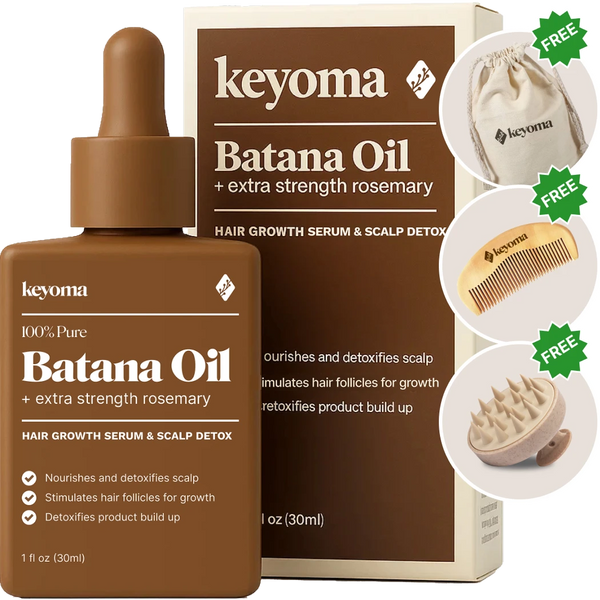


- 30-day supply delivered monthly $35
- 30% off for life $6
- Free haircare essentials kit $33
- Free custom wooden comb $10
- Free scalp massager $15
- Free eco-friendly travel bag $8
- 30-Day Money Back Guarantee
- Free Shipping
- Online portal for easy cancel, skip, or pause.
1 Month One Time Purchase
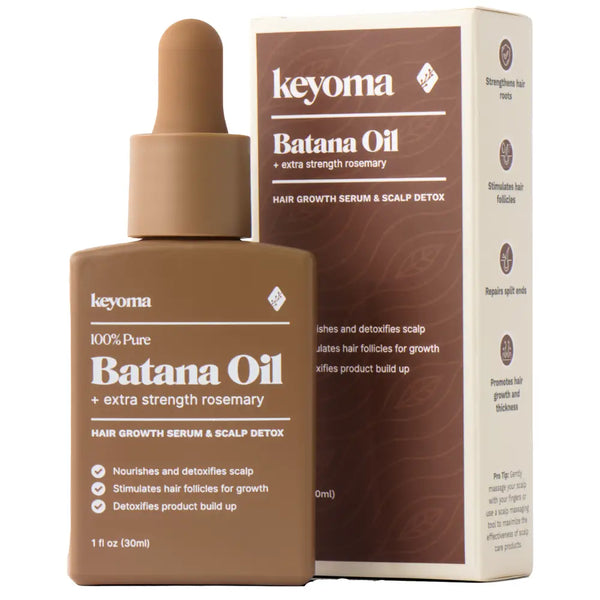
- 30-day supply $50
- 30% off for life $6
- Free haircare essentials kit $33
- Free custom wooden comb $10
- Free scalp massager $15
- Free eco-friendly travel bag $8
