Reasons Why Your Hair Stopped Growing and How to Support Hair Growth
Written by
Published on Dec 17, 2025

In this article
You roll out of bed hoping for a fresh hair milestone, yet the length in the mirror looks unchanged, day after day. That can feel discouraging. You rotate through products and follow every tip, but your strands seem stuck at the same point.
Before you settle for slick-back styles or think about another set of extensions, take a closer look. What if the slowdown is not only genes or neglect, but a solvable issue hiding in plain sight?
Key Takeaways
-
Hair length depends on the growth cycle, which genetics sets at two to six years.
-
Aging shortens growth cycles and reduces scalp oil, raising dryness and breakage risk.
-
Low iron, vitamin D, zinc, B vitamins, or collagen may slow growth.
-
Stress, scalp buildup, harsh products, and breakage can limit visible length gains.
Why Won’t My Hair Grow?
There are several possible reasons your hair is not getting longer. Hair usually grows about half an inch each month, which totals around six inches a year. That pace varies with factors like genetics, age, and the overall condition of your hair.
Some people have a longer growth phase, so their hair can reach greater lengths. Others deal with breakage or shedding that masks growth. Below, you will find nine common causes behind stalled length if you are wondering why your hair will not grow or keeps stopping at the same spot.
9 Reasons Your Hair Stopped Growing

If your hair seems frozen at one length no matter what you try, you are not alone. Many people ask why their hair will not grow, even with a steady routine and good products. It is tough to feel like you do everything right and still do not see change.
If you keep asking why your hair is not getting longer, there may be hidden reasons to consider. In the next sections, we break down the most frequent causes of slow growth and share practical ways to build stronger, healthier strands.
1. Genetics
It might surprise you that hair does not stop at a preset length. It stops when the growth phase ends. Your growth phase depends on your genes and can span from two to six years.
Once a strand reaches the end of that cycle, it stops lengthening and eventually breaks or sheds. Genetics can also influence thyroid hormone levels, which may affect how well your hair grows.
2. Age
With age, the hair growth cycle often shortens. Over time, a six-year cycle can shift closer to two years, which leads to finer hair and less length. Your scalp can also make less oil as you get older, leaving hair drier and more prone to splits and breakage.
3. Diet
If growth has slowed, you might not be getting the nutrients that support it. Key vitamins and minerals for healthy hair include:
-
Iron (in lean meats, spinach)
-
Vitamin D (mushrooms, eggs, yogurt)
-
Zinc (red meat, nuts, beans)
-
B-Complex Vitamins (biotin is often highlighted)
-
Collagen (bone broth, leafy greens)
4. Excessive Shedding
Shedding is a normal part of the cycle and happens to everyone, even people with very full hair. But if hair falls faster than it regrows, you will not see length gains. In that case, extra shedding can be why you cannot get past a certain point.
5. Stress
Stress can also slow growth. Both emotional and physical stress is linked to hair loss because it disrupts the growth cycle. Finding ways to unwind supports your mental health and your hair. Meditation, movement, and a hair mask while you watch a show are simple options to ease stress.
6. Scalp Health
An unhealthy scalp can clog follicles, slow growth, and create irritation or buildup. Issues like dandruff, psoriasis, or congestion at the follicle level can stall growth at the root. Keeping your scalp clean and balanced is key for steady progress. Use a gentle scalp scrub or clarifying shampoo weekly and steer clear of heavy buildup.
7. Hormonal Imbalances
Hormones play a direct role in the hair growth cycle. Imbalances from thyroid conditions, PCOS, pregnancy, or menopause can cause thinning or stalled growth. If hair changes show up with skin or mood shifts, a healthcare professional can help you figure out what is going on.
8. Harsh Products
Washing too often or using shampoos with sulfates, certain alcohols, or heavy silicones can strip natural oils and weaken the cuticle. That leaves hair dry, brittle, and slower to gain length over time. Try washing less frequently and choose nourishing, sulfate-free options.
9. Hair Breakage
Breakage is a frequent reason it looks like your hair is not growing. If strands snap as fast as they grow, you will not gain length. Everyday habits can add to breakage. Here is what to watch for.
How to Support Hair Growth

Ready to make progress you can see? These everyday habits set up the best conditions for healthy growth while protecting the length you already have.
If you feel stuck at a plateau, the problem is often not growth speed but breakage, dryness, and rough handling. The steps below focus on scalp comfort, cutting down friction, and keeping strands strong from root to tip.
Detangle Your Hair Before Washing It
Detangling before you shower helps stop knots from tightening when hair gets wet, which is when strands are most fragile. Use a wide-tooth comb, start at the ends, and move up slowly so you do not tug at the roots.
When you hit a tough knot, pause and work it loose instead of forcing the comb through, since that is where most snapping starts. A quick minute here can make wash day easier and protect the length you are trying to keep.
Wash Your Hair With Cool Water
Very hot water can dry out your scalp and hair, leaving strands rough and more likely to break. Keep the water lukewarm while you cleanse and focus shampoo on the scalp to lift sweat, oil, and buildup without over-washing your ends.
After rinsing, apply conditioner and give it time to soften and add slip. If you can handle it, finish with a short cool rinse to help hair feel smoother and look shinier, especially if frizz is an issue.
Batana Oil With Rosemary
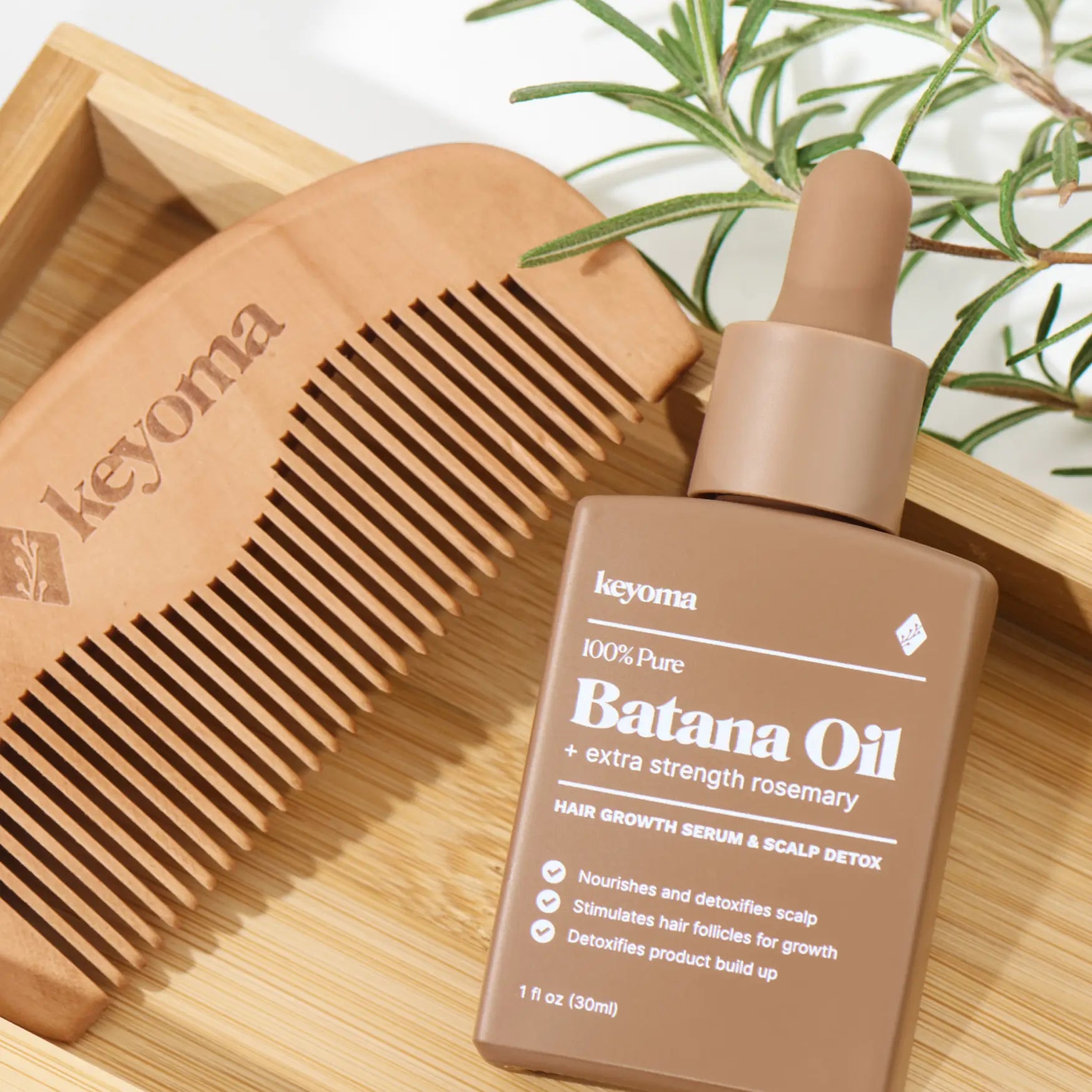
Keyoma batana oil with rosemary deserves its own step because it can keep the scalp comfortable and help preserve length when used consistently and in the right amount.
Apply a small amount to the scalp in a few clean parts, then massage for one to two minutes to spread it evenly. If your ends feel dry, smooth a thin layer through the mid-lengths and ends, focusing on fragile spots.
Leave it on for thirty to sixty minutes, then shampoo well and follow with conditioner so you do not leave heavy residue. Start one to two times a week and adjust by how your scalp feels, since overusing it can cause buildup. If you notice itching, burning, or irritation, stop and simplify your routine.
Keep Your Hair Hydrated
Conditioning every time you shampoo is one of the easiest ways to keep length because hydrated hair bends instead of snapping. Apply conditioner from mid-shaft to ends, where hair is older and usually drier, then let it sit a few minutes before you rinse.
If hair still feels dry after washing, a light leave-in can cut friction while it dries and when you style. Over time, steady hydration can make detangling smoother and reduce the snaggy feel that leads to breakage.
Massage Your Scalp
Product, sweat, and oil can build up on the scalp, making roots feel heavy and causing itch or irritation for some. A gentle massage on wash day helps lift residue and supports a cleaner scalp without harsh scrubbing.
Use fingertips or a soft scalp brush with light pressure, especially where you notice more oil or flakes. Keep it comfortable, since pressing too hard can leave your scalp sore and work against you.
Air Dry Your Hair
Wet hair is delicate, so drying technique matters. Rough towel-drying can raise the cuticle, add frizz, and cause breakage, especially if you twist hair tightly in a heavy towel. Instead, squeeze out extra water, then blot gently with a soft towel or cotton T-shirt.
Let hair air dry when you can, and try not to touch it much while it dries because repeated friction creates tangles and roughness. If your hair knots as it dries, a small amount of leave-in can help keep strands separated and smoother.
Use Heat Protectant
If you style with heat, use a protectant to coat strands and lessen direct heat stress. Apply it evenly before blow-drying, curling, or straightening, then choose the lowest temperature that still does the job for your hair.
Avoid multiple passes on the same section and make sure hair is fully dry before a flat iron. Finer or thinning hair usually needs less heat, not more, and turning the temp down is one of the fastest ways to reduce breakage over time.
Try a Professional-Grade Hair Treatment
If your hair feels weak, breaks easily, or looks dull even with regular conditioner, a targeted treatment can help your strands hold up better between washes. A strengthening or repair product can support fragile areas and reduce the snapping that keeps you at the same length.
Apply after shampooing and focus on mid-lengths and ends unless directions say it is meant for the scalp, then follow the timing and rinse well. The goal is not instant growth, but better durability so you keep more of what you grow.
Regrow Your Hair With Keyoma Batana Oil
Stop blaming slow growth and check length retention. Scalp hair can stay in the growth phase for years, so a “stall” often means breakage or shedding is outrunning you.
Once or twice a week, massage Keyoma batana oil with rosemary into clean parts for one minute, leave it on 30 to 60 minutes, then shampoo well so you do not get buildup.
Ready to keep more length? Buy Keyoma batana oil with rosemary direct from Keyoma.
Featured Product
30% Off + 3 FREE Gifts
100% Pure Batana Oil + Rosemary
↓Best Batana Oil to Buy↓

1 Month
Subscribe & Save
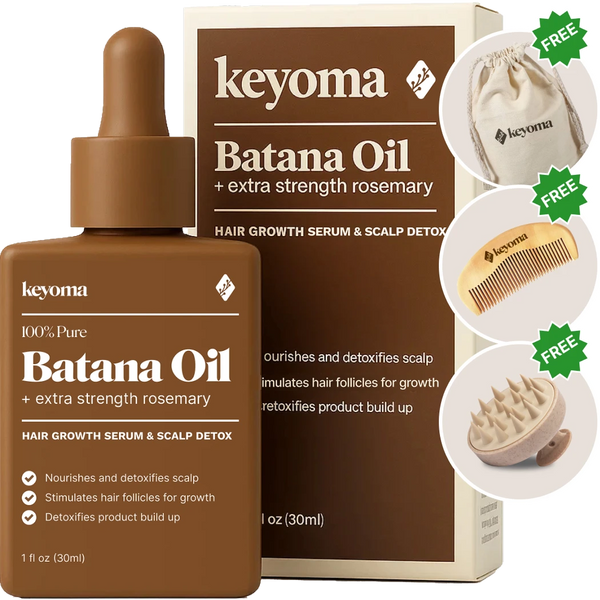


- 30-day supply delivered monthly $35
- 30% off for life $6
- Free haircare essentials kit $33
- Free custom wooden comb $10
- Free scalp massager $15
- Free eco-friendly travel bag $8
- 30-Day Money Back Guarantee
- Free Shipping
- Online portal for easy cancel, skip, or pause.
1 Month One Time Purchase
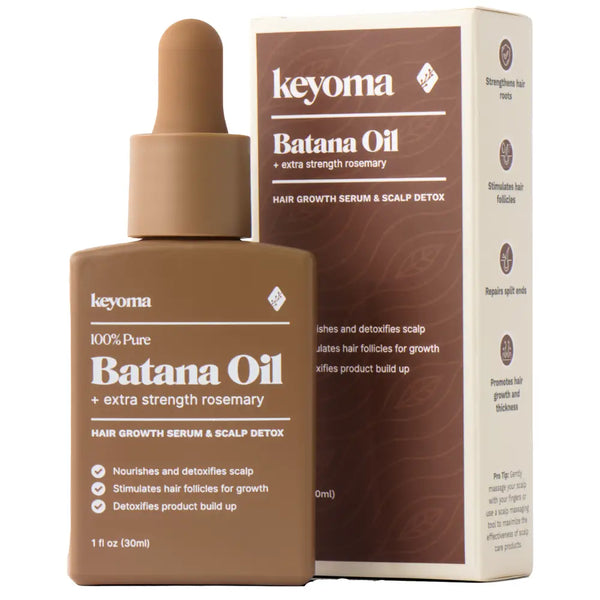
- 30-day supply $50
- 30% off for life $6
- Free haircare essentials kit $33
- Free custom wooden comb $10
- Free scalp massager $15
- Free eco-friendly travel bag $8
