

In this article
If you’ve ever stood in the hair care aisle debating between a glossy bottle of oil and a sleek supplement promising thicker strands from within, you’re not alone. The question isn’t just which one sounds more impressive. It’s which one actually makes sense for your hair.
Hair supplements and hair oils approach the same concern from completely different angles. One works internally, aiming to support your body’s nutrient levels. The other focuses on your scalp and strands directly, helping improve how your hair looks and feels right now.
So which is better? The answer depends on what your hair is asking for. Ahead, we break down how each works, who they’re best for, and how to decide whether you need inside support, topical care, or a little of both.
Key Takeaways
-
Supplements may help when nutrient deficiencies affect growth, but results stay gradual.
-
Hair oils work on scalp and strands, improving softness, slip, and shine quickly.
-
Thinning from genetics may not change much, even with high dose vitamins.
-
Using supplements with oil can address internal needs and reduce breakage externally.
What Are Hair Supplements?

Hair supplements are pills, gummies, or powders that aim to support hair from the inside out, usually by filling possible nutrient gaps that can affect growth and strength.
Do hair supplements actually work? Sometimes. It depends on why your hair is thinning or shedding in the first place. If you’re low in certain nutrients, a supplement may help. If you’re not deficient, results can be minimal.
How Hair Supplements Work
Hair supplements can support hair growth from the inside out. They are nutritional support, not a quick fix. Hair growth depends on having enough nutrients, and when you are deficient, hair changes can be noticeable.
Most formulas include common hair-related nutrients like biotin (keratin support), zinc (cell repair and skin function), and vitamin D (follicle cycling). Supplements may help when diet or absorption falls short, but if your levels are already normal, more does not always improve hair.
They do not work on strands directly. They act systemically, and changes are usually gradual. Experts agree they may support the growth environment, but they will not instantly thicken hair, fix split ends, or override genetics.
Common Hair Vitamins: Biotin, Zinc, Vitamin D
Most hair supplements feature biotin, zinc, and vitamin D, though their roles are often simplified. Biotin supports keratin production, the protein that forms hair. True deficiencies are rare, and while correcting one may improve hair and nails, extra biotin does not guarantee thicker strands if levels are already normal.
Zinc supports cell turnover and a healthy scalp. Low levels have been linked to shedding in some cases, which is why it appears in many formulas. Vitamin D has been associated with certain types of hair loss. Many specialists suggest testing levels before supplementing rather than guessing.
Overall, these vitamins support biological processes tied to hair growth. They work best when addressing a real deficiency, not as a shortcut to fuller hair.
Hair Supplements for Thinning Hair
Hair supplements can help with thinning hair, but only in the right situation. Thinning is a symptom, so dermatologists try to identify the cause first. Supplements make the most sense when thinning is tied to something measurable, such as low protein or calories, shedding after illness, stress, postpartum changes, or rapid weight loss, suspected low iron or vitamin D with fatigue, or brittle nails and breakage that suggest a nutrition gap.
If thinning is mostly genetic, supplements may support hair quality over time but rarely change the overall pattern. They can help cover gaps, but they do not replace a workup when thinning is sudden, patchy, or paired with scalp symptoms like burning, flaking, or tenderness. Use supplements as a targeted add-on, consider labs if thinning persists, and allow enough time to judge results.
Do Hair Supplements Work Without a Deficiency?
If your labs are normal, a hair supplement usually will not make a dramatic difference. Hair does not store extra nutrients, so once your body has enough, surplus vitamins are not reliably directed to follicles. This is why high doses of biotin or zinc without a deficiency often add cost without thicker hair.
There are gray areas. Subclinical deficiencies, restrictive diets, high stress, and absorption issues can affect hair even when lab values stay in range, so supplements may offer subtle support. Still, they do not override biology. If thinning is genetic, hormone driven, or linked to scalp inflammation, vitamins are unlikely to be the main solution.
When unsure, testing before supplementing is the more strategic approach because it helps you decide what, if anything, you need.
What Is Hair Oil?

Hair oil is less about changing how fast your hair grows and more about changing how it behaves day to day.
At its simplest, it is a blend of plant based oils designed to sit on the scalp and strands. Some formulas are lightweight and absorb quickly. Others are richer and meant to seal in moisture. The goal is not internal nutrition. It is surface level support.
How Hair Oil Works on the Scalp and Hair
Hair oil does not “feed” hair like supplements. It works on the surface, interacting with the scalp barrier and the outer layer of each strand. Scalp massage with oil can soften buildup and loosen debris around follicles, and massage can temporarily increase blood flow, which may improve how the roots look and feel.
On hair lengths, oil coats the cuticle, smooths rough edges, and reduces water loss. This can mean less tangling, less friction against clothing and pillows, and fewer snapped ends over time. Lightweight oils suit fine hair, while richer oils work better for thick, coarse, or very dry hair that needs more sealing.
Hair Oil for Dry Scalp
A dry scalp often itches, flakes, and feels tight, especially in cold weather or after overwashing. Hair oil can help when dryness is the main issue by supporting the barrier, softening dead skin, reducing water loss, and slowing moisture evaporation. Many notice less tightness and fewer visible flakes within a few uses.
Lightweight oils like jojoba can mimic natural sebum and rebalance without heaviness. Richer oils such as argan or batana may suit very dry, textured, or overprocessed hair that needs stronger sealing.
Topical Oil for Hair Shedding
Shedding can feel alarming when you notice more strands than usual. Topical oil is not an instant fix, but it can affect how shedding looks and feels.
Oil helps distinguish shedding from breakage. Shedding occurs at the root as part of the hair cycle, while breakage happens along the shaft. Oils cannot stop the growth cycle, but they can reduce dryness and friction that cause fragile strands to snap.
Some oils also soften scalp buildup and improve slip at the root. Gentle massage can calm a tight or inflamed scalp. Shedding will not stop overnight, but reducing scalp stress may help limit added strain on follicles.
Batana Oil for Hair Growth
Batana oil is often grouped with castor or rosemary as a growth oil, but its value comes from its composition. Derived from the American palm tree, it is rich in fatty acids and antioxidants. On the scalp, it provides conditioning and barrier support. On strands, it adds slip, softness, and protection against moisture loss, making hair feel smoother, look glossier, and tangle less.
It does not directly change the hair cycle. Instead, it helps reduce breakage and support a healthier scalp environment, which can improve length retention. That retention is often mistaken for faster growth.
Hair Supplements vs. Hair Oil: The Main Differences

They may promise similar results like healthier hair, less shedding, and more density, but they work differently.
Hair supplements act internally by supporting nutrient levels that affect follicle function over time. Hair oils work externally, improving scalp comfort, protecting strands, and enhancing visible texture. One targets biology. The other targets condition.
This difference matters when choosing where to focus. If thinning stems from a dietary gap or deficiency, a supplement may help. If dryness, breakage, or scalp imbalance is the issue, a topical oil often brings more immediate improvement.
Inside Support vs. Topical Support
Internal support works systemically. Supplements affect nutrient levels, hormone balance, and follicle function over time, with changes that develop gradually and may not be visible at first.
Hair oil conditions the scalp, smooths the cuticle, and reduces friction that leads to breakage. Results are more immediate, such as softer hair, calmer scalp, and added shine.
Neither is better overall. They address different issues. Deficiencies or internal imbalances may require supplements, while dryness, irritation, or mechanical damage need external care.
Hair Growth vs. Hair Breakage Repair
Hair growth and breakage repair are often confused but address different issues. Growth happens at the follicle and affects how quickly new strands emerge and how long they stay before shedding. It is influenced by genetics, hormones, overall health, and sometimes nutrient status.
Breakage repair focuses on the strand. Dry, overprocessed, or roughly handled hair can snap mid length, making it look thinner even if root growth is unchanged.
Supplements aim to support growth internally. Oils and topical treatments reduce breakage by smoothing the cuticle, improving flexibility, and limiting friction. If strands are snapping, conditioning may help. If density at the scalp is decreasing, the issue is likely beneath the surface. Choosing between a capsule and a bottle depends on whether you want to stimulate new growth or protect existing length.
Faster Results vs. Slower Results
Topical oils deliver quick results. Within a few uses, hair may look shinier, feel softer, and appear less frayed. A dry, tight scalp can feel better after one massage. The change is visible and immediate.
Because they act internally, results depend on the hair growth cycle. It can take weeks or months to notice new length, and changes are usually subtle.
Neither is better. Oils suit short term surface improvement, while supplements support gradual internal changes tied to nutrient balance and resilience.
Can You Use Hair Supplements and Hair Oil Together?
Yes, but they should not target the same problem.
Using a supplement and hair oil together can address hair from two angles. A supplement supports internal factors tied to follicle function. An oil conditions existing strands, reduces dryness, improves flexibility, and limits breakage. They work in different spaces.
More products do not guarantee better results. If thinning is genetic, a supplement will not reverse it. If damage is external, a capsule may do little. The best results come when each product has a clear purpose. Internal support builds long term resilience. External care manages immediate dryness and shine.
How to Use Hair Supplements and Hair Oil Together

Pairing a supplement with hair oil works best when it is intentional. Assign clear roles. A supplement supports internal processes over time. An oil improves scalp and strand condition in the present. With defined purposes, the routine stays simple.
Consistency matters more than complexity. Take your supplement daily at the same time. Use oil in a way that fits your schedule, such as weekly scalp massage or light pre wash application. The two should complement your routine.
Track progress realistically. Internal changes are gradual, while external improvements in shine and texture appear faster. Comparing both timelines helps manage expectations.
The next steps outline a simple way to combine them without overcomplicating your routine.
Step 1: Pick Your Main Goal (Thinning, Shedding, Dry Scalp, or Breakage)
Before choosing a product, identify what is actually bothering you. A widening part suggests thinning. More strands in the shower may mean shedding. A tight or flaky scalp points to dryness. Snapping and fraying indicate breakage.
Each concern falls into a different category. Thinning and ongoing shedding often relate to internal factors. Dryness and breakage are usually surface issues tied to moisture balance and mechanical stress.
Clear diagnosis prevents overcorrecting. Breakage is not the same as hair loss, and not every shed strand signals a major problem.
Take a week to observe patterns. Note texture, scalp comfort, and where changes appear most. Once your main issue is clear, it is easier to build a routine around it.
Step 2: Choose the Supplement Based on Likely Needs (Not Hype)
The supplement aisle is designed to impress with long ingredient lists and bold claims. Instead of choosing the most complex formula, narrow your focus to what you actually need.
If your diet is inconsistent or restrictive, a balanced multinutrient may be enough. If you suspect low iron or vitamin D, test first and choose something targeted. If shedding followed stress or illness, patience may matter more than extra capsules.
More is not always better. High doses can cause side effects, interact with medications, or go unused. A streamlined formula that matches your likely gaps is often more practical than a trend driven blend.
Supplements should feel simple and sustainable. The right one is consistent, appropriate, and easy to maintain.
Step 3: Choose the Hair Oil Based on Your Scalp Type
Not all oils are the same, and your scalp often signals what it prefers. If roots feel tight, flaky, or reactive, choose lighter oils that mimic natural sebum. Jojoba absorbs easily, avoids heavy residue, and can rebalance without flattening hair.
If your scalp is oily but ends are dry, focus application on mid lengths and ends, using only a small amount near the roots. A lightweight blend can soften without causing buildup.
For very dry, coarse, or textured hair, richer oils like batana or argan provide more cushioning. They add slip, seal moisture, and reduce friction that leads to fraying.
Start small. A few drops massaged in are usually enough. Add more only if needed. The right oil should leave your scalp comfortable and strands smoother, not weighed down.
Step 4: Set a Simple Timeline for Checking Results
Progress depends on what you are using. Supplements require patience. Hair grows in cycles, so new strands take time to appear and strengthen. Give a formula at least eight to twelve weeks before judging results.
Improvements in softness, shine, and scalp comfort can appear within days or weeks. That does not mean growth has changed, but texture and manageability often improve sooner.
Track a few simple markers instead of checking daily. Photograph your part monthly, note shedding over a week, and observe scalp comfort between washes. A realistic timeline helps you see whether a product needs more time or is not delivering.
Step 5: Use Supplements Consistently and Track Tolerance
Consistency turns a supplement into a useful experiment. Take it as directed at the same time each day, pairing it with an existing habit so it becomes automatic.
Pay attention to how your body responds. Notice digestive changes, skin reactions, headaches, or fatigue. Even well formulated supplements can feel different from person to person.
If you experience discomfort, scale back or pause and speak with a healthcare professional. Hair support should not compromise overall wellbeing.
A weekly check can reveal patterns in shedding, texture, or scalp comfort that daily mirror checks may miss.
Step 6: Apply Hair Oil the Right Way for Scalp and Lengths
How you apply oil matters as much as the formula. For scalp comfort, part hair in sections and apply a small amount to the roots. Use your fingertips to massage in slow circles, distributing evenly without causing stress.
If dryness and breakage are the focus, apply to mid lengths and ends. Warm a few drops between your palms and smooth downward. Aim for slip and flexibility, not saturation.
Timing is flexible. Use it as a pre shampoo treatment for 20 to 30 minutes or apply a small amount to the ends overnight, as long as buildup is avoided.
Use less than you think. Hair should feel supple and lightly nourished, not greasy. Applied thoughtfully, oil supports your routine without overwhelming it.
Step 7: Adjust Based on What Changes First (Scalp Feel vs. Shedding vs. Breakage)
Your scalp may feel calmer before shedding changes, or your ends may look stronger while your part stays the same. That does not mean the routine is failing. Different concerns improve at different speeds.
If scalp comfort improves but shedding remains steady, stay consistent and give internal support more time. If breakage decreases and ends feel thicker, that is progress, even if root growth is unchanged.
If irritation increases, shedding spikes, or hair feels heavy, scale back. Use fewer products and smaller amounts. Hair care works best when responsive. Adjust gradually instead of making drastic changes.
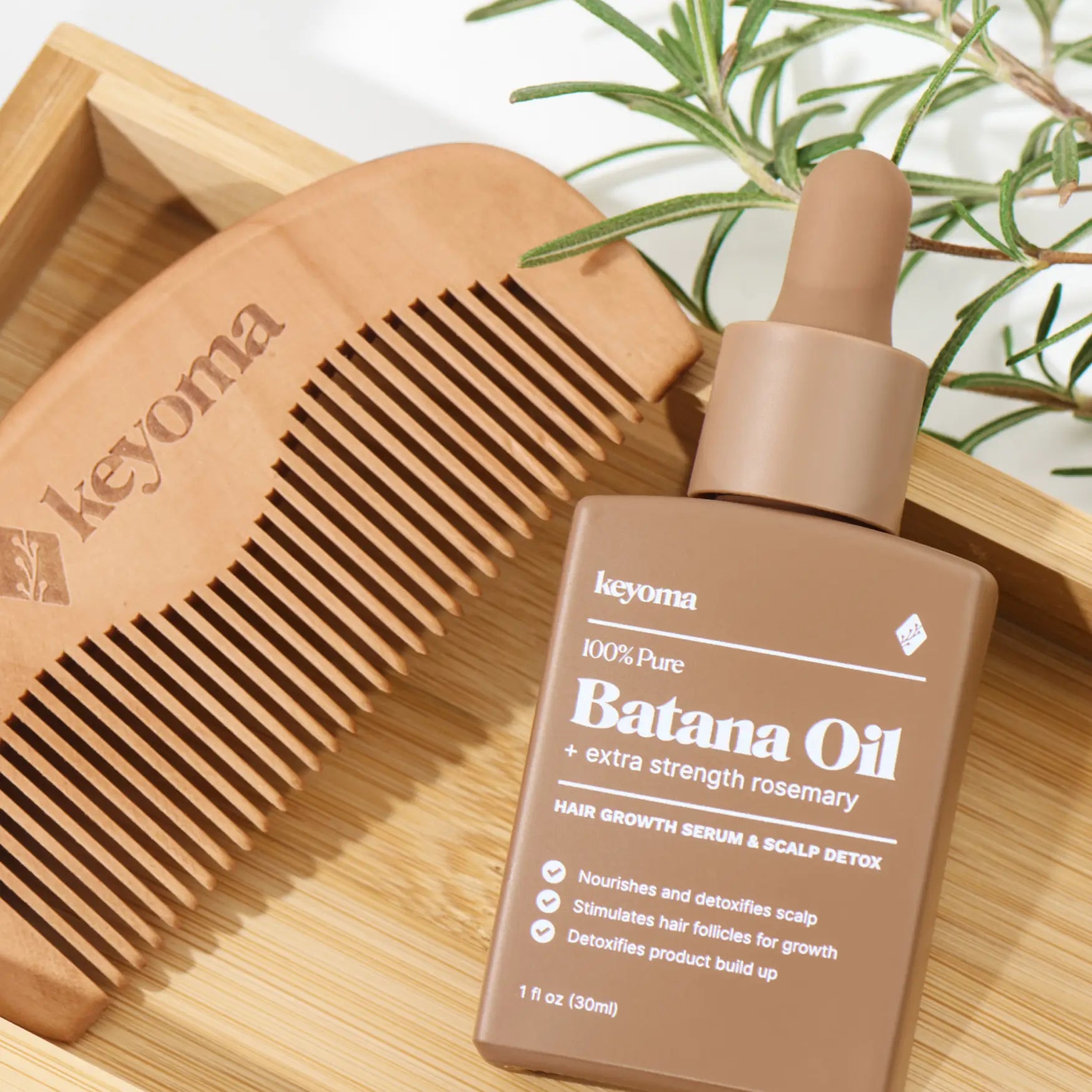
Pair Hair Supplements With Keyoma Batana Oil
Choose pure batana oil when you want stronger length retention, not instant “growth.” Batana’s real value is how it supports slip and flexibility, which lowers the everyday friction that makes overprocessed hair look thinner.
The non-obvious shift is to measure progress by what stops happening: fewer snapped ends, less roughness, and less tangling between washes, even before anything looks “thicker.”
Keep your expectations realistic on timing, since visible change often takes weeks or months when you are dealing with damage and the hair cycle. Commit to one steady support lane, and let batana oil be the simplest part of it.
Featured Product
30% Off + 3 FREE Gifts
100% Pure Batana Oil + Rosemary
↓Best Batana Oil to Buy↓

1 Month
Subscribe & Save
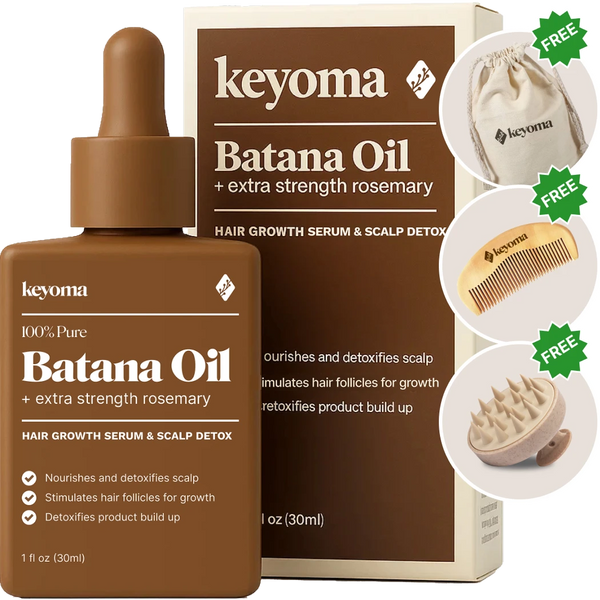


- 30-day supply delivered monthly $35
- 30% off for life $6
- Free haircare essentials kit $33
- Free custom wooden comb $10
- Free scalp massager $15
- Free eco-friendly travel bag $8
- 30-Day Money Back Guarantee
- Free Shipping
- Online portal for easy cancel, skip, or pause.
1 Month One Time Purchase
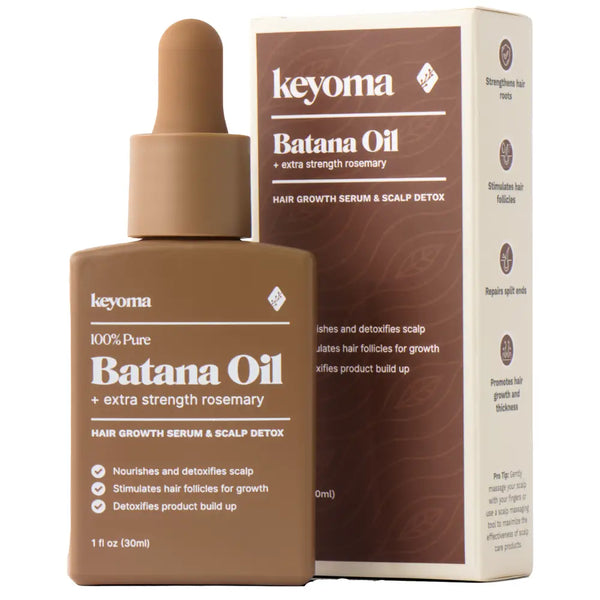
- 30-day supply $50
- 30% off for life $6
- Free haircare essentials kit $33
- Free custom wooden comb $10
- Free scalp massager $15
- Free eco-friendly travel bag $8
