

In this article
Hair tonic and hair serum are not the same product. A hair tonic usually focuses on the scalp and roots, while a hair serum usually focuses on the hair surface, mid-lengths, and ends. That difference matters if you are trying to fix greasy roots, dry ends, frizz, dullness, flakes, or a routine that feels too heavy.
One is not automatically better. The better choice depends on the problem you want to solve. If your scalp feels dry, tight, oily, or flat, a tonic may fit better. If your ends look rough, frizzy, or dull, a serum may be more useful. If your hair needs deeper softness before wash day, a hair oil can play a separate role without replacing every tonic or serum.
Key Takeaways
-
Use tonic when your main concern is the scalp or roots.
-
Use serum when your main concern is frizz, shine, or dry ends.
-
Keep serum away from the scalp to avoid greasy roots.
-
Use hair oil as a pre-wash treatment when hair needs nourishment.
What Is the Difference Between Hair Tonic and Hair Serum?
The main difference is placement. Hair tonic usually belongs on the scalp and roots, where it can help with freshness, light hydration, scalp comfort, and the look of lift. Hair serum usually belongs on the mid-lengths and ends, where it coats the hair surface to smooth frizz, add shine, and help hair feel softer.
Texture also separates the two. Tonics are often watery, lightweight, or lotion-like. Serums are often slicker, smoother, and more concentrated because many are made to coat the strand. Some formulas overlap, especially when brands use terms like scalp serum, root tonic, hair oil, or leave-in treatment. Still, the best way to choose is to look at where the product is meant to go.
|
Product |
Main Purpose |
Where to Apply |
Texture |
Best Use Case |
Common Mistake |
|
Hair tonic |
Scalp comfort, freshness, light root support |
Scalp and roots |
Watery, light, or lotion-like |
Dry scalp feel, oily roots, flat roots, light scalp care |
Using a heavy tonic on an oily or sensitive scalp |
|
Hair serum |
Frizz control, shine, smoothness, styling polish |
Mid-lengths and ends |
Smooth, slippery, or silicone-like |
Dry ends, frizz, dullness, heat-styled hair |
Applying it too close to the roots |
|
Hair oil |
Pre-wash nourishment and softness support |
Scalp, strands, or ends depending on hair type |
Oily, rich, or cushiony |
Dry, coarse, curly, damaged, or high-porosity hair |
Leaving too much oil on fine or oily hair |
Hair Tonic
Hair tonic is usually a scalp-focused product. Many formulas are made to refresh the roots, add light hydration, reduce a tight scalp feel, or give hair a fresher base before styling. Some tonics also add a little texture or volume at the roots, which can help if your hair falls flat after washing.
Hair tonics may help hydrate the scalp, add shine, support volume, and improve texture, but it also warns that oily or sensitive scalps need caution because formulas vary. That caution is important. A tonic with fragrance, alcohol, menthol, essential oils, or strong active ingredients may feel refreshing for one person and irritating for another.
A tonic is not a guaranteed hair-growth solution. Some scalp formulas may support a better-feeling scalp environment, but that is different from proving new growth. Sudden shedding, patchy hair loss, scalp pain, bleeding, or persistent irritation should be discussed with a dermatologist.
Hair Serum
Hair serum is usually a strand-focused product. It coats the hair surface so the hair looks smoother, shinier, and more polished. It is especially useful when your ends look dry, your hair expands in humidity, or heat styling leaves your strands looking rough.
Medical News Today describes hair serum as a styling product that coats the hair surface and may help with shine, frizz, and heat damage protection depending on the formula. Healthline also advises using a small amount on clean, damp hair and avoiding the roots.
Serum can make hair look sleek fast, but it can also make roots greasy if you apply it too high. Most people get better results by starting at the ends, then lightly smoothing the leftover product through the mid-lengths.
Hair Tonic vs. Hair Serum: Quick Comparison

Choosing between hair tonic and hair serum becomes easier when you separate scalp problems from strand problems. Greasy roots, tightness, flakes, and flat roots point toward the scalp. Frizz, dullness, rough ends, and styling damage point toward the strands.
Many people need only one product. Others can use both, as long as each product stays in its proper zone. Tonic goes where the hair grows from. Serum goes where the hair needs polish.
Scalp Comfort, Flakes, Oil Balance, and Root Freshness
A tonic may be the better option when your scalp feels uncomfortable between wash days. A lightweight tonic can help the scalp feel fresher, especially if your roots get oily but your lengths still feel dry. Some people also like tonics because they make the scalp feel less tight after shampooing.
Flakes need a little more care. A cosmetic tonic may help with dryness-related discomfort, but flakes can come from several causes, including dandruff, irritation, psoriasis, product buildup, or allergy. The AAD notes that an itchy scalp with a rash may come from allergic contact dermatitis, including reactions to products that touch the scalp.
If your scalp burns, stings, breaks out, or gets itchier after using a tonic, stop using it. Scalp care should make your routine feel calmer, not more reactive.
Frizz, Shine, Heat Styling, and Dry Ends
Serum is usually the better choice when your hair looks frizzy, puffy, dull, or rough after washing. A small amount can smooth the outer surface of the hair, add slip, and help ends look more finished. It also works well before or after styling, depending on the product directions.
Heat styling makes serum more relevant, but not every serum is a true heat protectant. Look for a formula that clearly says it offers heat protection if you use a blow-dryer, flat iron, or curling iron. A shine serum alone may make hair look smoother, but it should not be treated as full styling protection unless the label supports that use.
Dry ends often need less product than people think. Start with a pea-sized amount, rub it between your palms, then press it into the ends first. Add more only if your hair still looks rough.
Fine, Curly, Damaged, or Color-Treated Hair
Hair type changes how these products behave. Fine hair can become oily or flat quickly, so lightweight tonic and tiny amounts of serum are usually safer. Apply serum only to the last few inches unless your hair is long enough to need more.
Curly and coily hair may benefit from both. A scalp tonic can refresh the roots, while a serum can help seal the look of frizz and add shine after leave-in conditioner or curl cream. Richer hair types may also tolerate oil better, especially before shampooing.
Damaged or color-treated hair often feels rough because the cuticle is more vulnerable. Serum can improve slip and shine, but it does not permanently repair split ends. Oils can support softness and reduce a dry feel, but they also do not reverse chemical damage. Trims, gentle handling, lower heat, and consistent conditioning still matter.
Should You Use Hair Tonic or Hair Serum?
Use hair tonic if your main concern is the scalp. That includes root freshness, scalp dryness, light flakes from dryness, post-wash tightness, or flat roots. A tonic can be especially helpful when your hair feels clean at the ends but your scalp feels uncomfortable or oily.
Use hair serum if your main concern is the visible hair strand. That includes frizz, dullness, rough ends, flyaways, or a need for smoother styling. Serum is often the better finishing product because it gives a faster cosmetic result on the surface of the hair.
You can use both if you keep them separate. Put tonic on the scalp and serum on the mid-lengths and ends. Problems usually start when serum touches the roots, tonic is overused, or too many products are layered without checking how your hair responds.
For a simple decision, match the product to the problem:
-
Choose tonic for scalp feel, root freshness, and light volume.
-
Choose serum for frizz, shine, smoothness, and dry-looking ends.
-
Choose oil when your hair needs richer pre-wash nourishment.
-
Use both tonic and serum when your scalp and ends need different support.
A smaller routine done well often works better than a crowded routine done inconsistently.
How Keyoma Batana Oil Can Fit a Pre-Wash Routine
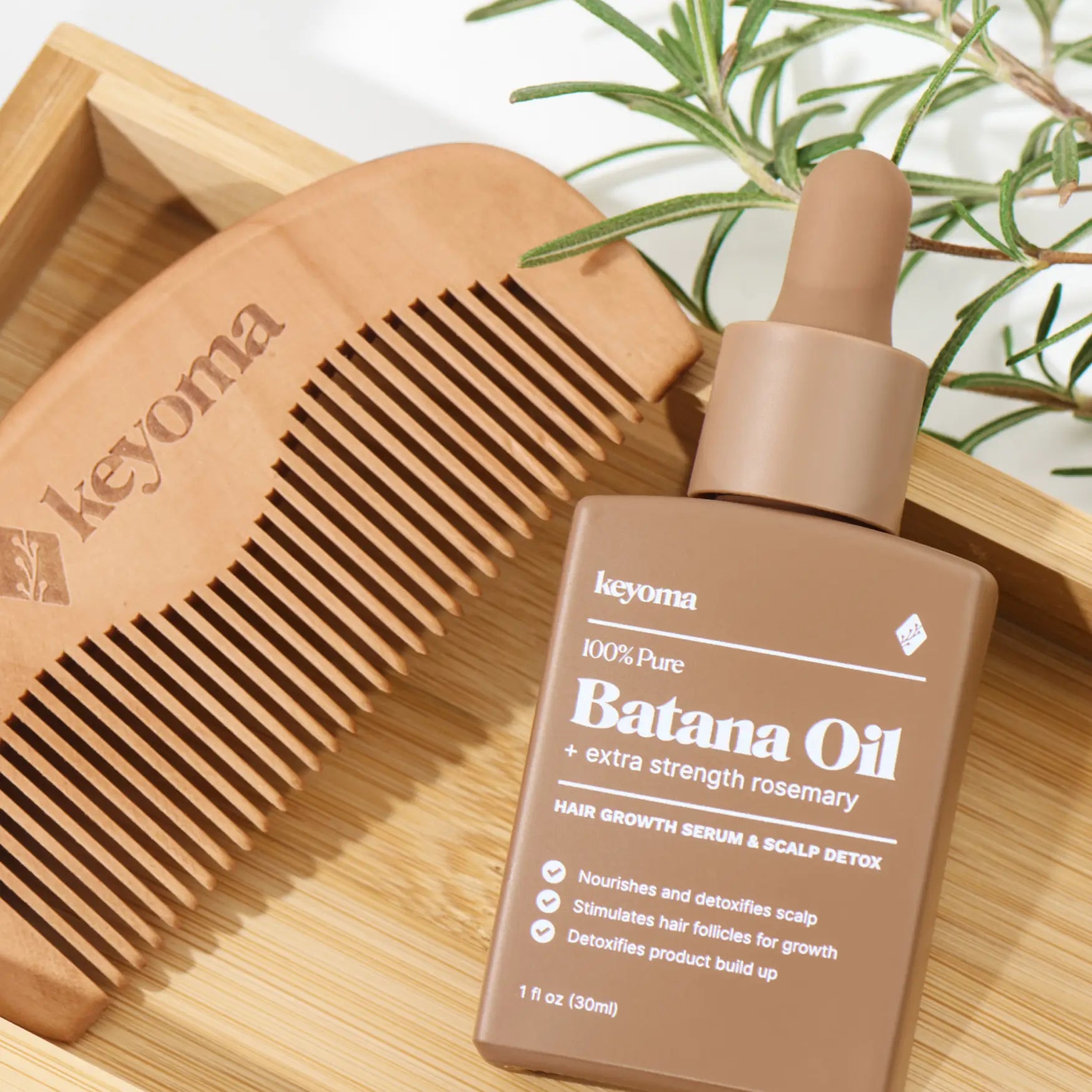
Keyoma Batana Oil fits best as a nourishing oil step, not as a direct replacement for every tonic or serum. It can be used before washing when your goal is softness, dryness support, and routine care. That makes it different from a serum, which usually gives faster surface-level smoothing after washing or before styling.
Keyoma’s 100% Pure Batana and Rosemary formula is a scalp-and-hair oil designed to nourish the scalp and support healthier-looking hair, with instructions that allow it to sit for at least 30 minutes or overnight before rinsing. That pre-wash use can make sense if your hair feels dry, coarse, brittle, or stressed from heat and color.
Oil should still be used with restraint. batana oil may work well for dry, curly, coily, or damaged hair, but it can weigh down fine or oily hair if too much is used. If your roots get greasy fast, keep oil mostly on the mid-lengths and ends or use it before shampooing instead of leaving it in.
How To Layer Hair Tonic, Hair Serum, and Hair Oil

Layering works best when every product has a clear job. Oil supports pre-wash nourishment. Tonic supports the scalp after washing or on refresh days. Serum smooths the visible strand after washing or before styling.
You do not need all three every day. A full routine may be useful on wash day, while a lighter routine may be better during the week. Fine or oily hair may need fewer layers than thick, curly, dry, or high-porosity hair.
Start With Hair Oil Before Washing
Use hair oil before shampoo when your hair feels dry, rough, or hard to detangle. Apply a small amount to the areas that need it most. For many people, that means the ends first, then the mid-lengths. If your scalp is dry and tolerates oils well, you can massage a small amount into the scalp too.
Let the oil sit long enough to soften the hair, then shampoo it out. Thirty minutes may be enough for a lighter routine. Overnight oiling may suit thicker or drier hair, but it can feel too heavy for fine hair or oily scalps.
Apply Hair Tonic Directly to the Scalp
After washing, apply tonic directly to the scalp, not over the surface of the hair. Part your hair in sections so the product reaches the skin instead of sitting on the strands. Use your fingertips to spread it gently without scratching.
A light scalp massage can help distribute the product, but pressure should stay gentle. If you notice stinging, burning, redness, bumps, or more itching, rinse if needed and stop using that formula.
Let the Tonic Absorb Before Styling
Give the tonic time to settle before adding styling products. Wet roots can dilute mousse, creams, gels, or sprays, and too many damp layers can make hair feel sticky. A few minutes of waiting can make the rest of the routine feel cleaner.
If your roots are fine or oily, use less tonic than the label suggests at first. You can always increase the amount later if your scalp tolerates it well.
Finish With Serum on the Mid-Lengths and Ends
Serum should usually come near the end of your routine. Apply it to clean, damp hair before styling, or use a tiny amount on dry hair to tame frizz and add shine. Keep it away from the scalp unless the product specifically says it is a scalp serum.
Start with the ends because they are usually the driest part of the hair. Rub the serum between your palms first so it spreads evenly. Then press or smooth it through the mid-lengths without dragging product into the roots.
Common Mistakes That Make Hair Feel Greasy or Heavy

Greasy, limp, or coated hair often comes from placement, not the product itself. A serum may work beautifully on dry ends but look oily on the roots. A tonic may feel refreshing in a small amount but sticky when layered too often. Oil may soften dry hair before washing but feel heavy if left on fine strands.
Good product use is less about doing more and more about putting each formula where it belongs.
Putting Serum on the Scalp
Serum is one of the easiest products to misuse. When it touches the scalp, it can weigh down the roots, attract buildup, and make clean hair look oily too soon. That is why most strand serums work better from the ends upward.
If you accidentally used too much, do not keep adding dry shampoo to cover it. Wash when needed, then restart with less product next time. A half pump can be enough for short, fine, or freshly washed hair.
Using Too Much Product at Once
More product rarely creates better hair. Too much tonic can make roots feel damp or coated. Too much serum can flatten the hair. Too much oil can make shampooing harder and leave a residue that dulls shine.
Start below the recommended amount if you are new to a product. Fine hair may need only a few drops of tonic, a half pump of serum, or a very light oil treatment before washing. Thick or textured hair may need more, but it still helps to build slowly.
Layering Without Checking Your Hair Type
A routine that works for coarse, dry curls may overwhelm fine, straight hair. A routine that works for oily roots may not give enough softness to bleached or high-porosity ends. Hair type, density, scalp oil, and damage level all affect how products sit on the hair.
Pay attention to how your hair feels after one full day. If the roots look greasy, reduce scalp products or move oil away from the scalp. If the ends still look rough, use serum more carefully on the ends or add pre-wash oil once or twice a week. If the scalp feels irritated, simplify the routine and avoid layering several fragranced or active products at once.
Use Each Product Where It Works Best
Hair tonic vs hair serum is really a choice between scalp care and strand care. Tonic usually fits the roots and scalp. Serum usually fits the mid-lengths and ends. Oil fits a different role, especially when hair needs richer nourishment before washing.
Choose based on your main concern. For scalp comfort, freshness, and light root support, start with tonic. For frizz, shine, heat styling, and dry-looking ends, start with serum. For softness and dryness support before shampoo, use Keyoma Batana Oil as a pre-wash option without expecting it to replace every tonic or serum.
A balanced routine does not need to be complicated. Keep tonic on the scalp, serum on the ends, and oil where your hair can handle it best.
Featured Product
30% Off + 3 FREE Gifts
100% Pure Batana Oil + Rosemary
↓Best Batana Oil to Buy↓

1 Month
Subscribe & Save
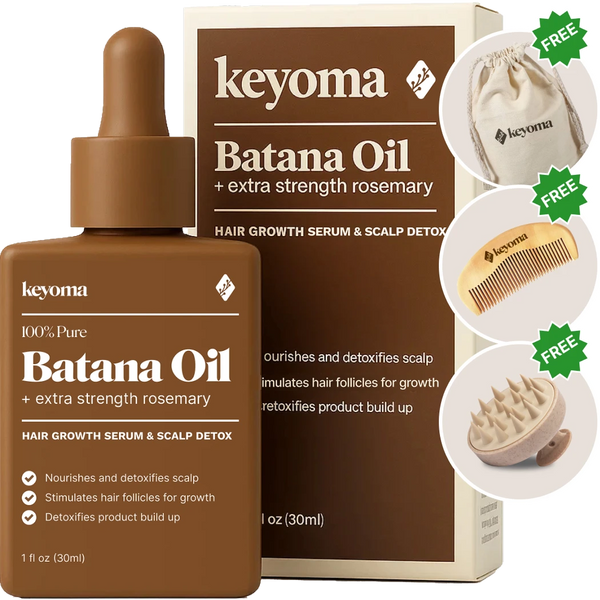


- 30-day supply delivered monthly $35
- 30% off for life $6
- Free haircare essentials kit $33
- Free custom wooden comb $10
- Free scalp massager $15
- Free eco-friendly travel bag $8
- 30-Day Money Back Guarantee
- Free Shipping
- Online portal for easy cancel, skip, or pause.
1 Month One Time Purchase
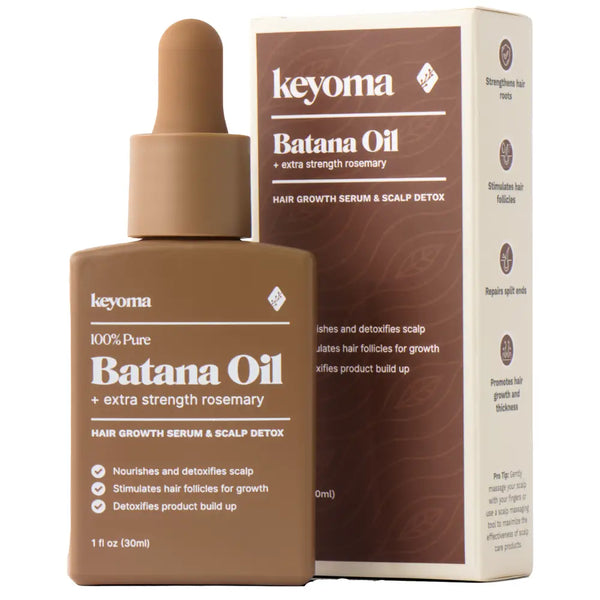
- 30-day supply $50
- 30% off for life $6
- Free haircare essentials kit $33
- Free custom wooden comb $10
- Free scalp massager $15
- Free eco-friendly travel bag $8
