

In this article
Head lice. Even the phrase makes many of us itch. It’s a routine childhood issue that can rattle the whole household. The good news is you can handle it. With clear steps and a calm plan, you can treat head lice and help keep your family free of bugs.
Key Takeaways
-
Head lice spread through head contact; nits attach near the scalp and resist regular washing.
-
Follow OTC permethrin directions; resistant cases use prescriptions; comb nits every few days.
-
Wet combing, olive oil, or petroleum jelly may help when applied repeatedly.
What Are Head Lice
Head lice are tiny parasitic insects that have lived alongside humans for millennia. Adults look tan to grayish white and dart through hair when disturbed. Their six clawed legs grip hair shafts firmly, so ordinary washing or brushing won’t remove them.
Females lay eggs called nits, which are glued to hair near the scalp. These oval eggs are often confused with dandruff but are much harder to slide off. Live nits usually sit within 1/4 inch of the scalp where warmth supports development.
Lice need frequent blood meals and prefer the warm, humid zone close to the scalp. During feeding they inject saliva, which can trigger itching and irritation. Some people don’t itch right away, so an infestation can go unnoticed for weeks.
They’re also surprisingly hardy. Lice can survive under water for several hours by entering a suspended state, which is why baths and pool time don’t solve the problem.
How to Treat Head Lice
Most cases can be managed at home with a few approaches:
-
Over-the-counter (OTC) lice shampoos containing permethrin or pyrethrins. Follow the label exactly, and don’t stack treatments at the same time to avoid scalp irritation.
-
Prescription options for resistant cases or if OTC products fail, including spinosad or ivermectin
-
Manual removal with a fine-toothed nit comb to take out live lice and nits. Combing should be repeating every few days for two weeks for the best chance of success.
Natural and Home Remedies to Treat Head Lice

Head lice can feel overwhelming for both kids and adults. Beyond medical treatments, many parents try natural and home remedies first. When done carefully and consistently, these methods can be safe and helpful.
Wet Combing Technique
This is a hands-on method. Using a nit comb or fine-toothed comb, slowly work through wet hair to pull out adult lice and their eggs.
Keep hair damp and lightly conditioned to slow the bugs and make them easier to trap. I found a little conditioner made combing smoother and less stressful for kids. Wet combing daily for about two weeks helps ensure you catch newly hatched nits, too.
Olive Oil Treatment
This pantry staple can help. A generous coat on the scalp and hair may suffocate adults and nymphs so they can’t feed or reproduce.
Leave it on overnight with a shower cap, then comb out in the morning. A shower cap tends to keep pillows cleaner during overnight soaks. For best results, repeat several nights in a row.
Petroleum Jelly Treatment
Like olive oil, a thick layer can suffocate lice. Its heavier texture can be tough to wash away, though. Apply overnight, then comb thoroughly the next day to remove loosened lice.
Using Essential Oils
Essential oils such as rosemary, tea tree, lavender, and eucalyptus are often mentioned for repelling or killing lice.
Always dilute in a carrier oil like batana before use, so the earlier olive oil tip can serve the same purpose. Use them carefully with children, patch tests first, and talk with your doctor before applying.
How Home Remedies Fit In
Home approaches can work, but they require patience and repetition. They often pair best with OTC treatments to boost effectiveness.
Check with a child’s doctor or a trusted provider, before starting any home method. That way you confirm the plan is safe and appropriate for your child’s needs.
How to Prevent Future Hair Lice Infestations

Treating lice is only half the job. The real win is stopping them from coming back. Shift from one-time fixes to simple habits you can repeat. For things you cannot wash, seal them in a plastic bag for two weeks so any remaining lice die off. Build your prevention routine.
Avoid Direct Head Contact
Teach kids to limit head-to-head contact during play, sleepovers, and group time. Even small changes, like not pressing heads together for selfies or while reading, can help.
Do Not Share Personal Items
Emphasize not sharing items that touch hair. That includes combs, hats, headphones, hair ties, and towels. If someone is in treatment, store their personal items separately.
Do Regular Head Checks
Weekly checks catch trouble early, especially with school-age kids. On damp hair, use a nit comb or fine-toothed comb and examine the scalp for lice or nits.
Teach Kids About Lice
Clearing up myths lowers panic and stigma. Remind kids that anyone can get lice and it’s not about cleanliness or hair type. Avoid blame so a child doesn’t feel at fault.
Basic Cleaning Measures
Lice don’t live long off the scalp, but basic cleaning helps. Wash recent bedding and clothing in hot water, vacuum furniture and floors, and seal non-washables in a plastic bag for two weeks.
Stay Informed About Outbreaks
With school-age children, keep up with notices about outbreaks and follow your school’s recommendations. Most schools have protocols to limit spread.
Consult a Healthcare Professional
When in doubt, call a healthcare provider. Some lice don’t respond to OTC products, so a prescription or professional advice may be needed. Acting quickly helps stop spread and gets everyone feeling better sooner.
Signs of a Head Lice Infestation
Watch for these common lice signs:
-
Ongoing scalp itching, especially behind the ears or along the neck
-
A crawling or tickling feeling in the hair
-
Nits on hair shafts near the scalp; because lice are tiny and fast, nits are often spotted first under good light
-
Live lice seen moving on the scalp
-
Red bumps or sores caused by scratching
Most schools no longer use strict “no-nit” rules. Kids can usually return after the first treatment, but check with your school nurse.
Also examine and treat close household contacts who may have shared head contact, even if they’re not itchy yet.
What Happens if Head Lice Go Untreated?
Knowing the risks shows why quick action matters. Below are physical, social, and emotional effects, along with the right steps for treatment.
Persistent Discomfort and Symptoms
Without treatment, discomfort lingers and often worsens. The main complaint is intense itching from an allergic response to louse saliva. As lice multiply, itching can escalate. Constant scratching makes the scalp sore and can be very distressing.
Symptoms usually spread to the neck and areas behind the ears, where lice often hide. These issues don’t resolve on their own and can affect your day-to-day comfort.
Secondary Skin Infections May Develop
Persistent scratching may break the skin and create open spots on the scalp. These tiny wounds allow skin bacteria to enter, raising the risk of infection. Watch for redness, swelling, or pus-filled sores, sometimes with pain or fever. If infection occurs, a clinician may prescribe antibiotics, which adds another step to recovery.
Untreated Head Lice Can Spread
Lice spread easily through head-to-head contact. If you don’t treat it, the population grows, making it more likely to pass to others. That’s why outbreaks happen in homes and schools where people are close.
Ignoring one case can quickly involve family, friends, and classmates. This makes control harder. Treating promptly protects your household and your community.
Start a Calm, Consistent Lice Plan Today With Keyoma
Use rosemary oil for prevention only. Its scent may help deter new lice, but it does not kill eggs or established bugs. If you include it, dilute to 0.5–1% in a light carrier like Batana and apply around the hairline and hat bands. Patch test and avoid scalp use on very young children. Keep the main effort on daily wet-combing for 14 days and hot-wash or bag recent items.
Featured Product
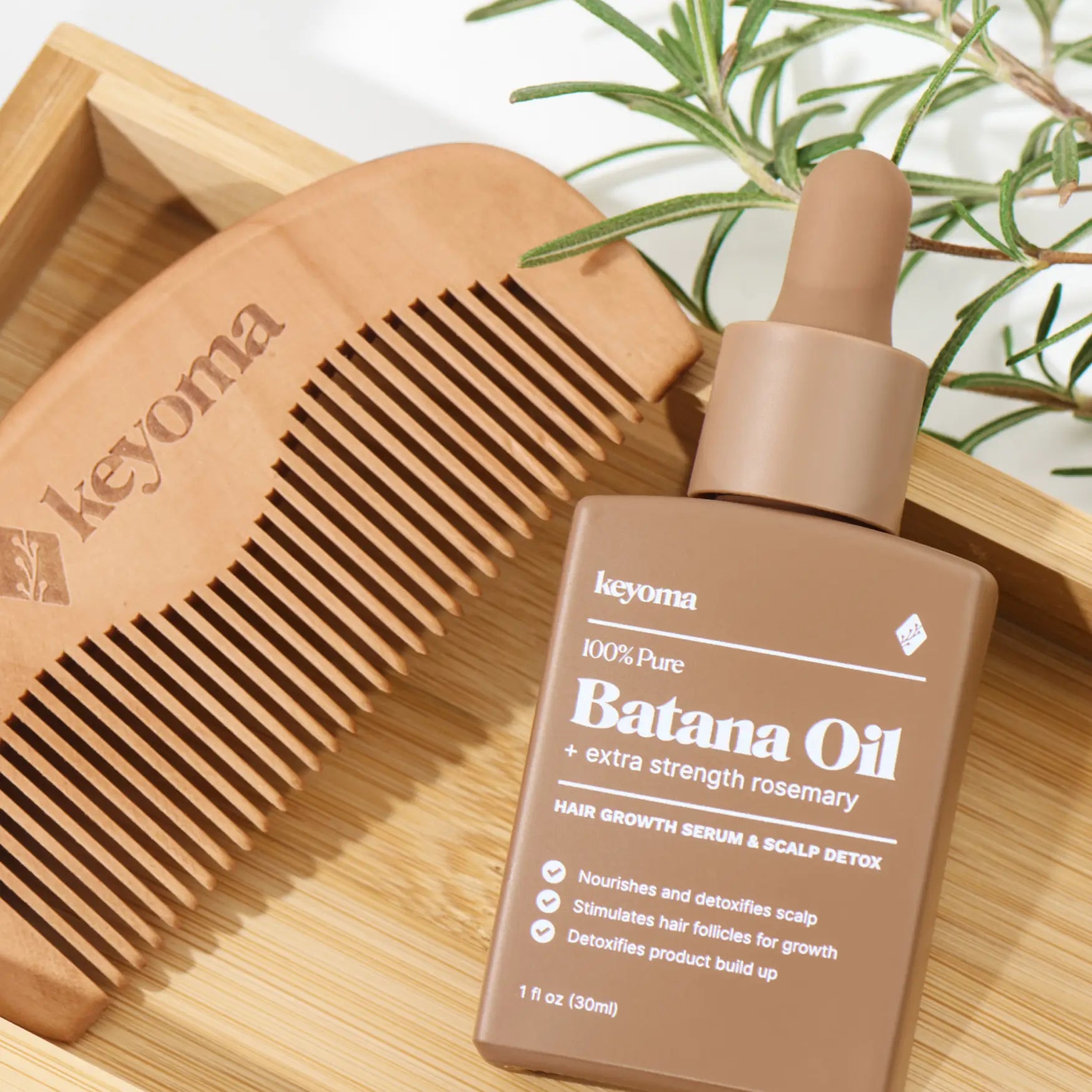
30% Off + 3 FREE Gifts
100% Pure Batana Oil + Rosemary
↓Best Batana Oil to Buy↓

1 Month
Subscribe & Save
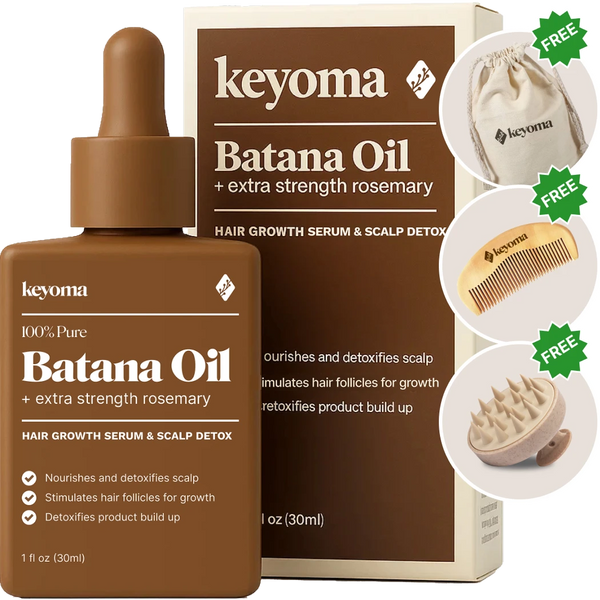


- 30-day supply delivered monthly $35
- 30% off for life $6
- Free haircare essentials kit $33
- Free custom wooden comb $10
- Free scalp massager $15
- Free eco-friendly travel bag $8
- 30-Day Money Back Guarantee
- Free Shipping
- Online portal for easy cancel, skip, or pause.
1 Month One Time Purchase
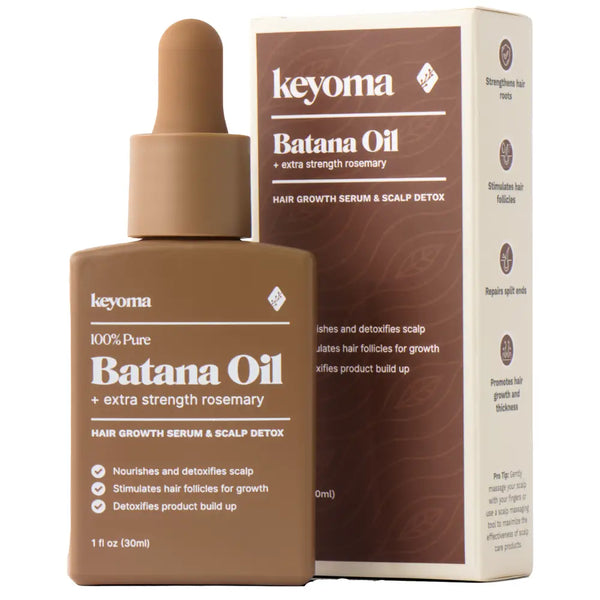
- 30-day supply $50
- 30% off for life $6
- Free haircare essentials kit $33
- Free custom wooden comb $10
- Free scalp massager $15
- Free eco-friendly travel bag $8
