

In this article
Helmets are absolutely vital for safety, but some people worry if they'll lose hair to stay protected. Don't worry, riders! Using a helmet can lead to hair loss, but it's not a sure thing. Let's look at the myths and facts to see how helmet design, how you wear it, and some easy steps can keep you safe and stylish.
Key Takeaways
-
Poor helmet fit and tight pressure can trigger traction alopecia, breakage, and infections.
-
Well fitting helmets lower risks because pressure alone rarely harms follicles or blood supply.
-
Warning signs include more breakage, shedding, scalp irritation, and uneven thinning where the helmet presses.
-
Protective habits like braids, clean dry hair, conditioning, and helmet liners can reduce damage.
Why Helmets Can Contribute to Hair Loss
Helmets that don't fit right or aren't worn correctly are the main reasons for hair loss. You have to be careful when you put your helmet on and take it off, that way you don't hurt your hair.
If your hair feels pulled when you wear your helmet, it means it's not on right, and that can cause traction alopecia. Traction alopecia happens when your hair follicles are under long-term tension or pulling.
It's common in people who wear ponytails, braids, cornrows, and buns. A helmet that's too big is dangerous because it can slide off if you crash, but a helmet that's too tight puts too much pressure on your hair and hurts the roots, which causes hair loss.
Wearing a tight helmet also stops air from flowing, which makes a good place for dirt and sweat to get trapped.
This becomes a great place for bacteria to grow, and that can cause an infection. Scalp infections make hair follicles weak and can cause hair loss while stopping new hair from growing.
Helmet’s Pressure Potential Effects on Hair Follicles
Lots of people worry that helmet pressure causes hair loss, but it's more complex than that.
Hair follicles get food from blood flow, not from the air. So, helmet pressure itself doesn't starve follicles or cause you to lose hair forever. However, if your helmet doesn't fit right and puts too much pressure on your head, it can hurt your hair in a few ways:
-
Scalp Irritation: A tight helmet that puts pressure on your head all the time can make your scalp irritated and inflamed. This can mess up how your hair grows and might make you lose hair for a bit.
-
Mechanical Stress: A tight helmet constantly tugs at your hair, so it breaks at the root or shaft. This can be really bad if your hair is already weak.
-
Reduced Blood Flow: Really tight helmets could, in rare cases, stop blood from flowing to your scalp. It's not likely if your helmet fits right, but less blood flow could mean your hair follicles don't get enough nutrients, which hurts hair growth.
Keep in mind, a helmet that fits well lowers these risks. It should be snug but comfy, so your scalp can move a little without pulling your hair. I find that a silk scarf helps prevent friction for me.
Signs of Helmet-Related Hair and Scalp Damage

Wearing a helmet won't make you lose hair forever, but some signs can mean your helmet doesn't fit right, isn't clean, or rubs too much.
More Frequent Breakage
If you see more split ends or your hair breaks easily, it could be that your helmet is rubbing too much because the inside is rough or your hair isn't styled right under the helmet.
Learn how to treat hair breakage today!
Excessive Shedding After Rides
If you're losing way more hair than normal after you wear your helmet, it could be that your helmet is irritating your scalp or stressing the follicles because it's too tight.
Inflammation
If your scalp is itchy, red, or inflamed after you wear your helmet, it could be from sweat, rubbing, or an allergic reaction to what the helmet lining is made of. Understand the causes of scalp inflammation and treatment options you can try at home.
Uneven or Patchy Hair Loss
If you see thinner spots, especially on the sides of your head or forehead where the helmet touches, it might mean your hairline is receding from your helmet. This is also called traction alopecia, and it's from your hair being pulled all the time by a tight helmet or a ponytail underneath.
Keep in mind, these signs can also happen for other reasons. If you're worried about hair loss, see a dermatologist or trichologist (hair specialist) to get checked out and get advice that's just for you.
How to Wear a Helmet Without Hair Loss

When you wear your helmet for many hours, you have to deal with problems like damaged hair, scalp issues, and hair loss. Here are some easy and helpful tips to help you take better care of your hair.
Place a Breathable Cloth Inside the Helmet
Make sure you have a layer of natural fabric inside your helmet to stop your hair from rubbing against the helmet.
The natural fabric helps soak up sweat, which keeps your hair safe and also keeps the helmet's inside lining from getting ruined. Be sure to wash this cloth often to keep it clean.
Avoid Wearing a Helmet on Damp Hair
When your hair is still wet after you wash it, let it dry on its own or use a hair dryer before you put your helmet on. Drying your hair will stop sweat from building up and lower the chance of other hair problems.
Treat Existing Scalp Issues
If you already have dandruff or an itchy scalp, take care of those problems right away so they don't get worse because of your helmet. An itchy scalp and dandruff can cause hair loss, constant irritation, and a bad smell. Try home treatments to fix these scalp problems.
Braid Long Hair
Braiding your hair is an easy but good idea if you have long hair. If your hair is long and thick, try tying or braiding it before you put your helmet on. This will keep your hair in place. Also, be sure to eat protein and important vitamins every day to stop hair loss. Remember to drink enough water, which helps make your hair strong and healthy.
Discover the secrets to a long and luscious hair.
Keep Scalp and Hair Clean
The most important thing is to always keep your scalp and hair clean. If dirt and sweat build up at the roots of your hair, it can make scalp problems like dandruff worse. Try using a gentle, natural cleanser to wash your scalp and hair every day to keep it free of oil and dirt.
Deep-Condition Regularly
Conditioning and feeding your hair can make the constant rubbing of the helmet's inside lining against your scalp and hair less damaging. Natural hair conditioners like coconut oil, aloe vera, or a mask of egg and honey are great for moisturizing your hair.
Choose a Properly Fitted Helmet
Traction alopecia happens when your helmet is too tight or doesn't fit right. This makes you lose hair bit by bit because your hair is always being pulled back. Always get a helmet that's the right size for you—not too loose or too tight. Also, take your time when you put your helmet on so you don't pull your hair back.
Clean and Maintain Your Helmet
If you want to care for your hair, you also have to care for your helmet. Remember to clean your helmet often, inside and out. This will stop sweat and dirt from building up. When you're not using it, keep it in a place that's clean and has good airflow.
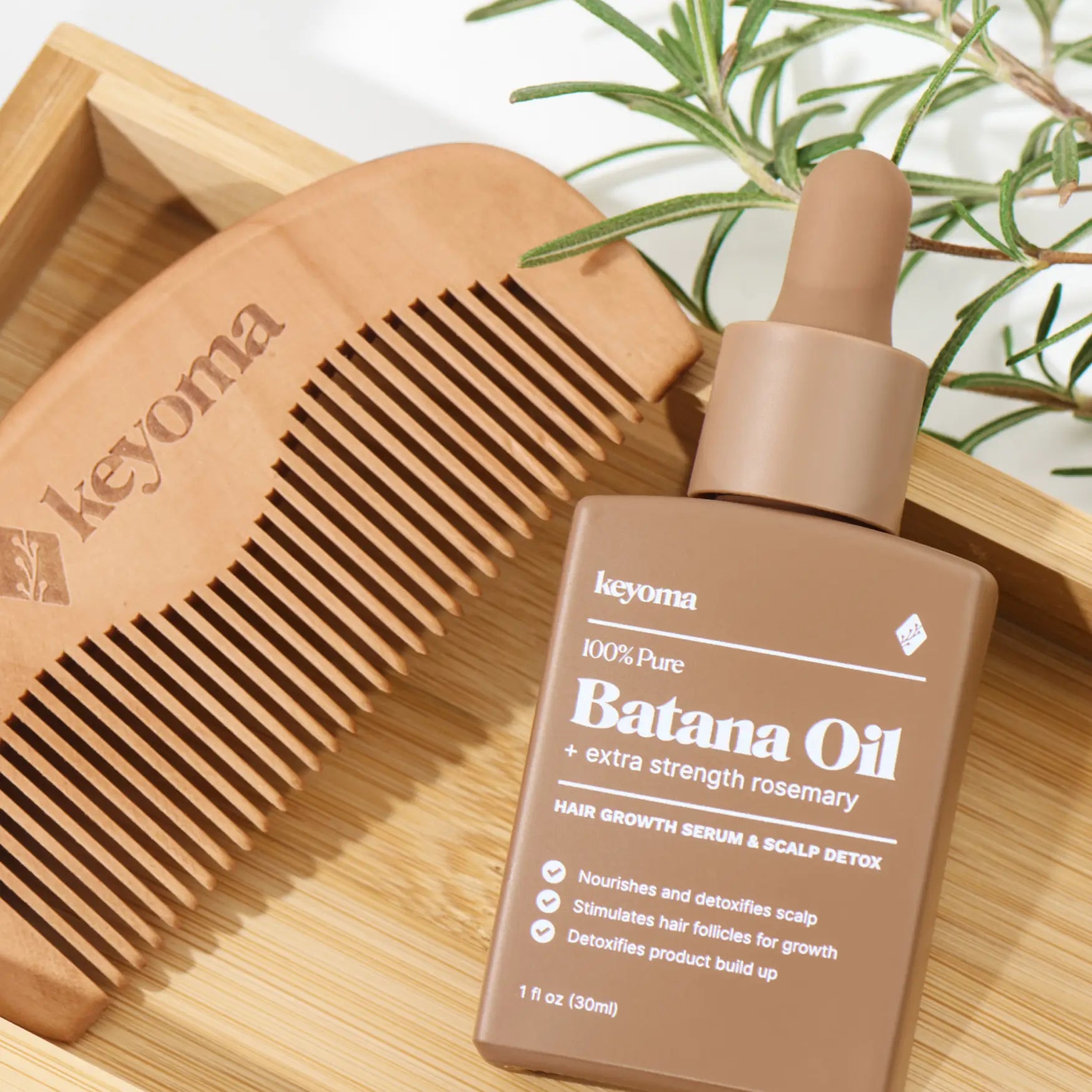
Protect Your Hair Under Helmets With Keyoma
Keyoma Batana Oil with Rosemary can help, because wearing a helmet can disrupt natural oil production, leading to dryness and potential irritation. Helmets, while vital for safety, can create a less-than-ideal environment for your scalp, disrupting its natural balance.
It helps restore that balance, nourishing your scalp and promoting healthier hair growth.
Ready to act? Buy it direct from our website, or shop it in our Amazon store.
Featured Product
30% Off + 3 FREE Gifts
100% Pure Batana Oil + Rosemary
↓Best Batana Oil to Buy↓

1 Month
Subscribe & Save
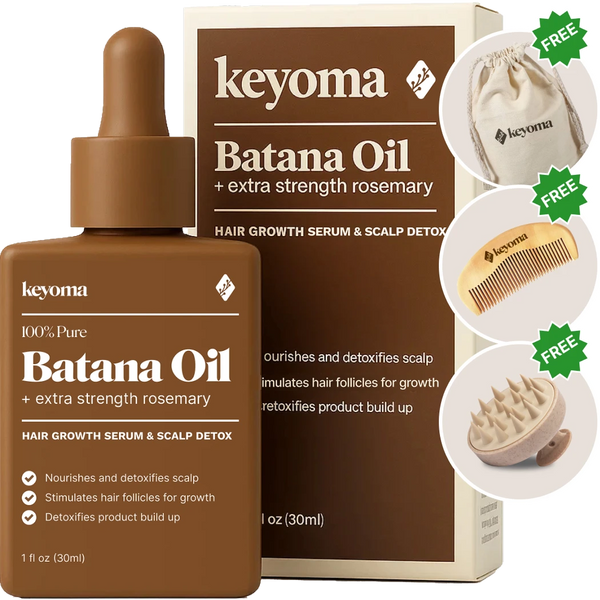


- 30-day supply delivered monthly $35
- 30% off for life $6
- Free haircare essentials kit $33
- Free custom wooden comb $10
- Free scalp massager $15
- Free eco-friendly travel bag $8
- 30-Day Money Back Guarantee
- Free Shipping
- Online portal for easy cancel, skip, or pause.
1 Month One Time Purchase
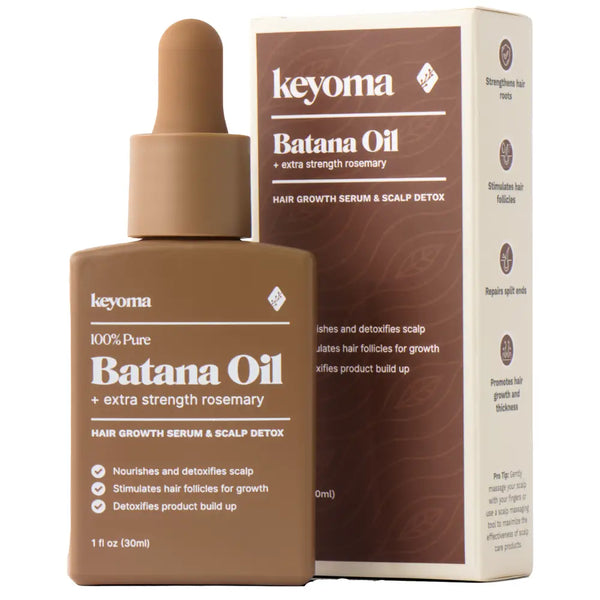
- 30-day supply $50
- 30% off for life $6
- Free haircare essentials kit $33
- Free custom wooden comb $10
- Free scalp massager $15
- Free eco-friendly travel bag $8
