

In this article
Your edges help frame your face and finish your look, from baby-hair swoops and swirls and edge control can be the finishing touch on an especially cute hairstyle.
That look can come with a trade-off, because one day you may notice your edges look thinner than they used to.
Too much styling and constant handling can stress the delicate hairs at your hairline, so they thin out and snap over time. If you keep tugging and smoothing them, you could end up with lasting hair loss.
Here’s the upside: if you haven’t gone too far, your edges may be able to grow back.
Key Takeaways
-
Hair edges are short baby hairs at the hairline that help shape textured styles.
-
Tight styles, friction, rough tools, alcohol-based gels, relaxers, and stress can thin your edges.
-
Choosing looser styles and cutting back on chemicals can help reduce traction damage.
-
Steady routines, lifestyle support, and patience can help edges fill in over months.
What Are Hair Edges
Hair edges, often called baby hairs or swooped edges, are the short hairs around the hairline in many textured hair types. For decades, women of color have styled them into detailed looks that many people treat like art.
Why Are Your Edges Thinning?
If you want your edges to come back, start by figuring out what’s making them thin. There are several causes of a thinning hairline, and many are preventable. Here are common reasons you might be seeing thinning.
-
Tight Hairstyles: These can also be called hairstyles that might stress your hair out. Think tight buns, dreadlocks, cornrows, hair extensions, ponytails, and some updos, which can pull on the already fragile hairs along your hairline.
-
Friction: This can come from habits like heavy heat styling and rough towel drying.
-
Products and Hair Tools: Gel can help slick down edges, but an alcohol-based formula may add to hair damage and breakage by drying your strands out. Also, the toothbrush or stiff plastic tool you use to apply gel can scrape and stress fragile edges.
-
Hair Relaxers: Repeated use of chemical relaxers has been linked to traction alopecia. That condition is usually not permanent, though.
-
Stress: Emotional or mental strain can cause temporary thinning, also called telogen effluvium, by interrupting the normal hair cycle. When stress settles down, hair usually returns to its regular cycle.
How To Prevent Thinning Edges
If you notice patches or thinning along your hairline, start by seeing a board-certified dermatologist. They can check your scalp, diagnose what’s going on, and set up a plan that fits you. You can also take a few at-home steps to help prevent more thinning.
1. Avoid Wearing Tight Hairstyles
The first step is simple: avoid hairstyles that tug on your hair, according to the American Academy of Dermatology Association (AAD). Ongoing pulling can make strands break or shed and damage the follicle, which can lead to permanent hair loss.
So go easy on tight cornrows, weaves, dreadlocks, and sleek buns or ponytails. For me, a soft scrunchie and a looser ponytail kept my hairline from aching. Instead, try a gentler option like looser braids or crochet braids. The AAD also recommends keeping braided styles in for no longer than two to three months.
2. Regularly Change Your Hairstyle
The AAD says changing your style can reduce pulling. Rotating looks gives your hairline time to recover. So if you’ve been wearing cornrows for two months, try wearing your natural texture in an afro for a while.
3. Don’t Wear Tight Weaves
Weaves and extensions are a great way to add length to your hair, they might also be the reason you're dealing with thinning edges in the first place. The AAD advises wearing them for short periods of time and opting for sewn-in weaves rather than using bond glue.
If your weave feels uncomfortable or irritates your scalp, take it out right away. A protective style should protect your hair, not hurt it.
4. Avoid Chemical Treatments
One NCBI study also recommends avoiding chemical and heat treatments. If you still plan to relax your hair, the AAD suggests seeing a stylist trained in chemical relaxers so they can choose a safer approach that limits damage.
How to Regrow Thinning Edges
Getting thinning edges to grow back takes time, steady habits, and a well-rounded plan that addresses both internal and external factors that affect hair growth.
Natural Oil
Current evidence suggests some natural ingredients may support edge regrowth and help limit more damage. New hair with natural ingredients like rosemary oil and batana oil are helping to counteract traction forces and keep follicles healthy.
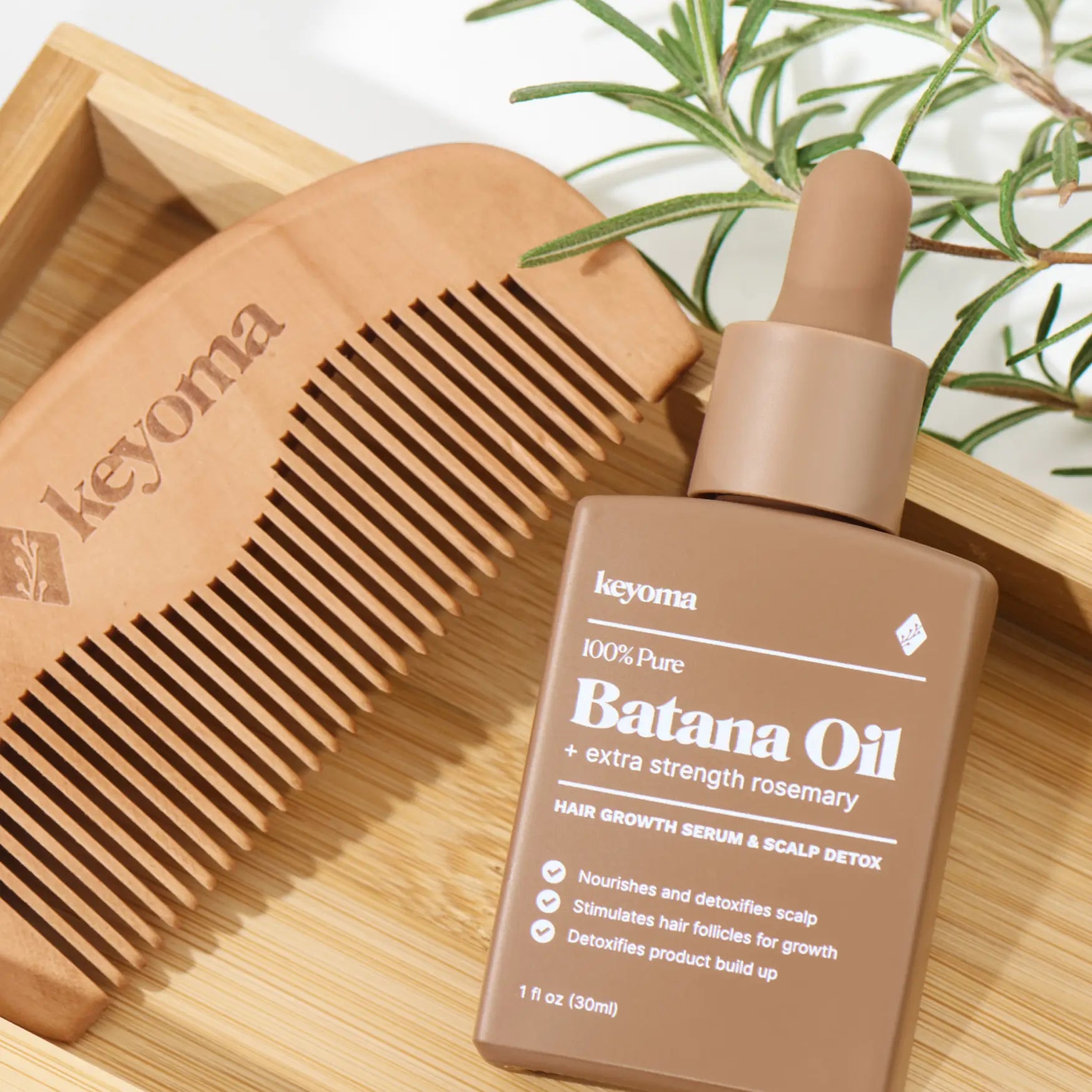
These oils, such Keyoma’s Pure Batana Oil with Rosemary, aim to support growth while soothing the scalp and calming inflammation linked to styling tension.
Lifestyle Changes
Medical treatments aren’t the only option. Hair regrowth also depends on what’s happening inside your body. A balanced diet, solid hygiene habits, and targeted supplements support healthy hair.
Low levels of iron, zinc, biotin, and vitamin D can affect follicle function. A nutrient-rich diet with enough protein, healthy fats, and complex carbohydrates helps create a better environment for regrowth.
Patience
Patience matters. Many people need three to six months to see clear regrowth, though baby hairs may show up within one to two months. If your edges don’t improve with consistent care, an underlying issue like hormonal imbalance or inflammation may need professional help.
Grow Your Edges With Keyoma and a Low-Tension Routine
Edges do best when you reduce tension first, then support your hairline daily. If a style makes your edges feel sore, look shiny, or drop short broken hairs, switch to low-pull looks now so you don’t keep worsening traction.
Keep your hairline clean, avoid heavy gels that dry out and flake, and use a tiny amount of Keyoma batana oil with rosemary only where edges feel dry or rough so you get slip without greasy buildup.
Stay consistent for a few weeks and compare photos in the same lighting, then buy Keyoma batana oil with rosemary for hair edges direct from Keyoma or shop it in the Keyoma Amazon store.
Featured Product
30% Off + 3 FREE Gifts
100% Pure Batana Oil + Rosemary
↓Best Batana Oil to Buy↓

1 Month
Subscribe & Save
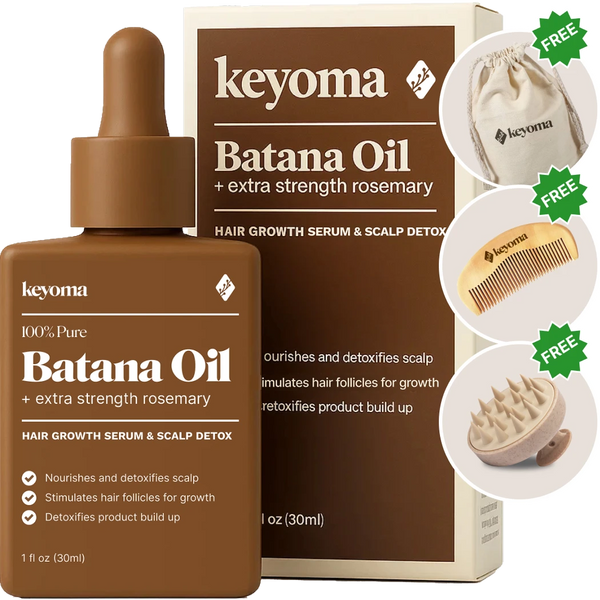


- 30-day supply delivered monthly $35
- 30% off for life $6
- Free haircare essentials kit $33
- Free custom wooden comb $10
- Free scalp massager $15
- Free eco-friendly travel bag $8
- 30-Day Money Back Guarantee
- Free Shipping
- Online portal for easy cancel, skip, or pause.
1 Month One Time Purchase
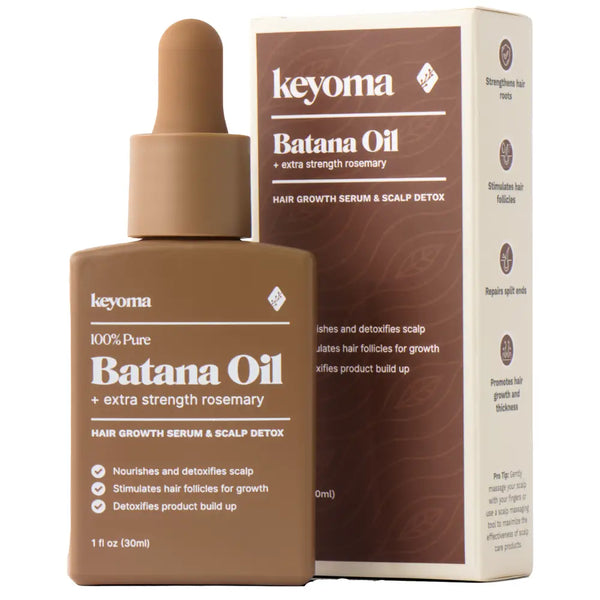
- 30-day supply $50
- 30% off for life $6
- Free haircare essentials kit $33
- Free custom wooden comb $10
- Free scalp massager $15
- Free eco-friendly travel bag $8
