Is Batana Oil a Carrier Oil? How It Fits Into Hair Growth Routines
Written by

Published on Mar 12, 2026

In this article
Batana oil is now a familiar part of many hair routines, especially for people who want natural support for scalp comfort and moisture. Traditionally used by the Miskito people of Honduras, this oil is known for conditioning hair and helping it stay long and resilient.
As more people turn to natural oils, one question keeps coming up: is batana oil a carrier oil, and where does it belong in a hair growth routine?
The short answer is yes. Batana oil can act as a carrier oil because it is a fatty plant oil that can be used alone or as the base that dilutes essential oils. In hair care, that means it can help spread stronger essential oils over the scalp while also adding moisture and conditioning support.
Once you understand how batana oil works as a carrier oil, it becomes easier to use it well in scalp care, oil blends, and hair treatments.
Key Takeaways
-
Batana oil can serve as both a carrier oil and a nourishing treatment oil.
-
Carrier oils dilute essential oils and help them spread more evenly across your scalp.
-
Batana oil’s richer feel may suit dry scalp, thicker hair, and massage blends.
-
Batana oil can hold diluted essential oils while also conditioning your scalp and hair.
What a Carrier Oil Does in Hair Growth Routines
A carrier oil is a base oil used to dilute essential oils and help spread them safely over the scalp or hair. Essential oils such as rosemary oil are highly concentrated, so they usually should not go straight onto the skin without dilution.
Carrier oils make these blends practical in real routines. They help distribute essential oils more evenly during scalp massage, treatments, or oil blends for hair.
In hair growth routines, carrier oils usually handle several practical jobs:
-
dilute essential oils so they can be used safely on the scalp
-
improve spreadability during scalp massage
-
help carry active ingredients over the scalp surface
-
support scalp comfort and hair conditioning
Current evidence suggests plant oils used in scalp care can also support moisture balance and help reduce dryness by slowing water loss from the skin. That is one reason carrier oils stay common in scalp treatments and hair routines.
Is Batana Oil a Carrier Oil?
Yes. Batana oil can be used as a carrier oil. It is a fatty plant oil that can go directly on the scalp or act as the base used to dilute essential oils.
Unlike essential oils, which are concentrated aromatic extracts, batana oil is a nutrient-rich plant oil pressed from the fruit of the American palm tree (Elaeis oleifera).
Because of its fatty acid profile and thicker feel, batana oil works well as a base oil in scalp routines. It can carry essential oils like rosemary oil while also conditioning the scalp and hair fibers.
In real use, this means batana oil can play two roles in a hair growth routine:
-
as a carrier oil for essential oil blends
-
as a nourishing treatment oil by itself
That dual use is part of why it appears so often in natural scalp care routines.
Why Choose Batana Oil as a Carrier Oil

Many carrier oils are fairly neutral and mostly exist to dilute essential oils. Batana oil is a little different because it can also nourish the scalp and hair while doing that job.
Instead of working only as a mixing oil, batana oil can support scalp comfort, help hold moisture, and leave hair feeling softer while still acting as a base oil.
That makes it useful if you want your carrier oil to add something to the routine instead of simply thinning out an essential oil.
Rich Texture for Dry Scalp and Hair
Batana oil feels richer than many lighter carrier oils. That heavier texture can make it a strong fit for routines that need more moisture support.
People with dry scalp or dry hair often lean toward richer oils because they can slow moisture loss and help strands stay softer longer.
The papers I reviewed suggest oils with higher fatty acid content are often linked to better moisture retention on hair fibers. That helps explain why heavier oils are common in conditioning treatments and dry-scalp routines.
Scalp and Strand Support in One Step
Batana oil can act as both a carrier oil and a treatment oil. While it dilutes essential oils, it also helps condition hair and support scalp comfort.
In practical use, that means one product can help:
-
carry essential oils during scalp treatments
-
soften the hair lengths
-
support scalp moisture
That double function is one reason batana oil shows up in many natural hair routines instead of being used only as a blending oil.
Strong Match for Hair Growth Blends
Batana oil also fits well into hair growth blends, especially blends that use essential oils during scalp massage.
Small human trials report that rosemary oil, one of the most common examples, performed similarly to minoxidil in a Skinmed Journal study on androgenetic hair loss after six months of use.
Because rosemary oil needs dilution before it goes on the scalp, it needs a carrier oil. Batana oil works well here because it spreads over the scalp easily while also adding moisture and conditioning support.
Why Batana Oil Works Well With Rosemary Oil
Rosemary oil is common in scalp routines because it may support circulation and follicle activity. Still, essential oils such as rosemary oil need dilution before skin use.
That is where a carrier oil becomes important.
Batana oil works well as a carrier oil for rosemary blends because it helps:
-
dilute the essential oil for safer scalp use
-
improve spreadability during scalp massage
-
nourish the scalp and hair fibers
In real routines, the pairing balances two jobs. Rosemary oil adds scalp-focused support, while batana oil brings moisture and conditioning.
That pairing is why batana oil often appears in growth-focused hair oil blends.
How to Use Batana Oil as a Carrier Oil

Batana oil can work as a DIY carrier oil in simple hair blends. The goal is to dilute essential oils so they can be used safely while also giving your scalp and hair the conditioning benefits of the base oil.
Step 1: Choose Your Essential Oil
Start by picking the essential oil you want in your hair routine. Rosemary oil is one of the most common choices in scalp care because it is often used in hair growth blends and massage routines.
Essential oils are highly concentrated, which is why they usually should not go straight onto the scalp without dilution.
Step 2: Use Batana Oil as the Base Oil
Add batana oil as the carrier oil in the blend. Carrier oils dilute essential oils and help spread them evenly across the scalp.
Batana oil works well in this role because its richer texture helps it stay in contact with the scalp during application while also supporting moisture and hair conditioning. For me, richer base oils felt easier to spread during a short scalp massage.
Step 3: Mix a Small, Balanced Blend
A simple DIY blend usually means adding a small amount of essential oil into a larger amount of carrier oil. The carrier oil should always make up most of the mixture.
That keeps the blend gentle enough for scalp use while still letting the essential oil move through the mixture.
Step 4: Apply the Blend to the Scalp
Once it is mixed, you can apply the oil blend right to the scalp. Many people do this during scalp massage routines because the carrier oil helps spread the blend more evenly over the scalp surface.
Massage also helps move the oil through the scalp and down to the roots.
Step 5: Leave In or Use as a Pre-Wash Treatment
The blend can stay on the scalp for a period of time or be used as a pre-wash treatment before shampooing. Pre-wash use gives richer oils like batana oil time to condition the scalp and hair without leaving as much heavy residue after wash day.
Step 6: Use a Small Amount on Hair Lengths if Needed
If your hair is dry, a small amount of the blend can also go on your lengths or ends. In that case, batana oil is still the carrier oil while also helping support moisture and softness for drier strands.
Batana Oil vs Other Carrier Oils for Hair Growth

Many carrier oils show up in hair routines, and the biggest differences usually come down to composition, texture, and feel during use. Some oils are lighter and sink in faster, while others feel richer and offer longer-lasting moisture support, and that can change how well they fit a scalp type or routine.
Batana Oil vs Jojoba Oil
Jojoba oil is lighter and is often preferred by people with oily scalps because it behaves more like a liquid wax than a traditional triglyceride oil. In composition studies, jojoba is made up of about 98% wax esters, which helps explain why it feels lighter and less coating on the scalp.
Batana oil is richer and more focused on moisture support. Its mix of oleic, palmitic, and linoleic acids gives it a heavier feel, so it usually suits dry-scalp routines, thicker hair types, or blends where you want the carrier oil to add more conditioning support instead of only acting as a neutral base.
Batana Oil vs Argan Oil
Argan oil is widely known for softness and shine, and its chemistry helps explain that. Cosmetic reviews describe argan oil as rich in unsaturated fatty acids, with about 43% to 49% oleic acid and 29% to 37% linoleic acid, plus tocopherols and other antioxidant compounds. That mix makes it a popular smoothing or finishing oil that improves softness and surface shine without feeling as heavy as richer treatment oils.
Batana oil usually feels heavier and more treatment-focused. While argan often works best as a lighter shine or conditioning oil, batana tends to make more sense when you want stronger scalp nourishment, richer moisture support, and a carrier oil that works well in massage blends or deeper conditioning routines.
Batana Oil vs Coconut Oil
Coconut oil is one of the heavier carrier oils used in hair routines and is often chosen for deep conditioning because of its high lauric acid content. In hair research, coconut oil has been shown to reduce protein loss in both damaged and undamaged hair, which is one reason it is commonly used before or after washing.
Batana oil sits in a similarly rich category, but it feels somewhat different in use. Coconut oil is often chosen when the goal is stronger coating and pre-wash conditioning, while batana oil is usually a better fit when you want a richer oil that also spreads well across the scalp, supports massage, and adds moisture support through its oleic, palmitic, and linoleic acid profile.
How to Choose the Right Carrier Oil for Your Hair Goals
The right carrier oil depends on what you want your routine to support and how your scalp reacts to oils. Different oils behave differently because of their fatty acid makeup, texture, and the way they absorb on the scalp.
For example, lighter oils usually spread fast and absorb more quickly, which can make them easier to use every day. Richer oils usually sit on the scalp longer and offer stronger moisture support, which is often helpful in treatment-style routines or for people dealing with dryness.
You may prefer a lighter carrier oil if your routine focuses on:
-
everyday scalp massage
-
lighter moisture support
-
a routine for oily scalp types
-
quick-absorbing oils that do not feel heavy on the scalp
These oils often work well for people who want a simple, frequent scalp routine without the heavier feel of richer conditioning oils.
A richer carrier oil like batana oil may make more sense if your routine focuses on deeper nourishment or stronger moisture retention. Oils with higher levels of fatty acids such as oleic and palmitic acid tend to leave a more conditioning layer on the scalp and hair strands.
Batana oil may be a better fit if you want:
-
stronger moisture support
-
scalp massage oils that stay in place longer
-
blends built for dry-scalp routines
-
treatment-focused hair routines instead of lightweight daily oils
In many cases, people choose carrier oils based on both scalp type and routine goal. Matching the oil’s texture and fatty acid profile to your hair goals usually leads to a more comfortable routine and better consistency over time.
Use Keyoma Pure Batana Oil With Rosemary for Healthier Hair
Choose a carrier oil that actually adds value, not one that only fills space in the blend. That is where batana oil stands out. It handles the base-oil role, but it also brings a richer feel that supports moisture retention and scalp comfort in the same step.
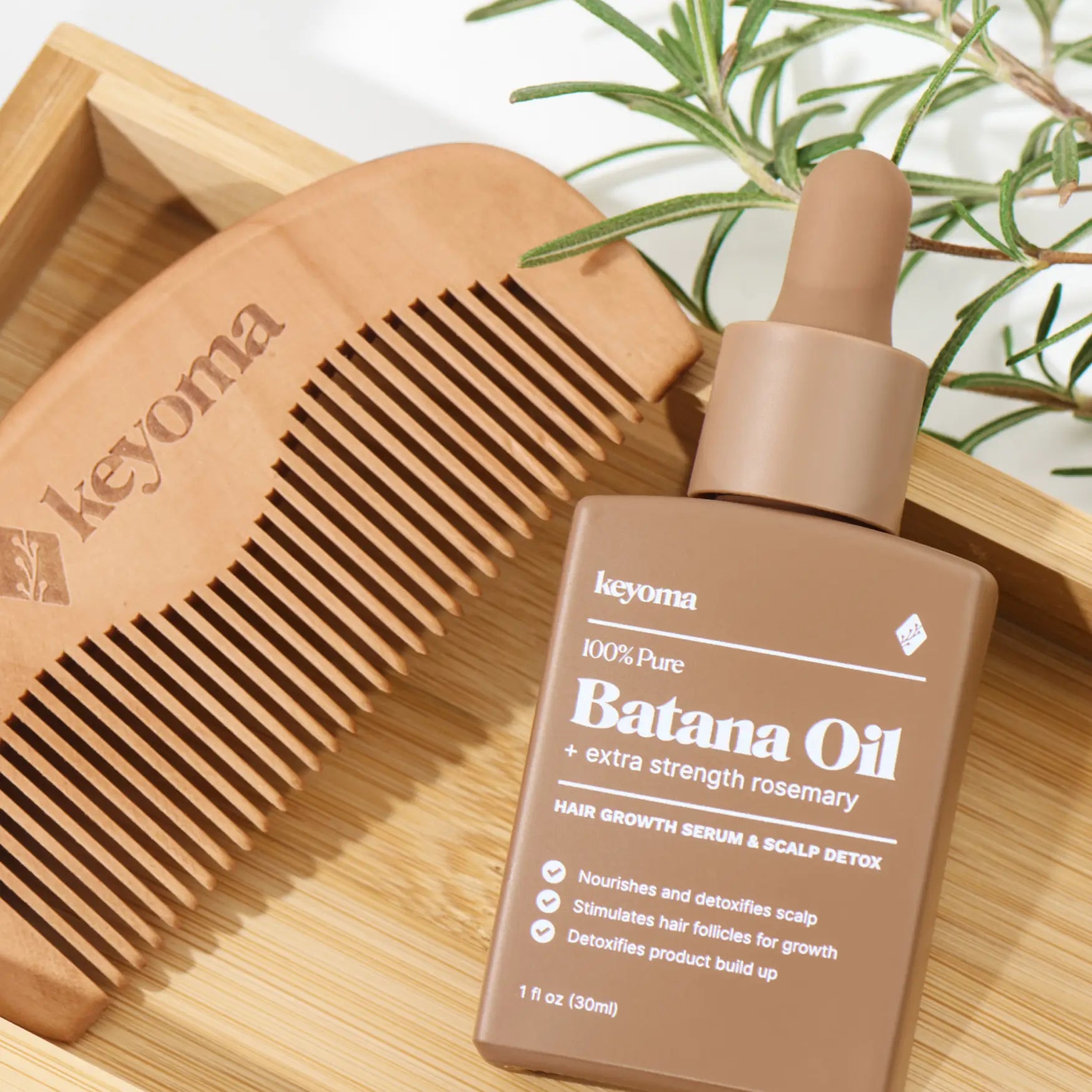
A strong growth routine is often shaped by the oil underneath the essential oil, not just by the “active” ingredient people focus on. When your base oil spreads well, conditions the hair, and makes the routine easier to keep using, the whole blend becomes more useful. For a richer scalp-and-strand option, explore pure batana oil with rosemary.
Featured Product
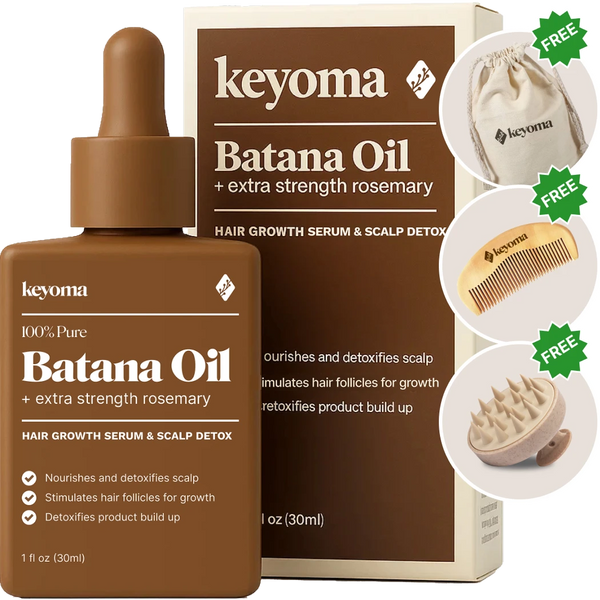
30% Off + 3 FREE Gifts
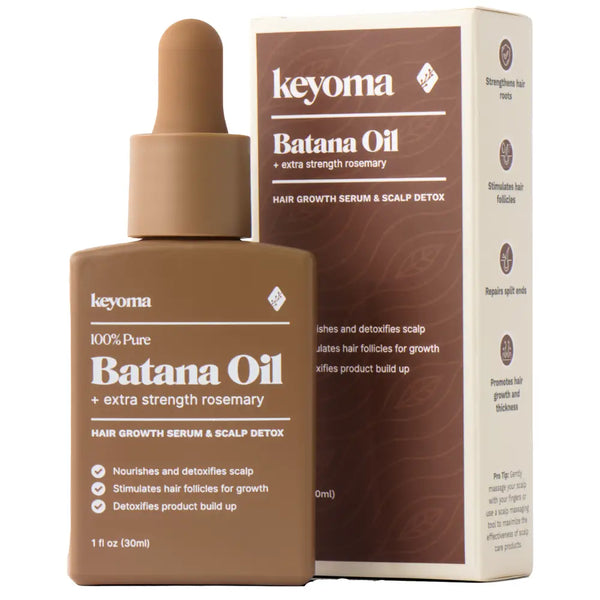
100% Pure Batana Oil + Rosemary
↓Best Batana Oil to Buy↓

1 Month
Subscribe & Save


- 30-day supply delivered monthly $35
- 30% off for life $6
- Free haircare essentials kit $33
- Free custom wooden comb $10
- Free scalp massager $15
- Free eco-friendly travel bag $8
- 30-Day Money Back Guarantee
- Free Shipping
- Online portal for easy cancel, skip, or pause.
1 Month One Time Purchase
- 30-day supply $50
- 30% off for life $6
- Free haircare essentials kit $33
- Free custom wooden comb $10
- Free scalp massager $15
- Free eco-friendly travel bag $8
