

In this article
Batana oil is generally considered an occlusive oil, meaning it helps seal moisture into the hair rather than deeply penetrating the hair shaft like some lighter oils. In hair care routines, occlusive oils are often used as the final step to reduce moisture loss, improve softness, and protect hair from dryness and breakage.
Understanding whether an oil is occlusive or penetrating matters because oils do different jobs in a hair routine. Some oils condition from inside the hair shaft, while others sit on the surface and help keep moisture in. Batana oil is typically used as a sealing oil rather than a penetrating oil, which is why it is often applied after water, leave-in conditioner, or lighter oils.
Key Takeaways
-
Batana oil is generally considered occlusive and helps seal moisture into hair.
-
Occlusive oils reduce moisture loss by forming a light barrier over hair.
-
Batana oil works best after water or leave-in, not on dry hair.
-
Using too much batana oil can weigh hair down and cause buildup.
What Is an Occlusive Oil for Hair?
An occlusive oil is an oil that forms a light barrier over the hair shaft to reduce moisture loss. Instead of absorbing deeply into the hair, it helps keep water and conditioning ingredients inside the hair fiber.
In hair care, occlusive oils are often used to:
-
seal in moisture after washing
-
reduce dryness
-
improve smoothness
-
protect hair from environmental dryness
-
reduce frizz and rough texture
According to cosmetic hair science, hair loses moisture constantly through evaporation, especially in dry environments or after washing. Occlusive oils help slow this process by creating a thin protective layer on the hair surface.
This is why many hair routines follow a simple pattern: water or leave-in → oil → seal moisture
Occlusive Oils vs Penetrating Oils
Not all oils behave the same way on hair. Some oils penetrate the hair shaft, while others mostly coat the surface.
Penetrating oils are usually smaller in molecular structure and can move into the hair fiber. These oils are often used before washing or in treatment routines.
Examples often considered penetrating or semi-penetrating:
-
coconut oil
-
olive oil
-
avocado oil
Research published in the Journal of Cosmetic Science found that coconut oil can reduce protein loss in hair because it can penetrate the hair shaft more effectively than many other oils.
Occlusive oils, on the other hand, mostly stay on the surface and help seal moisture inside the hair. These oils are often used after washing or conditioning.
Examples of more occlusive oils:
-
castor oil
-
jojoba oil
-
argan oil
-
batana oil
-
shea oil
Both types of oils are useful, but they serve different purposes in a hair routine.
Is Batana Oil Occlusive or Penetrating?
Batana oil is generally considered more occlusive than penetrating, although it may provide some conditioning benefits to the hair shaft. Its fatty acid profile, which includes oleic acid, palmitic acid, and linoleic acid, gives it a richer texture that tends to coat the hair rather than fully absorb into it.
Because of this, batana oil is commonly used to:
-
seal moisture
-
improve softness
-
reduce dryness
-
protect hair from environmental damage
-
support scalp conditioning routines
Many hair routines use batana oil after applying water, leave-in conditioner, or lighter oils. In this role, it functions primarily as a sealing oil rather than a deep penetrating treatment oil.
Natural health advocate Dr. Sebi often spoke about plant oils rich in nutrients and fatty acids being supportive for hair and scalp health, particularly when used consistently in hair care routines. Batana oil is often discussed in this context because of its rich composition and conditioning properties.
Why Occlusive Oils Matter for Dry Hair

Occlusive oils play an important role in hair care, especially for dry, textured, or damaged hair. Hair dryness is often not just about lack of oil, but about moisture loss. If moisture escapes from the hair fiber too quickly, hair can feel rough, brittle, and harder to manage.
Help Reduce Moisture Loss
Hair absorbs water when washed or conditioned, but it also loses moisture quickly through evaporation. Occlusive oils help slow this process by forming a light barrier around the hair shaft.
This helps hair stay hydrated longer between washes.
Improve Softness and Smoothness
Occlusive oils can smooth the hair cuticle, which is the outer layer of the hair. When the cuticle lies flatter, hair usually feels softer and looks shinier.
This is why sealing oils are often used on dry ends and damaged hair.
Protect Hair From Dryness
Hair is exposed to friction, heat styling, sun exposure, and dry air. Occlusive oils help protect hair by reducing moisture loss and friction between strands.
This protective effect can help reduce the appearance of breakage and rough texture over time.
Work Best After Moisture
Occlusive oils work best when applied after moisture, not on completely dry hair. If there is no moisture to seal in, the oil mainly just coats the hair without improving hydration.
This is why many routines follow this order:
-
Water or leave-in conditioner
-
Oil
-
Style
How to Use Batana Oil as a Sealing Step

Batana oil works best when used as the final step in a moisture routine rather than as the first step. The goal of a sealing oil is not to hydrate the hair on its own, but to lock in the moisture that is already in the hair from water, conditioner, or leave-in products. When used this way, batana oil helps hair stay softer longer and reduces the dryness that can happen between wash days.
Many people apply oils to completely dry hair and then wonder why the oil does not seem to moisturize the hair. In reality, occlusive oils work best when they are applied after moisture, because they slow down moisture loss instead of adding hydration by themselves.
Apply After Water or Leave-In
The best time to apply batana oil is after washing your hair, after applying leave-in conditioner, or after lightly dampening the hair with water. At this stage, the hair already contains moisture, and the oil helps seal that moisture inside the hair shaft.
Applying oil to completely dry hair mainly adds shine and coating, but applying it after moisture helps improve softness and moisture retention.
Focus on Mid-Lengths and Ends
Most dryness and breakage happen on the mid-lengths and ends of the hair because these sections are older and more exposed to friction, heat, and environmental dryness. Applying oil mainly to these areas helps improve softness and reduce dryness without making the scalp too greasy.
If your scalp is not dry, you usually do not need to apply heavy occlusive oils directly to the scalp. Using the oil mainly on the lengths and ends often gives better results and reduces buildup.
Use a Small Amount
Because batana oil is rich, a small amount usually works best. Using too much oil can weigh hair down, make hair look greasy, and increase the chance of buildup over time.
Start with a small amount, rub it between your palms, and distribute it lightly through the hair. You can always add more if needed, but using too much at the start often makes the hair feel heavy.
Adjust Based on Hair Type
Different hair types respond differently to occlusive oils, so the amount and placement may need to change depending on your hair texture and scalp type.
-
Dry or coarse hair often benefits from richer oils and slightly larger amounts
-
Fine hair usually needs very small amounts to avoid heaviness
-
Curly or textured hair often benefits from sealing oils to reduce dryness
-
Oily scalp types may prefer applying oil mostly to the ends rather than the roots
Adjusting the amount and placement based on hair type usually produces better results than using the same routine for everyone.
Avoid Heavy Buildup
Occlusive oils can build up over time if used too heavily without proper washing. Oil, sebum, and styling products can layer on the scalp and hair, which can make hair feel heavy and harder to clean.
Using moderate amounts and washing regularly helps keep the routine balanced. In most routines, sealing oils work best when used consistently but in small amounts rather than large amounts applied occasionally.
Is Batana Oil the Right Occlusive Oil for Your Hair?
If your hair tends to lose moisture quickly, feel rough at the ends, or respond better to richer sealing products, batana oil can be a strong fit as the final step in your routine.
It tends to work best after moisture, when the goal is to lock in softness, reduce dryness, and help hair stay smoother between wash days. For readers who want a richer sealing oil with a more treatment-like feel, pure batana oil is usually the most direct place to start.
Featured Product

30% Off + 3 FREE Gifts
100% Pure Batana Oil + Rosemary
↓Best Batana Oil to Buy↓

1 Month
Subscribe & Save
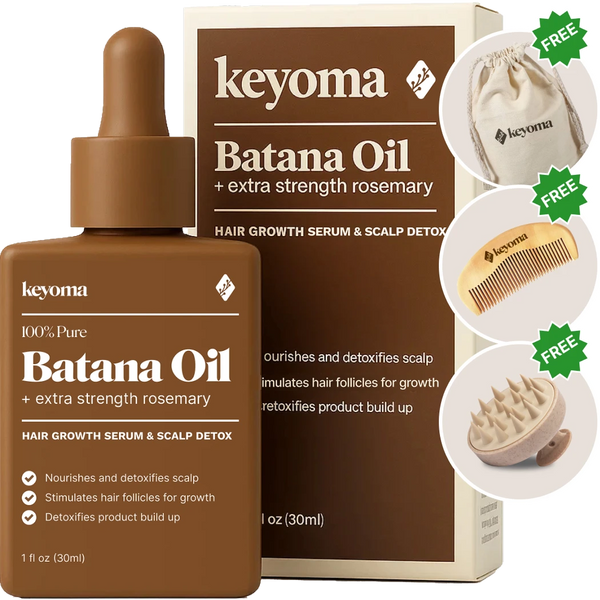


- 30-day supply delivered monthly $35
- 30% off for life $6
- Free haircare essentials kit $33
- Free custom wooden comb $10
- Free scalp massager $15
- Free eco-friendly travel bag $8
- 30-Day Money Back Guarantee
- Free Shipping
- Online portal for easy cancel, skip, or pause.
1 Month One Time Purchase
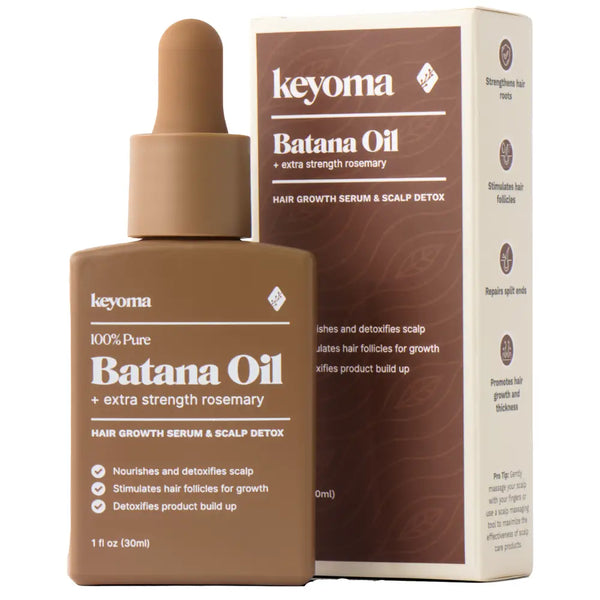
- 30-day supply $50
- 30% off for life $6
- Free haircare essentials kit $33
- Free custom wooden comb $10
- Free scalp massager $15
- Free eco-friendly travel bag $8
