

In this article
Hair loss has always been part of life, yet it can feel more common now than in the past. With higher stress levels, nutrient-poor diets, pollution, and modern grooming habits, many experts think our lifestyle may be speeding up hair thinning.
Still, is this truly a growing crisis, or are we simply noticing it more often now? In this guide, we look at whether today's world is making hair loss worse, or if we're just becoming more aware of something that has always been there.
Key Takeaways
-
Multiple lifestyle factors, including stress, diet, pollution, and sleep, can accelerate hair thinning.
-
Physical or emotional stress can push follicles into shedding phase, increasing noticeable temporary hair loss.
-
Gentle hair care, looser styles, and limited heat or chemicals help protect follicles.
-
Balanced nutrition, better sleep, scalp care, and reduced smoking or alcohol support healthier growth.
Can Lifestyle Cause Hair Loss?
Hair loss is a common concern for many people, and most of us know someone affected by it. We're almost always worrying about one thing or another. What many people don't realize is that everyday habits and lifestyle choices can also play a part in hair loss.
When your lifestyle is healthier, it often shows in the condition, strength, and density of your hair. In the next sections, you'll see how different lifestyle factors can influence your hair shedding and thickness.
Lifestyle Factors That Contribute to Hair Loss

So, how do everyday choices affect your hair? Physical trauma, like surgery, can trigger noticeable shedding. But that's not all. Diet, stress, and even styling habits play a role. Discover what weakens your strands.
Physical Trauma
Experiencing a major physical trauma in the past year can trigger noticeable shedding. If you keep finding a lot of hair in the shower drain or on your pillow, the hair loss may be moving beyond normal daily fall.
This pattern is seen quite often after surgery or a serious illness. Hair naturally cycles through three stages: growth, rest, and shedding. After a physical shock, more strands can shift into the shedding phase earlier than they normally would.
Stress and Anxiety
When you're under heavy stress, your body can react in ways you might not expect, including changes in your hair. Intense emotional strain from events like a breakup, family conflict, or other draining situations can push more hairs into the shedding phase.
During these times, existing hair loss can become more obvious or progress faster. Finding ways to lower stress and manage anxiety may help protect your hair over the long term.
Pollution and Airborne Irritants
With pollution all around us, it's hard to keep hair away from airborne toxins and dirt. When your scalp and strands are repeatedly exposed to these impurities, the follicles can weaken more quickly, leading to dullness, reduced strength, and increased shedding.
Unhealthy Diet
If most of your meals come from fast food or heavily processed snacks, your hair may eventually show the effects. A diet that doesn't provide enough vitamins, minerals, protein, and healthy fats can contribute to hair thinning along with other health problems.
Lack of Sleep
Not getting enough sleep can raise stress levels and disrupt your body's repair processes. Over time, this strain may weaken hair follicles. Chronic sleep deprivation is tough on overall health and can be one reason people with irregular, late-night schedules notice more hair loss.
Smoking and Alcohol
We usually advise patients to avoid smoking and drinking alcohol after a hair transplant. Nicotine and alcohol can both contribute to increased shedding.
Excessive smoking and drinking can cause hair loss because they affect blood flow in the scalp and the nerves involved in hair growth. Keeping these habits in check is an important step in protecting your hair.
Crash Diets
Very restrictive diets can sharply cut your nutrient intake and stress your entire body. When your intake is too low or unbalanced, your hair may not get what it needs to grow well. Instead of sudden crash diets, it's generally better to follow a balanced eating plan and pair it with regular, manageable exercise.
Hairstyling Products and Tools
Today many of us rely on styling tools and treatments to keep our hair looking polished. Frequent use of flat irons, curling wands, straightening treatments, and constant blow-drying can gradually damage the hair shaft and strain the roots. Over time, this heat and styling stress may contribute to increased hair breakage and loss.
Poor Hair-Care Routine
Relying on harsh chemical treatments and heavy styling products, along with frequent heat, can put a lot of strain on your hair.
Tight hairstyles, such as high ponytails or tight braids, pull on the roots and can cause a type of hair loss called traction alopecia, which may become permanent.
It's usually better to choose gentle, nourishing products like serums and oils and wear looser styles most days, saving tight, trendy looks for occasional use.
Emotional Stress
Similar to physical strain, intense emotional events such as bereavement, relationship problems, exams, or heavy work pressure can also be linked to hair loss. Long-term stress or depression may even trigger habits like repeatedly pulling or twisting the hair, which can injure the follicles and lead to more noticeable thinning.
Lifestyle Tips for Thicker, Healthier Hair

Hair often reflects how we feel - confident, youthful, and full of energy. When it begins to thin or recede, it can seem as if something personal is slipping away. If you want to support your hairline but don't yet feel ready to try medications or hair transplants, you're not the only one.
We'd like to help you take practical first steps toward fuller, healthier hair in a natural way. The lifestyle tips below are meant to support hair growth from the inside out and can also benefit your overall well-being.
Manage Stress
Most of us have heard jokes about being so stressed that your hair seems ready to fall out. While the saying is exaggerated, many clinicians point out that intense, long-term stress can hurt hair health.
To help manage stress and lower the chance of stress-related hair loss, they often encourage regular exercise, steady sleep habits, and consistent stress reduction techniques.
Do Not Overwash Your Hair
When you notice more hair coming out, it can be tempting to wash or scrub your scalp aggressively to "boost" growth. In reality, this approach can cause more harm than good, especially if your shampoo or styling products are harsh. Your scalp makes natural oils that keep both the skin and the hair fiber hydrated and protected.
For me, spacing out washes and using gentler products tended to leave my hair less brittle. If you strip away too much of this oil, the hair shaft can weaken, the scalp can dry out, and your skin may even respond by producing more oil.
A good goal for many people is washing 2 to 3 times a week with a sulfate-free shampoo, then following up with a suitable conditioner.
Limit Substance Use
It's not surprising that heavy use of certain drugs and alcohol can affect your hair. Habits like frequent smoking or regular heavy drinking can also interfere with healthy growth. If fuller hair is a priority, keeping these substances to a minimum is usually a wise choice.
Focus on Scalp Health
Many people reach for supplements or topical treatments that promise better hair, yet overlook the place where growth begins: the scalp. A healthy scalp is more than just clean skin; it's a supportive environment where follicles live, grow, and renew themselves.
When the scalp is inflamed, very dry, or undernourished, hair loss becomes more likely. Here are a few basic ideas for keeping your scalp in better shape:
-
Wash your hair 2 to 3 times each week with a gentle, sulfate-free shampoo
-
Use regular scalp massages to help stimulate blood flow around the follicles
-
Limit dry shampoo and try to avoid styling products that rely heavily on silicone
-
Consider using a scalp treatment that includes batana with rosemary oil
Hair health truly starts at the root. When you look after your scalp, you give both natural growth and any hair regrowth treatments a better chance to work well.
Avoid Harsh External Aggressors
If you've ever spent a full day in the pool or out at the beach, you probably know how rough your hair can feel afterward. Prolonged contact with strong sun, salt water, and chlorine can all act as external aggressors that weaken hair and interfere with healthy growth.
Try to limit long periods in strong sun, chlorinated pools, and very salty water whenever possible. Each of these exposures can damage both hair and scalp and may slow healthy growth over time.
Eat a Balanced Diet
One of the most effective ways to support your hair begins with what you eat each day. Hair is composed mostly of keratin, a protein your body builds using nutrients from your meals.
Without enough of those building blocks, your follicles can't function at their best. Try to build a protein-rich eating pattern with foods such as eggs, fish, lentils, and lean meats to support thicker, healthier growth.
I noticed my hair felt a bit stronger after consistently adding more protein- and iron-rich foods to my meals. In the studies I reviewed, low vitamin D levels are directly linked to hair loss, so including options like fortified whole grains and leafy greens can be helpful.
Omega-3 fatty acids from foods like avocado, salmon, and walnuts may also reduce inflammation and help nourish hair follicles from the inside out.
Practice Proper Hair Care
People often focus on diet, exercise, and mental health when they think about lifestyle changes for better hair. Just as important, though, is a consistent, gentle hair-care routine if your goal is longer, healthier strands.
Basic daily care matters as well - limiting damage from hot tools, tight styles, and harsh chemical treatments like relaxers is essential for preserving length and density.
Get More Sleep
Sleep may not be the first factor you associate with hair care, but it's important for growth and recovery.
While you rest, your body carries out repair processes, and that includes work on your hair follicles. Aiming for 7 to 9 hours of good-quality sleep most nights gives your hair a better chance to grow strong and resilient.
Healthy sleep patterns also help regulate cortisol, which can protect follicles from entering a prolonged resting phase. During deep sleep, your body releases human growth hormone, a key part of normal tissue repair.
Tweak Daily Lifestyle For Healthier Hair With Keyoma
Boost your hair's vitality with Keyoma Batana Oil with Rosemary, nurturing a healthier scalp for robust growth. If you're using styling products with silicone, switch to a sulfate-free shampoo when washing your hair 2-3 times a week. Silicone can build up on the scalp, potentially leading to inflammation and hindering hair growth.
Featured Product
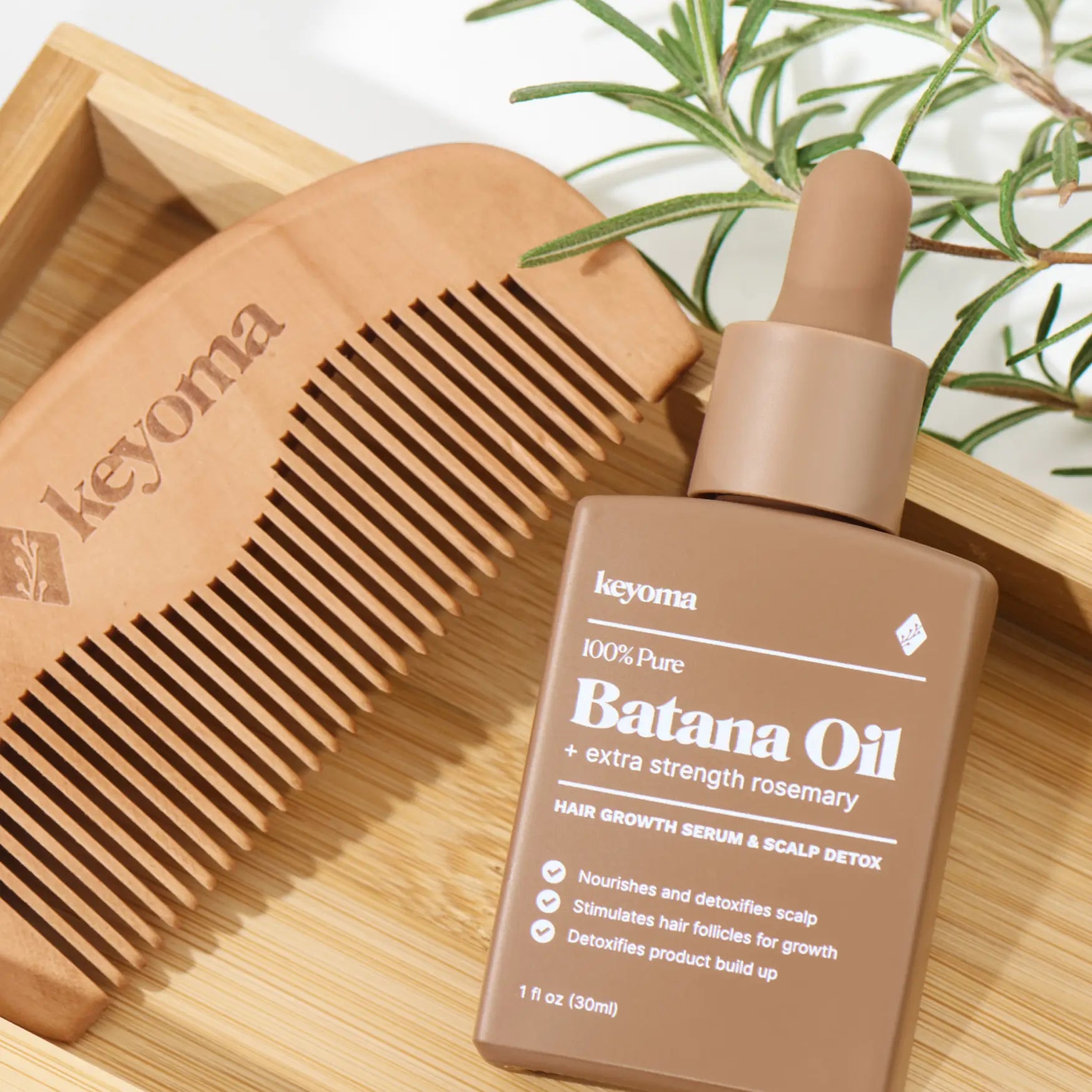
30% Off + 3 FREE Gifts
100% Pure Batana Oil + Rosemary
↓Best Batana Oil to Buy↓

1 Month
Subscribe & Save
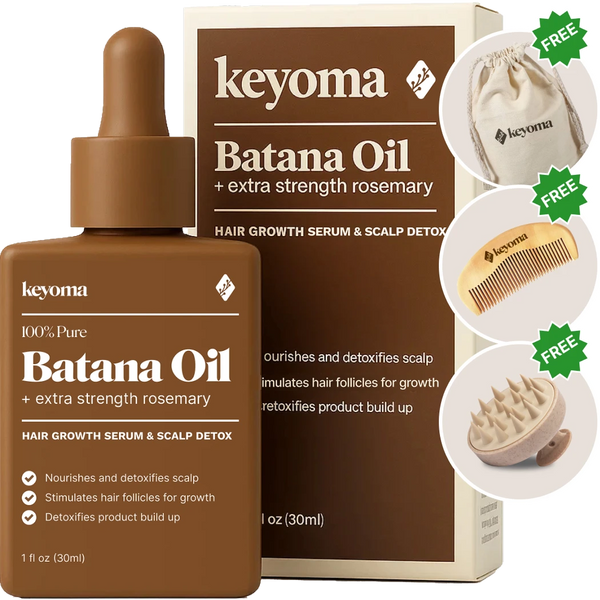


- 30-day supply delivered monthly $35
- 30% off for life $6
- Free haircare essentials kit $33
- Free custom wooden comb $10
- Free scalp massager $15
- Free eco-friendly travel bag $8
- 30-Day Money Back Guarantee
- Free Shipping
- Online portal for easy cancel, skip, or pause.
1 Month One Time Purchase
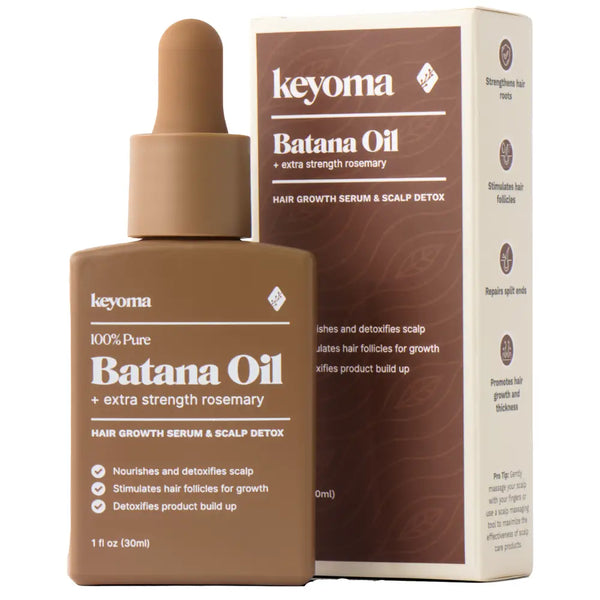
- 30-day supply $50
- 30% off for life $6
- Free haircare essentials kit $33
- Free custom wooden comb $10
- Free scalp massager $15
- Free eco-friendly travel bag $8
