Marula Oil vs Batana Oil: Which Is Best for Hair Growth?
Written by

Published on Apr 10, 2026

In this article
Choosing between marula oil and batana oil usually comes down to what your hair actually needs, not which one sounds stronger. Both oils support healthier-looking hair, but they work differently. One is light, absorbs fast, and is mainly used for smoothing. The other is richer, takes longer to absorb, and is better for deeper conditioning and scalp support.
Hair growth often comes up in this comparison, but oils do not create new growth by themselves. What they can do is support the condition of your hair and scalp, which may reduce breakage and help hair look fuller over time.
When you understand how each oil behaves, it becomes easier to choose the right one for dryness, frizz, or thinning.
Key Takeaways
-
Marula oil is lightweight and works well for smoothing, shine, and regular use
-
Batana oil is richer and works better for deep conditioning and dry scalp support
-
Neither oil directly stimulates hair growth, but both can support healthier hair conditions
-
Hair type, thickness, and dryness level help decide which oil works better
What Is Marula Oil?

Marula oil is a lightweight oil taken from the kernels of the marula fruit. It is often used in hair care because it absorbs quickly and leaves very little residue behind.
Its texture is thin and smooth, which makes it a good option for regular use without making your hair feel heavy. People often use it for frizz control, light moisture support, and added shine.
Marula oil is often chosen by people who want a softer finish without the coated or greasy feel that heavier oils can leave.
Benefits of Marula Oil for Hair
Marula oil mainly supports the surface of the hair rather than deeply conditioning it. Its strength comes from improving texture and manageability without much buildup. It is naturally rich in oleic acid and antioxidants, which help improve hair fiber flexibility and reduce moisture loss over time.
Lightweight Hydration
Marula oil can reduce dryness by sealing in the moisture already in your hair without adding heaviness. Your hair may feel softer while still keeping its movement. Its fatty acid profile helps it spread easily across the hair shaft, creating a light barrier that slows water loss.
Frizz Control and Smoothing
This oil smooths the outside of the hair, which helps reduce frizz and flyaways. Hair usually looks more polished without feeling weighed down. By helping the cuticle lie flatter, it reduces the uneven surface that often causes frizz.
Adds Natural Shine
A small amount can boost shine by helping the cuticle sit flatter. The result usually looks more even and reflective without appearing oily. A smoother cuticle reflects light more consistently, which is why shine improves with only a little product.
Suitable for Fine and Medium Hair
Hair that gets weighed down easily often responds well to marula oil. Its lightweight texture allows regular use without flattening volume. Because it has a lower viscosity than heavier oils, it is easier to spread without creating buildup.
How To Use Marula Oil For Hair
Using marula oil well depends on keeping the application light and targeted. Its texture can make it easy to use too much without noticing right away, especially on fine hair.
Apply to Damp or Dry Hair
You can use it after washing to help seal in moisture, or on dry hair to smooth and finish your style. For me, damp hair usually gave a softer and more even finish. Damp strands often help the oil spread more evenly.
Focus on Mid-Lengths and Ends
You usually get better results by applying oil where dryness shows up the most. The roots often do not need this type of oil. The driest parts of the hair usually benefit the most from a light coating.
Use a Small Amount
A few drops are often enough. Using too much can make even a lightweight oil feel heavy. Starting with a small amount gives you better control over the finish.
Use as a Daily Finishing Oil
Marula oil works well as a daily option for frizz control and shine without much buildup. It is especially useful on days when the hair looks dull or slightly rough but does not need a full treatment.
What Is Batana Oil

Batana oil is a richer oil made from the American palm tree. It has a thicker texture and is often used for deeper conditioning and scalp-focused care.
Its consistency is heavier than marula oil, which makes it a better fit for dry, coarse, or damaged hair. It is also often used in scalp routines when dryness or irritation is present.
Batana oil is not usually used as a daily finishing oil. More often, it is used as a treatment or as part of a deeper care routine.
Benefits of Batana Oil for Hair
Batana oil works by giving more intensive conditioning and support to both the hair and scalp. Its richer texture helps coat the hair fiber more thoroughly, which may improve softness and reduce surface dryness.
Deep Moisture Support
Its richer texture helps seal in moisture more effectively, especially for very dry or damaged hair. Hair may feel softer and more conditioned over time. Because heavier oils form a more noticeable barrier on the hair shaft, they can slow moisture loss better than lighter oils.
Supports Dry or Irritated Scalp
Batana oil may help improve scalp comfort when dryness or flaking is present. It is often used in routines that focus on scalp care. Its emollient texture can soften dry areas and reduce the tight, rough feeling that often comes with scalp dryness.
Helps Reduce Breakage
Heavier oils can reduce friction along the strands, especially in coarse or textured hair. This may help limit breakage during styling. Less friction usually means fewer weak points develop along the hair fiber over time.
Better for Thick, Coarse, or Damaged Hair
Hair that needs more support often responds better to richer oils. Batana oil is often more useful for these hair types than lightweight alternatives. Thicker hair usually handles heavier coatings more easily without losing as much movement or volume.
How To Use Batana Oil For Hair
Because batana oil is heavier, the application should be more controlled. A small amount usually works better than a thick layer, especially if your hair is fine or tends to get buildup.
Use as a Pre-Wash Treatment
Applying it before washing helps condition the hair without leaving too much residue after styling. This method often works well for people who want deeper softness without a heavy finish.
Apply to the Scalp in Small Amounts
A small amount can be massaged into the scalp for dryness. Too much may lead to buildup. I noticed smaller amounts tended to keep the scalp more comfortable than frequent reapplication. Gentle application often works better than repeatedly adding more.
Work Through Dry Ends
The ends usually benefit the most from deeper conditioning. Applying oil there can reduce roughness and improve texture. Dry or damaged ends often need more support than the rest of the hair.
Use Weekly or as Needed
Most routines do not need daily use. Once or twice a week is often enough to notice benefits. Very dry hair may handle more frequent use, but the hair should still feel soft rather than coated.
Marula Oil vs Batana Oil: Key Differences That Matter

These differences are not about one oil being better overall. They show how each oil fits into a routine. Both oils support healthier-looking hair, but they perform differently. The choice often comes down to texture, absorption, and how your hair responds to moisture.
Moisture
Marula oil gives light sealing and helps maintain softness without much buildup. Batana oil offers deeper moisture support and is a better fit for very dry or damaged hair. Heavier oils usually form a thicker film on the hair shaft, which can slow moisture loss more effectively, while lighter oils are better for flexible daily use.
Frizz Control
Marula oil works well for surface smoothing and daily frizz control. Batana oil can also reduce frizz, but its heavier texture makes it a better fit for treatment use rather than daily finishing. Frizz usually increases when the cuticle is lifted or uneven, so oils that smooth the surface may help reduce that roughness.
Scalp Use
Batana oil is more often used for scalp care, especially when dryness is involved. Marula oil is used on the scalp less often because its conditioning effect is lighter. Richer emollients are often preferred for dry scalp support because they soften rough areas and reduce transepidermal water loss more effectively.
Absorption
Marula oil absorbs quickly and leaves a lighter finish. Batana oil absorbs more slowly and leaves a more noticeable coating on the hair. Lower-viscosity oils usually spread faster across the hair fiber, while thicker oils tend to stay on the surface longer.
Which Oil Is Better for Your Hair Type?
Your hair type plays the biggest role in deciding which oil works better.
Fine or straight hair usually responds better to marula oil. Its lightweight texture helps reduce frizz without flattening the hair.
Medium to slightly dry hair can use either oil depending on what it needs. Marula oil works well for daily smoothing, while batana oil can be used now and then for deeper conditioning.
Thick, coarse, or very dry hair often benefits more from batana oil. Its richer texture helps support moisture retention and reduce roughness.
Hair that is thinning or breaks easily may benefit from a combination approach. Lightweight oils can help with daily control, while richer oils can be used sometimes to support scalp comfort and reduce dryness.
Can You Use Marula Oil and Batana Oil Together
Using both oils in the same routine can work if they serve different roles.
Marula oil can work as a light finishing step for daily use. Batana oil can be used less often as a deeper treatment or as a scalp support option.
The key is not to layer both too heavily at the same time. Using them for different purposes helps keep the routine balanced and reduces buildup.
Choose The Oil That Supports Your Goal
Marula oil and batana oil serve different purposes in hair care. One supports daily smoothing and light moisture control. The other offers deeper conditioning and stronger support for dry scalp and damaged hair.
Hair growth is often part of the conversation, but oils mainly support the condition of the hair rather than create new growth. Healthier strands, less breakage, and better moisture balance can make hair look fuller over time.
Choosing the right oil depends on how your hair behaves, not only on what a product claims. A routine that fits your hair type and stays consistent will always work better than switching between products without a clear reason.
Featured Product

30% Off + 3 FREE Gifts
100% Pure Batana Oil + Rosemary
↓Best Batana Oil to Buy↓

1 Month
Subscribe & Save
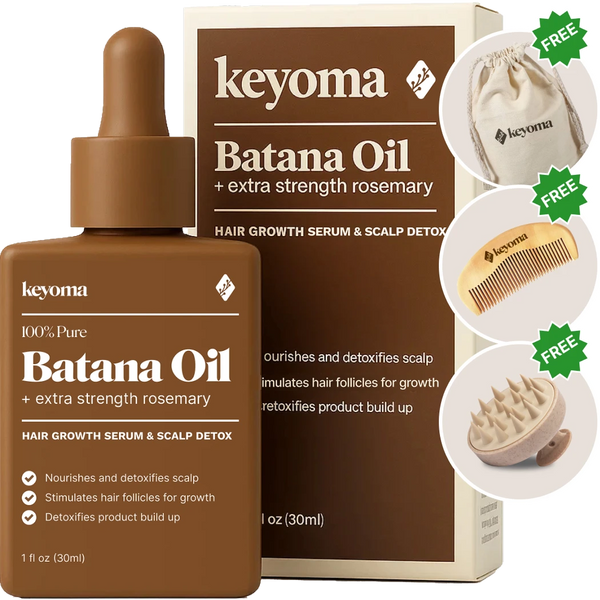


- 30-day supply delivered monthly $35
- 30% off for life $6
- Free haircare essentials kit $33
- Free custom wooden comb $10
- Free scalp massager $15
- Free eco-friendly travel bag $8
- 30-Day Money Back Guarantee
- Free Shipping
- Online portal for easy cancel, skip, or pause.
1 Month One Time Purchase
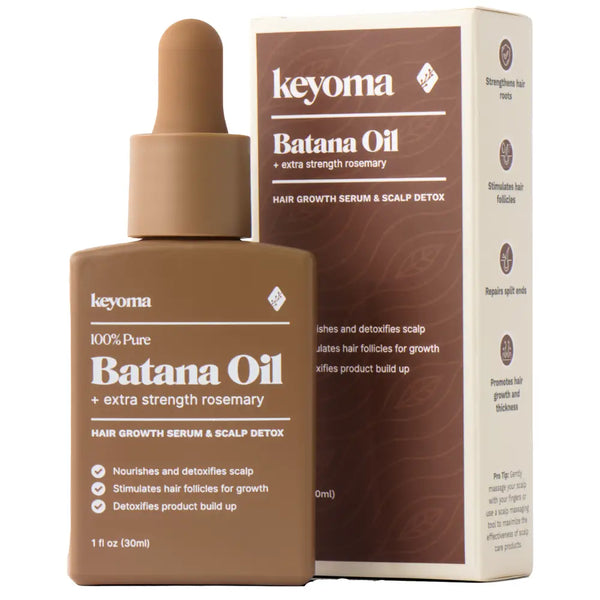
- 30-day supply $50
- 30% off for life $6
- Free haircare essentials kit $33
- Free custom wooden comb $10
- Free scalp massager $15
- Free eco-friendly travel bag $8
