Morning Hair Routine: Simple Steps for Better Hair Days
Written by

Published on Mar 26, 2026

In this article
Starting your day with a simple hair routine can make mornings feel easier and help your hair look more put together with less effort. A basic plan lets you deal with common issues like tangles, frizz, flat roots, or hair that feels rough after sleeping. It can also help you avoid rushing, overstyling, or layering on products your hair may not actually need.
You do not need to do every step every morning. The real goal is to build a routine that matches your hair type, scalp condition, and schedule. For some people, that means doing more the night before. For others, it means keeping the morning routine as simple and practical as possible.
Key Takeaways
-
A morning hair routine can help cut down on tangles, frizz, flat roots, and rough texture.
-
Gentle cleansing and conditioning may improve smoothness, manageability, and daily hair retention.
-
Careful detangling and simple styling may reduce breakage, heat damage, and daily friction.
-
Overnight oiling and satin protection may help keep hair softer and easier to handle.
Why Do You Need a Morning Hair Care Routine?
A morning hair care routine helps you reset your hair after hours of friction, pressure, and moisture loss overnight. Hair can rub against bedding, bend while you sleep, and develop knots that make it harder to manage the next day. When you deal with those issues early, you may lower the risk of extra tugging, breakage, and heat damage later on.
A routine also helps support overall hair quality. Current evidence suggests that the way you cleanse, condition, lubricate, and detangle hair can affect friction, combing force, surface smoothness, and fiber damage over time. So a good routine is not only about how your hair looks. It also supports manageability and hair retention when you do it gently and consistently.
Common Morning Hair Challenges
A lot of people wake up with the same kinds of hair problems, even when their hair types differ. The exact issue may change, but the pattern is usually similar: hair loses its shape overnight and becomes harder to style in the morning.
Tangles: Hair can knot and twist while you sleep, especially if it is long, dry, curly, or damaged. Tangles matter because rough detangling increases mechanical stress on the hair fiber.
Frizz: Dryness, humidity, and a raised cuticle can all make hair look puffier or less defined. Frizz often gets worse when hair is already dry or handled too much.
Lack of volume: Hair may look flatter after sleep, especially near the crown. Buildup, oil at the roots, and scalp condition can also change how fresh and lifted your hair looks in the morning.
Morning Hair Care Routine for Women

A good morning routine does not have to be complicated, but it should follow a clear order so you are not working against your hair. The goal is to manage moisture, reduce friction, keep the scalp clean, and avoid extra damage from rough handling or too much heat.
The steps below are meant to stay practical and easy to adjust based on your hair type, how oily or dry your scalp feels, and how much time you really have in the morning.
1. Oil Your Hair the Night Before
If your hair often feels dry, rough, or hard to manage in the morning, applying pure batana oil the night before may help soften the hair shaft and make next-day styling easier. Use a small amount through the mid-lengths and ends, or apply it lightly to spots that lose moisture fastest. If your scalp handles oils well, you can also massage in a small amount before bed and wash it out the next morning.
The papers I saw show some support for pre-wash oiling, especially when it comes to lowering friction and helping hair feel easier to manage during washing. I noticed lighter application usually made the next wash feel easier, not heavier.
Some studies have also found that certain oils may help reduce protein loss, which is one reason oiling before shampoo can help dry or fragile hair. With pure batana oil, it makes more sense to treat it as a practical step for softness and sealing, not a one-step answer for every hair concern.
2. Use a Satin Bonnet
A satin bonnet can help reduce overnight friction, which is especially useful for curly, coily, dry, or frizz-prone hair. When your hair rubs against rougher fabric for hours, the cuticle can lift more easily, and your style may lose definition by morning. Covering your hair helps keep strands smoother and can make detangling easier the next day.
This step helps most if you often wake up with flattened curls, frizz near the crown, or tangles at the back of your head. It will not repair damage on its own, but it may reduce the everyday wear that builds up over time.
3. Wash with Mild Shampoo
If your scalp feels oily, itchy, or heavy in the morning, wash with a mild shampoo that cleans the scalp without leaving the hair stripped.
The best washing schedule depends on your scalp, lifestyle, and product use. Some people do well with frequent washing, while others need less. What matters most is using a cleanser that removes buildup while still keeping your hair manageable.
Scalp care matters because scalp condition can shape how comfortable, balanced, and manageable your hair feels overall. Researchers observed that shampoo choice and wash frequency may affect oiliness, comfort, and general satisfaction with hair and scalp condition.
Pick a gentle formula that fits your scalp needs, and apply shampoo mainly to the scalp instead of the full hair length.
4. Condition Your Hair
Conditioner is one of the most helpful parts of a morning routine because it can reduce friction, improve combability, and leave hair smoother after washing. If your hair gets frizzy or rough easily, conditioner helps by coating the fiber so strands slide past each other more easily.
That effect is not only cosmetic. One review notes that conditioning agents may lower friction, improve manageability, and reduce the force needed to comb through hair, which may help cut down on breakage from daily handling. Apply it mostly to the mid-lengths and ends, leave it on as directed, and rinse well so your hair feels soft without feeling heavy.
5. Detangle with a Neem Comb
Detangle slowly and gently, starting at the ends and working upward. A neem comb or another smooth wide-tooth comb can help you move through knots without pulling as hard as you might during a rushed brushing session. The main benefit is not only the material. It is the way you detangle.
Hair is more vulnerable when it is wet or already weakened, so your detangling method matters. Using a gentle tool, working in sections, and skipping force can make a real difference in breakage over time. If needed, add a small amount of conditioner or pure batana oil to the ends first to create more slip before you comb.
6. Style Simply
Busy mornings are usually not the best time for heavy styling. When you can, keep styling simple and avoid piling on heat, tension, and too many products in one routine. Let the hair air-dry partway, use a low-heat setting if needed, and choose styles that do not pull tightly at the roots.
A simpler routine is easier to keep up with. It also lowers the risk of daily damage from repeated heat and overhandling. If your ends still look dry after styling, smooth a very small amount of pure batana oil over the surface to help reduce frizz and leave a softer finish.
Morning Hair Care Routine for Men

A morning hair routine for men should stay simple, quick, and easy to repeat every day. The goal is to keep the scalp clean, the hair manageable, and styling fast without relying on too many products or steps. A basic routine built around scalp care, gentle washing, light conditioning, and simple styling is usually enough to help hair look clean and healthy.
1. Quick Oil Application
If you want a low-effort routine, you can use pure batana oil in a very simple way. Apply a small amount before bed, or use it as a short pre-shampoo step about 10 to 20 minutes before washing. This may help soften dry hair, reduce roughness, and make your hair easier to handle after a shower.
Keep the amount light. For me, smaller amounts tended to work better on rushed mornings. Using too much oil can make fine hair look flat or leave the scalp feeling heavier than it needs to. For most men, a small amount is enough.
2. Use an Anti-Hair Fall Shampoo
If hair fall is your concern, begin with a mild shampoo that keeps the scalp clean and comfortable. Shampoo alone does not address every cause of shedding, but it can support a healthier scalp environment by removing sweat, oil, and buildup that may leave hair looking limp or unclean.
This matters because scalp health and hair quality are closely linked. If you also notice visible flakes or irritation, a dandruff-focused shampoo may help more than a general cleanser, especially when symptoms keep coming back.
3. Don’t Skip Conditioning
A lot of men skip conditioner because they think it is only for long hair, but that idea misses the point. Conditioner can help short hair too, especially when your hair feels coarse, dry, hard to style, or rough after shampooing. It softens the fiber and helps you manage your hair with less pulling.
Even a short application can improve texture and reduce friction. For men with textured, wavy, or chemically treated hair, this step may make the morning routine faster and easier.
4. Exfoliate with a Scalp Scrub
A scalp scrub may help once or twice a week if you deal with heavy buildup, extra oil, or flakes from styling products. The goal is not to scrub hard. The goal is to loosen residue and help the scalp feel cleaner.
Use this step carefully. Over-exfoliating can irritate your scalp, especially if you already have dandruff, sensitivity, or inflammation. If you keep noticing flakes, redness, or itching, a treatment-focused scalp product may make more sense than relying on a scrub by itself.
5. Use a Wooden Comb
A wooden comb can be a good option if it feels smooth and comfortable on your scalp, but your technique still matters more than the material. Use it to shape your hair gently after washing or after applying a light amount of pure batana oil to dry areas.
The main goal is to avoid rough grooming. Gentle combing helps reduce extra tension on the hair, which matters even more if your hair is thinning, fragile, or prone to breakage.
Simplify Your Morning Hair Routine for Healthier Hair
A strong morning hair routine is usually less about adding more steps and more about picking the right ones. Gentle cleansing, regular conditioning, careful detangling, and smart overnight habits can do more for hair quality than a long lineup of products.
If you want one simple oil step in the routine, pure batana oil works best as a light pre-wash or finishing option, not as a replacement for shampoo, conditioner, or scalp care. When your routine matches your real hair needs, it becomes much easier to keep your hair looking healthy day after day.
Featured Product
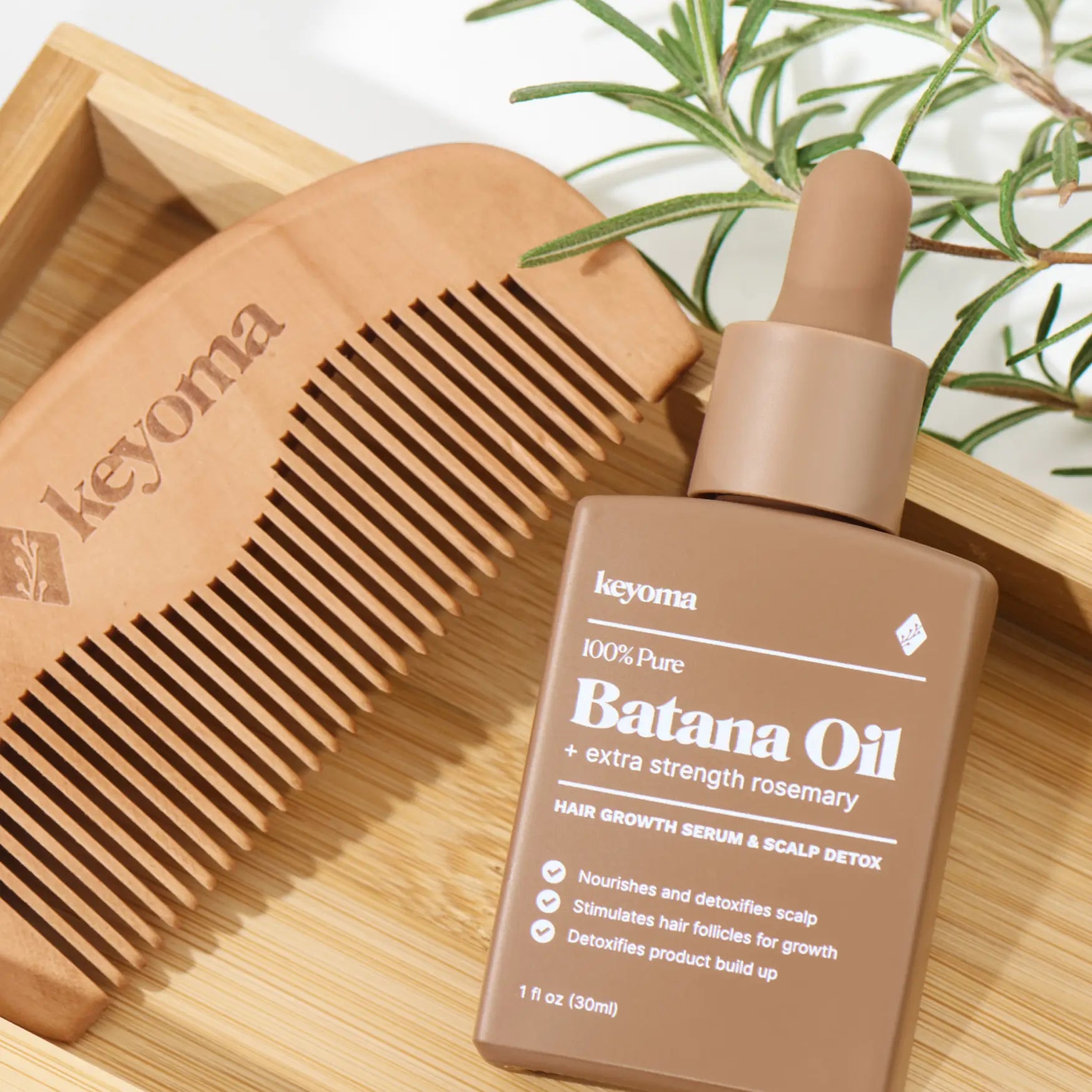
30% Off + 3 FREE Gifts
100% Pure Batana Oil + Rosemary
↓Best Batana Oil to Buy↓

1 Month
Subscribe & Save
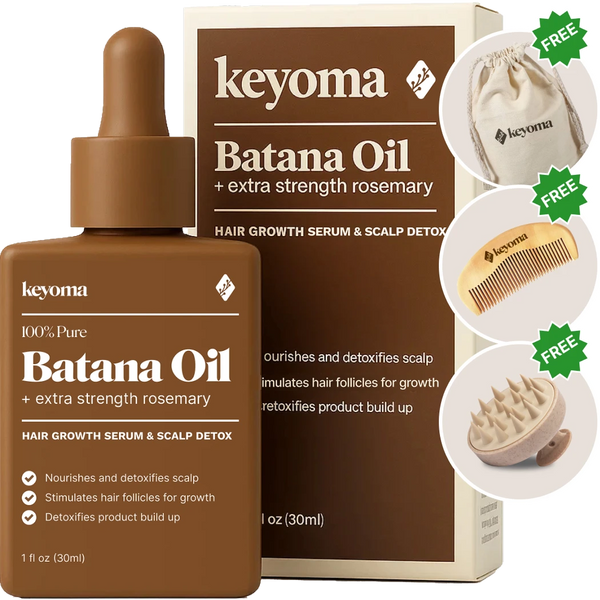


- 30-day supply delivered monthly $35
- 30% off for life $6
- Free haircare essentials kit $33
- Free custom wooden comb $10
- Free scalp massager $15
- Free eco-friendly travel bag $8
- 30-Day Money Back Guarantee
- Free Shipping
- Online portal for easy cancel, skip, or pause.
1 Month One Time Purchase
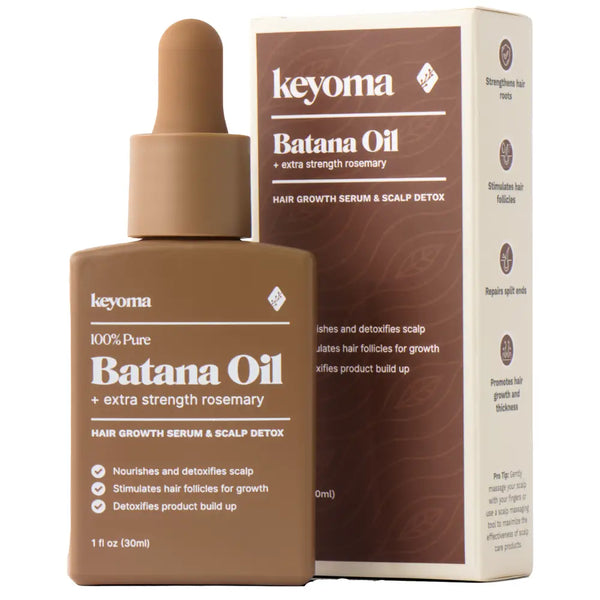
- 30-day supply $50
- 30% off for life $6
- Free haircare essentials kit $33
- Free custom wooden comb $10
- Free scalp massager $15
- Free eco-friendly travel bag $8
