

In this article
Everyone has a different hair type, and each one brings its own quirks. Managing dry, oily, or frizzy hair can be tough, but what if it’s a mix? If your scalp gets oily while your ends stay dry, you’re definitely not alone, and many deal with the reverse too. After all, having a dry scalp isn’t easy either.
Good news: there are plenty of tips, techniques, and products to help you cleanse an oily scalp while giving moisture back to dry ends.
Key Takeaways
-
Oily roots with dry ends often occur when scalp sebum fails to reach tips.
-
Overwashing, heat, sun, harsh weather, and damage strip moisture, worsening dry, brittle ends.
-
Skin conditions and genetics can boost sebum, causing greasy roots alongside dehydrated lengths.
-
Targeted care uses less frequent washing, tailored shampoo, end focused conditioner, oils, and dry shampoo.
Why Some People Develop Oily Roots and Dry Ends
If your roots look greasy a day or two after washing but your mid-lengths and ends feel dry, rough, or frizzy, you likely have oily roots with dry ends. This combo hair pattern is very common. You may notice a slick-feeling scalp, flat or stringy hair near the roots, and at the same time brittle, dull tips with lots of split ends.
Your scalp produces sebum, a natural oil that starts at the roots and slowly moves down the hair shaft. When hair is long, thick, curly, or textured, that oil often struggles to reach the ends. The outcome is oily roots while the mid-lengths and tips remain dry and rough.
Coloring, bleaching, harsh shampoos, and regular heat styling pull out moisture and weaken the hair’s outer layer, especially at the ends, which are the oldest and most exposed. Meanwhile, your scalp may respond by producing extra oil, so roots get greasy faster. Hormones, diet, and overall skin health also influence sebum output.
Some people naturally make more oil at the scalp, while the very ends still miss out and need added hydration and care.
Causes of an Oily Scalp and Dry Hair Ends

While oily roots come from excess sebum production, many things can drive that overproduction. Here are several common factors that contribute to an oily scalp.
Overwashing
While the reasons above can drive oiliness, over washing can leave your ends dry. Shampooing daily isn’t ideal for most hair. Shampoo does clean away dirt and buildup, but too much washing can backfire. It strips natural oils from the strands and leaves the ends parched.
Sun Exposure and UV Damage
High exposure to UVA and UVB rays can dry out your hair. Sunlight weakens the cuticle, the outer layer of the hair shaft. That breakdown can lead to color changes and dryness.
Heat Styling Tools
Using hot tools to style hair is very common now. But no matter how great the style looks, the effect of heat isn’t kind. It can damage the hair, making it drier and more prone to breakage.
Weather and Seasonal Changes
Severe weather swings can also affect your hair. Intense heat or cold can leave strands dry and brittle.
Learn how humidity affects your hair.
Seborrheic Dermatitis
Seborrheic dermatitis is a common skin condition that can cause an itchy, inflamed scalp. The scalp may turn pink and scaly, and affected areas can produce excess sebum. Extra oil leads to dandruff.
You might notice white dandruff patches with this condition. Seborrheic dermatitis can also appear alongside autoimmune diseases. If your symptoms are severe, consider seeing a doctor for an evaluation.
Eczema and Psoriasis
Several skin issues can drive an oily scalp, and two well-known examples are eczema and psoriasis. In both, the scalp often becomes red and scaly. Hair at the roots can look very greasy. The scalp may feel waxy and can even blister.
How to Balance an Oily Scalp With Dry Ends

Don’t let oily roots and dry ends win. Advice from hair pros, purpose-made products, and clever DIY ideas online make it easier to find practical ways to help your hair.
These tips for managing an oily scalp with dry ends can simplify your routine and support healthier hair. Your scalp and strands will appreciate it:
Use the Right Hairbrush
A lot of people think brushing oily hair only makes it greasier, but that isn’t true. Brushing helps move natural oils from the roots through your lengths and down to dry ends. With the right hairbrush, you can spread those oils more evenly to help balance an oily scalp and dry tips.
The wrong brush can make detangling harder and limit how well natural oils spread through your hair. For instance, boar bristle brushes are known for distributing oils from the scalp across your lengths. To pick the best brush, pay attention to bristle length too. If you have thicker, oil-prone hair, shorter bristles may not reach the scalp as easily.
Learn the difference between comb and brush.
Moisturize Midlengths and Ends With Hair Oil
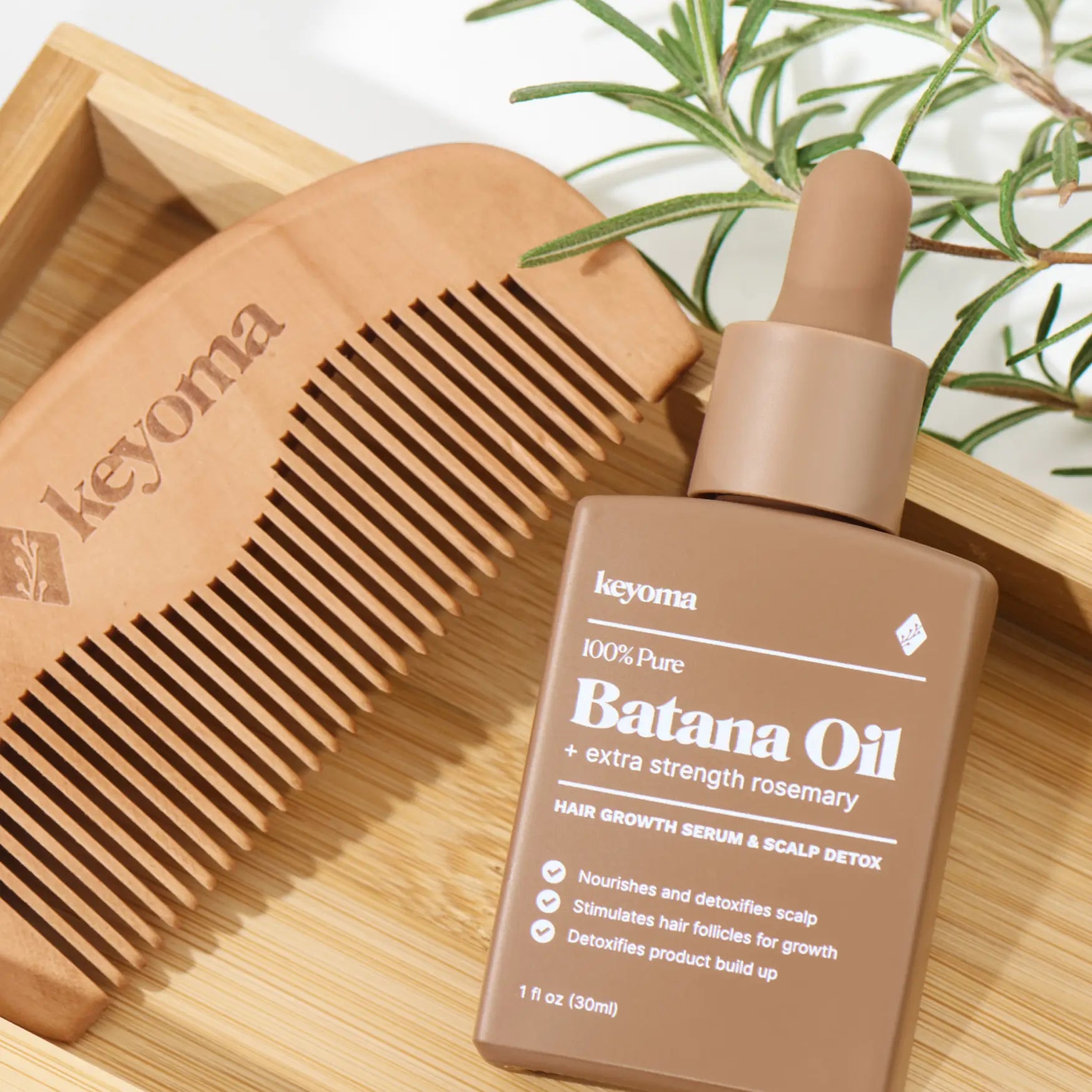
We get it: adding oil to oily hair sounds odd. Still, a small amount of the right oil can help. Use a lightweight blend like batana with rosemary oil on mid-lengths and ends only.
That can restore moisture to drier areas and smooth frayed ends without adding grease to roots or an already oily scalp. Begin with a few drops on the ends to moisturize and minimize the look of dryness.
Keep Hands Off Your Hair
We’ll say it again for emphasis: STOP. TOUCHING. YOUR. HAIR. It’s tempting to run fingers through your hair or twirl strands, but your fingertips produce oils that can make hair even greasier. Try to keep your hands away to avoid transferring extra oil from skin to hair.
Reduce Heat on Your Hair
If you’re dealing with an oily scalp and dry ends, it may be time to ease up on blow-drying and flat ironing. Heat can make hair seem oilier because natural oils travel down strands more easily when hair is straight. Straight styles also sit closer to the scalp, which makes it easier for scalp oils to transfer to the hair.
On the other hand, styling with waves or curls not only boosts volume but also slows how quickly natural oils travel. Try a heatless tool instead! If you can’t skip heat entirely, prep with a quality heat protectant before you blow-dry or straighten. Like sunscreen for hair, heat protectants help shield against burning, dryness, and dullness.
If your hair is already damaged because of heat, try these heat-damaged hair repairs.
Wash Less Often and Dry Correctly
Frequent washing may seem helpful, but it can backfire by stripping natural moisture and leaving hair drier and more fragile. Try washing 2–3 times per week to avoid over-drying strands and irritating the scalp. When you do wash, shampoo twice to deeply cleanse the scalp and remove built-up oil and dirt.
Each wash removes some of your hair’s natural oils. Your body may respond by making extra sebum to replace what was lost. It becomes a cycle you can’t break until you restore balance by washing less often.
Choose the Right Shampoo
Shampoos loaded with heavy moisturizers and oils often aren’t ideal for oily scalps, since they can leave residue. Instead, choose a natural shampoo with essential oils and plant-based ingredients. These can help balance oil production, keeping the scalp clean without stripping vital nutrients from hair.
Also look for formulas that support scalp health, which may help prevent fungal imbalances and other issues.
Pick a Conditioner for Dry Ends
It’s a common myth that your conditioner must always match your shampoo. While you need a shampoo that targets oil at the scalp, you’ll want a separate conditioner for dry, damaged ends.
Pick a lightweight formula that nourishes without weighing hair down. Hydrating conditioner suits dry, damaged hair. It replenishes moisture and adds shine without making roots greasy.
Freshen Between Washes
If you’re active and your hair looks oily after workouts or long days, you don’t need to shampoo every time. Try a scalp-refreshing rinse, it’s a quick way to rebalance the scalp without a full wash. Just dilute 20ml in half a cup of water and apply it to your scalp, either in the shower or via a spritz bottle throughout the day.
Nourish Scalp and Hair From the Inside Out
Your diet plays a key role in scalp and hair health. Foods rich in biotin, zinc, magnesium, selenium, and iron can support a healthy scalp, while vitamins A, B, C, and Omega-3s have anti-inflammatory properties that may promote hair growth.
Limit excess sugar, refined carbs, and dairy, which can upset gut health and in turn affect your hair. Aim for a balanced diet with protein-rich foods like lean meats, beans, and nuts. And remember to stay hydrated by drinking plenty of water.
Use Dry Shampoo Wisely
We’ve already noted that over washing and using too much shampoo can backfire for an oily scalp. Still, no one wants visibly dirty hair. That’s where dry shampoo helps. It quickly absorbs excess oil at the roots without a full wash.
These products can also add volume and give natural oils time to redistribute. You can also make your own DIY dry shampoo if you want to save money and try a more natural option. Baking soda, arrowroot, and clay can all soak up excess oil in hair and work well in a homemade blend.
Overall, dry shampoo helps you stretch time between washes, which can let your hair regain some balance.
Balance Oily Roots And Dry Ends Using Keyoma’s Pure Batana Oil
Rebalance your hair instead of fighting it. When your scalp gets greasy fast but your ends stay rough, a focused oil treatment can smooth damage, lock in moisture, and keep lengths looking healthy without weighing roots down.
Give your mid-lengths and tips a light, nightly boost with Keyoma’s Pure Batana Oil, then notice how much softer, shinier, and more manageable your “combo” hair feels.
Shop Keyoma Pure Batana Oil today.
Featured Product
30% Off + 3 FREE Gifts
100% Pure Batana Oil + Rosemary
↓Best Batana Oil to Buy↓

1 Month
Subscribe & Save
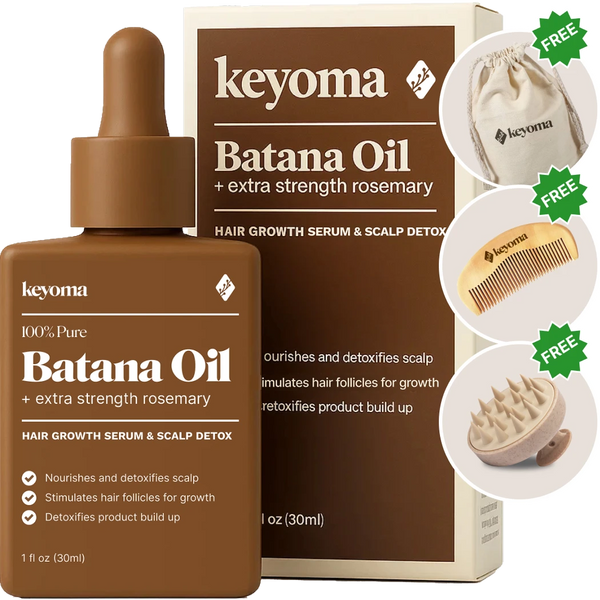


- 30-day supply delivered monthly $35
- 30% off for life $6
- Free haircare essentials kit $33
- Free custom wooden comb $10
- Free scalp massager $15
- Free eco-friendly travel bag $8
- 30-Day Money Back Guarantee
- Free Shipping
- Online portal for easy cancel, skip, or pause.
1 Month One Time Purchase
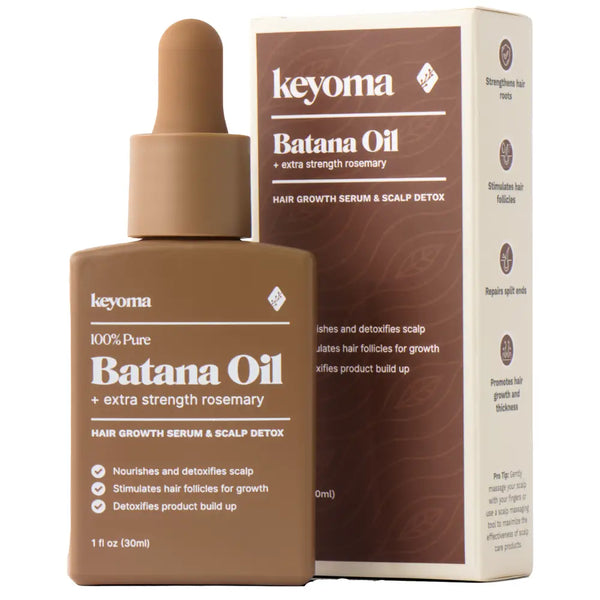
- 30-day supply $50
- 30% off for life $6
- Free haircare essentials kit $33
- Free custom wooden comb $10
- Free scalp massager $15
- Free eco-friendly travel bag $8
