

In this article
A patchy mustache doesn’t mean your grooming game is done. It’s simply a different starting point.
If you're wondering how to fix a patchy mustache and make it look right, you're not alone. Whether you want a bold statement or a subtle style, start by working with what you have. With a few smart tweaks, you can turn a patchy mustache into a strong, confident feature.
Key Takeaways
-
A patchy mustache shows uneven upper-lip growth, often linked to genetics, age, or hormones.
-
Early growth stages can look sparse, and shaving doesn’t increase thickness or density.
-
Daily grooming, conditioning, and styling can help mustache hair look fuller while growing.
-
Nutrition, patience, and skin-safe growth habits can support healthier facial hair over time.
What Does a Patchy Mustache Mean?
A patchy mustache is uneven growth on the upper lip, where some areas look thicker while others look thin or slower to fill in. This is often normal early on. It can also come down to genetics and age, since facial-hair density may keep improving as you get older.
If your patchiness shows up as sudden bald spots, or you notice itching, redness, or scaling, it may be more than normal growth patterns.
Conditions like alopecia areata can cause patchy hair loss, and infections like tinea barbae can also lead to hair loss in the beard and mustache area, so it’s worth checking with a dermatologist if symptoms don’t match your usual growth.
What Causes a Patchy Mustache
There are four common causes of uneven facial hair. They include:
-
Alopecia (autoimmune hair loss)
-
Age (still developing density)
-
Genetics (natural follicle pattern)
-
Hormonal imbalances (less common)
When it comes to age and genetics, there’s not much you can control. For some men, growing a thick mustache is easier than for others. Still, these steps can help you get fuller-looking bristles.
5 Ways to Fix Your Patchy Mustache

A patchy mustache doesn’t always mean you can’t grow one. Often, it’s timing, growth direction, and grooming choices that make some spots look thinner than they actually are.
The goal isn’t to force overnight growth. It’s to give your mustache a fair chance to come in, then use simple habits that help it look fuller while it develops. Here are 5 practical ways to fix a patchy mustache, starting with what to do first and what to avoid right away.
1. Give It Time, Don’t Reset Progress
Let your mustache grow out before you decide it’s patchy. Like a beard, it needs time to fill in, and an early-looking gap can simply be shorter hairs that haven’t caught up yet.
In some cases, the hairs are lighter in shade, which can make certain areas look thinner even when hair is actually there. The key is patience, because you can’t judge the real pattern until you’ve given it enough time to fully come in.
While you’re waiting, don’t fall for the idea that shaving more often will make it grow thicker. That’s a myth. Shaving only takes you back to the starting line, and it won’t erase the patch or force new hairs to grow in stronger. Constantly resetting the length can make progress harder to notice and easier to doubt.
2. Comb and Brush Daily to Train Your Mustache
A mustache comb can do more than you’d think, especially if you’re dealing with patchiness. It isn’t something you should ignore or treat like an optional step.
A comb (or a dedicated mustache brush) is designed for thicker whiskers, so it grips the hair better and gives you more control than using your fingers. When you use it consistently, it helps train hairs to sit where you want them, which matters if some follicles curl back, stick out, or grow in awkward directions.
That daily grooming also keeps your mustache from looking tangled or messy. Even if you’re still in the “growing it out” phase, brushing or combing every day helps the hair lay flatter and look more intentional.
Over time, hairs that usually curl or point the wrong way can be guided to grow to the side, which helps them overlap thinner spots. The result is a more streamlined look that can make patches less noticeable and makes it clear you’re maintaining your mustache, not just forgetting to shave.
3. Condition Your Mustache and Consider Growth Actives
Beard oil works well on the mustache area too. It can soften coarse hairs, ease dryness, and make the mustache easier to shape so it looks more controlled while it fills in.
After you wash, dry your mustache, then rub a few drops between your fingertips and work it through from skin to ends. A well-conditioned mustache also tends to feel better day to day, and it often smells nicer too, which helps when you’re up close with someone.
If you want an oil option that feels a bit richer, Keyoma Batana Oil with Rosemary can also work as a mustache oil. The rosemary angle matters because a randomized comparative trial in men with androgenetic alopecia found rosemary oil performed similarly to 2% minoxidil for improving hair count after 6 months, with less itching reported in the rosemary group.
Minoxidil may work for some men, but it’s not “loaded with biotin.” It’s a medication mainly used for scalp hair loss, and facial use is something you should treat carefully. It can cause skin irritation, and unwanted facial hair growth can happen, so talk to a dermatologist before you start and stop if your skin reacts badly.
4. Use Wax and Styling to Hide Patches and Shape Your Look
Mustache wax is a solid option when you want your mustache to look fuller right now, especially if you’re trying to hide obvious thin spots. Before you apply anything, wash your mustache with a mild cleanser to remove oil, sweat, and product buildup.
Then dry it well, since wax grips better on clean, dry hair. Once it’s ready, apply mustache wax evenly across your mustache and work it through so the hairs are coated and easier to direct where you want them to sit. I noticed warming the wax between my fingers helped it spread more evenly.
After you apply it, take a moment to check for balance and evenness, then stop there. Don’t keep reworking the wax, because too much handling can make the hair feel stiff and can leave the hairs clumped instead of natural. The goal is control, not crunch.
Once your mustache is long enough, wax also makes it easier to try different mustache styles. Test a few shapes and see what helps you cover thinner areas while still looking clean.
Styling can show you what your mustache can realistically look like as it grows, and it also helps you figure out what you’re aiming for. That makes it easier to stay patient and keep letting the hair grow out.
5. Eat in a Way That Supports Mustache Growth
Your mustache is still hair, so it reflects what you give your body each day. If you’re under-eating, skipping meals, or constantly cutting calories, it’s harder for your body to prioritize strong facial hair.
Aim for steady meals and enough calories for your age, height, and activity level. Also make sure you’re getting plenty of protein, since hair is built from protein and low intake can work against you.
Beyond calories, focus on nutrients that are more likely to matter for hair. Make sure you’re not low on iron or zinc, and try to cover vitamin D and B12 through food first.
If you’re considering supplements, don’t stack random pills. It’s smarter to base choices on bloodwork, because too much of certain vitamins can backfire. For example, high doses of vitamin A can contribute to hair loss.
FAQs
Why does facial hair look patchy?
That’s why many men want to know what causes a patchy beard. There are several possible causes of mustache hair loss, such as age, genes, and hormones. Certain types of alopecia can affect your mustache as well.
Does patchiness mean low testosterone?
Low testosterone can contribute to patchiness, but it's rarely the sole cause. Genetics (natural follicle pattern) and follicle sensitivity often play a larger role. A proper diagnosis helps clarify what's causing uneven facial hair growth.
What can stimulate mustache growth?
Exercise and weight training are linked to increased production of testosterone, which can encourage hair growth. The boost to metabolism and circulation that regular exercise provides may also stimulate hair growth, which can help you move through early mustache growth stages.
Support Patchy Mustache Growth Using Keyoma Batana Oil
Let your beard grow long enough to reveal the real pattern, then make thin spots less obvious by improving hair slip and direction. Patchiness often comes from uneven growth speed plus dry, stiff hairs that refuse to lay over gaps.
Keep the skin under the beard clean, then soften the hairs so they can overlap and look denser when you brush them into place.
Use a small amount of oil from skin to ends after washing, then brush daily to train the beard to sit where you want it. For an easy conditioning step that also keeps the beard area feeling fresh, try Keyoma Batana Oil with Rosemary for patchy mustache areas.
Featured Product
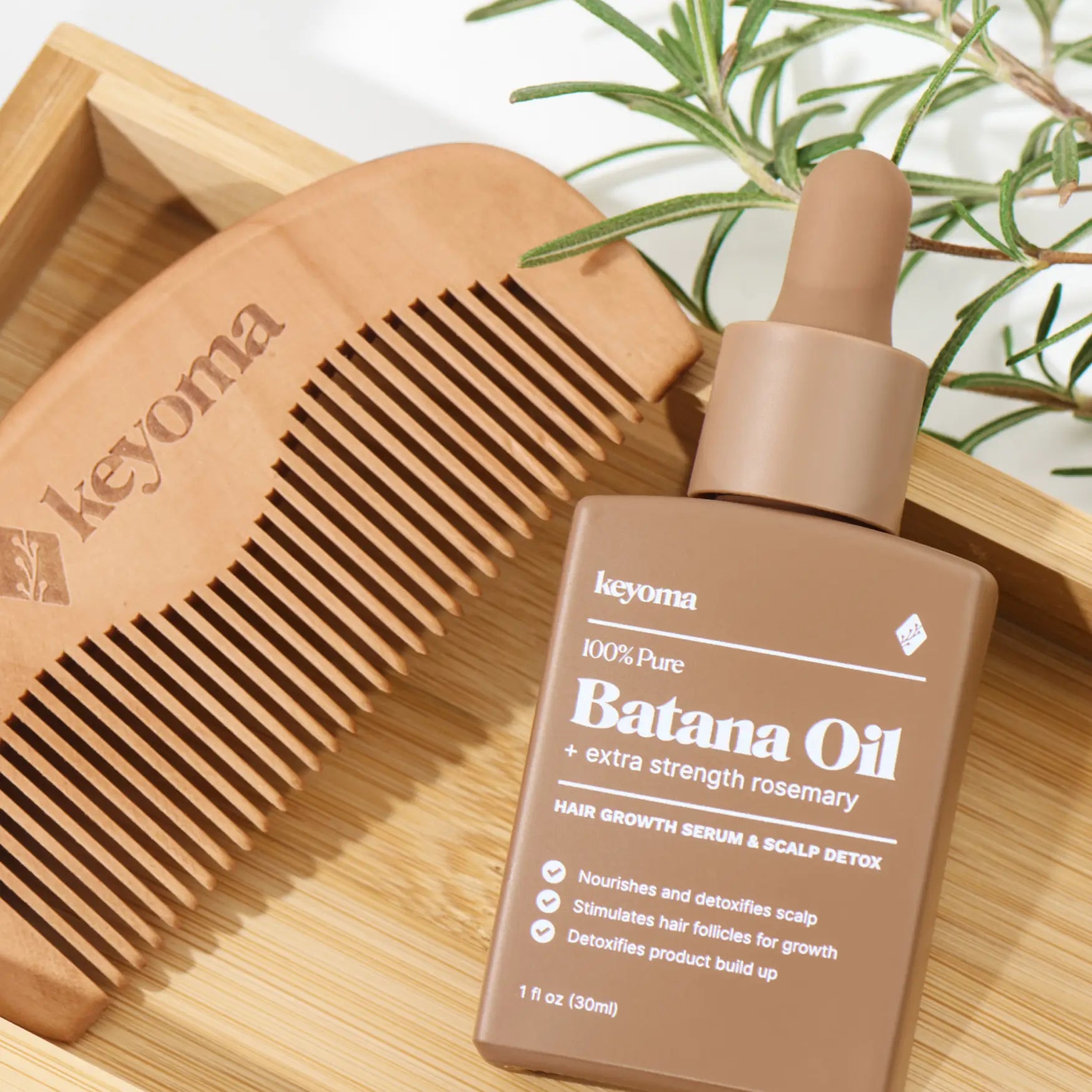
30% Off + 3 FREE Gifts
100% Pure Batana Oil + Rosemary
↓Best Batana Oil to Buy↓

1 Month
Subscribe & Save
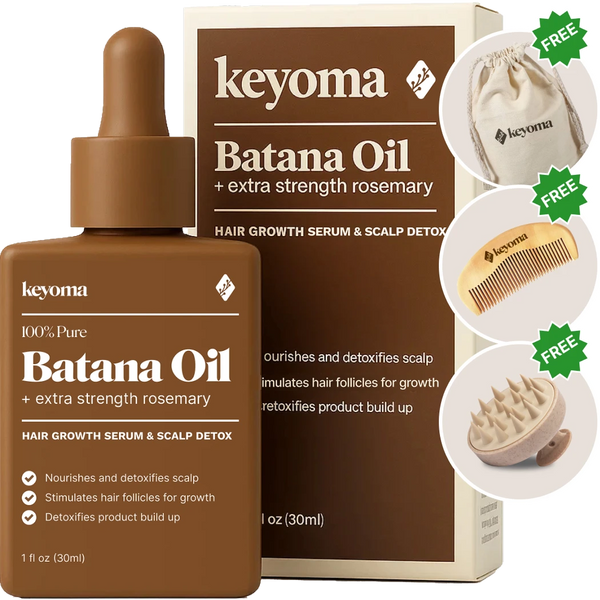


- 30-day supply delivered monthly $35
- 30% off for life $6
- Free haircare essentials kit $33
- Free custom wooden comb $10
- Free scalp massager $15
- Free eco-friendly travel bag $8
- 30-Day Money Back Guarantee
- Free Shipping
- Online portal for easy cancel, skip, or pause.
1 Month One Time Purchase
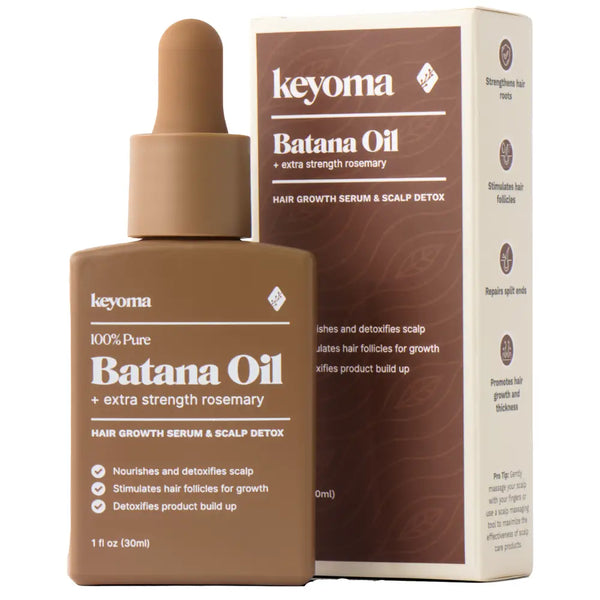
- 30-day supply $50
- 30% off for life $6
- Free haircare essentials kit $33
- Free custom wooden comb $10
- Free scalp massager $15
- Free eco-friendly travel bag $8
