PCOS Hair Loss Explained: Why It Happens and How to Manage It
Written by
Published on Nov 16, 2025

In this article
When bad hair days pile up, it wears you down. Hair loss isn’t talked about much; many women keep it to themselves. The truth is that shedding can feel traumatic and erode self-esteem, since hair is tied to identity. Because thicker hair is often linked with femininity, thinning can be seen as more masculine.
Hair loss isn’t only physical; it can rattle your mood and confidence. PCOS can be one cause. Add in symptoms like depression and weight gain, and it may feel like too much. We’re putting a light on PCOS hair loss and, most importantly, what you can do about it.
Key Takeaways
-
PCOS hormone shifts, insulin resistance, and inflammation disrupt hair cycles and increase shedding.
-
PCOS hair loss often shows gradual thinning at the part and increased breakage.
-
Treatment plans can include hormonal medications, minoxidil, laser devices, and dietary changes.
-
Gentle products, reduced heat, and regular scalp massage may support healthier looking hair.
What Is Polycystic Ovary Syndrome
Polycystic ovary syndrome (PCOS) is a hormone disorder that develops when your ovaries (the organ that makes and releases eggs) produce excess hormones. With PCOS, the ovaries make unusually high levels of androgens. That shift disrupts the balance of your reproductive hormones.
As a result, people with PCOS often have irregular menstrual cycles, missed periods, and unpredictable ovulation. Small follicle cysts (fluid-filled sacs with immature eggs) can appear on ultrasound when ovulation doesn’t occur (anovulation). Still, despite the name "polycystic," you don’t need cysts on your ovaries to have PCOS.
Those ovarian cysts are generally neither painful nor dangerous.
PCOS is one of the most common causes of female infertility. It can also raise the risk for other health problems. Your healthcare provider can tailor treatment to your symptoms and to whether you want to become pregnant.
How PCOS Can Lead to Hair Loss
Knowing the reasons behind PCOS-related hair loss helps you manage it better. Hormone changes, insulin resistance, and inflammation can alter the hair growth cycle, causing thinning and increased shedding.
Androgen imbalance: PCOS often raises androgens such as DHT, which miniaturize follicles and shorten growth phases, leaving strands thinner and more fragile.
Insulin resistance: High insulin linked to insulin resistance can boost androgen production and spark inflammation, both of which affect follicles.
Inflammation: Inflammation can push more follicles into the resting (telogen) stage, leading to extra shedding and visible thinning.
All together, these PCOS factors interrupt normal cycling and stress your follicles, resulting in more shedding, thinning, and female pattern hair loss.
Symptoms of PCOS-Related Hair Loss

Some shedding in the shower or on your brush is normal. Seasonal shifts matter too: central heating can dry hair in winter, and summer sun can cause damage. With PCOS, though, the shedding often goes beyond your usual amount.
People often assume hair loss means the whole strand comes out at the root, but with PCOS, breakage along the shaft also happens as hair gets drier and more fragile. You might see clumps in the shower, which can be especially upsetting, or notice more strands on furniture, pillowcases, and clothes.
You may also notice an itchy, dry scalp, sometimes with dandruff. Frizz can increase when shorter broken hairs won’t lie flat with the rest. Your part might look wider as more scalp shows.
Slow Thinning of Hair
You may spot a widening part or thinning on the top of the scalp, especially near the forehead. Extra androgens bind to follicle receptors and make the follicle shrink. Early on, each hair grows in with a smaller diameter and looks less healthy.
Increased Shedding Over Time
Over time, some follicles stop working. The growth phase also shortens. Hair enters the resting stage sooner and is pushed out until it falls. PCOS and hair fall often appear together. Because changes build slowly, they can be hard to notice at first.
How to Treat PCOS-Related Hair Loss

Care for PCOS-related hair loss is tailored to the individual and how severe or bothersome it is. A healthcare provider may recommend topical or oral medicines, supplements, and other options.
Laser Treatment Options
You can use at-home laser caps and combs, and some people see thicker-looking hair. These devices deliver light that may support tissue repair and encourage regrowth. Remember that results vary for PCOS-related loss, and more research is needed to learn who benefits most.
Balanced Diet for Hair and Hormones
Build meals with whole grains, lean protein, and plenty of vegetables and fruit each day. This can aid weight loss, lower insulin levels, reverse insulin resistance, and help balance your hormones.
Also include foods that supply the nutrients your hair needs.
Whole grains like wheat, rice, oats, and barley provide inositol, zinc, B-vitamins, and folate; broccoli and beans are good sources of selenium; nuts offer zinc; eggs and seafood provide choline; and peanuts contain biotin.
Medication Options
Options that can address androgenetic alopecia include:
-
Hormonal birth control: These lower free testosterone by increasing sex hormone-binding globulin. Birth control generally helps more with excessive growth than with reversing loss.
-
Rogaine (minoxidil): This topical is applied to the scalp once or twice daily. Rogaine can encourage regrowth and help protect against ongoing loss.
-
Spironolactone: An oral option that treats hair loss on its own or combined with other therapies. People with female pattern hair loss (FPHL) reported significant growth with spironolactone.
Scalp Massage Techniques
Regular scalp massage may support comfortable circulation and healthier-looking hair over time. For me, five minutes twice a day felt sustainable and avoided any scalp soreness. In one routine, people massaged for about 20 minutes twice a day, 12 hours apart, using a mix of pinching, pressing, and stretching movements.
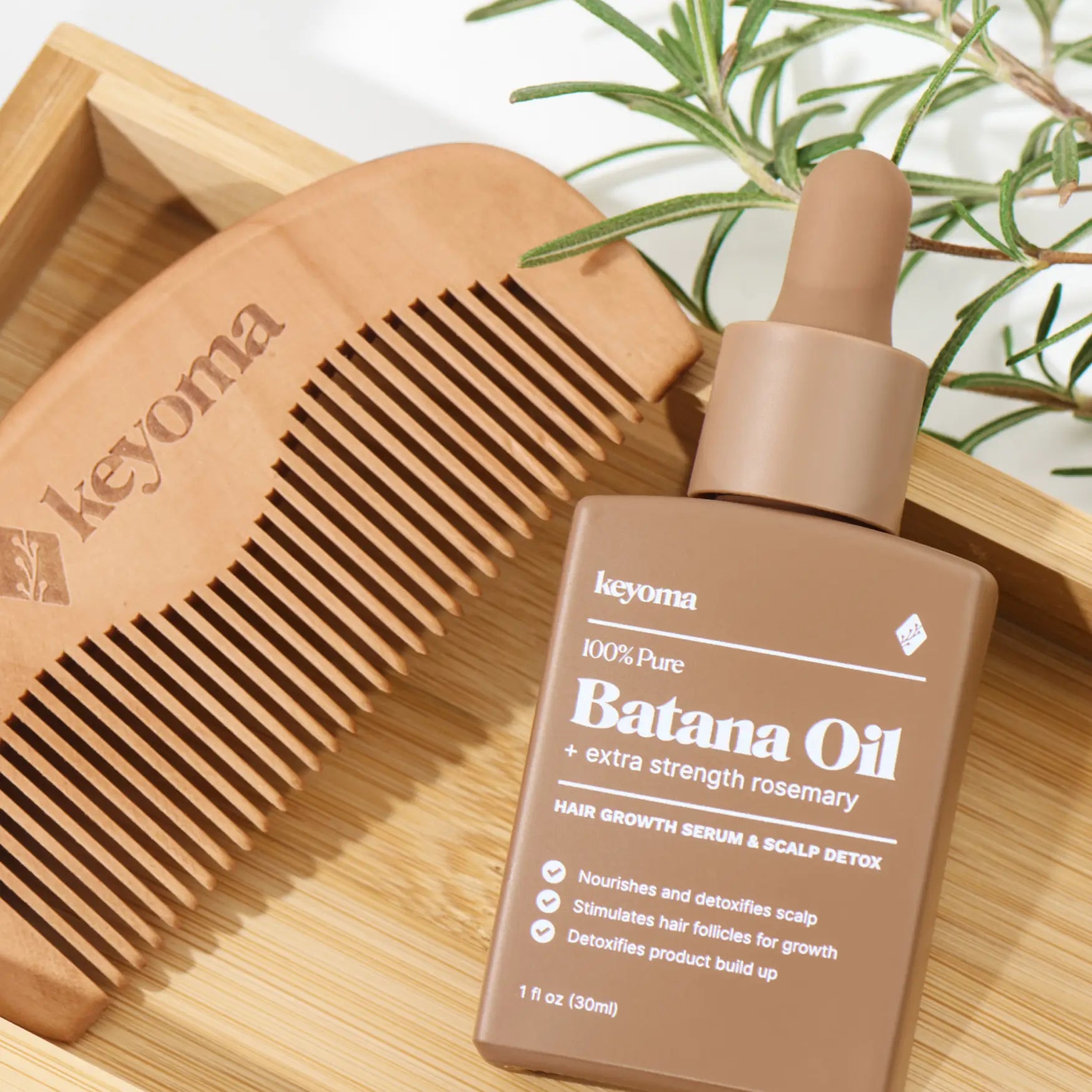
For smoother glide and added nourishment, place a few drops of Batana Oil with Rosemary on your fingertips before you start.
Try the following movements at home:
-
Pinches: Use one or two hands to pinch the scalp, keeping your grip at least one inch apart. Apply light downward pressure, hold for one to two seconds, then move to a new spot.
-
Presses: Press your knuckles or palms into the scalp, holding each press for one to two seconds. Let the oil help your fingers slide smoothly.
-
Stretches: Place one or both hands on the scalp and push your fingers toward the forehead, moving the scalp up and down with steady, comfortable force. Keep movements slow so the Batana Oil with Rosemary spreads evenly.
Hair Care Tips for Women With PCOS
Taking good care of your hair is crucial when you’re managing PCOS-related hair loss. Here are our top tips:
-
Choose gentle shampoos: Pick mild, sulphate-free formulas to limit harsh surfactants that can worsen damage and the look of loss.
-
Limit heat styling: Frequent high heat weakens hair. Use hot tools sparingly and apply a heat protectant every time.
-
Protect your hair: Reduce sun and environmental stress by wearing a hat or using protective products.
-
Avoid tight styles: Skip daily tight ponytails or buns. They strain the hair and can lead to breakage.
Start Your Hair Recovery Plan Today With Keyoma
If you're dealing with PCOS-related hair loss, remember that consistency is key. Now, start incorporating more whole grains, lean protein, fruits, and vegetables into your diet to help balance your hormones. Next, consider adding a regular scalp massage to your routine, using Keyoma Batana Oil with Rosemary for easier movement and extra nourishment.
Featured Product
30% Off + 3 FREE Gifts
100% Pure Batana Oil + Rosemary
↓Best Batana Oil to Buy↓

1 Month
Subscribe & Save
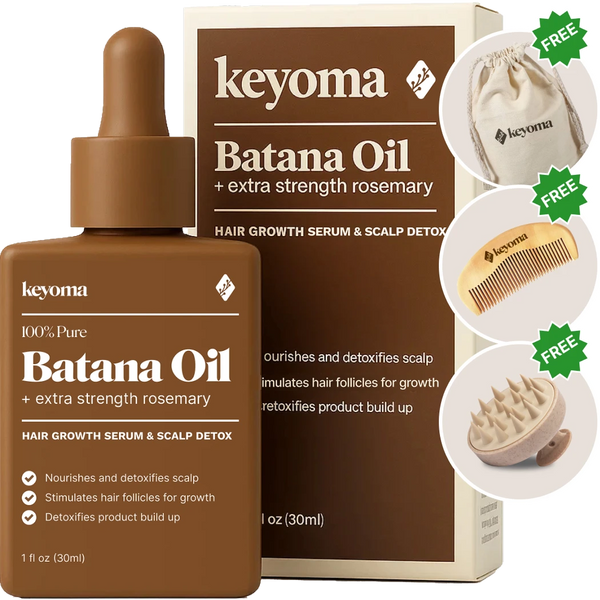


- 30-day supply delivered monthly $35
- 30% off for life $6
- Free haircare essentials kit $33
- Free custom wooden comb $10
- Free scalp massager $15
- Free eco-friendly travel bag $8
- 30-Day Money Back Guarantee
- Free Shipping
- Online portal for easy cancel, skip, or pause.
1 Month One Time Purchase
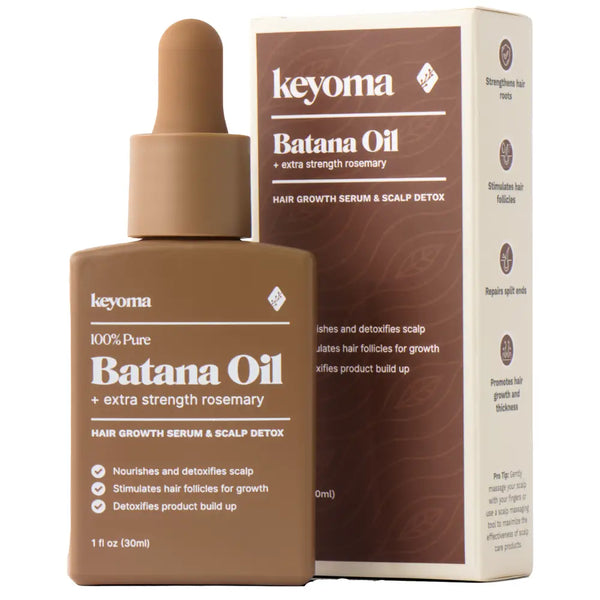
- 30-day supply $50
- 30% off for life $6
- Free haircare essentials kit $33
- Free custom wooden comb $10
- Free scalp massager $15
- Free eco-friendly travel bag $8
