Pre-Wash vs Post-Wash Hair Oil: Which Routine Fits Your Hair?
Written by

Published on May 07, 2026

In this article
Pre-wash vs post-wash hair oil comes down to what you want the oil to do. Use oil before washing when your hair feels dry, rough, tangled, or stripped after shampoo. Use oil after washing when you want shine, smoother frizz, softer flyaways, or help with dry-looking ends.
Neither method is always better. The right timing depends on your hair type, oil amount, where you apply it, and whether your main concern is dryness, frizz, scalp comfort, or wash-day manageability.
Hair oil can smooth and soften, but it does not replace shampoo, conditioner, leave-in moisture, heat protection, or trims. Think of it as a support step, not the whole routine.
Key Takeaways
-
Pre-wash oil works best as wash-day prep.
-
Post-wash oil works best as a light finisher.
-
Fine hair needs less oil and shorter contact time.
-
Thick, curly, or dry hair may tolerate richer oiling.
Should You Oil Hair Before or After Washing?
You should oil hair before washing if your hair feels dry, rough, tangled, or brittle before shampoo. Pre-wash oil can add slip and help the ends feel less stripped after cleansing. It is especially useful when shampoo leaves your lengths feeling too clean, squeaky, or hard to detangle.
You should oil hair after washing if your hair looks frizzy, dull, or dry at the ends once it is clean. Post-wash oil is usually a finishing step. It can help smooth the surface, add shine, soften flyaways, and make dry ends look more polished.
Cleveland Clinic dermatologist Dr. Shilpi Khetarpal recommends brushing or combing first, using a pea-sized amount, applying oil to the ends, spreading it from the middle of the hair to the ends, and washing it out after 20 minutes to an hour when using oil as a treatment.
If your main question is when to oil hair before shampooing, focus on contact time and washout. Fine or oily hair may only need a short pre-wash step. Coarse, curly, textured, or very dry hair may tolerate a longer oiling window.
What’s the Difference Between Pre-Wash and Post-Wash Hair Oil?
Pre-wash and post-wash oiling use the same basic product category for different goals. A pre-wash oil goes on before shampoo, so it can act like a buffer for dry lengths and ends. A post-wash oil goes on after cleansing and conditioning, so it works more like a polish or finishing layer.
The biggest mistake is using too much oil at the wrong time. Heavy oil after washing can make fine hair look greasy. Too little oil before washing may not make much difference for thick or dry hair. The best method is the one that gives your hair softness without residue.
Pre-Wash Oil
Pre-wash oil is best for hair that feels dry before you even step into the shower. It can help with tangles, rough ends, and the stripped feeling that sometimes follows shampoo.
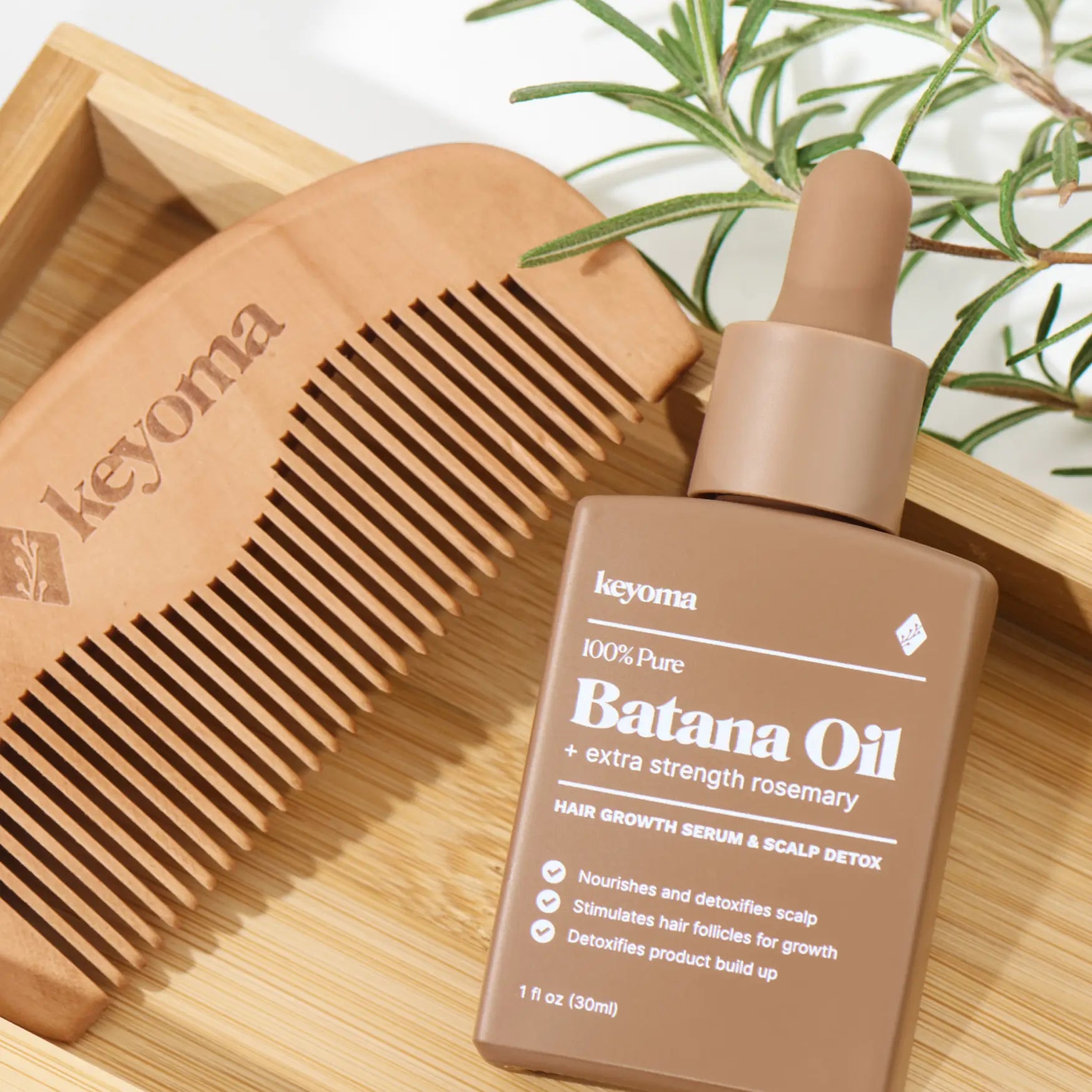
Apply it to dry hair before washing. You can focus on the scalp, lengths, or ends depending on your goal, but dry or fragile ends usually need the most support. For richer options, Keyoma’s batana and rosemary oil fit well as a wash-day treatment, especially when you want a more cushioned feel before shampoo.
Pre-wash oil also gives you more room to use a richer texture. Since you wash it out, the risk of looking greasy after styling is lower than with a heavy post-wash application.
Post-Wash Oil
Post-wash oil is best for clean hair that needs shine, softness, or frizz control. It is usually applied in a very small amount to towel-dried or fully dry hair.
Use post-wash oil on the mid-lengths and ends, not the roots, unless your scalp and hair type can handle extra oil. A few drops can help smooth dry-looking ends after washing, but too much can flatten volume.
Post-wash oil is different from serum. If your goal is smoothness, shine, or styling polish, hair oil vs. serum can help you decide whether your hair needs nourishment, finish, or both.
Pre-Wash vs Post-Wash Hair Oil: Which Routine Fits Your Hair Type?

A hair oil routine by hair type should start with how your hair behaves after washing. Some hair feels dry and tangled before shampoo. Some looks good after washing but gets frizzy as it dries. Some gets greasy fast at the roots but dry at the ends.
Oil placement matters as much as timing. Roots, scalp, lengths, and ends do not need the same amount. Fine hair may need oil only on the last inch. Thick or coily hair may need more through the lower lengths.
Dry, Rough, or Tangled Hair
Dry, rough, or tangled hair usually benefits from pre-wash oil. Apply oil before shampoo so the hair has more slip before cleansing. This can make detangling easier and reduce the rough feeling that comes after washing.
Pre-wash oil is also useful if your ends feel dry even when your roots are oily. In that case, avoid the scalp and treat only the lower lengths. A pre wash hair oil routine can be simple: oil the dry areas, wait, shampoo well, then condition.
Frizz, Shine, and Dry Ends
Frizz, dullness, and dry-looking ends often respond better to post-wash oil. After washing and conditioning, a small amount of oil can help the surface look smoother and shinier.
The American Academy of Dermatology says conditioner after every shampoo can help reduce damage, and dermatologists also recommend leave-in conditioner or detangler to reduce frizz, static, flyaways, and breakage. Oil works best after those moisture steps, not instead of them.
For hair oil for dry ends after washing, use a few drops only where the hair looks rough. A targeted hair oil for dry ends approach helps you avoid greasy roots while still softening the parts that need it.
Wash-Day Care and Light Finishing
Some people can use hair oil before and after washing, but the amounts should be different. Pre-wash oil can be more generous because it gets rinsed out. Post-wash oil should be much lighter because it stays on the hair.
For example, thick dry hair might use a richer oil before shampoo, then one or two drops after styling on the ends. Fine hair might use a short pre-wash treatment only, then skip post-wash oil or use a very light serum instead.
Curly, Coily, or Textured Hair
Curly, coily, or textured hair often needs more help with dryness and friction because natural scalp oil has a harder time moving down bends and coils. Pre-wash oil can support wash-day detangling, while post-wash oil can help smooth frizz once curls are set.
Do not use oil as the only moisture step. Curls often need water-based leave-in care, conditioner, or cream before oil makes sense. Verywell Health notes that people with fine, oily hair, sensitive skin, or certain scalp concerns should choose oils carefully and use them sparingly to avoid greasiness or irritation.
How to Use Hair Oil Before Washing

Pre-wash oiling works best when it is intentional. You do not need to coat every strand unless your hair is thick, coarse, or very dry. A focused application on the areas that feel rough is usually enough.
The goal is to soften hair before shampoo, not leave behind a heavy film. Start modestly, watch how your hair feels after washing, then adjust the amount next time.
Apply to Dry Hair Before Shampoo
Apply pre-wash oil to dry hair before shampooing. Dry hair makes it easier to feel where the rough or tangled areas are.
Brush or finger-detangle gently before applying oil. Then warm a small amount between your palms and press it into the lengths or ends. If your hair is thick or textured, sectioning can help you spread the oil more evenly.
Focus on the Scalp, Lengths, or Ends Based on Your Goal
Use oil on the scalp only when scalp comfort, massage, or dryness is part of your goal. If your scalp gets greasy or itchy easily, keep oil away from the roots.
Use oil on the lengths when your hair tangles or feels rough after shampoo. Use oil on the ends when the last few inches look dry, frizzy, or fragile. If you are choosing between Keyoma’s batana and rosemary options, batana oil vs. rosemary oil is a better comparison than assuming one oil fits every concern.
Leave It On Long Enough Without Overdoing It
A pre-wash oil does not need to stay on all day. Many people do well with 20 minutes to an hour, which matches Cleveland Clinic’s general treatment window for hair oiling.
Overnight oiling is not automatically better. It may suit some dry or coarse hair types, but it can feel too heavy for fine hair and may bother sensitive scalps. If you are unsure, use a shorter contact time first.
Shampoo Well to Remove Excess Oil
Shampoo well enough to remove excess oil, especially if you used a rich amount. If your hair still feels coated after washing, use less oil next time or focus only on the ends.
You can also review whether oil should stay in or be rinsed out. If your hair gets limp or greasy after oiling, can you leave batana oil in your hair is a useful question because some oils work better as rinse-out treatments than leave-in finishers.
How to Use Hair Oil After Washing

Post-wash oiling should feel light. The hair is already clean, conditioned, and styled or nearly styled, so the oil’s job is to smooth and finish.
Use less than you would before washing. You can always add another drop, but once hair looks greasy, it is hard to reverse without washing or restyling.
Start With Towel-Dried or Fully Dry Hair
You can apply a small amount of oil to towel-dried hair or fully dry hair. Damp hair may work well when you want softness through the ends. Dry hair works well when you want to smooth flyaways, frizz, or dull-looking tips.
Avoid applying oil right before high-heat styling unless the product is made to protect against heat. Oil alone is not the same as heat protectant, and excessive heat can still damage hair. AAD advises using the lowest heat setting, limiting hot tool contact, and using hot tools less often when possible.
Use a Few Drops on the Mid-Lengths and Ends
Start with a few drops on the mid-lengths and ends. Rub the oil between your palms first, then lightly press it into the hair instead of pouring it directly onto one spot.
For fine hair, one drop may be enough. For thick, coarse, curly, or textured hair, you may need more, but build slowly. Post-wash oil should make hair look smoother, not wet or separated.
Avoid the Roots if Your Hair Gets Greasy Fast
Avoid the roots if your hair gets greasy fast. The scalp already produces oil, so adding more to the root area can flatten volume and make clean hair look dirty.
Place oil where your hair actually needs it. For many people, that means the last few inches. If your scalp is sensitive, acne-prone, or easily irritated, patch test new oils and avoid heavy root application.
Add More Only When Your Hair Still Feels Dry
Add more only when your hair still feels dry after the first small amount. Wait a minute before deciding because oil often spreads as you smooth or brush the hair.
If your hair needs oil often but still feels dry, the issue may be missing moisture rather than missing oil. Conditioner, leave-in care, and wash frequency may need adjusting. For timing support, hair oiling frequency can help you avoid using more oil just because the ends feel rough.
Choose The Routine That Match Your Hair
Pre-wash vs post-wash hair oil is not about choosing one winner. Pre-wash oil fits dry, rough, tangled, or shampoo-sensitive hair. Post-wash oil fits frizz, flyaways, shine, and dry-looking ends after washing.
Choose the timing that matches your goal, then keep the amount small and consistent. Oil before washing when your hair needs softness before shampoo. Oil after washing when your finished style needs polish. Use conditioner, leave-in care, and heat protection alongside oil so your routine supports the hair instead of weighing it down.
Featured Product
30% Off + 3 FREE Gifts
100% Pure Batana Oil + Rosemary
↓Best Batana Oil to Buy↓

1 Month
Subscribe & Save
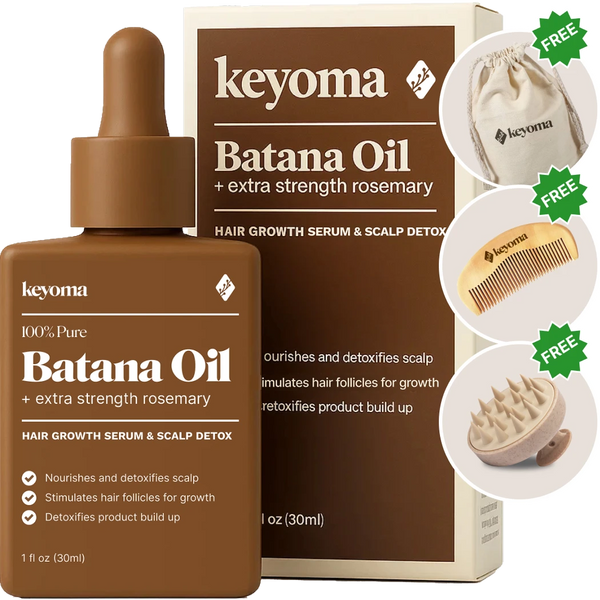


- 30-day supply delivered monthly $35
- 30% off for life $6
- Free haircare essentials kit $33
- Free custom wooden comb $10
- Free scalp massager $15
- Free eco-friendly travel bag $8
- 30-Day Money Back Guarantee
- Free Shipping
- Online portal for easy cancel, skip, or pause.
1 Month One Time Purchase
- 30-day supply $50
- 30% off for life $6
- Free haircare essentials kit $33
- Free custom wooden comb $10
- Free scalp massager $15
- Free eco-friendly travel bag $8
