How To Protect Your Hair While Sleeping Without Extra Breakage
Written by

Last updated Jun 13, 2026

In this article
Many people assume hair only gets damaged by bleaching or constant heat styling, but that is not the only risk.
Using protective sleep-friendly styles helps care for your hair and plays a big role in keeping it healthy, while also cutting down on breakage, frizz, and tangles. It helps to know the basic do’s and don’ts of sleeping on your strands as part of your haircare routine.
Whether you like braiding your hair for waves, focusing on repairing damage, or trying to preserve the look of a sleek blowout, there are plenty of habits that help your style last through the night. With a few pre-sleep hair care steps, you can keep your hair better protected while you sleep.
Key Takeaways
-
Friction, tangles, and moisture loss during sleep can gradually weaken hair and scalp health.
-
Best sleep style depends on hair length, surface friction, and tension from tight ties.
-
Brushing, sealing ends with lightweight oil, and silk pillowcases reduce knots, breakage, and dryness.
-
Loose protective styles like buns, pineapple ponytails, braids, wraps, and twists help preserve hairstyles.
How Sleep Can Damage Hair
Sleep itself can quietly contribute to damaged hair. We all value our beauty rest, but the hours you spend in bed can still be tough on your strands. The common causes of hair damage during sleep include friction from tossing and turning, tangles that lead to snapping, and moisture being pulled from your hair into the pillowcase.
Fine or thin hair is especially vulnerable at night because of its delicate texture, though people with thicker hair are not completely spared. Sleeping can still wreak havoc on every hair type.
Should You Sleep With Hair Up or Down?

Plenty of people are unsure how to wear long hair to bed. Some swear by loose styles, others prefer tying everything up, but the better choice depends on your hair and how you secure it. If your ponytail pulls tightly at the crown, that extra tension is not ideal for your scalp or the overall health of your hair.
Leaving your hair down is not automatically safer either.
If you sleep on a surface that creates a lot of friction, your loose hair can still snag and roughen up. In many cases, your hair length will guide which option works best.
Short hair usually does best worn down at night, because tying it up can concentrate friction and pressure on the scalp.
Long hair, on the other hand, often benefits from being gathered in a loose style so the lengths, especially the ends, are less likely to snag or pull while you sleep.
Tips to Protect Hair During Sleep

Your hair rests against your pillow for hours each night, so it helps to give it a bit of extra care. A few small adjustments to your nighttime routine can be the difference between waking up with smooth, tangle-free strands or feeling like your hair went through a windstorm.
The main goals are less friction, more moisture, and as little unnecessary stress on your hair as possible, and the ideas below are a good place to start.
Brush Before Bed
Hair that goes to bed in a knotty state usually looks even more tangled by morning. A quick brush before you sleep helps spread your scalp’s natural oils and keeps new knots from forming overnight. For me, a few gentle strokes at night meant fewer snags to deal with the next day.
Use a soft, extension-safe brush or a wide-tooth comb to limit breakage, and if your hair tangles quickly, a light mist of leave-in conditioner can help everything glide.
Seal Ends With Hair Oil
The ends of your hair usually show dryness and damage first, so leaving them unprotected at night can encourage split ends. Before you get into bed, warm a small amount of batana oil with rosemary between your hands and lightly smooth it over the last few inches of your hair.
That simple step helps seal in moisture, lowers friction while you move in your sleep, and leaves your hair feeling softer instead of rough when you wake up.
Batana with rosemary has a rich feel but absorbs nicely, so you only need a small amount to avoid greasiness. As an added benefit, it can help calm frizz and make styling your hair the next day feel smoother and easier.
Switch to a Silk or Satin Pillowcase
Still sleeping on cotton pillowcases? That fabric tends to pull moisture from your hair and create extra friction, which can lead to frizz, tangles, and split ends.
Silk or satin pillowcases, in contrast, let your hair glide over the surface with less rubbing and less moisture loss, so you wake up with smoother, shinier strands. Many people also notice fewer pillow marks on their face, so your skin benefits as well.
Time Your Showers Strategically
Those late-night “everything” showers can feel great, especially before getting into clean sheets, but they are not ideal for your hair if you go to bed with it still wet. A simple tweak is to wash earlier in the evening so your hair has time to dry on its own.
If that timing does not work for you, finish your wash with a cool-water rinse to help the cuticle lie flatter, which locks in more moisture and adds shine.
Protect Hair With a Scarf or Wrap
If you often toss and turn at night, your hair can pay the price. Wrapping it in a silk or satin scarf, or using a bonnet, keeps everything contained, cuts down friction, and helps prevent tangles while you move in your sleep.
This is especially helpful for curly, coily, or textured hair, though any hair type can benefit from the extra layer of protection. The key is a loose wrap, since tying it too tightly can leave dents, while wrapping too loosely means it may slip off before morning.
Use an Overnight Conditioning Mask
Treat this step as true beauty sleep for your hair. Leaving a deep conditioning mask on overnight helps restore moisture, strengthen strands, and reduce frizz while you rest, with almost no extra effort. Someone close to me noticed fewer rough ends after using a light overnight treatment once or twice a week.
If your hair feels especially dry or fragile, choose a lightweight, leave-in deep conditioner rather than a thick, rinse-out formula before bed. To avoid product rubbing off on your bedding, either wrap your hair in a silk scarf or sleep on a satin pillowcase.
By morning, you are more likely to wake up with hydrated, glossy, frizz-controlled strands that feel closer to a fresh salon finish.
Swap Tight Elastics for Scrunchies
If you rely on a tight, thin elastic every night, it may be putting stress on your strands while you sleep. Standard hair ties can create tension and lead to breakage, especially when you regularly wear your hair up in bed. A simple swap is to use scrunchies instead. Satin or silk versions are gentler, less likely to leave marks, and are easier to remove without pulling out hair.
When you tie your hair back at night, choose a loose low ponytail, a pineapple for curls, or a braid secured with a scrunchie. These softer styles are kinder to your hair over time.
Discover the perfect gifts for women with hair loss.
Adjust Your Sleep Position
Take a moment to think about how your head and hair rest on the pillow at night. Spreading your hair out instead of letting it bunch up in one spot can ease some of the tension on your strands. If you move around a lot while you sleep, experiment with positions that reduce pulling and twisting on your hair.
Building these ideas into your nighttime routine can make it easier to protect your hair while you sleep and keep it healthier and more manageable. With the right pillowcase, protective styles, targeted treatments, gentle detangling, good scalp care, and a thoughtful sleep position, you give yourself a better chance of waking up with smoother hair.
Paying attention to your hair overnight is an investment in its long-term health and appearance, so you start the day with hair that looks and feels its best.
Protect Your Hair While Sleeping With Batana Oil
Eager for gorgeous hair days? Your secret weapon is your sleep routine. Ditch that old cotton pillowcase – silk or satin is your hair's new best friend, fighting frizz and dryness. Give your ends a treat with Keyoma Batana Oil and Rosemary; it's like a mini spa treatment while you snooze.
Featured Product
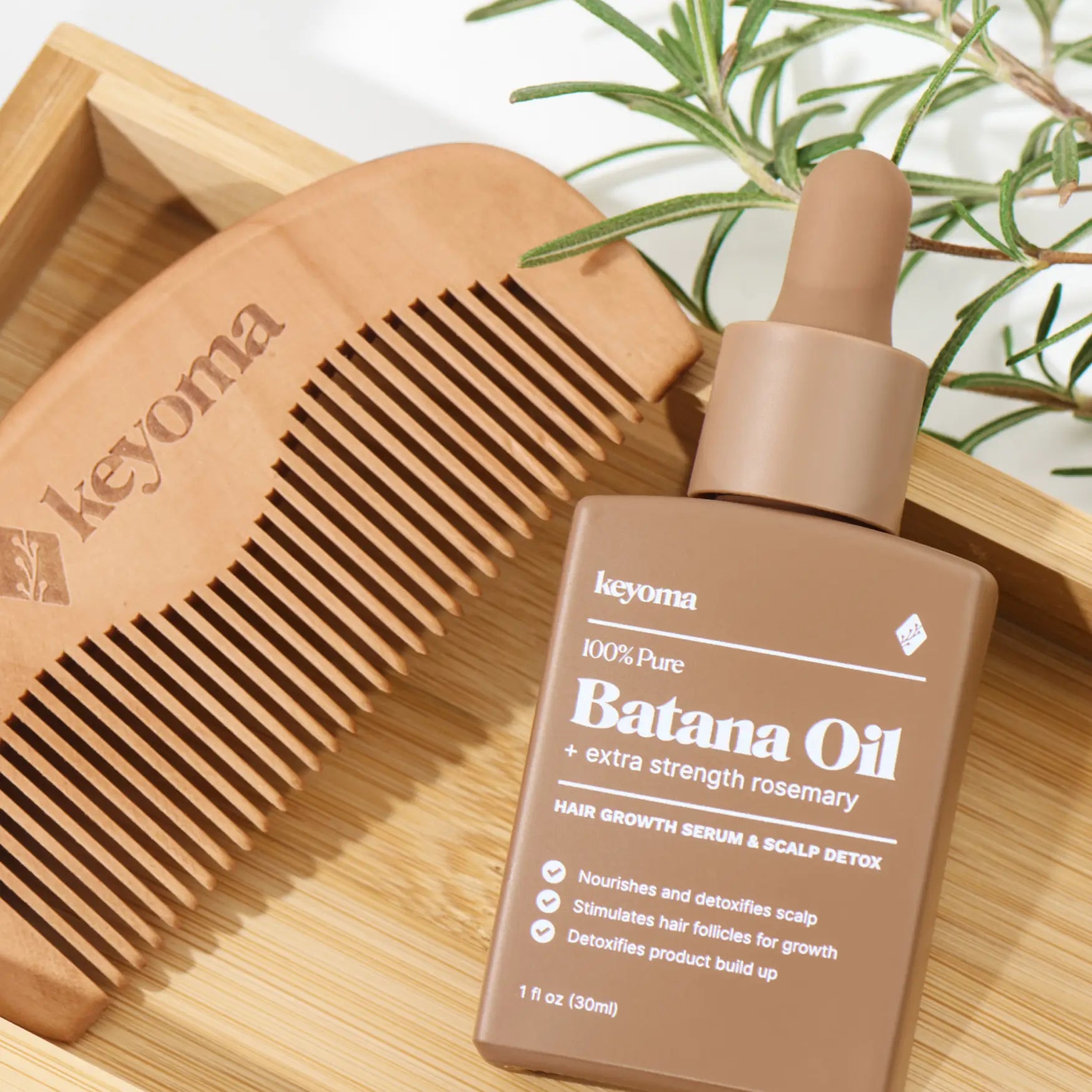
30% Off + 3 FREE Gifts
100% Pure Batana Oil + Rosemary
↓Best Batana Oil to Buy↓

1 Month
Subscribe & Save
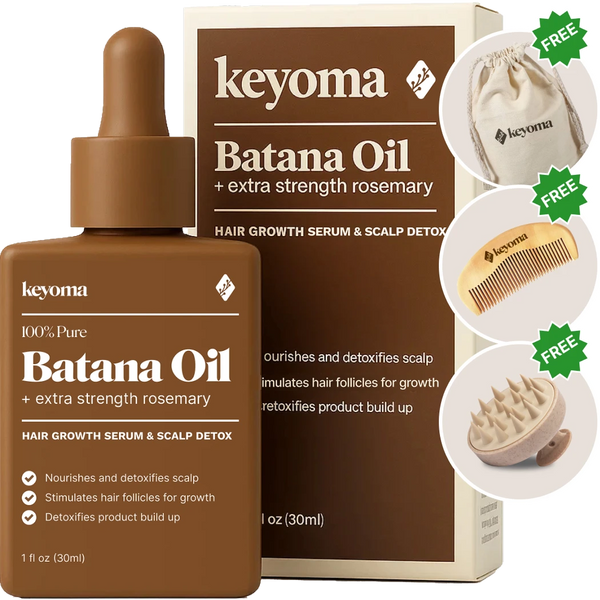


- 30-day supply delivered monthly $35
- 30% off for life $6
- Free haircare essentials kit $33
- Free custom wooden comb $10
- Free scalp massager $15
- Free eco-friendly travel bag $8
- 30-Day Money Back Guarantee
- Free Shipping
- Online portal for easy cancel, skip, or pause.
1 Month One Time Purchase
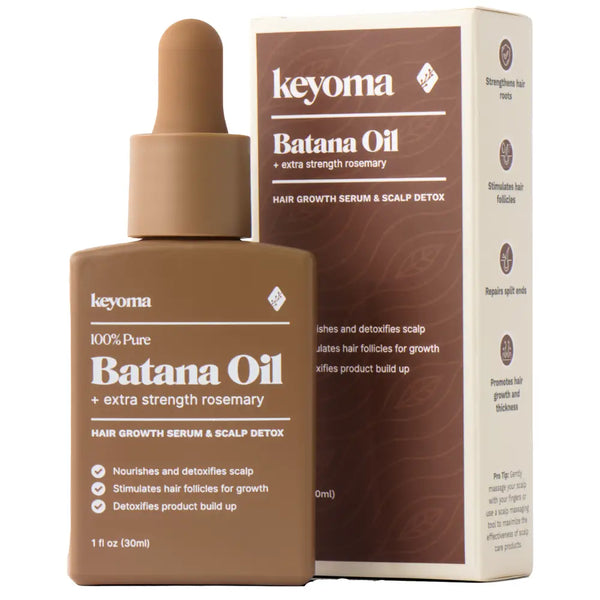
- 30-day supply $50
- 30% off for life $6
- Free haircare essentials kit $33
- Free custom wooden comb $10
- Free scalp massager $15
- Free eco-friendly travel bag $8
