Scalp Barrier Repair Routine for Itch, Flakes, and Tightness
Written by

Published on Jan 20, 2026

In this article
Your scalp does more than anchor healthy, shiny hair. It's your body's first line of defense against pollutants, harsh weather, and microbes. If that shield breaks down, you'll see the results: flaking, irritation, and weaker growth.
We'll look at how your scalp's protective layer works, why barrier breakdown can lead to dandruff, and the natural remedies that may bring your scalp back into balance.
Key Takeaways
-
Your scalp's barrier is a layer of cells and lipids that keeps water in and irritants out.
-
Disruption from aggressive cleansers, styling heat, or genetic factors triggers flaking, itching, and sensitivity.
-
When pH shifts or moisture evaporates too fast, you might see excess oil, dryness, or bacterial overgrowth.
-
Recovery hinges on gentle washing, ceramides, niacinamide, panthenol, and cutting back on friction.
What Is a Scalp Barrier?
Your scalp barrier is the top layer of scalp skin called the stratum corneum. It works like a wall where cells are the bricks and lipids are the mortar. This shield holds moisture inside, keeps allergens and pollution outside, regulates oil production, and supports a balanced microbiome so hair can grow strong.
If harsh shampoos, excessive heat, or genetics weaken it, you'll notice dryness, flakes, itching, sensitivity, and thinner hair, much like facial skin when its barrier is compromised, except your scalp also has to protect thousands of follicles.
Why Is It Important To Take Care of Your Scalp Barrier?
Healthy skin needs a strong barrier, and your hair needs a balanced scalp. If the scalp barrier weakens, discomfort is just the start. Everything from hair texture to growth rate can suffer.
A damaged barrier can't control sebum or shield follicles the way it should. You might see:
-
Dryness and flaking as water leaves your skin too fast.
-
Itchiness and irritation from inflammation and an unbalanced microbiome.
-
Fragile hair follicles, which can slow down growth or trigger shedding.
When your barrier is intact, it keeps oil levels steady, nourishes follicle roots, and creates a clean base for healthy growth. Strong, shiny hair really begins at the scalp.
Instead of hunting for the latest miracle product, focus on preserving the protective layer you already have.
7 Steps To Restore Scalp Barriers

Knowing how your scalp barrier works lets you tackle sensitivity and dryness head-on. You won't need guesswork or overly aggressive fixes. A simple audit shows you exactly what your scalp is asking for.
I'll walk you through observation, testing, and care strategies based on dermatological research, built for gentle, long-term results.
Step 1: Confirm It’s Barrier Damage (Not Just Dandruff)
Start by watching your scalp closely. Take your time and listen to what it's telling you. After you wash and air-dry, part your hair in good light and check the skin near your roots. Look at color, texture, and shine.
Watch for these signs:
-
Dryness or flaking: Ongoing flakes, even without itch, usually mean the barrier's lost lipids that seal in moisture.
-
Redness or tenderness: Spots of redness can point to inflammation or pH shifts, especially right after shampooing.
-
Tightness or burning: These feelings suggest the stratum corneum is dehydrated and can't keep irritants out.
-
Excess oiliness: If your scalp feels slick hours after washing, it may be making extra sebum to offset barrier dehydration.
Keep a short log for a week to make your observations count. Write down when symptoms show up or get worse, like after washing, stress, sun, or temperature swings.
Patterns can point you to the biggest stressors. Over time, this awareness becomes a tool you can share with your dermatologist or trichologist.
Step 2: Stop the Top 3 Triggers in Your Current Routine
After mapping your scalp's signals, review what you use daily. Lots of people damage their barrier without realizing it.
Aggressive surfactants such as sodium lauryl sulfate, tonics loaded with alcohol, and rough scrubbing can strip the hydrolipid film, your scalp's natural oil-water blend. Without it, even mild products may sting or dry you out.
Ask yourself:
-
How often do I wash my hair? Washing every day can strip natural oils, but washing too rarely lets buildup form.
-
Do my shampoos say "pH-balanced" or "sensitive scalp"? Balanced pH supports the enzymes that build lipids.
-
Do I feel tightness or burning after cleansing? That's often one of the earliest signs of barrier stress.
Pick a low-foam, pH-balanced shampoo with gentler surfactants like sodium cocoyl isethionate or sodium lauroyl methyl isethionate.
These clean without dissolving too many lipids. Follow up with a light, silicone-free conditioner that hydrates without blocking follicles. If you use medicated formulas, alternate them with gentle cleansers so you don't dry out your scalp over time.
Don't forget physical habits. Do you scrub hard when you shampoo? Do you use hot water? Gentle circular motions, cool water, and less friction protect your scalp's structure while still getting it clean.
Step 3: Check pH and Moisture Loss to Choose the Right Fix
Testing adds an objective layer to your self-audit. Home tools can't match professional equipment, but you can still collect useful data about your scalp's condition and how well it holds balance.
Check Your Scalp’s pH
Healthy scalp skin usually stays between 4.5 and 5.5. You can test this with skin-safe pH strips. If your results keep going above 6, your scalp might be facing alkaline stress, often from harsh cleansers or too much product. An alkaline environment weakens barrier enzymes and supports bacterial imbalance.
Observe Transepidermal Water Loss (TEWL)
TEWL measures how fast water evaporates through your skin. Only clinics can measure it exactly, but you can watch its effects: persistent dryness, flaking, or tightness that comes back fast after moisturizing usually points to high TEWL.
Try using a hydrating serum and note how long relief lasts; if tightness returns within hours, your scalp is having trouble holding moisture.
Evaluate Sebum Distribution
Blot your scalp with clean tissue four hours post-wash. If you see uneven oil patterns, such as shiny areas near the crown but dry spots near the temples, that suggests a sebum imbalance, a classic marker of barrier disruption. You're aiming for balanced, even production, not zero oil.
For more precision, ask your dermatologist about noninvasive scalp imaging or digital sebumetry, which show barrier density and hydration gradients.
Step 4: Choose Barrier-Repair Ingredients That Actually Help
After you've identified what's stressing your scalp, it's time to rebuild. Barrier repair needs consistency, not intensity. Treat this stage as rehab for your skin's natural defenses. Pick products that nourish without friction or chemical overload.
Focus on ingredients that strengthen the barrier:
-
Ceramides rebuild the lipid matrix that locks moisture into your scalp's surface.
-
Niacinamide (vitamin B3) supports protein synthesis and strengthens cell cohesion, lowering inflammation while boosting elasticity.
-
Panthenol (pro-vitamin B5) works as a humectant, pulling water into the scalp while calming irritation.
-
Zinc PCA or mild antifungal agents help keep the microbial balance in check, preventing yeast species like Malassezia from overgrowing and causing flakes.
Put your conditioner or scalp serum right on the skin, not just on hair ends. Massage gently using your fingertips in circles that boost circulation but avoid pulling.
I noticed my scalp felt calmer when I gave the product time to absorb before rinsing or styling. Visible improvements can take several weeks because barrier lipids regrow slowly, but steady care brings lasting comfort.
Step 5: Prevent Relapse With Low-Friction Habits
Even while you repair your scalp, daily habits can reverse your progress. Protecting the barrier means creating an environment where it can thrive.
Moderate Washing Frequency
Washing too often removes essential lipids, while washing too rarely causes buildup. Find your personal rhythm, often every two to three days for most scalp types.
Use Lukewarm Water
Hot water dissolves lipids from the stratum corneum, speeding up dehydration.
Avoid Tight Hairstyles and Friction
Constant pulling can irritate follicles and inflame your scalp. Loose, breathable styles ease tension.
Defend Against UV and Pollution
UV rays and pollution particles create oxidative stress, damaging the enzymes that maintain barrier function. Wearing a hat or applying leave-in scalp protectants offers physical and biochemical defense.
Lifestyle choices matter too. Hydration supports sebum balance, while diets rich in omega-3 and omega-6 fatty acids help strengthen the barrier's lipid structure. Practices like mindfulness or gentle scalp massage can boost circulation and reduce inflammation. Protecting your barrier is as much about daily habits as the products you choose.
Step 6: Know If It’s Working in 2–6 Weeks, and When to Escalate
Barrier repair takes time, but you should see improvement within four to six weeks. Track your progress weekly with a simple checklist:
-
Is your scalp less reactive after washing?
-
Have flakes reduced or gone away?
-
Do you feel less tightness or discomfort by day's end?
If symptoms linger or worsen, get a professional evaluation. Dermatologists can perform TEWL measurements to quantify barrier loss, scalp imaging to check follicular health, or patch testing to find allergic reactions.
Ongoing redness, scaling, or oozing may point to chronic inflammatory conditions like seborrheic dermatitis or psoriasis, which need prescription therapies.
Remember: chronic barrier dysfunction is reversible with patience and precision. Gentle, consistent care builds resilience over time, stopping relapses and supporting long-term scalp comfort.
Step 7: Maintain Results Without Over-Treating
Once your scalp stabilizes, maintenance becomes your best prevention tool. Keep using mild, pH-balanced cleansers and hydrating treatments. Adjust your routine as seasons change: colder months often need richer hydration, while warmer months may call for lighter formulas to prevent buildup.
Reassess every few months, especially after stress, hormonal shifts, or medication changes. Your scalp's needs shift with your body. Avoid cycling through too many products; consistency helps maintain homeostasis, the natural balance your scalp works to keep.
A healthy scalp barrier doesn't just stop irritation. It creates the foundation for better hair growth, improved comfort, and confidence. Regular audits keep you proactive, not reactive, making sure small changes don't become chronic problems.
Your scalp deserves the same thoughtful care you give your skin. With the right knowledge and gentle consistency, you can build a barrier that protects, adapts, and thrives.
Rebuild Your Scalp Barrier With a Gentle Keyoma Routine
Protect your scalp barrier by calming it before you chase treatments. When your scalp feels tight, stings after washing, or turns greasy quickly, it might be overcorrecting for lost moisture. Use one rule this week.
If your symptoms spike after cleanse day, switch to lukewarm water, stop scrubbing, and stick to a scalp-friendly routine that supports a slightly acidic balance around pH 4.5–5.5. Give your skin time to rebuild, since real comfort often appears over four to six weeks of consistency. Shield your scalp using Keyoma Batana Oil with Rosemary.
Featured Product
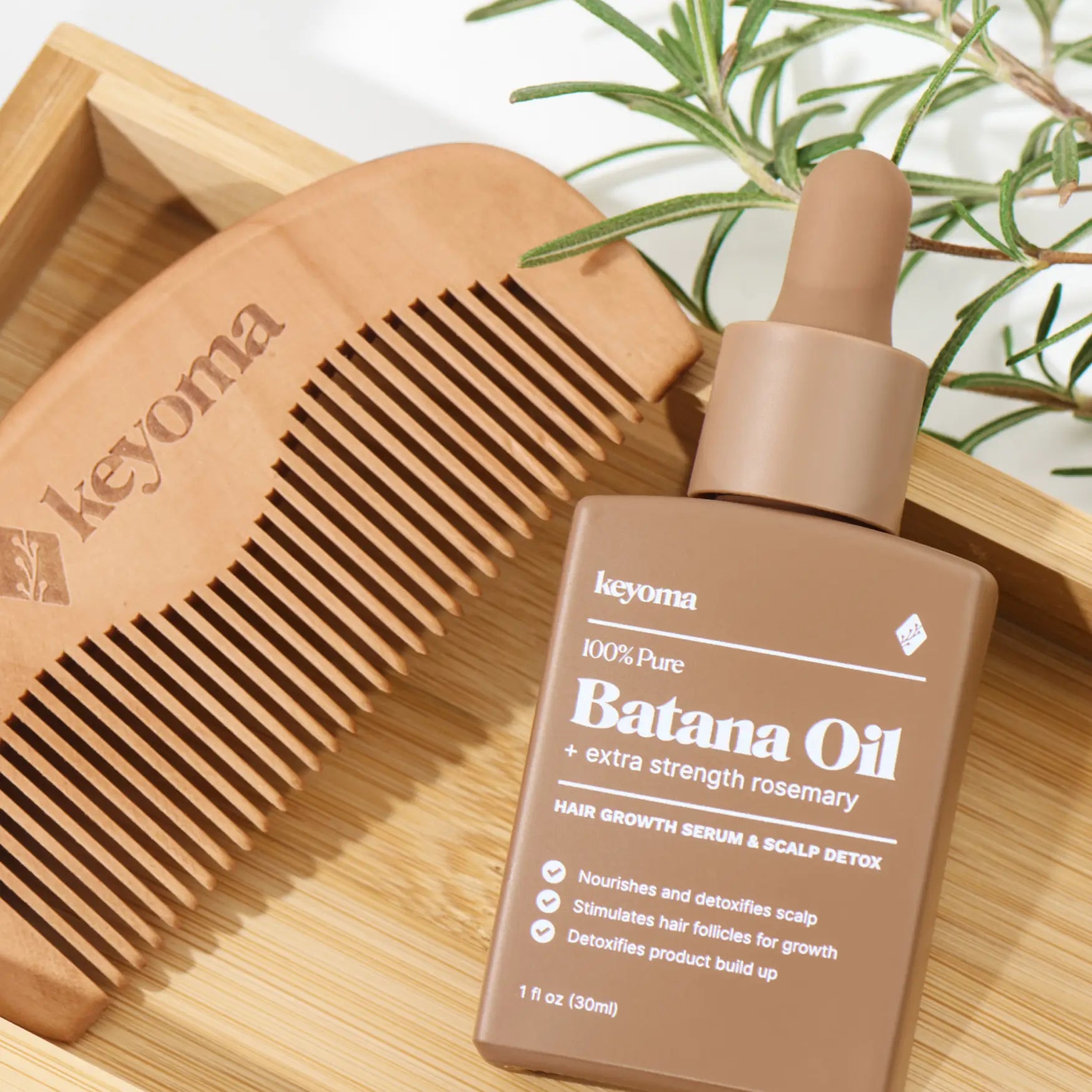
30% Off + 3 FREE Gifts
100% Pure Batana Oil + Rosemary
↓Best Batana Oil to Buy↓

1 Month
Subscribe & Save
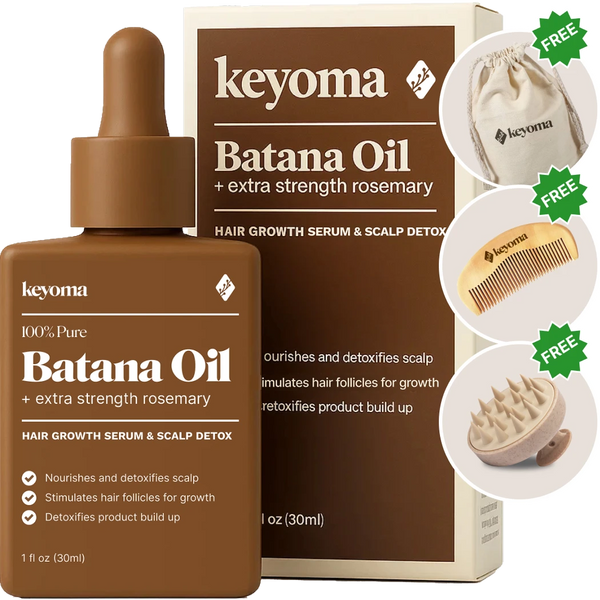


- 30-day supply delivered monthly $35
- 30% off for life $6
- Free haircare essentials kit $33
- Free custom wooden comb $10
- Free scalp massager $15
- Free eco-friendly travel bag $8
- 30-Day Money Back Guarantee
- Free Shipping
- Online portal for easy cancel, skip, or pause.
1 Month One Time Purchase
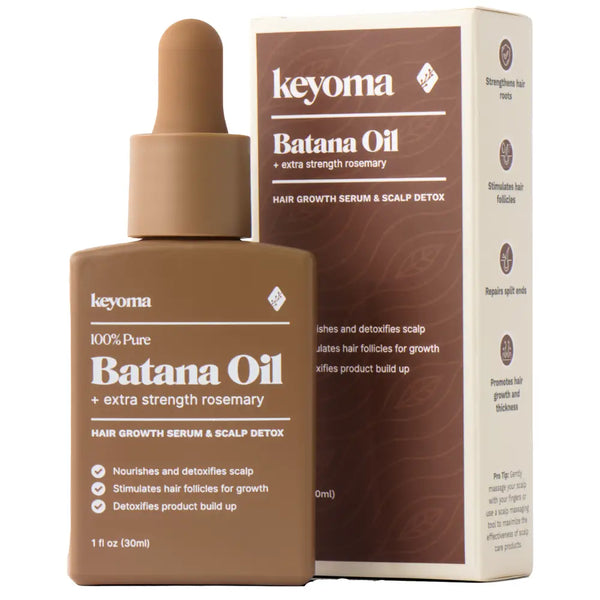
- 30-day supply $50
- 30% off for life $6
- Free haircare essentials kit $33
- Free custom wooden comb $10
- Free scalp massager $15
- Free eco-friendly travel bag $8
