

In this article
Hair growth moves slowly, so a lot of people assume their hair is not growing at all. In most cases, it is still growing, but breakage, shedding, and slower growth cycles can make progress hard to see.
If you are using hair oils, scalp care, or a growth routine, only checking length is usually the biggest mistake. Progress often shows up through shedding, thickness, the hairline, the part, and scalp condition, not only through extra inches.
When you know the real signs of hair growth, it gets easier to track progress properly and avoid giving up on a routine too soon.
Key Takeaways
-
Baby hairs around the hairline or part may point to new hair growth.
-
Less shedding in the shower or on your brush may mean more hairs keep growing.
-
A smaller part line and a thicker ponytail often suggest better hair density.
-
A healthier scalp and less breakage can make new length easier to notice.
How to Know If Your Hair Is Actually Growing
Hair grows in cycles, not all at the same time. At any moment, some hairs are actively growing, some are resting, and some are shedding. Because of that, hair growth usually shows up through gradual changes instead of dramatic jumps in length.
Instead of watching length alone, look for signs such as:
-
Fresh baby hairs around the hairline
-
Reduced hair shedding
-
Hair feeling fuller
-
A part line that looks tighter
-
Less breakage
-
A scalp that feels healthier
-
Hair length increasing little by little over time
The most useful ways to track hair growth are:
-
Taking photos once a month
-
Checking the width of your part
-
Watching baby hairs near the hairline
-
Noticing shedding during wash day
-
Tracking breakage and split ends
-
Measuring length every few months instead of every week
Hair growth usually becomes easier to notice after 8 to 12 weeks, not after only a few days or weeks.
7 Signs Your Hair Is Growing
Hair growth rarely becomes obvious all at once. Most of the time, it shows up through smaller changes that are easy to miss when you focus only on length. Less shedding, a fuller-looking part, and tiny hairs near the hairline often appear before any real length change does.
If you are using a hair growth routine, scalp oils, or treatments, these are often the first clues that something is helping. Instead of waiting for dramatic inches, pay attention to these earlier signs that hair growth and hair health are improving gradually.
New Baby Hairs Along the Hairline
One of the clearest signs of new hair growth is seeing short baby hairs around the hairline, temples, or part. These hairs are usually fine at first and may stick up or feel hard to style. With time, they slowly get longer and begin blending in with the rest of your hair.
New growth often shows up around the hairline, near the temples, along the part, and in spots that looked thinner before. It may also appear after a period of shedding or after you start a new scalp routine.
It helps to tell baby hairs apart from breakage. New growth usually has tapered ends, while broken hairs often look blunt or uneven at the ends. Baby hairs that slowly become longer are usually a strong sign that your hair is growing.
Less Hair Falling Out Than Before
Hair shedding is normal, but if you start seeing less hair in the shower, on your brush, or on your pillow, it may mean your growth cycle is improving. Hair growth progress is not only about making new hair. It is also about keeping more of the hair you already have.
You may see less hair in the drain after washing, fewer strands on the pillow, or less hair caught in your brush. Some people also notice their ponytail feels a bit thicker because overall shedding is lower.
When shedding drops, it often means more hairs are staying in the growth phase longer, and that is usually a good sign for overall progress.
Hair Feels Thicker Over Time
Changes in thickness happen slowly, so this sign can be easy to overlook. A lot of people notice density changes before they notice more length. Your ponytail may feel fuller, your bun may seem bigger, or your hair may simply feel heavier and less sparse than before.
Thickness usually improves when shedding goes down, breakage becomes less common, and new hairs begin filling in. Over time, that can make the hair look denser, especially near the roots and around the part.
Because of that, thickness is often a more useful sign of growth than length by itself.
Your Part Line Looks Narrower
This is one of the most dependable ways to track hair growth progress. If your hair is growing and shedding less, your part line may slowly start looking smaller or less visible.
One of the easiest ways to follow this change is by taking photos of your part every month and comparing them. You may begin noticing less scalp showing through, more short hairs along the part, and an overall fuller look.
Many hair experts view the part line as one of the best signs of density improvement because it reflects how much hair is coming in from the scalp.
Hair Length Is Slowly Increasing
Hair usually grows about half an inch each month, but that varies based on the person, age, health, and hair routine. Since growth is slow, length changes are much easier to see over several months than from week to week.
Instead of checking length every week, it helps more to compare photos, track the length of your ponytail or braid, and notice how long it takes for your hair to reach areas like your shoulders, chest, or waist. For me, photos tended to show more progress than frequent measuring.
Many people think their hair has stopped growing when it is really breaking at the same rate it grows, so length becomes more visible only when breakage drops.
Scalp Feels Healthier
Hair grows from the scalp, so scalp condition matters more than a lot of people realize. Many people notice progress once their scalp begins feeling healthier and more balanced.
You may notice less itching, less dandruff, less oil buildup, or less irritation. Your scalp may simply feel more comfortable, and your roots may feel stronger than before.
A healthier scalp often creates better conditions for hair growth over time, which is why many growth routines start with scalp care first.
Hair Breakage Is Reduced
Breakage is one of the main reasons hair never seems to get longer. When breakage decreases, both length and thickness usually improve because more hair stays intact.
You may notice fewer split ends, less snapping while brushing, smoother ends, and less tangling. Hair may also feel stronger and look smoother overall.
A lot of people think their hair is not growing when the bigger problem is actually breakage. Once breakage goes down, hair finally has the chance to look longer and fuller.
Common Mistakes When Tracking Hair Growth
A lot of people assume their hair is not growing because they are tracking it the wrong way.
Common mistakes include:
-
Checking the length every week
-
Not taking progress pictures
-
Mixing up breakage and shedding
-
Mistaking baby hairs for breakage
-
Trimming too often
-
Trying too many products at once
-
Expecting results within a few weeks
-
Ignoring scalp condition
-
Focusing only on length
-
Not watching changes in the part line
Hair growth is usually better tracked once a month or every two months, not every day or every week.
FAQs
How can you tell if your hair is growing?
You can tell your hair is growing by watching for baby hairs, less shedding, a fuller ponytail, a narrower part line, more length over time, a healthier scalp, and less breakage.
What are the first signs of new hair growth?
The earliest signs of new hair growth are often baby hairs around the hairline, tiny hairs along the part, less shedding, and hair that feels fuller near the roots.
Are baby hairs a sign of hair growth or breakage?
Baby hairs can be either new growth or breakage. New growth usually has tapered ends and shows up near the hairline or part. Breakage usually has blunt ends and can show up throughout the hair.
How long does it take to notice signs of hair growth?
Most people begin noticing early signs of hair growth after 8 to 12 weeks, while visible length changes may take around 3 to 6 months.
Can your scalp feel different when hair is growing?
Yes. Many people notice that their scalp feels less itchy, less oily, less flaky, and more comfortable as scalp health improves and growth conditions improve too.
What signs show a hair growth routine is actually working?
Signs that a hair growth routine is working include less shedding, baby hairs, a fuller ponytail, a smaller-looking part line, less breakage, a healthier scalp, and slow length gains over time.
Track Signs Your Hair Is Growing With More Confidence
Hair growth feels more real when more of your hair starts staying with you, not only when it gets longer. That shift is easy to miss because progress often appears first through what stops happening, like less shedding, less breakage, and a part line that slowly looks tighter.
One of the clearest limits here is timing: early signs usually appear around 8 to 12 weeks, not after only a few days of checking the mirror. That is why patience is part of tracking your hair correctly, not just waiting around.
When you support retention as much as growth, progress starts feeling more measurable and less random. Add pure batana oil to your routine when you want to support stronger, fuller-looking hair with better consistency.
Featured Product
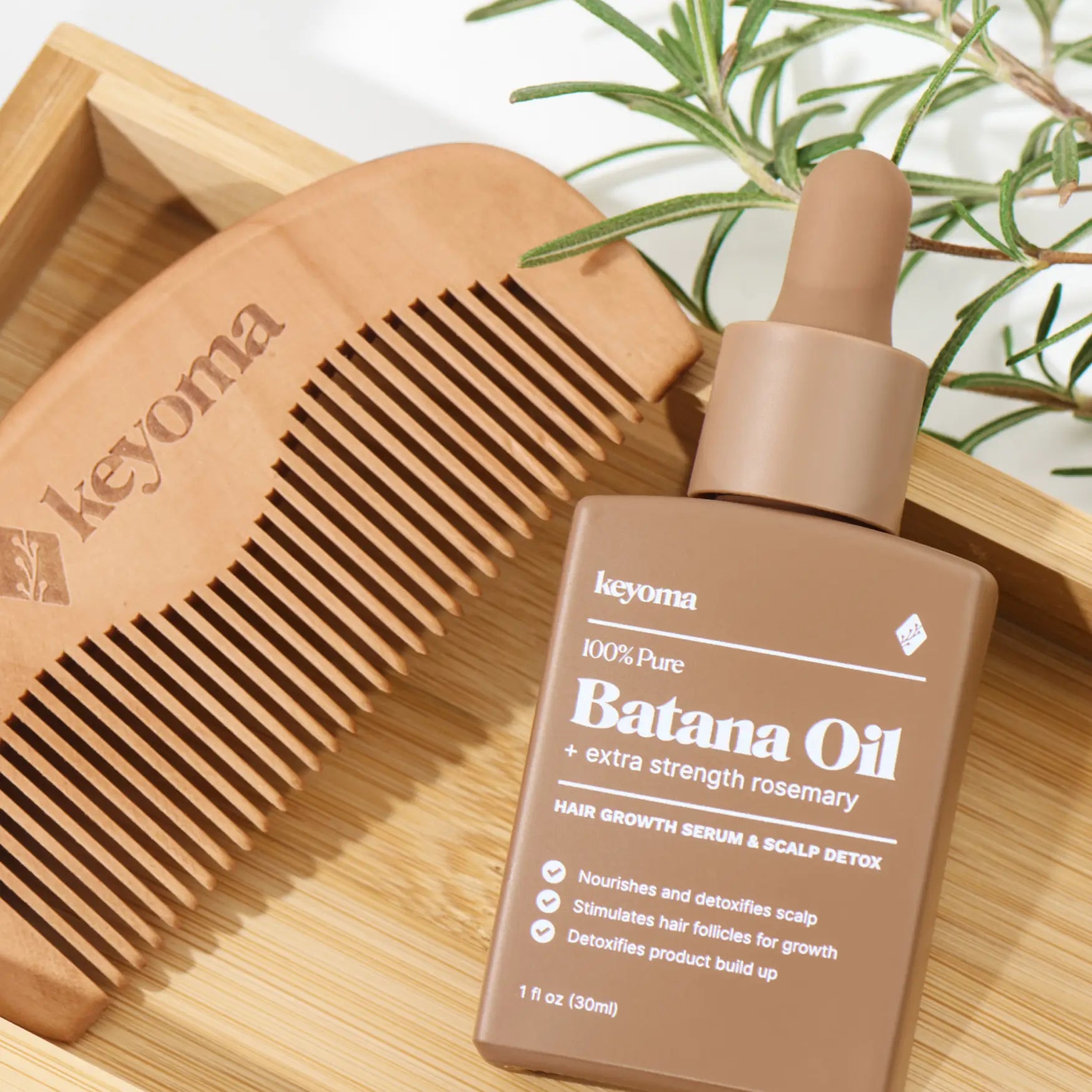
30% Off + 3 FREE Gifts
100% Pure Batana Oil + Rosemary
↓Best Batana Oil to Buy↓

1 Month
Subscribe & Save
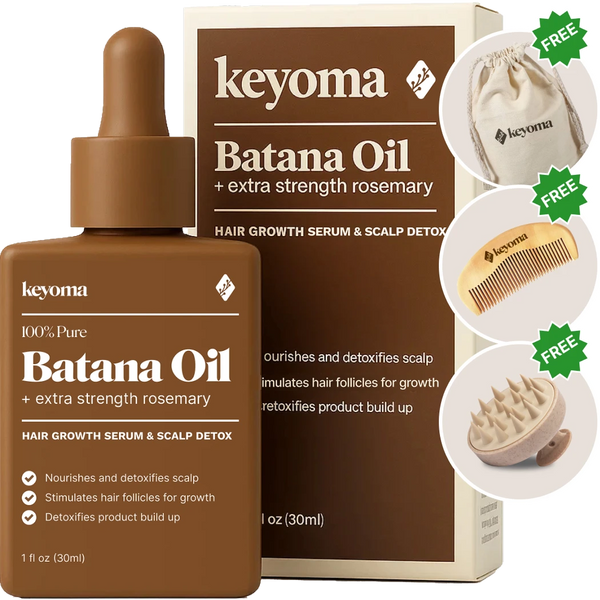


- 30-day supply delivered monthly $35
- 30% off for life $6
- Free haircare essentials kit $33
- Free custom wooden comb $10
- Free scalp massager $15
- Free eco-friendly travel bag $8
- 30-Day Money Back Guarantee
- Free Shipping
- Online portal for easy cancel, skip, or pause.
1 Month One Time Purchase
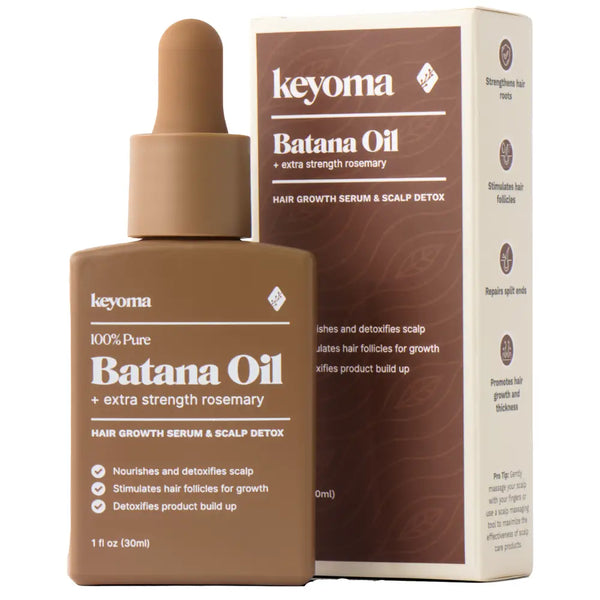
- 30-day supply $50
- 30% off for life $6
- Free haircare essentials kit $33
- Free custom wooden comb $10
- Free scalp massager $15
- Free eco-friendly travel bag $8
