Stiff Hair Causes And How To Get Softer Flexible Strands
Written by

Published on Nov 18, 2025

In this article
Even when you stick to a careful hair routine, you may not always end up with soft hair and smooth strands. Your mane can still feel like dry, stiff hair even if you are looking after it the best you can. If your strands start to look straw like, it helps to remember there are options to restore strands and strengthen your mane.
By adjusting some of your styling habits and making a few small lifestyle shifts, you can start to manage stiff hair more confidently. These ideas focus on common causes of stiffness and six changes that help your strands look and feel better.
Key Takeaways
-
Stiff hair means rigid, coarse strands that lose normal softness, flexibility, moisture, and proteins.
-
Common causes can include heat styling, sun exposure, chemicals, low moisture, swimming, buildup, and overwashing.
-
Hydrating hair care systems with nourishing ingredients may help restore softness, elasticity, and overall strand resilience.
-
Protective habits like leave in conditioner, air drying, and sun protection can help keep hair flexible.
What Is Stiff Hair?
In short, stiff hair is hair on your head that feels rough or rigid instead of soft and bouncy. When your strands feel this way, it often means they have lost some of the moisture and proteins they need to stay soft, shiny, and elastic. Whatever triggered the damage, your hair usually needs extra attention to regain a healthier look and feel.
Main Causes of Stiff Hair

Many people notice stiff, unyielding strands at some point, and several different factors can contribute to that rough texture.
Excessive Heat Styling
Repeated use of flat irons, curling irons, and blow dryers can strip away your hair’s natural moisture. As heat wears down the cuticle, the strands lose flexibility and stop bending and moving as easily.
Sunlight and UV Exposure
Spending long periods in strong sun can also leave hair feeling stiff, especially when it’s already damaged and exposed to ultraviolet (UV) rays. Research suggests that about three or more hours of direct sunlight can make hair more porous.
Having high porosity hair means your strands soak up moisture quickly but lose it just as fast. That extra porosity can raise the risk of dryness, brittleness, and breakage, which may be why your hair feels particularly stiff and dry after long days outside.
Chemical Treatments
Frequent use of hair dyes, perms, or relaxers pushes strong chemicals into the hair shaft, which can leave strands feeling stiff. Over time, this processing disrupts your hair’s natural structure so it becomes drier, less elastic, and more likely to break.
Lack of Proper Moisture
When hair is not properly hydrated, it tends to feel rigid and even a little crunchy. Hard water, skipping conditioner, or general dehydration can all make it harder for your strands to stay soft and flexible.
Chlorine or Saltwater
A swim in the pool can feel amazing on a hot day, but it is not always kind to your hair. Pools often use chlorine to kill bacteria and break down organic matter, and that same chemical can wear away at your hair cuticle.
Time in salty ocean water can have a similar effect because salt draws moisture out of the strands. With repeated exposure to both chlorine and salt, hair can end up very dry with a noticeably rough texture.
Product Build Up
Using lots of styling products or not rinsing them out thoroughly can create product build up on your scalp and strands. That residue weighs hair down, steals its natural bounce, and can make it feel stiff and greasy.
Overwashing
Washing your hair more often than you need to can strip away its natural oils. Shampooing too frequently removes the sebum your scalp produces to keep hair comfortably hydrated.
How To Manage and Soften Stiff Hair

Once you understand what is making your hair feel stiff, you can begin protecting your strands more effectively. These six tips focus on helping your hair stay healthier looking, softer, and more flexible.
1. Use a Nourishing Natural Hair Care Routine
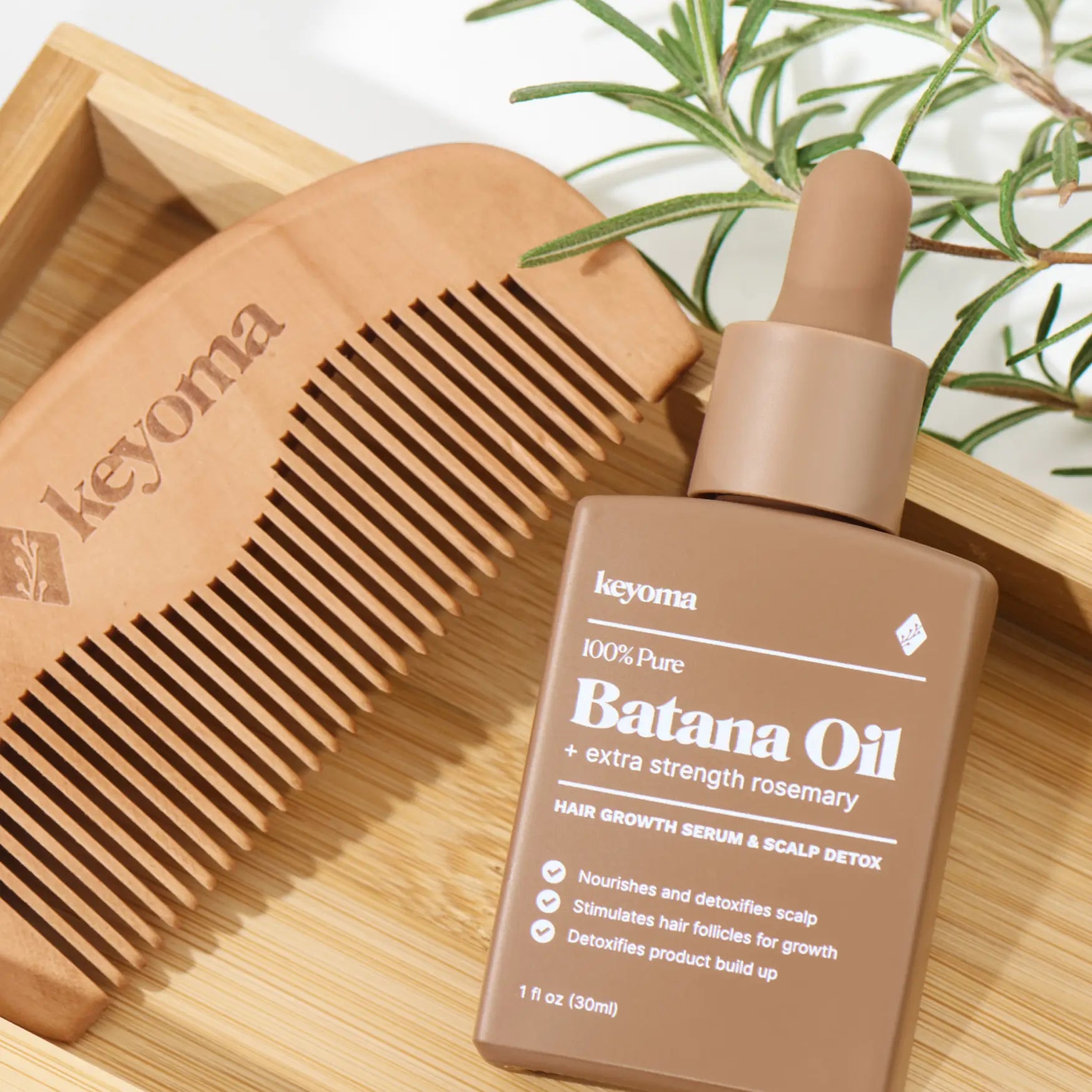
To soften and revitalize stiff hair, bring a deeply hydrating hair care system into your regular routine. Choose a product that nourishes and restores your strands, like Keyoma Batana Oil infused with Rosemary.
For me, switching to a richer oil in this step made stiff sections feel easier to manage. This kind of blend works to strengthen and rejuvenate hair from root to tip so it feels more flexible, smoother, and healthier overall.
2. Reach for a Leave-In Conditioner
When stiffness keeps showing up, lightweight products that cushion and protect your strands often work better than heavy formulas. A quality leave in conditioner can help reinforce many hair types against daily wear, nourish the lengths, and protect against surface damage.
3. Air-Dry Your Hair
Hot styling tools can be tough on your strands and contribute to stiff, brittle ends. Try giving your tools a break and let your hair air dry instead. You can add a curl enhancer to bring out wavy strands while keeping things heat free, and many people notice their hair behaves better with this change.
Editor’s tip: When you do need to use heat styling tools, apply a heat protectant first. It also helps to keep your tools on the lowest effective temperature setting to reduce extra stress on your strands.
4. Protect Your Hair From the Sun
Just as too much exposure to the sun can affect your skin, it can also weaken your hair over time. Protect your mane by wearing a hat, scarf, or using an umbrella when you’re spending long periods outside.
5. Minimize Your Styling Products
It is easy to keep layering different hair products to achieve a specific look, but cutting back often helps. Coating your strands with several formulas can upset their moisture balance and make them feel hard and stiff. Try choosing one product to address frizz, offer heat protection, add moisture, and cover your other main needs.
6. Limit Your Hair Color Sessions
Exploring hair color trends like peach hair or beige blonde can be exciting, but dyeing your hair too often can be hard on your strands. Give your hair enough time between coloring sessions and consider lower maintenance shades or techniques when you can.
If you still want to experiment with new hair color trends, try an ammonia-free semi-permanent hair color that is usually gentler on your hair. If you’re hoping to stretch the time between your root, touch-up sessions, a temporary color spray for dark strands or blondes can help blur new growth.
Soften Your Stiff Hair With Keyoma Batana Oil
To help prevent stiff hair, focus more on nourishing routines than on heavy styling. Integrate a deeply hydrating hair care system, such as Keyoma Batana Oil infused with Rosemary, to support hair from root to tip.
Prioritize lightweight leave in conditioners to reinforce and protect against daily wear, and keep styling products modest to avoid build up.
You can buy directly from our website or visit our Amazon store to shop there.
Featured Product
30% Off + 3 FREE Gifts
100% Pure Batana Oil + Rosemary
↓Best Batana Oil to Buy↓

1 Month
Subscribe & Save
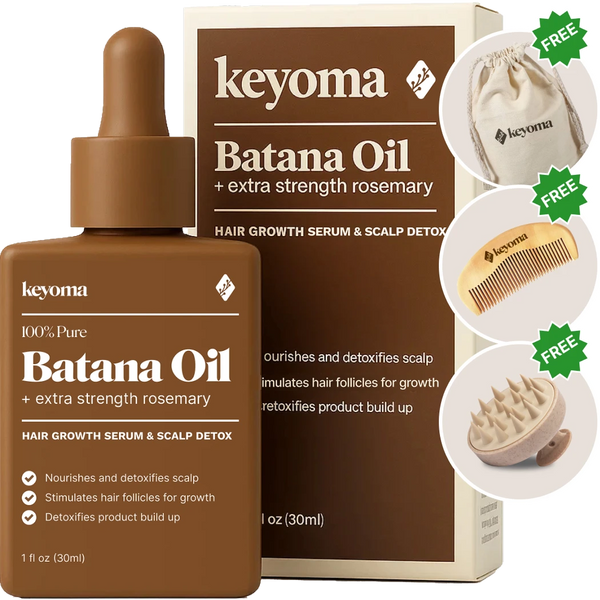


- 30-day supply delivered monthly $35
- 30% off for life $6
- Free haircare essentials kit $33
- Free custom wooden comb $10
- Free scalp massager $15
- Free eco-friendly travel bag $8
- 30-Day Money Back Guarantee
- Free Shipping
- Online portal for easy cancel, skip, or pause.
1 Month One Time Purchase
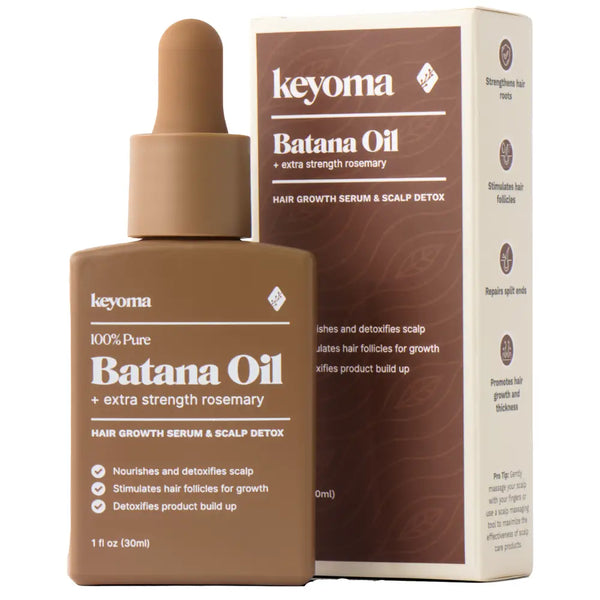
- 30-day supply $50
- 30% off for life $6
- Free haircare essentials kit $33
- Free custom wooden comb $10
- Free scalp massager $15
- Free eco-friendly travel bag $8
