Sweaty Hair vs Dirty Hair: How to Tell and What to Do
Written by

Published on Feb 09, 2026

In this article
Now that summer's here, your hair is likely dealing with seasonal stuff like UV rays, dryness, and, of course, sweat. But is sweat really a bad thing, or is it just a normal body thing? Turns out, a little salty-oily mix might actually be okay.
Key Takeaways
-
Sweat is mainly water and salt, so sweaty roots aren't the same as buildup.
-
Dirty hair comes from sebum and product gunk that coats your hair and traps dirt.
-
Sweaty hair usually just needs a rinse, while dirty hair needs a good shampoo.
-
Touch, smell, and how shiny your roots are can help you figure out if it's sweat or oily buildup.
What's The Difference Between Sweaty Hair vs. Dirty Hair

Okay, neither sweaty nor dirty hair is as awesome as a fresh wash and style, but when your scalp's sweaty, it's not really dirty. Sweat comes from your sweat glands and is clear, odorless, and mostly water (99%!). If you've ever tasted sweat during a workout, you know it's also got salts (mainly sodium chloride), lactic acid, and urea (which helps break down protein).
"Dirty" hair, though, comes from your sebaceous glands, which make oil and are connected to your hair follicles. Your scalp has lots of sweat glands because it's close to your brain, helping keep it from overheating. So, those glands are there to protect your brain.
What Is Sweaty Hair
Sweaty hair happens when your scalp releases water and salt to cool you off, usually when you're hot or working out. The sweat mixes with your scalp's natural oils, which can make your roots feel damp, look a bit flat, and smell a little "gym-like," even if the rest of your hair is clean.
When it dries, the salt can make your hair feel stiff or crunchy, and your scalp might feel a bit itchy or tight.
I find that sweaty hair is usually a quick thing, not like long-term dirty hair buildup. Most of the time, rinsing with lukewarm water and massaging your scalp gently is enough to get rid of the sweat and salt. If you sweat a lot, do this between washes to stay fresh without shampooing too much.
Common Signs of Sweaty Hair

Sweaty hair isn't the same as dirty hair, but both can be annoying. When sweat dries, it leaves salt that can make your hair feel stiff or crunchy. Knowing what sweaty hair feels and looks like helps you know if you need a full wash or just a rinse. Here are five signs to look for.
Hair Feels Damp
Right after you sweat, your roots might feel wet or sticky. As the sweat dries, the salt can make your hair feel rougher or crunchy.
Scalp Smells Salty
Sweat has a light, salty smell that can become "gym-like" when it dries, especially if it mixes with a bit of oil. It shouldn't smell greasy, sour, or really stale, which is more like buildup.
Roots May Look Flat
Sweat can make your roots flat and reduce volume, so your hair looks flatter than usual. But it usually doesn't look shiny or separated into greasy pieces.
Scalp Residues
When sweat dries on your scalp and hairline, it can leave a faint white stuff or a gritty feeling. That dryness can also make your scalp feel tight, like it needs a rinse.
It May Itch
Salt and dried sweat can bother your scalp, making it a little itchy or sensitive. This is more likely if you have a sensitive scalp or if you don't rinse the sweat off for hours.
What Is Dirty Hair
Dirty hair happens when oil (sebum) from your scalp builds up and mixes with product stuff, pollution, and dead skin. This usually takes a few days, but it can happen faster if you use heavy styling products, dry shampoo, or thick leave-in conditioners. As that stuff sits on your scalp, it makes a light layer that can make your hair feel heavy, flat, and hard to style.
Unlike sweaty hair, which is mostly water and salt, dirty hair is more about buildup. Your roots might look shiny, your hair might clump together, and it can feel greasy even when it's dry. Your scalp might also itch or feel sensitive because the buildup traps oil and dirt, which can bother your skin.
Shampooing helps break down that layer so your scalp feels clean and your hair has more volume and movement again.
Common Signs for Dirty Hair

Dirty hair is different from sweaty hair because it's a slow buildup of oil, product stuff, and dirt, not just water and salt. When that mix sits on your scalp for days, your roots can look shiny and your hair can separate into stringy pieces. Knowing these signs early helps you change your washing routine before the buildup gets too hard to handle. Here are five signs to watch for.
Shiny Roots
Dirty hair usually shows up at the roots first. Instead of looking soft and moisturized, your scalp starts to look shiny, and the hair nearby sticks together in thin sections because oil and product are coating it.
Hair Feels Coated or Waxy
When you have buildup, your hair can feel like there's a layer on it. Even after it dries, it might feel slick, sticky, or "waxy," and it can be harder to run your fingers through it.
Oily Scalp
As oil, sweat, and product sit on your scalp, the smell gets stronger. It starts light, then gets more noticeable and "stale," especially at the end of the day or when you touch your scalp and smell your fingers.
Increased in Flakes
Buildup can trap oil and dirt against your scalp, which can bother your skin and hair follicles. That can cause itching, flakes, or small bumps, especially along your hairline or the top of your head.
Hair Feels Heavy
Dirty hair often doesn't act the way you want it to. It loses volume, curls fall flat, and styles don't last because the hair is weighed down. Even if you try to fix it, your hair can feel heavy and look dull instead of light and bouncy.
Fast Self-Check in 60 Seconds
If you're still not sure if you're dealing with sweat or buildup, a quick check can help you figure it out in about a minute.
The touch test checks how your roots feel, the smell test tells you if it's salty or stale, and the look test shows you how shiny your roots are under bright light.
When two or more tests point to the same thing, you'll know how to treat your hair. Do these three tests now.
Touch Test
Run your fingers along your roots and through a small section near your scalp. If it feels damp and then dries a bit stiff or crunchy, it's probably sweat drying (salt can do that). If it feels oily, slick, or waxy even when your hair is dry, it's likely dirty hair and buildup.
Smell Test
Lift a section of hair at the roots and smell it. A light salty or "just worked out" smell that goes away after a rinse is usually sweat. A stronger, stale, oily smell that sticks around and gets worse as the day goes on is probably buildup.
Look Test
Check your roots in a mirror under bright light. Sweat usually makes your hair a little flat without a greasy shine. Dirty hair usually looks shiny at the roots, and the hair might separate into clumps because oil and product are coating it.
If two or more tests match one side, treat your hair that way: a rinse often fixes sweat, while shampoo is best for dirty hair.
Best Fixes for Sweaty and Dirty Hair
Once you know the signs of sweaty hair, you need to pick the right way to clean your scalp without overdoing it. Massaging your scalp with shampoo for 30 to 60 seconds can help get rid of oil and salt, but you might not need to fully shampoo every single time.
The key is to match your hair routine to how often you sweat. Choose the method that works for you.
Massage Scalp 30–60 Seconds
When your hair feels really sweaty, shampoo your scalp and massage it with your fingers for 30 to 60 seconds to loosen oil, sweat, and buildup. Let the shampoo run through the rest of your hair instead of scrubbing the ends, and then rinse well so nothing is left behind to weigh your hair down.
Clarifying Shampoo
If your hair keeps feeling heavy, you probably have buildup from oils, products, dry shampoo, or leave-in conditioners. Use a clarifying shampoo sometimes to really clean your scalp and get rid of the film that regular shampoo might miss, then use conditioner to keep your hair from feeling rough.
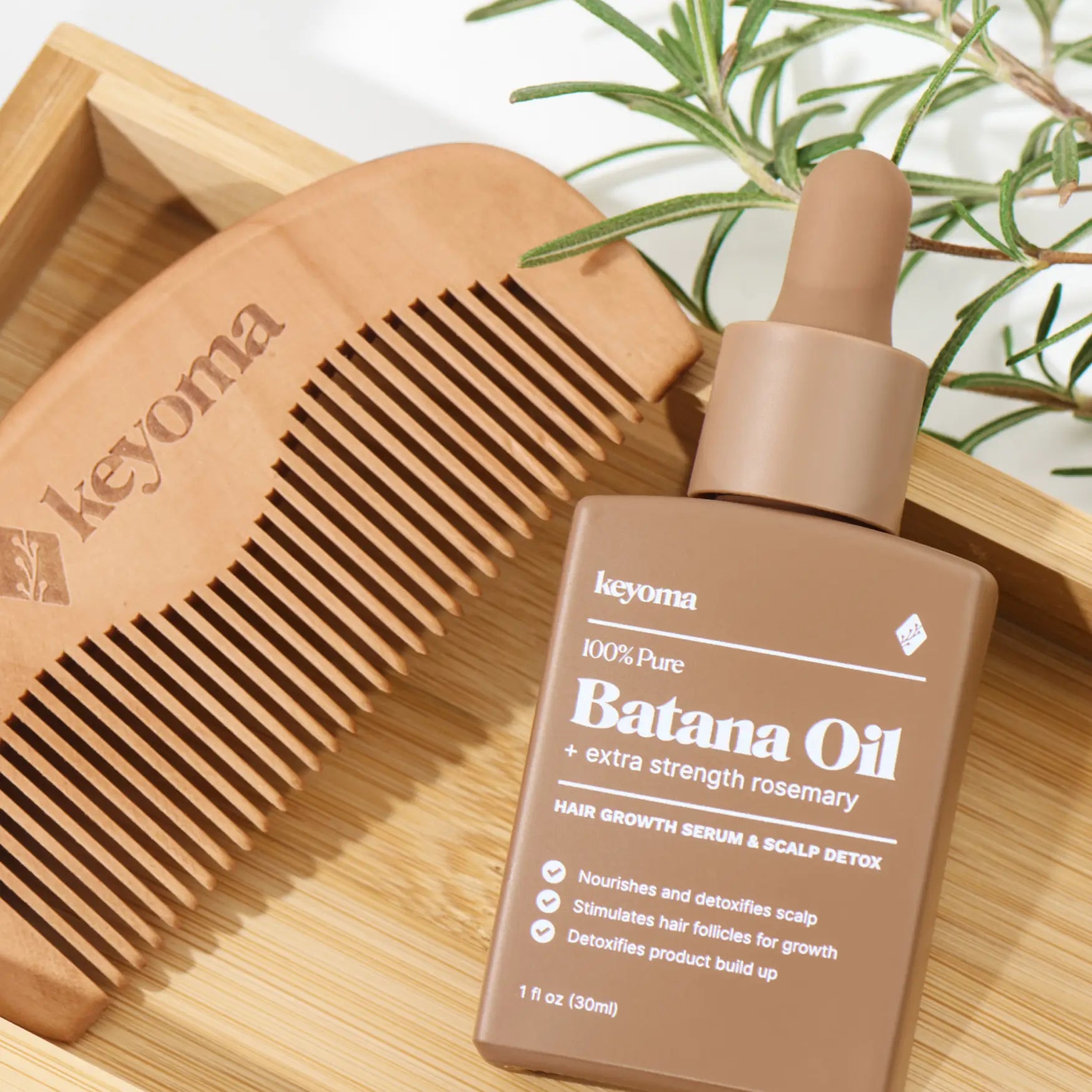
Apply Batana Oil With Rosemary Oil
If you like using batana oil with rosemary oil, put it on after your hair is clean, focusing on your scalp and any dry spots, but not coating the roots. Use a few drops, massage a little, and don't use too much so it helps your scalp feel good without adding more buildup. If your roots get greasy faster when you use it, use less or only put it on the middle and ends of your hair.
Reset Sweat and Buildup Using Keyoma’s Natural Hair Routine
Use Keyoma’s Pure Batana Oil with Rosemary as a signal, not a fix, when deciding what your hair actually needs. Sweat and dirt behave differently, and treating them the same is what keeps hair stuck in a wash–oil–rewash loop.
Oil works best on hair that is already clean, not as a shortcut for buildup. When you read the signs correctly, you stop over-washing, avoid unnecessary dryness, and let your routine support scalp balance instead of fighting it.
Hair that feels lighter between washes is usually responding to better decisions, not more products.
Featured Product
30% Off + 3 FREE Gifts
100% Pure Batana Oil + Rosemary
↓Best Batana Oil to Buy↓

1 Month
Subscribe & Save
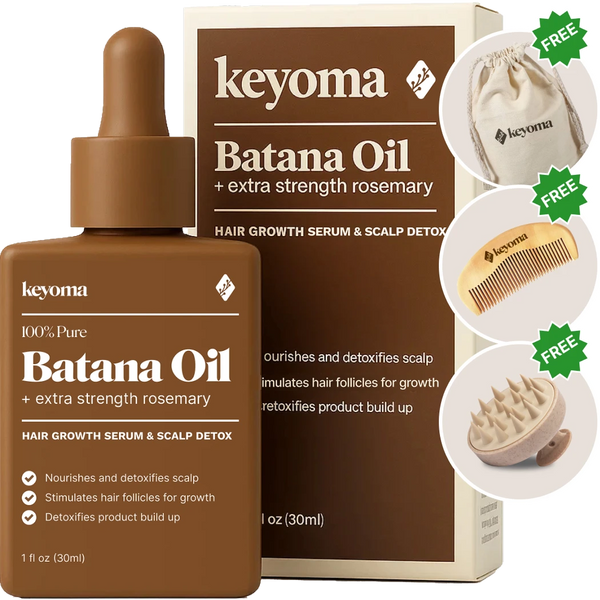


- 30-day supply delivered monthly $35
- 30% off for life $6
- Free haircare essentials kit $33
- Free custom wooden comb $10
- Free scalp massager $15
- Free eco-friendly travel bag $8
- 30-Day Money Back Guarantee
- Free Shipping
- Online portal for easy cancel, skip, or pause.
1 Month One Time Purchase
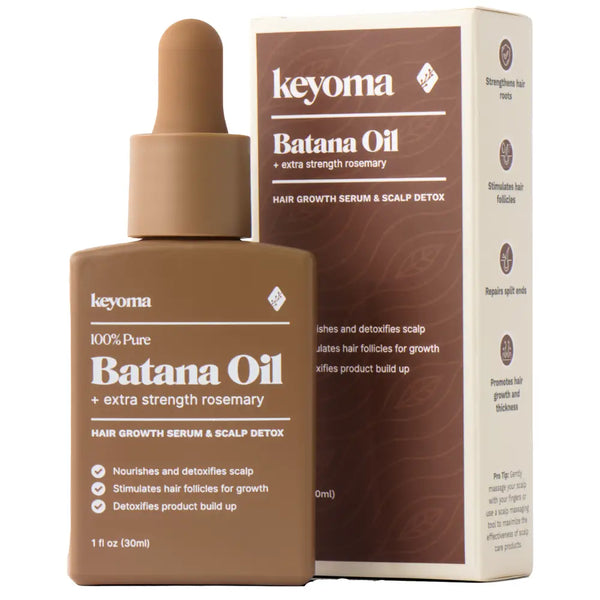
- 30-day supply $50
- 30% off for life $6
- Free haircare essentials kit $33
- Free custom wooden comb $10
- Free scalp massager $15
- Free eco-friendly travel bag $8
