Synthetic vs Organic Hair Products: How to Read Labels
Written by

Published on Nov 15, 2025

In this article
You’ve probably heard the line, “Not all products are created equal.” That rings especially true with hair care. Between long, science-y names and splashy marketing on bottles, it’s easy to buy on autopilot. Still, how sure are you about what those products actually do to your hair?
With more people favoring a natural path to healthier hair, let’s look closely at product types so you can weigh synthetic versus natural hair care and choose what supports your hair for the long haul.
Key Takeaways
-
Organic hair care uses plant-based ingredients, avoids synthetic pesticides, GMOs, and harsh chemicals.
-
Synthetic products rely on sulfates, parabens, phthalates, and fragrances that strip moisture and irritate scalps.
-
Natural formulas support long-term hair health by improving nourishment, reducing loss risk, and easing sensitivity.
-
Common natural ingredients include vitamins E, B3, pro-vitamin B5, holy basil, glycerin, green tea.
Synthetic and Organic Hair Care Products
Synthetic hair care often uses chemicals such as harmful sulfates (not all sulfates are bad), parabens, and silicones. These are chosen for cleaning and conditioning performance, but they can strip natural oils from hair and scalp and may contribute to damage over time.
By contrast organic hair care follows strict standards that bar synthetic pesticides, fertilizers, and genetically modified organisms (GMOs). These formulas lean on plant extracts, oils, and minerals, aiming for a gentler and more earth-friendly routine.
Unlike organic rules, these cosmetic ingredients fall under the Food and Drug Administration (FDA), which doesn’t define or regulate the term "organic" for cosmetics or hair care items.
What Are Synthetic Hair Care Products?

As the name implies, synthetic hair care covers shampoos, conditioners, leave-ins, and similar items made with artificial ingredients and chemicals. Common entries on labels include parabens, sulfates, propylene glycols, phthalates, and synthetic fragrances.
Advantages to Consider
Many widely available supermarket brands fall in this group. It’s tempting to assume that easy access and name recognition equals quality, but that assumption doesn’t hold up well. You might get instant smoothness and slip from these products, making hair feel silky and easy to comb, yet that short-term feel can mask longer-term downsides.
Beyond convenience and price, there aren’t many clear advantages to synthetic hair care, as potential drawbacks tend to outweigh the quick wins.
Drawbacks to Watch For
Put simply, synthetic hair products can be very harsh in the near term and over time. They not only harm your hair health, they can also impair follicles as the years go by. Here’s how choosing a synthetic route can backfire:
Potential Effects on Internal Health
Skin is the body’s largest organ, so what goes on it can make its way in. That includes your scalp. If you routinely wash with harsh chemicals and artificial ingredients, your body can absorb them and deal with the fallout. We’ll highlight several of these below.
Builds a Problematic Film on Hair
That slick, silky feel we mentioned earlier can be misleading. Many artificial formulas coat the hair with a film that builds up over time and becomes difficult to remove.
Limits Nutrient Delivery to Hair and Scalp
Trying to offset a harsh shampoo with a pricey serum or leave-in? The artificial film left behind can block other ingredients from reaching hair and scalp effectively. The end result is weakened, dull hair that needs repair.
Common Ingredients in Synthetic Hair Care
Formulas vary by brand, but many synthetic hair products blend parabens, sulfates, synthetic colors and fragrances, phthalates, and more. Here’s how those ingredients can affect hair and overall health:
Sulfates
These cleansers are effective at pulling in and lifting away dirt, yet they strip moisture and weaken protective barriers. To make matters worse, they can ramp up skin irritation.
Fragrances
That pleasant scent may be what drew you in, but added fragrance is often unnecessary. Brands sometimes lean on it to mask the odor of tougher chemicals.
Phthalates
Found in gels, mousses, hairsprays, shampoos, and conditioners, phthalates aid spreadability, soften plastics, and extend fragrances. This substance has been linked to endocrine disruption, infertility in both sexes, allergies, and more. Look for a phthalate-free label, since this ingredient doesn’t always appear in plain sight.
Parabens
Used in hair and skin products to slow microbial growth in the formula, parabens extend shelf life but come with a range of potential downsides, from minor to more serious.
Beyond drying hair, irritating the scalp, and worsening hair loss, research also suggests they may disrupt hormones, affect fertility and reproductive organs, and possibly raise cancer risk.
Scan for methylparaben, ethylparaben, benzyl paraben, and butylparaben, and skip them whenever you can.
What Are Organic Hair Care Products?
In contrast, natural hair care relies on ingredients derived from nature, including herbs, oils, fruits, and antioxidants. Unlike synthetic options, natural hair care avoids harsh, artificial additives that can harm hair and unsettle your internal health.

Benefits Worth Noting
Natural hair care offers a wide range of upsides. Here’s why many hair and health professionals around the world prefer this approach:
May Reduce the Risk of Hair Loss
As noted above, some synthetic ingredients may be linked to hair loss. Poor-quality inputs plus limited nutrient penetration at the follicle can drive shedding. Natural hair care is formulated to nourish and strengthen follicles, supporting thickness and fullness.
Often Better for the Environment
Besides being kinder to hair and skin, these products are often kinder to the planet. When you rinse them out, fewer problematic chemicals head down the drain. That runoff can otherwise reach waterways and soil, creating a domino effect of contamination. Choosing natural options reduces that burden.
Avoid Animal Testing
Sadly, some hair brands still test on animals. Most natural lines. As always, read the label first.
Free of Harsh Chemicals and Artificial Additives
You’ve seen how those ingredients can cause trouble, so this one needs little explanation. Natural formulas let you protect and repair while keeping shine and long-term health in view.
Suitable for Sensitive or Allergy-Prone Skin
Swapping harsh chemicals for natural alternatives often leaves skin less inflamed, itchy, or irritated, since gentler ingredients won’t strip your natural oils.
Synthetic ingredients like fragrances, sulfates, and drying alcohols are associated with skin and scalp reactions. Removing them is a smart step for skin health. If you struggle with irritation, try moving to natural hair care and watch for changes. I noticed fewer flare-ups after switching to a fragrance-free conditioner.
Provide Deep Nourishment for Hair and Scalp
Remember how synthetic films can seal the cuticle and block moisture and nutrients? Natural ingredients don’t create that barrier. Although synthetics may feel softer at first, the longer-term effects are clear. Naturally derived inputs supply the nutrients needed for real nourishment.
Potential Downsides to Note
There aren’t meaningful drawbacks to choosing natural hair care. You may have a brief transition as your hair adjusts to different ingredients, but the hair and health upsides remain apparent. A close friend with a sensitive scalp felt calmer with simpler, unscented formulas.
One tip stands out: read labels closely so you’re buying a truly natural brand, not a synthetic line dressed up with marketing claims. I tended to catch hidden fragrance by scanning for the word “parfum” on labels.
Common Ingredients in Natural Hair Care
Vitamin E
Often used to boost hydration, Vitamin E supports growth, strength, and shine while helping scalp comfort. This antioxidant helps protect, repair, and nourish hair and scalp.
Vitamin B3
Niacinamide plays a role in supporting strength and growth through circulation and resilience benefits. It can enhance body, suppleness, and sheen, and it helps build Keratin in hair that’s been physically or chemically damaged.
Pro-Vitamin B5
This hydrating vitamin is suggested to help reduce thinning by penetrating the scalp and delivering deep moisture to cells.
Rosemary Oil
Rosemary oil is well-known for its benefits in scalp and hair care. This adaptogenic, antioxidant-rich herb has been traditionally used to strengthen hair follicles and promote hair growth, resulting in healthier-looking hair.
Glycerin
A simple compound of carbon, hydrogen, and oxygen found in plant and animal fats, glycerin draws moisture from the air to hydrate hair deeply. It’s also suggested to lessen breakage and soothe dryness or irritation on the scalp.
Green Tea
A helpful ingredient for combating scalp dryness and dandruff while helping to prevent hair loss. Green Tea can improve overall hair feel and look.
Licorice Root
Used in many natural formulas to calm dry, irritated scalps thanks to its soothing properties. It can also open pores and support weakened follicles to reduce loss and repair damage.
Why Organic Hair Care Often Wins
Even without harsh chemicals, organic products don’t sacrifice performance. They can lift dirt and excess oil while nourishing the scalp and improving hair health. Ingredients like rosemary, lavender, and tea tree oil can cleanse, support growth, and help reduce loss.
Many are designed to respect hair’s natural pH, which helps avoid dryness and breakage. Natural vitamins, antioxidants, and minerals in these formulas support strength, guard against damage, and promote a healthy shine, making organic care a strong pick for lasting hair vitality.
Choose Natural Organic Formula With Keyoma
If you can't pronounce an ingredient, your hair probably won't like it. While some synthetic ingredients serve a purpose, many are simply fillers or harsh chemicals that can do more harm than good.
Don't be afraid to break this rule for known beneficial ingredients, but err on the side of caution. Start your Keyoma Batana Oil with Rosemary hair care routine and your hair will thank you for choosing simpler, more natural formulas.
Featured Product
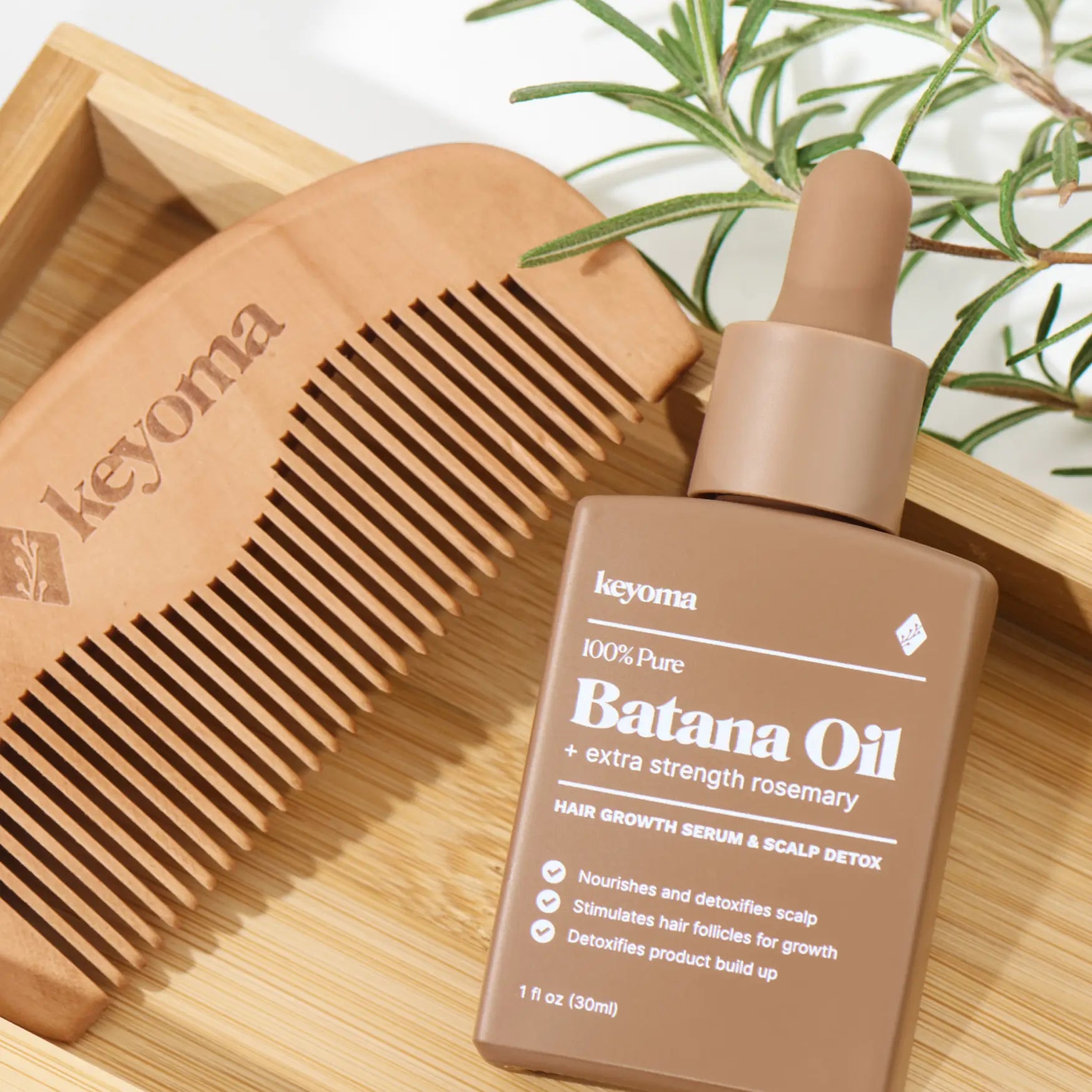
30% Off + 3 FREE Gifts
100% Pure Batana Oil + Rosemary
↓Best Batana Oil to Buy↓

1 Month
Subscribe & Save
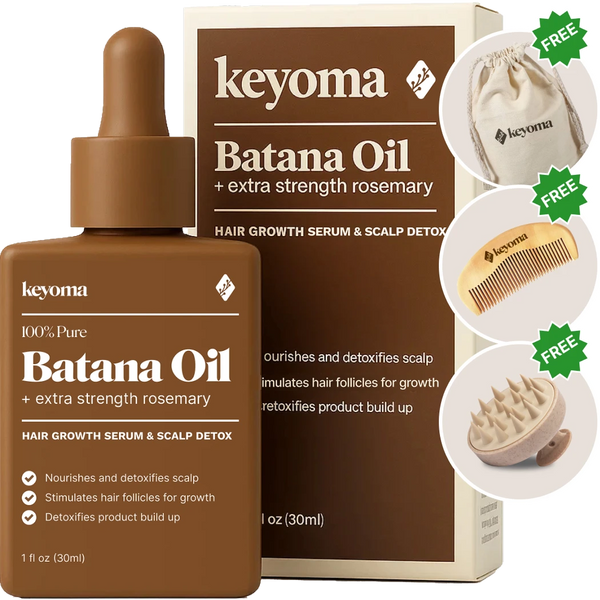


- 30-day supply delivered monthly $35
- 30% off for life $6
- Free haircare essentials kit $33
- Free custom wooden comb $10
- Free scalp massager $15
- Free eco-friendly travel bag $8
- 30-Day Money Back Guarantee
- Free Shipping
- Online portal for easy cancel, skip, or pause.
1 Month One Time Purchase
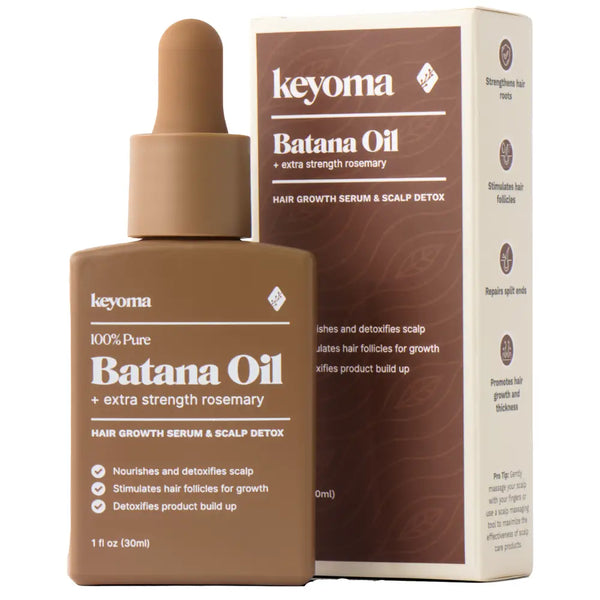
- 30-day supply $50
- 30% off for life $6
- Free haircare essentials kit $33
- Free custom wooden comb $10
- Free scalp massager $15
- Free eco-friendly travel bag $8
