Trichorrhexis Nodosa: How to Reduce Breakage and Split Ends
Written by

Published on Dec 18, 2025

In this article
Trichorrhexis nodosa is a common hair shaft disorder where weak spots or nodules form along the hair shaft. Usually, this condition happens because of too much physical or chemical stress, like over-brushing, heat styling, or strong chemical treatments such as bleaching. It may also be related to health problems, which further complicates its causes and how to treat it.
Treating trichorrhexis nodosa means you need to understand its causes and have a gentle hair care routine. In severe cases, you might need to see a doctor to rule out or treat underlying conditions. This article will talk about what causes trichorrhexis nodosa, its symptoms, and how to treat it, so you know all about this uncomfortable condition.
Key Takeaways
-
Trichorrhexis nodosa forms weak nodules on hair shafts, often after physical or chemical trauma.
-
Symptoms include heavy breakage, bead-like nodules, split ends, and patchy thinning.
-
Moisturizing, sulfate-free washing plus careful detangling and weekly deep conditioning can reduce snapping.
-
Sudden severe breakage may need medical checks; limit heat, chemicals, and support nutrition.
What Trichorrhexis Nodosa Is
Trichorrhexis nodosa often affects the hair shaft, causing problems you can see. It makes nodules that lead to hair loss and breakage. Experts divide this condition into two types: acquired and congenital.
Although it mainly affects hair on the scalp, it can also affect eyebrows, eyelashes, and pubic hair. If you look at the damaged hairs with a microscope, they look split, like open brushes. These splits show fibers sticking out, which shows how serious the condition is.
Causes of Trichorrhexis Nodosa

Like we said, trichorrhexis nodosa is when the hair’s structural parts are not balanced. This condition, often called ‘hair in drops,’ can be caused by several things, which we will explain below.
Over-Drying
African hair’s natural wavy or curly texture makes hair care challenging. But, these detailed curls and waves also make this hair type unique and beautiful. The challenge is that essential oils from the scalp struggle to move down the hair shaft, often leaving the strands feeling dry and brittle.
Washing the hair too much can strip away these crucial oils, which makes breakage and damage more likely. Also, while styling products such as hair sprays and gels do help you get the look you want, they can make your hair more fragile.
Protein Imbalance in the Hair Shaft
A key factor that causes trichorrhexis nodosa is a protein imbalance. This imbalance affects the hair’s cortex, which is the innermost layer of each hair strand. When these proteins are misaligned or damaged, the hair’s structural integrity is compromised, which results in the distinctive knotty, swollen nodes.
Learn how too much protein can ruin your hair.
Heat Damage
Heated hair styling products, such as blow dryers, hot combs, curlers, and flat irons, expose hair to very high temperatures. This process changes the hair’s shape and style for a short time. But, the intense heat often makes hair brittle and likely to break. Also, hot oil used while styling can drip onto the scalp. This can cause scarring, which may lead to permanent hair loss.
Chemical Damage
Permanent waves and chemical relaxers can be quite harsh on hair. They can cause a lot of damage to the cuticle layer, which protects the hair first. This damage makes the texture more brittle, since the treatments strip away the delicate outer layer that helps keep hair healthy.
The process disrupts the hair’s natural chemical bonds, changing its natural amino acid makeup. Because of this, the hair gets weaker and loses its strength, leading to a dry, fragile look without shine.
Explore how to repair your chemically damaged hair.
Hair Color Changes
Permanent hair color changes the hair’s chemical structure, changing its natural properties. This process often makes hair more brittle as it loses key moisture and nutrients. When you use dye regularly, it can make the damage worse, showing up as hair breakage, split ends, and a rough texture.
As time goes by, these changes cause a dull and lifeless look, making the hair harder to manage and keep shiny. Taking good care of chemically treated hair reduces these effects and helps keep your strands healthier.
Symptoms of Trichorrhexis Nodosa

Trichorrhexis nodosa greatly affects the hair's structure and how it looks, causing several noticeable symptoms. Here are the key signs to watch for:
Alopecia and Hair Loss
People who have trichorrhexis nodosa might have different amounts of hair loss. This mostly happens because the hair breaks often and is fragile. Hair loss might be in certain spots on the scalp; but, in more severe cases, it can cause hair to thin all over, making it look less full.
Texture Changes and Dryness
The texture of hair affected by trichorrhexis nodosa tends to change a lot. You might say your hair feels rough, brittle, or too dry. This loss of moisture reduces natural shine and luster, making the hair more likely to tangle and giving it a coarse, stiff texture. You might need special products to style and care for it regularly to make the hair easier to manage.
Scalp Sensitivity and Irritation
Sometimes, this condition can make the scalp sensitive because the hair follicles are weak. This sensitivity might cause irritation, discomfort, or inflammation. While not everyone with trichorrhexis nodosa will have this symptom, it can make the affected area feel uneasy.
Explore these scalp care routines for sensitive scalp.
Uneven Hair Growth Patterns
Since hair shafts break easily, uneven hair growth patterns often happen. Some areas of the scalp might have shorter, broken strands, while other areas have longer hair. This difference can make the hair look patchy, which can be upsetting if you want a balanced and healthy hairstyle.
How bad the symptoms are can depend on whether the trichorrhexis nodosa is congenital or acquired. If you have congenital trichorrhexis nodosa, you usually have the condition from a young age, often showing signs early in life.
On the other hand, acquired cases may happen later because of things like harsh hair treatments, too much styling, or physical damage to the hair. These outside things can weaken the hair shaft, causing nodules, breakage, and other symptoms.
Excessive Hair Breakage
One of the main symptoms of trichorrhexis nodosa is excessive hair breakage. This breakage often happens at different spots along the hair shaft, which leads to uneven lengths. You might find your hair snaps off easily, even when you gently handle or style it. This can lead to thinning and patchy areas on the scalp, making the hair look uneven and unhealthy.
Nodules Along the Hair Shaft
A key feature of trichorrhexis nodosa is small, bead-like nodules that form along the hair shaft. These nodules show weakened areas in the hair fibers, where structural damage has happened. If you have these knots, it means that the hair is weak and more likely to break, which leads to more hair loss over time.
Split Ends and Fraying
This condition also causes obvious split ends. As the hair ends get frayed, they might look “brush-like.” When you look at the hair shaft with a microscope, it may show splits that look like forks or brushes, where single fibers split off in different directions. This shows a major weakness in the hair structure.
Treatment Options for Trichorrhexis Nodosa

You can often manage trichorrhexis nodosa by controlling damage and giving steady, supportive care. The goal is to reduce new breakage, strengthen fragile strands, and improve softness and shine over time. Usually, results come from doing several small things well, not just one single fix.
Build a Gentle Hair Care Routine
A gentle routine protects the hair shaft, so it can stop “fracturing” and snapping. Use a shampoo that doesn't have sulfates and moisturizes, and focus it on the scalp. Then, let the suds rinse through the lengths instead of scrubbing the ends. Follow with a hydrating conditioner, and only detangle when your hair has slipped, using a wide-tooth comb or your fingers.
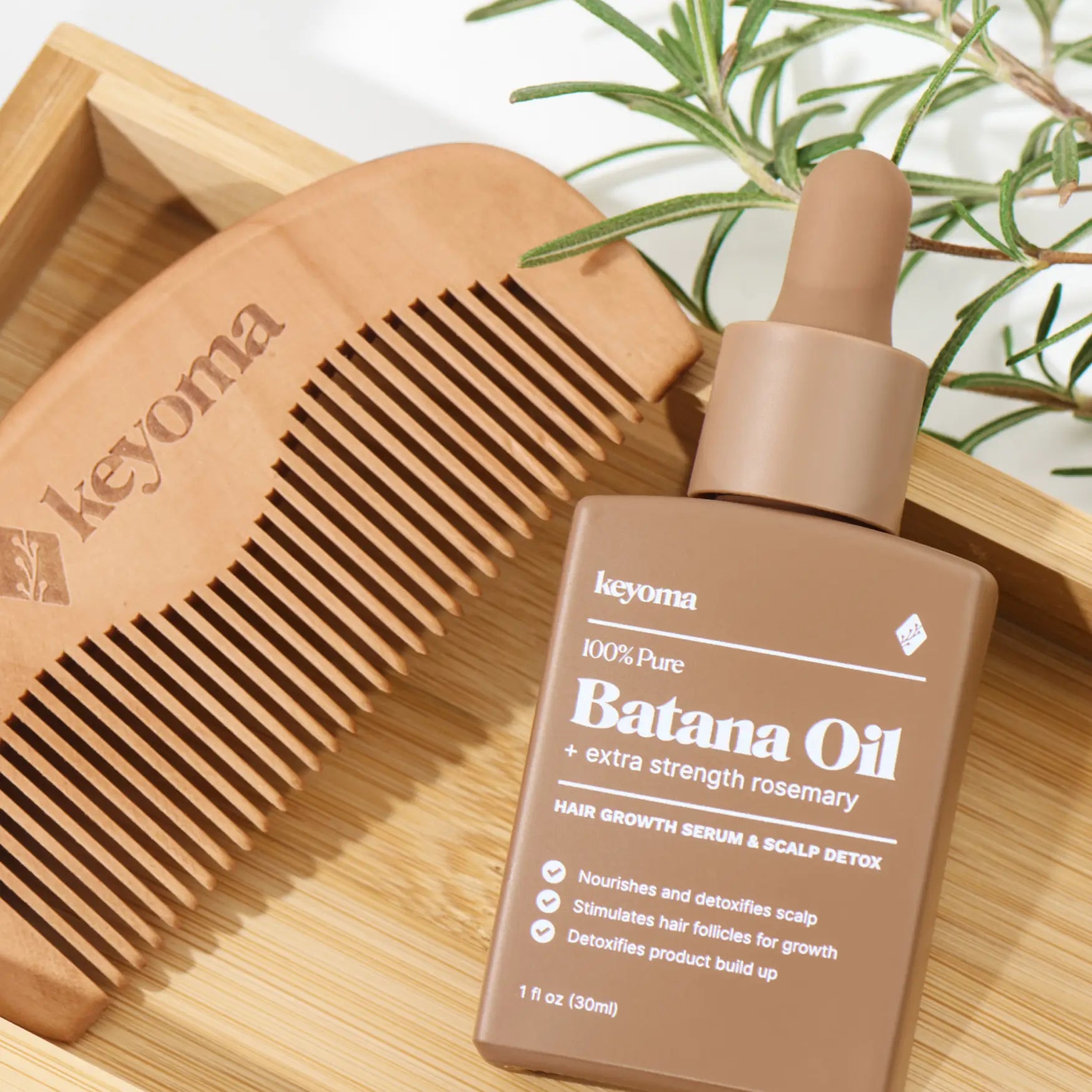
Add a deep-conditioning mask each week to restore moisture and improve flexibility. You can also use batana with rosemary oil as a supportive step for gentle care. Use a small amount of damp hair after washing, focusing on the middle and ends to help seal in moisture and reduce friction.
If your scalp tolerates oils well, you can massage a few drops into the scalp 2 to 3 times per week before washing, then shampoo gently to avoid buildup. Keep it light since too much oil can weigh hair down and make you over-wash.
Check for Underlying Medical Issues
One of the most important steps is to check for health issues that may be making your hair weaker than normal. If you don't have enough nutrients, have thyroid problems, or other medical conditions, it can affect how strong your hair grows.
If breakage happens suddenly, is severe, or happens with fatigue, hair shedding, or changes in nails and skin, a healthcare professional can help you find the causes and guide you to the right tests and next steps.
Dietary Changes for Stronger Hair
Hair is mostly protein, so nutrition matters. Aim to get consistent protein and include key nutrients that help hair strength, such as iron, zinc, biotin, and vitamins A, C, D, and E.
Foods like eggs, fish, lean meats, beans, nuts, seeds, leafy greens, and fruit can support your hair and scalp health. If you think you might have a deficiency, it's better to confirm it than to guess with supplements.
Support Scalp Circulation
Better scalp circulation helps hair grow and may improve how your scalp feels. Gentle scalp massage for a few minutes a day can help, and some people find that light oils or nourishing scalp serums make massage easier and more comfortable.
Keep pressure gentle, don't scratch with your nails, and stop if you notice irritation or itching, since inflammation can work against progress. If you want, paste your full article section, and I’ll match the tone and length so it blends in perfectly.
Limit Heat Styling and Chemical Treatments
Heat and harsh chemicals can stop trichorrhexis nodosa from getting better. Use flat irons, curling wands, and blow dryers less often, and keep temperatures lower when you can. Always use a heat protectant and don't go over the same section more than once.
If you color, bleach, relax, or perm your hair, space the treatments out and don't overlap. Low-tension protective styles like loose braids, buns, or twists can also reduce daily wear and tear, mainly if your ends are fragile.
Trims and Targeted Treatments
Trims help because damaged sections don't “heal” back to normal. Removing rough ends stops splits from traveling upward and reduces constant snapping. Also, protein-based treatments can reinforce weak spots for a short time, but they need balance.
Too much protein can make hair feel stiff and brittle, so alternate with moisturizing masks. If you've chemically treated your hair, salon bond-building services may help reduce breakage by improving the strand’s structural strength.
Prevent Trichorrhexis Nodosa’s Hair Loss with Keyoma Batana Oil
Protect fragile strands by treating trichorrhexis nodosa like a preventable damage loop. Acquired cases often improve when you stop the triggers that rough up the hair shaft, especially heat, harsh chemicals, and aggressive handling.
Keep washes gentle, detangle only with plenty of slip, and focus on reducing friction so weak nodes are less likely to snap. Add one supportive step after wash days by smoothing a small amount of Keyoma batana + rosemary oil through mid-lengths and ends, then shampoo well next wash to avoid buildup and irritation.
Ready to start a gentler routine this week? Buy Keyoma batana oil with rosemary directly from our website, or shop it in our Amazon store.
Featured Product
30% Off + 3 FREE Gifts
100% Pure Batana Oil + Rosemary
↓Best Batana Oil to Buy↓

1 Month
Subscribe & Save
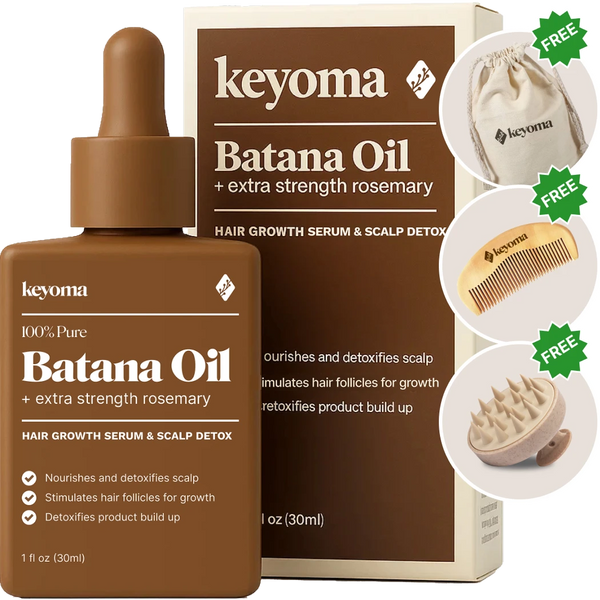


- 30-day supply delivered monthly $35
- 30% off for life $6
- Free haircare essentials kit $33
- Free custom wooden comb $10
- Free scalp massager $15
- Free eco-friendly travel bag $8
- 30-Day Money Back Guarantee
- Free Shipping
- Online portal for easy cancel, skip, or pause.
1 Month One Time Purchase
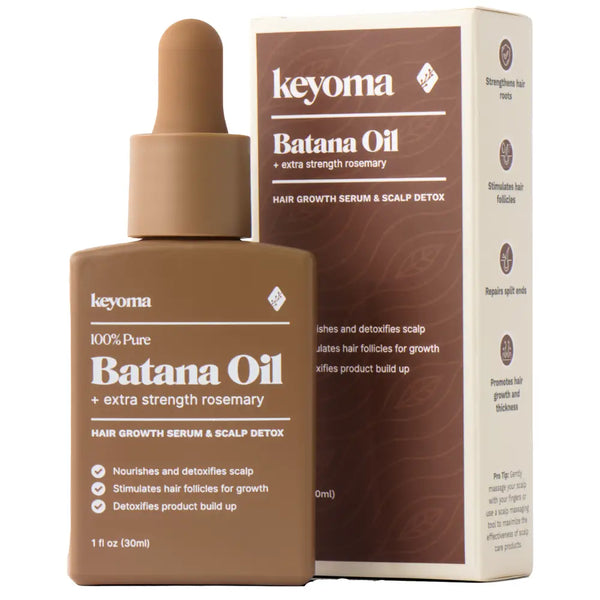
- 30-day supply $50
- 30% off for life $6
- Free haircare essentials kit $33
- Free custom wooden comb $10
- Free scalp massager $15
- Free eco-friendly travel bag $8
