Vegan Hair Care: How to Choose Products and Build a Routine
Written by

Published on Apr 09, 2026

In this article
Switching to vegan hair care can seem simple at first. Buy products with plant-based ingredients, avoid animal-derived ingredients, and build a cleaner routine. In practice, it takes a little more thought than that. Not every vegan formula is gentle, and not every trend-led product will match your hair type.
A strong vegan hair care routine should do more than match a label. It should help your hair feel healthier, easier to manage, and more stable over time. That usually comes down to understanding ingredients, balancing products, and choosing formulas based on what your hair really needs.
Let’s explore what vegan hair care is, how it differs from regular hair care, what to look for in products, and how to build a routine that supports moisture, scalp health, and long-term hair condition.
Key Takeaways
-
Vegan hair care leaves out animal-derived ingredients, but vegan and cruelty-free do not mean the same thing.
-
Plant-based ingredients can support moisture, softness, and scalp comfort when the formula is built well.
-
Sulfate-free vegan hair care may help some hair types feel less stripped after washing.
-
You should choose products based on your hair type and scalp needs, not only on trends or packaging.
What Is Vegan Hair Care?
Vegan hair care refers to hair products made without animal-derived ingredients. That includes ingredients like honey, beeswax, keratin from animal sources, silk proteins, collagen from animal sources, lanolin, and similar additives that can show up in shampoos, conditioners, masks, and styling products.
Many vegan hair care products use plant-based or synthetic alternatives instead. You may see oils, butters, amino acids, botanical extracts, and lab-made conditioning agents used in place of traditional non-vegan ingredients.
Plant-based hair care often appeals to people who want a cleaner-feeling routine, but the label alone does not promise that the formula will work well for every hair type.
How Does Vegan Hair Care Differ From Normal Hair Care?
The main shift with vegan hair care is the source of the ingredients. Traditional products often mix plant-based and animal-based components, while vegan options leave animal-derived ingredients out completely. That choice affects how formulas are built and how they are marketed, but it does not automatically decide the product's weight or performance.
-
Ingredient sourcing changes, but performance depends on the overall formula balance.
-
Label appeal should not outweigh actual hair needs like texture and scalp condition.
-
Cleaner ingredient lists can help, but only if they match how your hair really responds.
In the end, the comparison is not only about vegan versus standard labels. It is about finding a formula that supports your specific hair type. Whether your hair is curly, fine, or color-treated, the focus should stay on how well the ingredients support moisture and scalp health in your routine.
What to Look for in Vegan Hair Care Products
A vegan label is only the starting point. What matters more is the formula underneath. Ingredients, texture, cleansing strength, and how the product fits into your routine all deserve attention.
Plant-Based Ingredients
Plant-based ingredients often do much of the work in vegan hair care formulas. Oils, seed extracts, aloe, botanical humectants, plant butters, and plant-derived proteins can all help with softness, moisture, and manageability.
Certain plant-based oils are often included for that reason. Ingredients like batana oil are commonly used to support moisture retention in dry hair, while rosemary is often chosen in scalp-focused formulas for its role in helping maintain a balanced hair care routine.
Sulfate-Free Formulas
Sulfate-free vegan hair care often appeals to people with dry, curly, damaged, or color-treated hair. Sulfates can cleanse very well, but some hair types feel stripped when the cleansing system is too strong or used too often.
Ingredient Transparency
Clear labeling makes vegan hair care easier to trust. When brands are specific about what is in the formula and what is not, you can make better decisions based on your own goals.
That matters because some products rely heavily on plant-forward wording while giving very little useful detail about what they actually do. Ingredient transparency helps you tell the difference between strong marketing and a genuinely well-built formula.
Hair-Type Fit
A product can be vegan and still be completely wrong for your hair. Fine hair usually needs lightweight conditioning. Coarse or curly hair may need richer moisture and more slip. Dry hair often does better with a stronger conditioning step, while thinning hair may respond better to lighter formulas that do not leave the scalp congested.
Benefits of Vegan Hair Care
The benefits of vegan hair care are often practical rather than dramatic. A good routine can improve softness, reduce roughness, support the scalp, and make product choices more intentional. The result is usually better consistency, not an overnight change.
Better Ingredient Awareness
One of the biggest benefits is that vegan hair care often pushes you to read labels more carefully. That habit usually leads to better product decisions overall.
Instead of buying whatever is trending, you start paying closer attention to cleansers, conditioners, oils, and styling ingredients. That usually leads to a routine that makes more sense for what your hair actually needs.
Support for Dryness and Texture
Plant-based ingredients can support dry, frizzy, or rough hair when they are used in balanced formulas. Oils, humectants, and conditioning agents can help hair feel softer, smoother, and easier to detangle.
The best vegan hair care for dry hair usually includes a gentle cleanser, a conditioner with enough slip, and some kind of styling or protective support after washing. Improvement often comes more from routine balance than from any single ingredient.
Scalp-Friendly Routine Potential
Many people switch to vegan hair care because they want something that feels cleaner or less heavy on the scalp. That can help, especially if your older routine depended on overly rich formulas, harsh cleansers, or products that left buildup behind.
Some routines also use lightweight scalp oils to support comfort and balance. In those cases, blends that combine batana oil with ingredients like rosemary, such as those found in brands like Keyoma, are often used as part of a simple scalp care approach.
Simpler Long-Term Decision-Making
Once you understand which ingredients work for you, choosing products gets easier. You become less reactive to trends and more focused on what your hair actually responds to.
That matters over time. Healthy-looking hair usually comes from repeated good decisions, not constant product switching. I noticed routines stayed easier to follow once the product choices became more predictable. A simple vegan hair care routine can make that easier to maintain.
How to Build a Vegan Hair Care Routine Step by Step
A good routine does not need to be long. It needs to be consistent and matched to your hair type. For most people, a few well-chosen products will do more than a shelf full of overlapping treatments.
Step 1: Cleanse With a Gentle Vegan Shampoo
Start with a shampoo that matches your scalp and buildup level. If your scalp gets oily fast or you use styling products often, you may need a cleanser with a little more strength. If your hair is dry, curly, color-treated, or strips easily, a gentler formula may work better.
Washing frequency should also match your actual needs. Some people do well washing a few times each week. Others need more or less depending on scalp oil production, exercise, climate, and styling habits.
Step 2: Condition and Detangle Without Stripping
Conditioner is where many vegan routines either work well or fall short. A good conditioner should soften the hair, help with detangling, and reduce friction without leaving a waxy or coated feel.
If your hair is dry or textured, you may need a richer formula with more slip. If your hair is fine, a lighter conditioner may leave it softer without flattening it. Detangling should feel easier after conditioning, not like a separate fight.
Step 3: Use Leave-In or Styling Support
After washing, many hair types benefit from some kind of leave-in or styling support. This helps maintain softness, reduce frizz, and keep the hair manageable as it dries.
A leave-in can work well for dry, curly, frizzy, or tangled hair. Lighter styling support may be enough for fine or straighter hair that only needs a bit of control. The goal here is not to overload the hair. It is to help hold moisture, improve texture, and make styling easier.
Step 4: Add Oil or Treatment for Protection
Oil or treatment products can help when your hair needs extra protection, softness, or frizz control. A vegan hair oil usually works best as a finishing or sealing step rather than as a replacement for moisture.
For example, a plant-based oil like pure batana oil can be used to support dry or damaged areas without adding unnecessary weight. Some routines also use rosemary-infused oils when the focus is scalp care or maintaining stronger-looking hair over time.
Common Mistakes in Vegan Hair Care
A vegan routine can still underperform if it is built on assumptions instead of observation. Most mistakes happen when you treat the label like a shortcut instead of paying attention to the formula and how your hair responds.
-
Assuming every vegan product is gentle
-
Using too many products at the same time
-
Overlooking scalp health
Choose Vegan Hair Care for Healthier, Easier Hair
Vegan hair care works best when you treat it as a smarter way to choose products, not as a label that guarantees better hair. The real value comes from understanding ingredients, keeping realistic expectations, and building a routine that fits your texture, scalp, and daily habits.
Some people do well with lightweight plant-based formulas. Others need richer moisture, more slip, or occasional oil support. The label matters, but product fit matters more. A routine built around your real hair needs will almost always work better than a trend-driven one.
The most effective vegan hair care routine is usually the one you can maintain without making it too complicated. Cleanse in a way that respects your scalp, condition well, add styling support when needed, and protect the areas where your hair tends to dry out or break. That is often where healthier hair begins.
Featured Product
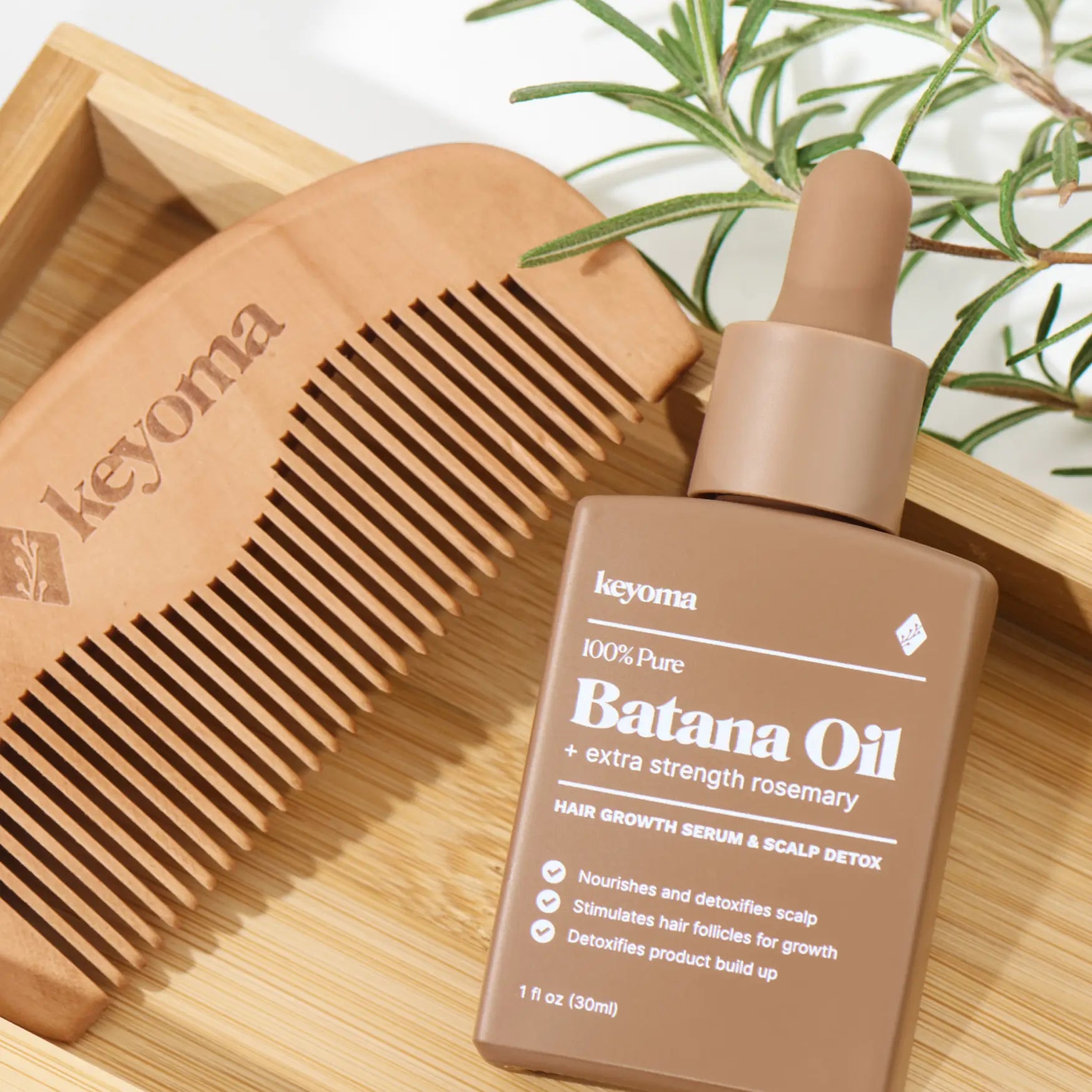
30% Off + 3 FREE Gifts
100% Pure Batana Oil + Rosemary
↓Best Batana Oil to Buy↓

1 Month
Subscribe & Save
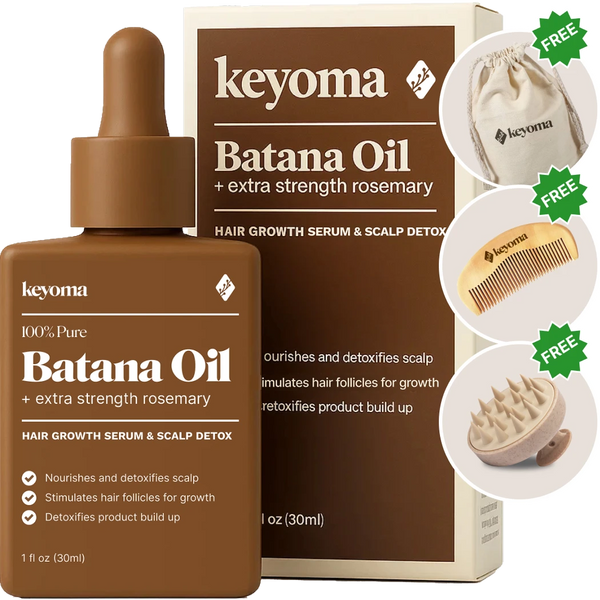


- 30-day supply delivered monthly $35
- 30% off for life $6
- Free haircare essentials kit $33
- Free custom wooden comb $10
- Free scalp massager $15
- Free eco-friendly travel bag $8
- 30-Day Money Back Guarantee
- Free Shipping
- Online portal for easy cancel, skip, or pause.
1 Month One Time Purchase
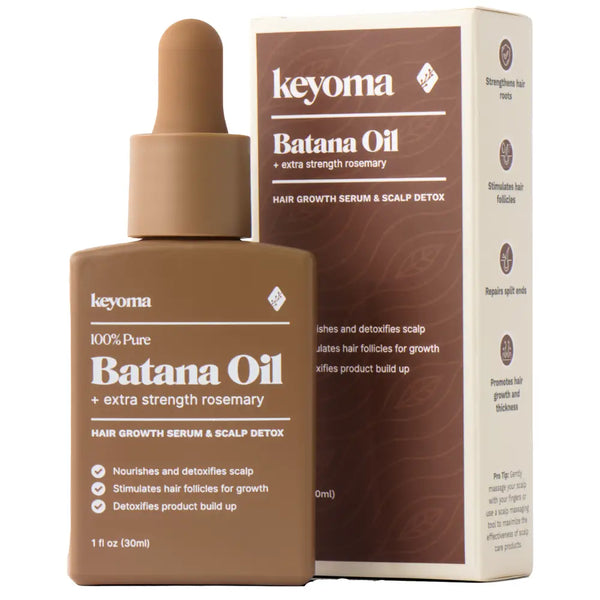
- 30-day supply $50
- 30% off for life $6
- Free haircare essentials kit $33
- Free custom wooden comb $10
- Free scalp massager $15
- Free eco-friendly travel bag $8
