

In this article
Batana oil can look surprising when you first open the jar. Instead of a thin, glossy serum, you may see a thick paste, a balm-like scoop, small grainy pieces, or a slightly melted top layer.
That texture does not automatically mean the oil is spoiled. Pure and raw batana oil can shift with temperature, handling, and natural fat structure. In cooler rooms, it may look dense or semi-solid. In warmer conditions, it may soften, melt, or look a little separated.
The main thing is to judge the full sensory picture. Mild graininess that melts with warmth is very different from oil that smells sour, rancid, chemical-like, moldy, sticky, slimy, or unusually gritty. Texture alone gives clues, but smell and contamination signs matter more.
Key Takeaways
-
Grainy batana oil is not automatically spoiled.
-
Cooler rooms can make batana oil feel thick or balm-like.
-
Mild grains should usually melt with hand warmth.
-
Sour odor, mold, or slime are warning signs.
Is Grainy Batana Oil Normal?
Grainy batana oil can be normal, especially when the product is raw, unrefined, or naturally thicker at room temperature. Many plant-based fats do not stay perfectly smooth across every climate. They can harden, soften, melt, and firm back up as the surrounding temperature changes.
A slightly grainy feel is often more about texture behavior than product failure. If you scoop a small amount and warm it between your fingers, normal graininess should soften into a richer oil or balm. It may still feel heavier than a lightweight hair serum, but it should not feel sharp, dirty, sticky, or sandy.
Texture also should not be treated as proof of authenticity. A thick or grainy feel can be common in raw batana oil, but it does not guarantee purity by itself. If you are checking quality, look at the ingredient list, scent, color, seller transparency, and whether the product matches the expectations for what batana oil is made of.
What Pure Batana Oil Texture Should Feel Like
Pure batana oil usually feels richer than a clear liquid oil. Depending on temperature, it may behave more like a soft balm, dense paste, or melted butter than a thin serum. One product-education reference describes raw batana as semi-solid at room temperature and notes that it may melt around 26–30°C, or 79–86°F, with cooler rooms making it paste-like and warm rooms making it more fluid.
That range helps explain why two people can receive the same type of oil and describe different textures. Someone in a warm room may see a soft, glossy surface. Someone in air conditioning may see a firmer scoop with visible grains.
Thick and Balm-Like at Cooler Temperatures
In cooler temperatures, batana oil may feel dense, scoopable, or waxy. A spoon or fingertip may leave a firm mark rather than gliding through the product easily.
This can be normal for raw batana oil, especially if it has not been heavily refined or diluted into a thin liquid format. The texture may feel concentrated, and a small amount can spread slowly at first.
The best quick check is warmth. Rub a pea-sized amount between clean fingers. If it softens and spreads, the texture is likely just temperature-related.
Softer or Melted in Warm Conditions
Warm weather, shipping heat, or a sunny room can make batana oil look softer, glossier, or partly melted. You may see a liquid layer on top with a thicker portion underneath.
That shift can feel alarming, but melting alone does not mean the oil is bad. A naturally semi-solid oil can move between solid and liquid states when the room changes. The more useful question is whether the scent, feel, and appearance still seem clean.
If the oil smells nutty, roasted, earthy, or mild, and it firms up again in a cooler room, the change is often physical rather than spoilage.
Slightly Grainy When Raw or Unrefined
Raw or unrefined oils can look less uniform than refined cosmetic oils. With batana oil, that may mean a thick texture, small grains, or a rustic paste-like appearance.
One batana oil seller describes raw batana oil as solid in cooler climates with a dark brown color and thick, grainy texture. That is still a commercial source, so it should be used as a texture reference, not as proof that graininess always equals authenticity.
A normal grainy texture should not scratch your skin, leave hard debris, or feel like dirt. It should soften as you warm it.
Why Does Batana Oil Look Grainy?
Batana oil can look grainy because natural fats do not always solidify evenly. Different fatty components can firm up at slightly different rates, especially after the oil melts and cools again. The result may be small grains, soft crystals, or uneven texture.
Cosmetic butter references often describe this issue with vegetable butters such as shea butter. Batana oil is not the same ingredient as shea butter, so the comparison should stay cautious. Still, the same broad idea helps explain why natural, fat-rich products can become grainy after temperature changes.
Natural Fats Can Solidify Unevenly
Natural oils and butters are made of different fatty components. Some portions firm up sooner than others. When that happens unevenly, the product may not return to a perfectly smooth texture.
Formula Botanica notes that shea butter can become grainy in cosmetic formulations because of temperature changes or exposure to air. It also explains that uneven cooling can increase graininess in balm textures.
For batana oil, that does not mean every grain has the same cause. It means a grainy feel can be part of how natural fats respond when they move between warm and cool states.
Temperature Changes Can Create Texture Shifts
A jar may warm during delivery, sit in a cool room, then warm again when handled. Each shift can change the surface texture.
You may notice:
-
A melted top layer over a thicker base.
-
Small grains along the sides of the jar.
-
A firmer center with softer oil around the edge.
-
A balm-like scoop that melts once rubbed between the fingers.
These signs can look inconsistent, but they may still fall within normal batana oil texture behavior. The texture should still feel clean, meltable, and usable.
Melting and Cooling Can Change the Feel
When natural butters melt and cool again, crystallization can affect the final feel. From Nature With Love explains that vegetable butters may need careful melting and rapid cooling to reduce crystallization or graininess.
For a consumer jar of batana oil, you do not need to turn this into a full melting routine. The practical takeaway is simpler: if the oil warmed during shipping or storage and then cooled slowly, it may feel grainier than it did before.
A small texture shift is usually less concerning than a bad odor, visible contamination, or a sticky, slimy feel.
Is Separated Batana Oil Normal?
Slightly separated batana oil can be normal when temperature changes cause part of the oil to soften faster than the rest. You may see a glossy layer on top, a darker or thicker base, or a surface that looks uneven.
Separation becomes more concerning when it appears with other warning signs. A little melted oil on top is different from water droplets, mold, bubbling, or a sour smell. If the product looks split and also smells wrong, feels slimy, or shows visible contamination, stop using it.
You can gently stir a clean, dry scoop of oil if the texture looks mildly separated. Avoid adding water, dipping wet fingers into the jar, or leaving the lid open. Moisture and repeated air exposure can make natural oils less stable over time.
For broader spoilage checks, keep a separate reference for batana oil shelf life rather than trying to answer every storage question from texture alone.
When Should You Worry About Batana Oil Texture?
Texture becomes a concern when it no longer behaves like a natural thick oil. Graininess that melts is usually less serious than a texture that feels sticky, slimy, unusually gritty, or contaminated.
Smell is often the strongest clue. Reviews of edible oil oxidation explain that lipid oxidation can create off-flavors and unpleasant odors linked with rancidity. Even though batana oil is used cosmetically, the same general oil-quality concept applies: a bad odor is a stronger warning sign than mild thickness.
Strong Rancid or Sour Smell
Fresh batana oil is often described as nutty, roasted, earthy, smoky, or naturally rich. It should not smell sharply sour, rotten, musty, chemical-like, or like old paint.
If the smell makes you hesitate, do not ignore it. Rancid or sour odor suggests the oil may have oxidized or become contaminated. A texture that looks normal does not cancel out a bad smell.
Sticky, Slimy, or Unusually Gritty Feel
Normal batana oil may feel thick, heavy, or balm-like. It should not feel slimy, stringy, or dirty.
Unusually gritty oil is different from small meltable grains. If the particles feel hard, sharp, or sandy after warming, the texture is not behaving like a normal natural fat. Stop using it, especially on the scalp.
Mold, Water, or Unusual Contamination
Visible mold is never a normal batana oil texture. Water droplets, cloudy patches, bubbles, or foreign particles also deserve caution.
Natural oils are best handled with clean, dry hands or tools. Water inside a jar can raise contamination risk, especially if the product has been opened and used repeatedly.
Major Texture Change With Bad Odor
A major texture change matters more when it appears with a bad odor. For example, oil that was once thick but smooth and now smells sour while feeling sticky should not be treated as a normal climate shift.
If your product changed after heat exposure, first check whether the smell stayed normal. If the scent is still clean and the product melts evenly with warmth, the texture shift may be cosmetic. If the scent is off, replace it.
Grainy vs Spoiled Batana Oil: How to Tell the Difference
Grainy and spoiled are not the same thing. Grainy describes feel. Spoiled describes quality breakdown or contamination. A jar can be grainy but still usable, or smooth but no longer fresh.
A simple comparison can help you avoid throwing away a normal jar or using one that should be discarded.
Normal Graininess Still Melts With Warmth
Normal graininess usually softens between your fingers. It may begin as tiny pieces or a firm scoop, then turn into a richer oil as it warms.
The scent should still fit the expected roasted, nutty, or earthy profile. The product should not sting your nose, feel sticky, or show mold.
If you are using pure batana oil, expect a richer feel than a lightweight serum. Use a small amount first because dense oils can spread farther once they warm.
Spoiled Oil Usually Smells Wrong
Spoiled oil usually gives you more than a visual clue. It may smell rancid, sour, stale, musty, or chemical-like.
Research on lipid oxidation notes that secondary oxidation products, including aldehydes, contribute to rancid odor and taste in oxidized oils. For a cosmetic hair oil, you are not tasting the product, but odor still matters. If the smell is clearly off, do not use it on your scalp or hair.
Diluted Oil May Stay Too Runny
A very runny texture is not automatically bad, but it can suggest a different product format. Some batana products are blended with carrier oils to make them easier to apply.
Diluted oil may stay liquid even in cooler rooms. That can be useful for convenience, but it is not the same sensory experience as a raw, balm-like product. If you want to check quality before buying, compare the ingredient list, texture expectations, and seller details with a broader pure batana oil checklist.
Texture should never be used to support hair regrowth claims. Healthline notes that there is no evidence batana oil can regrow hair or prevent hair loss, although it may help hair feel more nourished.
Choose Keyoma Batana Oil With Clear Texture Expectations
Batana oil can look grainy, thick, semi-solid, or slightly separated without being spoiled. Cooler rooms, warm shipping conditions, and melting followed by cooling can all change how the oil looks and feels.
Use your senses together. Mild grains that melt with warmth are usually different from oil that smells sour, feels slimy, shows mold, or contains water. When the texture still melts cleanly and the scent stays nutty, roasted, or earthy, the product is often behaving like a natural, rich oil rather than a lightweight serum.
A calm texture check can prevent unnecessary worry. It also helps you stop using the oil when the signs point to spoilage, not normal natural variation.
Featured Product
30% Off + 3 FREE Gifts
100% Pure Batana Oil + Rosemary
↓Best Batana Oil to Buy↓

1 Month
Subscribe & Save
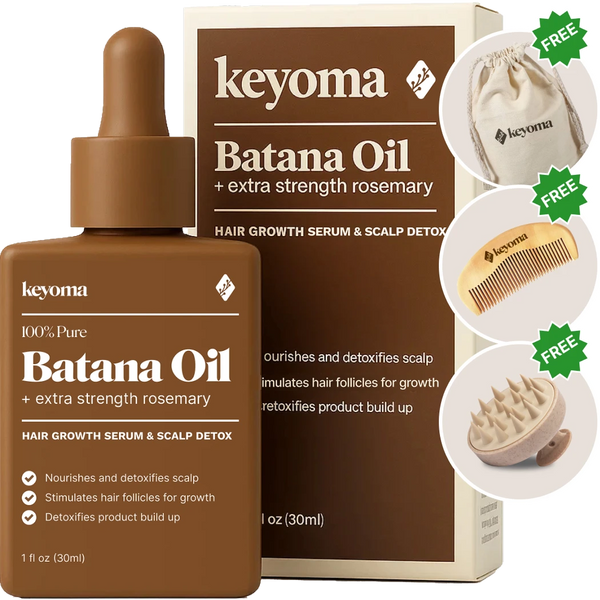


- 30-day supply delivered monthly $35
- 30% off for life $6
- Free haircare essentials kit $33
- Free custom wooden comb $10
- Free scalp massager $15
- Free eco-friendly travel bag $8
- 30-Day Money Back Guarantee
- Free Shipping
- Online portal for easy cancel, skip, or pause.
1 Month One Time Purchase
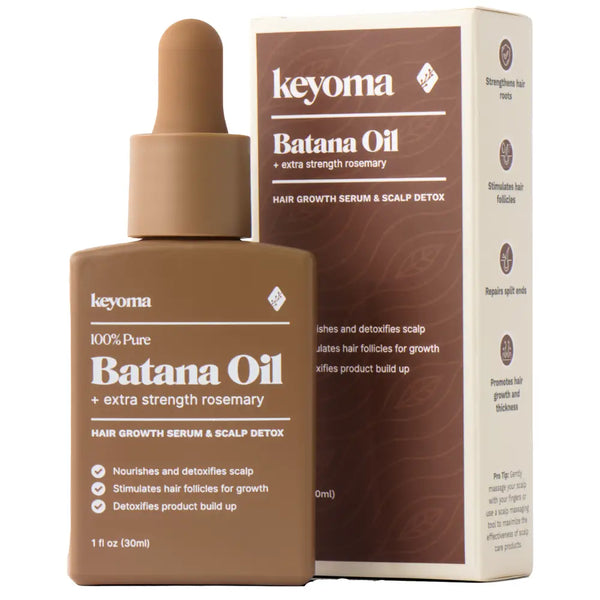
- 30-day supply $50
- 30% off for life $6
- Free haircare essentials kit $33
- Free custom wooden comb $10
- Free scalp massager $15
- Free eco-friendly travel bag $8
