Why Your Hair Tangles So Easily and How to Stop the Knots
Written by

Published on Nov 17, 2025

In this article
Nothing stalls your morning faster than your brush getting stuck mid-stroke. One tiny knot becomes three, then five, and before you know it, detangling feels like a daily chore you never signed up for.
In this guide, I’ll walk you through the real reasons this keeps happening and what you can do to keep tangles from forming in the first place.
Why Does My Hair Tangle So Easily?
Tangles are rarely random. They almost always come from something you’re doing, using, or skipping, as outlined below.
Hair Type
The harsh reality is that some hair types are simply more prone to tangling.
Curly and coily hair, for example, have natural bends and spirals that cause strands to wrap around each other more easily. The tighter the curl, the more contact points between strands, which raises the risk of tangles forming especially when hair is manipulated frequently.
As for fine hair, it tangles easily too, although for a different reason. Thin strands have less weight to anchor them down and often lack the cuticle strength to resist friction. So they lift, fly, and snag onto other strands more often.
Then, there's hair porosity and texture.
High-porosity hair also knots up faster. Because the cuticle layers in porous hair are raised or uneven, they create a rough surface that grabs onto nearby strands, forming fairy knots or single-strand knots.
Meanwhile, mixed textures or layered haircuts can create sections of uneven tension during movement, which leads to tangles at the junctions where textures meet.
Hair Damage
Chemical treatments, color processing, and excessive heat styling all contribute to different forms of hair damage, from split ends to overall dryness.
When your hair is damaged, there are structural changes in your strands that weaken their strength and smoothness. This usually affects the cuticle, which is the outermost layer that acts as your hair’s protective shield.
In normal, healthy circumstances, the cuticle stays flat and smooth. But with repeated stress from the things mentioned above, the cuticle begins to chip, lift, or break apart.
That means its surface no longer behaves like a sealed barrier. Instead, it turns rough, uneven, and jagged. And as strands move around, those sharp edges catch onto nearby hairs. Friction builds. Then, tangles form.
Dryness
Dryness often shows up as a symptom of hair damage, but it can also happen on its own due to environmental factors like dry air, strong sun, or indoor heating, as well as from poor hair care habits.
When hair dries out, its outer cuticle layer lifts and becomes rough, promoting friction between the strands.
Moisture also affects elasticity. Dry strands don’t bend or stretch as well. They stiffen. So when your hair moves while you sleep, or while brushing, it doesn’t bounce. It catches, and those catches turn into fairy knots, single-strand knots, and clumps that are hard to pull apart.
Environmental Factors
Environmental stressors, which are often small and "invisible", can change the balance of your hair’s moisture, structure, and surface texture. Here's how different factors contribute:
-
Sun exposure: UV rays break down proteins in your hair and raise the cuticle layer, making strands rougher and more prone to friction.
-
Wind: Moving air tangles strands by whipping them around and creating knots, especially when the hair is dry or unprotected.
-
Humidity changes: Sudden humidity spikes cause porous hair to swell unevenly. This swelling disturbs the alignment of strands, which increases friction and leads to tangles.
-
Cold air and indoor heating: Both strip moisture from your hair, drying it out and raising the chance of static, stiffness, and snagging.
-
Hard water: Minerals like calcium and magnesium build up on your strands, roughening the surface and making hair feel coated and tangled.
-
Pollution: Dirt and particles in the air cling to the hair shaft and scalp, weighing strands down unevenly and adding to surface friction.
Poor Haircare Habits
Small daily mistakes compound fast when it comes to tangling. Most people don’t notice the pattern until they’re yanking through knots morning after morning. Some of the most common hair care mistakes that trigger tangles:
-
Skipping conditioner
-
Brushing hair while dry (especially curly hair)
-
Brushing from the scalp down
-
Wearing tight styles too often
-
Tying wet hair up right after washing
Low-Quality Hair Products
Hair products with harsh formulations or bad ingredients can make tangling worse. They either strip your hair of natural oils, create buildup that weighs strands down, or dry your hair out over time. A low-quality hair product can be one that:
-
Lists sulfates (like SLS or SLES) among the top ingredients
-
Relies on drying alcohols
-
Contains non–water-soluble silicones or waxes
-
Leaves your hair feeling squeaky or stiff after rinsing
On the other hand, a good product should leave your hair feeling soft, coated with slip, and easy to detangle, even before applying conditioner.
How To Fix & Prevent Hair Tangles
Choose the Right Shampoo
The shampoo you use sets the tone for everything that follows. If it leaves your hair stripped or coated, you’re already setting yourself up for tangles before you even touch the conditioner.
So what makes a shampoo the "right" one? It depends on your hair type, porosity, and scalp needs, but generally, look for shampoos that:
-
Are sulfate-free: Sulfates like SLS and SLES strip away natural oils and roughen the cuticle, making your hair dry and friction-prone.
-
Contain moisturizing ingredients: Glycerin, aloe, and panthenol help maintain hydration during the wash.
-
Rinse clean: A good shampoo leaves your hair clean without buildup. If your strands feel filmy or squeaky, it may be too harsh.
Clarifying shampoos have their place, especially for removing buildup from hard water or heavy products. But they should not be used every wash unless you’re dealing with specific scalp issues.
And if your hair is high-porosity or very curly, you may benefit more from a co-wash or low-lather cleanser that preserves the scalp's natural oils.
Always Condition After Shampooing
Conditioner does more than soften hair. It coats the strands with a protective layer that smooths the cuticle, restores slip, and lowers friction. That means less snagging, less clumping, and fewer knots.
To get the full benefit, apply from mid-length to ends and let it sit at least 3 to 5 minutes to soak in and soften the cuticle before detangling.
Use Leave-In Conditioner
Leave-in conditioner is not the same as your rinse-out conditioner. This one stays in your hair after washing, keeping your hair soft, flexible, and protected against tangling or knotting throughout the day.
Keep these pointers in mind when using it::
-
Apply it to slightly damp hair, concentrating on the mid-lengths and ends.
-
Comb through with a wide-tooth comb to distribute evenly.
-
If your hair tangles often during the day, you can also reapply a small amount as a refresher.
Apply Lightweight Hair Oil
Before you jump in and say “Yet another thing to slap on my hair?” with raised eyebrows—yes, hair oil is another step, but it serves a different function from the leave-in conditioner we discussed earlier. It’s really a matter of hydration vs moisturizing.
While a leave-in helps hydrate and maintain moisture and softness inside the strand, a hair oil works to seal that moisture in so it lasts throughout the day.
So really, it’s a complement to the entire routine, not an unnecessary extra.
On that note, here’s how to use hair oil effectively:
-
Choose a lightweight, non-greasy oil: Argan, grapeseed, sunflower, or batana oil all work well.
-
Apply after your leave-in conditioner: Use it on damp or dry hair, focusing on the mid-lengths and ends.
-
Use sparingly: One to three drops is enough depending on your length and thickness. More than that can weigh your hair down or cause buildup.
Heavy oils or applying too much can attract dust and stick to particles in the air, which roughens the hair surface and causes more tangling. The goal is a light, even layer that protects and smooths, not a greasy finish.
Reduce Friction While Sleeping
Your sleeping position absolutely affects tangling. But there’s very little you can do to control how much you toss and turn, unfortunately. That’s why the better option is to create a sleep setup that reduces friction no matter how your head shifts.
Here's what helps to protect your hair during sleep:
-
Switch to a satin or silk pillowcase: Unlike cotton, these materials don’t pull or snag your strands. They reduce friction and help your hair glide more easily while you sleep.
-
Wear a satin bonnet or scarf: If your hair is long, curly, or high-porosity, this extra layer keeps strands from rubbing against each other or your bedding.
-
Loosely braid or twist your hair before bed: Stretched styles prevent shrinkage, reduce clumping, and keep sections neat.
-
Avoid sleeping with wet hair: Hair is most vulnerable when wet. Let it dry fully before bed or use a plopping method if you need to sleep on damp hair.
Apply Heat Protectant When Using Heat
The best way to avoid tangling from hot tools is to use them less often or not at all. That said, heat styling may be non-negotiable for work, events, or simply how you prefer to wear your hair. If that’s the case, always apply a heat protectant.
A heat protectant works by forming a barrier that keeps your cuticle from lifting or drying out so quickly once heat sets in. To use it correctly:
-
Pick the right product: Use a heat protectant that clearly states it shields up to 350°F or more. Look for ingredients like dimethicone, hydrolyzed wheat protein, or polyquaterniums.
-
Spray or apply to damp hair before styling: Focus on your ends and the outer layer where heat hits the most.
-
Distribute evenly: Use a wide-tooth comb to make sure the product coats every strand.
-
Keep the temperature in check: Use the lowest effective heat setting for your hair type. Fine or chemically treated hair needs less heat than thick or coarse strands.
Just remember, no heat protectant makes your hair immune to damage. It reduces the impact, but you still need to use heat tools sparingly if you want to keep tangles at bay long term.
Book Regular Trims
Split ends are one of the biggest hidden causes of knots because once a strand splits, it starts to fray. These frayed bits catch onto nearby strands and tangle easily. Routine trims keep these tangles from spiraling out of control.
Below are tips to make the most of your trims:
-
Trim every 8 to 12 weeks if you style often or have fragile ends.
-
For low-manipulation routines, stretching to 12 to 16 weeks might work.
-
Don't wait until your hair starts looking frayed.
Use Gentle Hair Accessories
Not all hair ties, clips, or headbands are created equal. Some tug, pull, or grip too tightly, and those habits create tension and friction that lead to tangles, breakage, or worse, mechanical damage.
Gentle accessories reduce friction and keep your strands in place without straining them. Here are examples that qualify:
-
Silk or satin scrunchies
-
Seamless spiral ties
-
Plastic or padded clips
-
Headbands with soft lining
That said, avoid accessories with metal parts, uncovered elastic, or anything that leaves dents in your hair after just a few minutes of wear.
A final tip: change up your style often. Wearing tight ponytails or buns in the same place every day causes localized wear, which then causes tangling around the same sections.
Use a Microfiber Towel When Drying Hair
A microfiber towel absorbs moisture fast without roughing up your strands. It has a smoother surface that reduces cuticle lifting and keeps your strands aligned as they dry. Below are a few pointers to keep in mind when using it:
-
Gently blot, don’t rub: Press sections of your hair with the towel to absorb water. No rubbing or twisting.
-
Wrap gently if needed: If you wrap your hair, keep it loose and avoid heavy twisting at the crown.
-
Let your hair air dry after blotting: Air drying reduces hygral fatigue, which is the stress that happens when hair swells with water and contracts as it dries.
If you don’t have a microfiber towel, an old cotton T-shirt works in a pinch as a gentler alternative.
How to Detangle Matted Hair at Home Safely
Preparing Your Hair for Detangling
Before you jump straight into detangling your hair, focus first on softening the tangles. This step primes your hair to release the mats with less resistance. Here’s how to do that:
-
Apply slip: Use a hydrating detangling spray, conditioner, or diluted oil like coconut, olive, or batana oil. Saturate the tangled areas generously.
-
Let it sit: Leave the product in for 15 to 30 minutes. This gives your hair time to absorb moisture and gain enough slip to loosen the knots.
-
Add gentle heat if needed: For severe mats, wrap your hair in a plastic cap. Your body heat will help soften the tangles even more.
Never skip this step. Starting on dry, unprepared hair will only make the tangles worse and leave you with more broken strands than you started with.
Detangle From the Bottom, Up
One of the most common mistakes people make is brushing straight from the root all the way down in one stroke. It feels quicker and more efficient, but it actually tightens existing knots and causes more breakage.
The safest way to detangle is to work in small sections and reverse that habit. Here's how:
-
Start at the ends: Begin detangling about two inches from the ends and slowly work your way upward.
-
Hold the section near the root: This keeps tension off the scalp and reduces the pull.
-
Work upward gradually: As each portion loosens, move higher until you can pass through the full length.
Use Fingers to Detangle
Before you reach for any tool, use your fingers first. This allows you to feel and ascertain where the knot starts and ends, which lets you gently loosen it apart strand by strand.
Tug slowly and never force it. You might even find that some mats unravel just with your fingers if they’re soft enough.
Finger detangling also avoids unnecessary friction and lets you identify problem spots more accurately.
Detangle With a Wide-Tooth Comb While Conditioning
Once you've loosened the knots with your fingers, follow up with a wide-tooth comb, starting at the ends and inching upward.
Add more conditioner if the section starts to feel dry. A slippery conditioner with ingredients like behentrimonium methosulfate or amodimethicone helps create glide without buildup.
Avoid using paddle brushes or fine-tooth combs at this stage, as they can snag on weakened strands.
After-Detangling Care
Once all the knots are out, rinse thoroughly to remove any residue from conditioners or oils. Follow up with a leave-in conditioner to lock in moisture and keep your strands smooth. This is the best time to apply a light oil to seal in hydration and prevent new tangles.
Let your hair air dry in a stretched style like braids or twists to reduce future knots. Avoid rough towel drying or letting hair dry in a loose, shrunken state, especially if your hair tangles easily when left alone.
Is There a Medical Condition That Causes Tangled Hair?
Yes, but it is extremely rare. A condition called plica neuropathica (sometimes referred to as plica polonica) can cause sudden and severe matting of the hair. The strands form dense, irreversible tangles that resemble a dreadlock-like clump, and they cannot be combed out.
Doctors still debate what exactly triggers it, but most documented cases point to a combination of severe hair neglect, friction, and underlying scalp or hair-loss issues.
A 2022 case report also noted that when normal grooming habits stop, such as washing or brushing during periods of stress or active hair loss, the remaining strands can quickly compact into a hard, matted mass.
Frequently Asked Questions (FAQs)
Does healthy hair tangle?
Yes. Even healthy hair can tangle, especially if it's curly, long, or high-porosity. Tangles come from friction, movement, and dryness, and not just damage.
Why is my hair always tangled even after brushing?
If your hair re-tangles soon after brushing, you're likely brushing dry (or doing it with poor technique) or skipping moisture. Brushing alone doesn't solve the problem if the strands lack slip.
Is tangling a sign of damage or just dryness?
It can be either, or both. Dryness lifts the cuticle and makes the surface rough. Damage chips the cuticle and weakens strand structure. Both increase friction, which makes strands cling, clump, and knot.
Smooth Tangles Out With a Lightweight Nourishing Oil
When your hair tangles easily, it almost always comes back to one key issue: a lack of moisture. No matter how gentle you are or how good your brush is, if your hair doesn’t stay moisturized and soft, the knots will keep coming back.
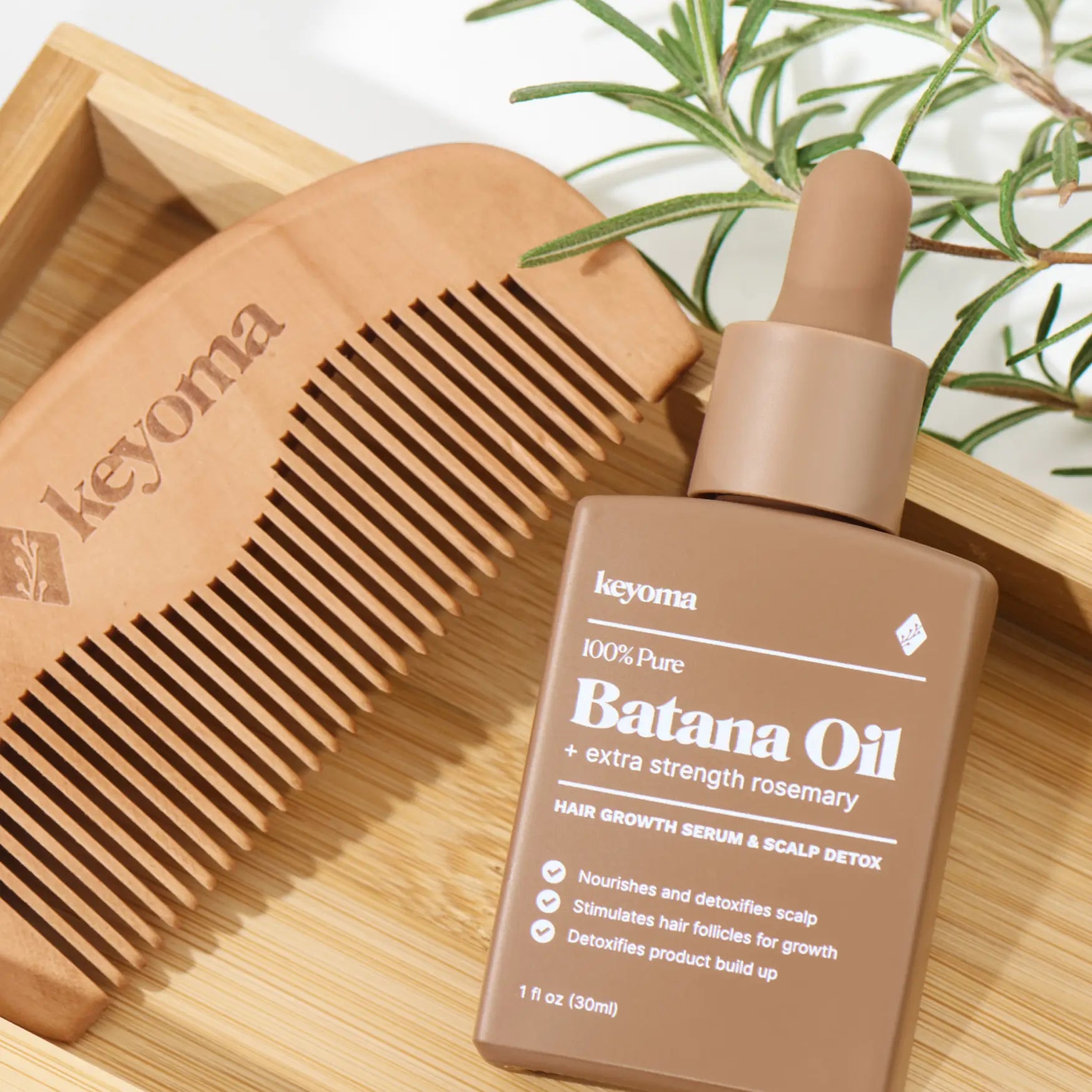
Just a few drops of Keyoma’s Batana Oil Blend daily helps keep your hair smooth from root to tip and makes it harder for stubborn knots to form. It’s infused with the heavily studied rosemary oil, known for its antifungal benefits and supportive effects on hair regrowth
Try it today and say goodbye to matted hair!
Featured Product
30% Off + 3 FREE Gifts
100% Pure Batana Oil + Rosemary
↓Best Batana Oil to Buy↓

1 Month
Subscribe & Save
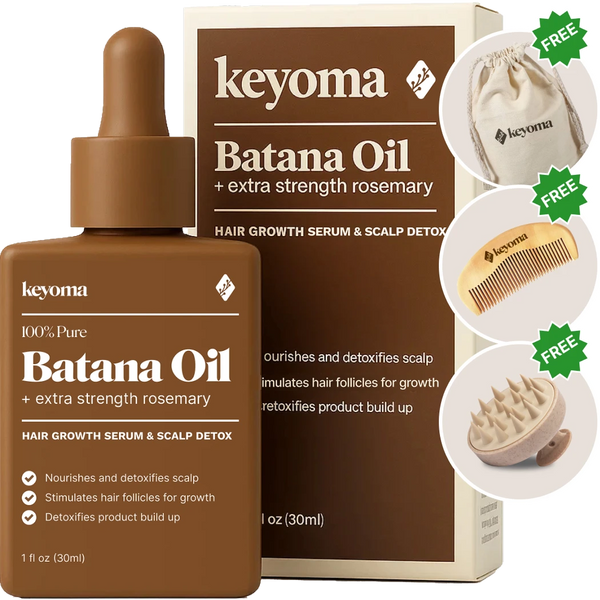


- 30-day supply delivered monthly $35
- 30% off for life $6
- Free haircare essentials kit $33
- Free custom wooden comb $10
- Free scalp massager $15
- Free eco-friendly travel bag $8
- 30-Day Money Back Guarantee
- Free Shipping
- Online portal for easy cancel, skip, or pause.
1 Month One Time Purchase
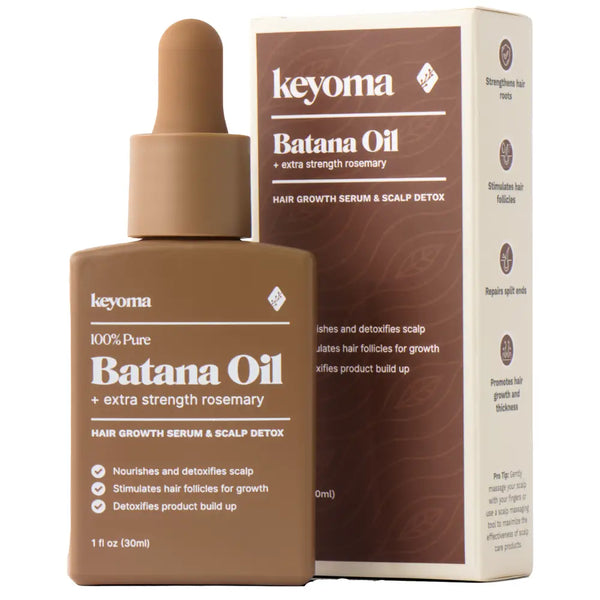
- 30-day supply $50
- 30% off for life $6
- Free haircare essentials kit $33
- Free custom wooden comb $10
- Free scalp massager $15
- Free eco-friendly travel bag $8
