

In this article
If you recently started using hair loss medication, it can feel discouraging when the change you wanted still is not showing up. You built a daily habit, and maybe you finally decided to begin after weeks or even months of putting it off.
When your hair looks the same, the question comes up fast: Is any of this actually doing anything?
The reality is that treatments like Minoxidil and Finasteride need time, and the progress they create does not always look the way people expect. Visible regrowth is only one possible result. Slower thinning or a drop in shedding still counts, and early shedding can sometimes be a sign that the treatment is starting to shift the cycle in the right direction.
Let’s look at what is realistic, which signs are worth paying attention to, and what you may want to do next if your results still feel uncertain.
Key Takeaways
-
Hair loss treatments often need three to six months before visible improvement shows up.
-
Less shedding and slower thinning can still show that the treatment is helping.
-
Early shedding may happen before improvement and can mean follicles are responding.
-
Irregular use and unaddressed health issues can weaken your results.
How Long Should You Wait Before Expecting Results?
One of the toughest parts of treating hair loss is the waiting. Results do not arrive fast. Because hair grows in cycles, it often takes 3 to 6 months before you start noticing a difference (1-2).
And that is just the point where change may start becoming visible. Around three months, some men may notice very subtle shifts. Others may not see anything yet, and it can take the full six months before shedding slows down or an area begins to look a little fuller.
By 12 months, you usually have a much clearer answer about whether the treatment is working for you. This is often when results level out at their strongest, though you still need to continue long term to keep them. Consistency and patience matter a lot here.
What Kinds of Results Count?
When people think about success with Minoxidil or Finasteride, they often picture dramatic regrowth. In real life, though, success usually looks more like this:
-
Less hair collecting in the shower or on your pillow
-
Thin areas no longer getting worse in an obvious way
-
Hair looking healthier and stronger where follicles are still active
If treatment begins early enough, some men may even improve mild thinning, but that only happens when the follicles are still alive. Once follicles stop functioning completely, they cannot be restarted. That is why slowing the loss or stopping further decline is still a major gain. You have kept the problem from moving forward.
8 Signs Your Hair Loss Treatment Isn't Working

1. Underestimating the Importance of Consistency
Using light hair treatments without a steady routine is a lot like planting seeds and then skipping the watering. Nothing meaningful is likely to happen. Many people move from one product to the next, expecting fast results, without giving their hair enough time to respond.
One common mistake is trying something for a few weeks, seeing no immediate change, and then dropping it for the next product that promises a faster fix. Hair, like the rest of your health, usually needs regular care and time. Building a routine and staying with it matters.
Consistency is what gives a treatment the chance to show what it can really do, even if the changes arrive slowly.
2. Ignoring Underlying Health Issues
In many cases, the real reason behind hair loss or weaker hair is not just the hair itself but an overlooked health issue. Conditions such as thyroid problems, hormonal imbalances, and even stress can seriously affect your hair. If those issues are left alone, light hair treatments can only do so much.
It is similar to putting a bandage on something that really needs deeper care. It covers the problem for a moment, but it does not fix it. Working through possible health causes with a medical provider can make a major difference in how well your hair routine performs.
3. Using Products That Don’t Suit Your Hair Type
A one-size-fits-all approach does not work in hair care. A frequent mistake is using treatments that were not made for your actual hair type or main concern.
Just as you would not use a harsh anti-dandruff shampoo on heavily colored hair, the wrong light hair treatment can work against you too.
Knowing whether your hair is oily, dry, curly, straight, or something in between can help you pick products that match its real needs. That fit can change your results more than people expect.
4. Overlooking the Role of Diet and Nutrition
What your body gets from food has a direct effect on your hair. When key nutrients are low, including vitamins D and E, iron, and omega-3 fatty acids, strands can weaken and shedding may rise.
Adding these nutrients through a balanced diet supports overall health, but it also gives hair follicles better conditions to produce stronger, healthier strands. When paired with the right treatment, better nutrition can become one of the most useful parts of the process.
5. Failing to Protect Your Hair from Environmental Stressors
Your hair deals with environmental stress every day, from UV exposure and pollution to the quality of the water in your own home. Ignoring those factors can reduce how well light hair treatments work.
Just as sunscreen helps protect your skin, hats, scarves, and certain hair products can help protect your strands. A shower filter may also help if hard water is part of the problem, since hard water is known to strip natural oils and contribute to dryness and breakage.
6. Not Giving Treatments Enough Time to Work
Patience matters a lot in hair care. One major mistake is quitting a treatment before it has had enough time to do anything noticeable. Most treatments need regular use for several weeks, and often several months, before you can judge them fairly.
Stopping too soon can trap you in a cycle of constant switching, where the best option gets thrown out before it had a real chance. Hair growth and repair usually take sustained effort, not quick bursts.
7. Misunderstanding the Causes of Your Hair Loss
A big part of treating hair loss is knowing what is actually behind it. Genetics, stress, medication, and even certain hairstyles can all play a role.
Using light hair treatments without identifying the real cause is like trying to navigate without knowing where you are headed. You may be doing something, but not necessarily the right thing. A dermatologist or trichologist can help clarify the cause and point you toward treatments that fit your actual situation.
Reassess Hair Loss Treatment for Clearer Next Steps
Hair treatment proves its value over time, not through instant confirmation. What feels like failure in the early stage is often just a gap between your expectations and the real pace of the hair cycle, especially when visible changes may need three to six months to appear. That delay is exactly why many people stop right before a routine has had enough time to show what it can do.
In many cases, progress starts with protecting the follicles that are still active, because once they fully stop functioning, the opportunity narrows quickly. That makes steady support and consistent use more important than dramatic before-and-after thinking.
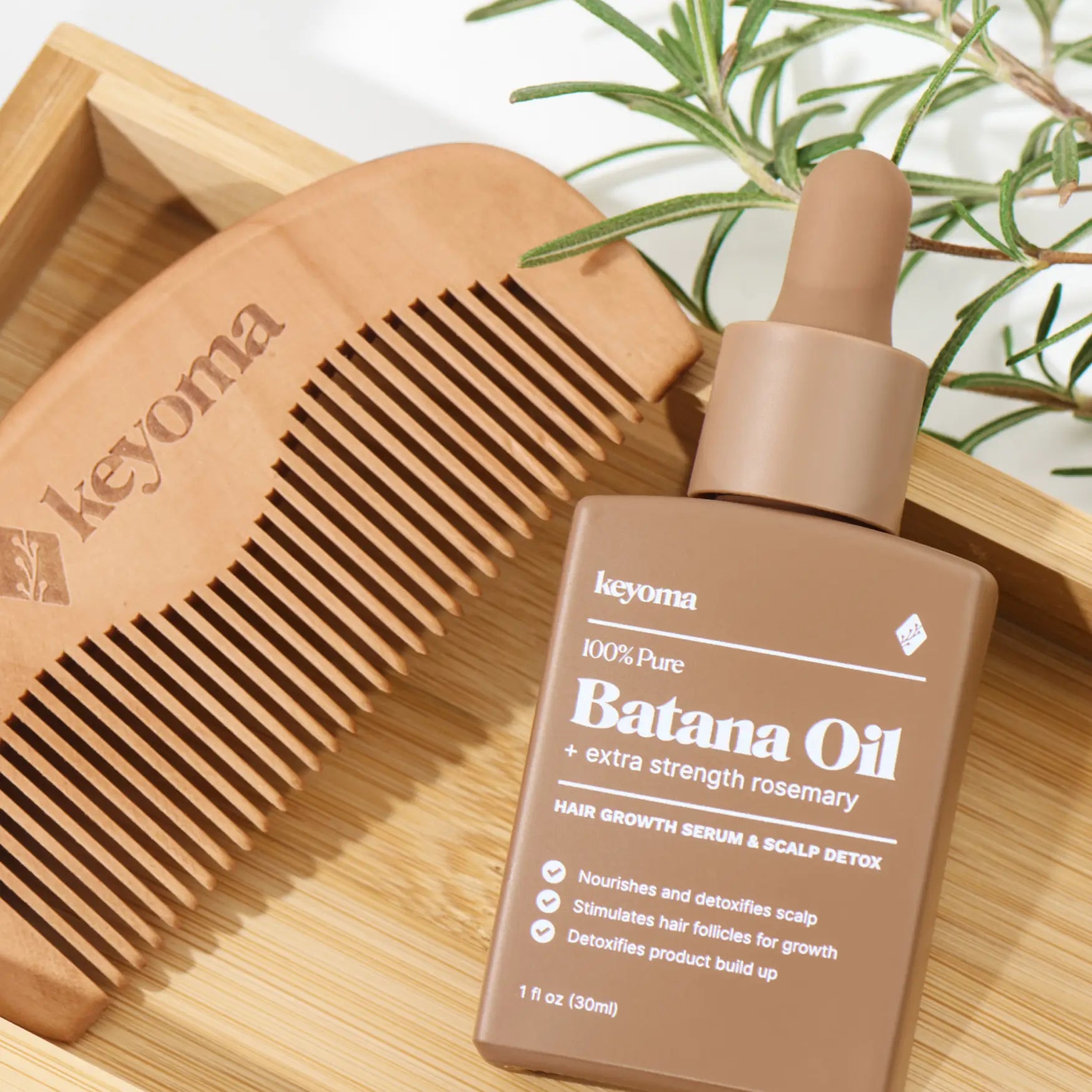
Reach for pure batana oil to give your routine a steadier, more intentional finish while your hair gets the time it needs.
Featured Product
30% Off + 3 FREE Gifts
100% Pure Batana Oil + Rosemary
↓Best Batana Oil to Buy↓

1 Month
Subscribe & Save
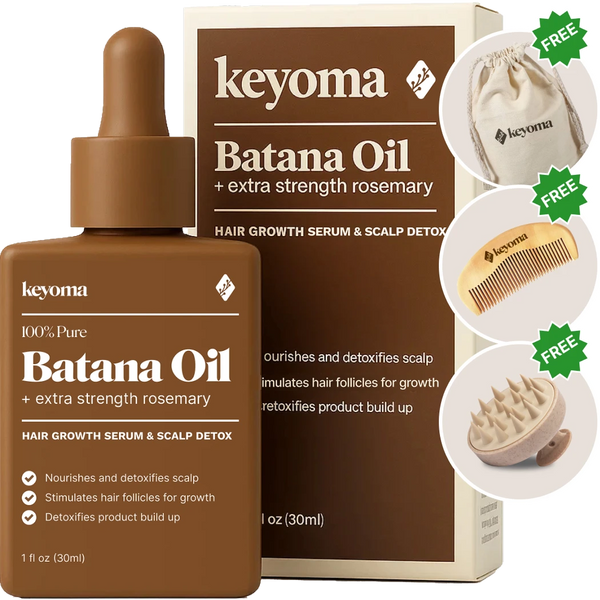


- 30-day supply delivered monthly $35
- 30% off for life $6
- Free haircare essentials kit $33
- Free custom wooden comb $10
- Free scalp massager $15
- Free eco-friendly travel bag $8
- 30-Day Money Back Guarantee
- Free Shipping
- Online portal for easy cancel, skip, or pause.
1 Month One Time Purchase
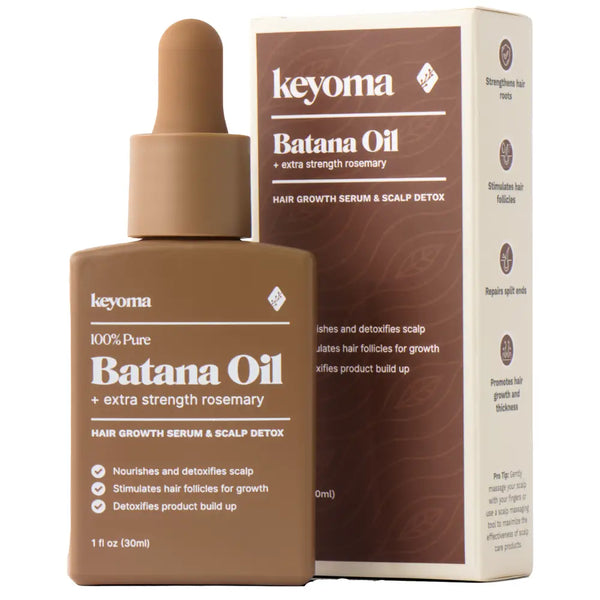
- 30-day supply $50
- 30% off for life $6
- Free haircare essentials kit $33
- Free custom wooden comb $10
- Free scalp massager $15
- Free eco-friendly travel bag $8
