

In this article
Batana oil color can tell you something, but it should not be your only buying test. Brown batana oil often matches the traditional roasted style many shoppers expect. Yellow batana oil needs a closer look, but it is not automatically fake.
A better question is not just, “What color is real batana oil?” It is, “Does the color match the processing method, ingredient list, origin, texture, and scent?” That gives you a safer way to judge quality before buying.
Color can also affect the user experience. A darker roasted oil may feel richer and heavier. A lighter oil may feel easier to spread. Neither color proves everything on its own, especially if the label is vague or the product looks watery.
Key Takeaways
-
Brown batana oil often matches traditional roasted processing.
-
Yellow batana oil is not automatically fake.
-
Color should be checked with scent, texture, origin, and label details.
-
Avoid oils that look watery, clear, or poorly labeled.
What Color Is Batana Oil Supposed to Be?
Batana oil is often described as brown, dark brown, golden-brown, caramel-brown, or reddish-brown, especially when it is traditionally roasted. Some product specifications describe unrefined batana carrier oil as dark brown, medium-to-thick, solid at room temperature, and earthy or smoky with roasted coffee and burnt sugar notes.
That does not mean every lighter batana oil is fake. Cosmetic chemist Ron Robinson notes that batana oil can appear as a yellow liquid or as a thicker brown substance, which supports the idea that appearance can vary by product form and processing method.
A careful buyer should treat color as a clue, not a verdict. For more background on what batana oil is made of, look at the source plant, plant part, extraction method, and whether the seller explains how the oil was processed.
Yellow vs Brown Batana Oil: What’s the Difference?

The main difference is usually tied to processing, heat exposure, refinement, blending, and batch variation. Brown batana oil is more often associated with roasted, traditional preparation. Yellow batana oil may be linked to cold pressing, lighter processing, refining, dilution, or blending, depending on the seller.
A strong product page should explain why the oil looks the way it does. If a seller offers yellow batana oil but gives no processing details, no full ingredient list, and no origin information, the color deserves more scrutiny. If the seller explains that it is cold-pressed or processed differently, the color becomes easier to evaluate.
Brown Batana Oil
Brown batana oil is the color many shoppers expect because traditional roasting can deepen the shade. A raw or unrefined product may look like a thick balm, paste, or butter-like oil at room temperature, then soften when warmed between the hands.
Traditional roasted batana oil can vary from caramel to darker brown, and its scent may shift from bold, nutty coffee to smoky or earthy from batch to batch. That range is important. Real botanical oils do not always look identical across every batch.
Brown still does not guarantee purity. A product can be artificially darkened, blended with other oils, or marketed with vague claims. Check whether the ingredient list clearly names Elaeis Oleifera Kernel Oil and whether the seller explains the origin and processing method. If you are comparing buying options, where to find real batana oil is a broader question than color alone.
Yellow Batana Oil
Yellow batana oil needs more context. Some lighter oils may come from less roasted or cold-pressed processing. Others may be refined, diluted, or blended with cheaper carrier oils. The label should make that difference clear.
A yellow oil should not be thin, clear, odorless, or described only with broad marketing claims. If it pours like a very light cooking oil and the ingredient list is unclear, that is a stronger concern than the yellow shade alone.
When a seller explains the extraction method and the texture matches the description, lighter color may be reasonable. A comparison like cold-pressed batana oil vs hot-pressed batana oil can help you understand why processing changes the final look and feel.
Why Does Batana Oil Color Vary?

Batana oil comes from a natural plant source, so some variation is normal. Harvest conditions, processing heat, filtering, storage, and batch size can all affect the final appearance. Natural extracts can show subtle color changes from batch to batch because of botanical origin.
The real issue is whether the variation is explained. A trustworthy seller should not hide behind vague language. Color variation is easier to accept when the ingredient list, origin, processing method, scent, and texture all tell the same story.
Roasting
Roasting is one of the biggest reasons batana oil may look brown or dark brown. Heat can deepen color and create the smoky, nutty, coffee-like scent many people associate with traditional batana oil.
A roasted oil may also feel richer on the hair. That can be useful for dry, coarse, curly, or coily textures, but it may feel heavy on fine hair. I noticed heavier oils tend to work better as short pre-wash treatments than daily leave-ins.
Cold Pressing
Cold pressing may produce a lighter oil, depending on the raw material and processing setup. A cold-pressed product should still have a clear identity. The seller should state the extraction method, processing type, origin, and full ingredient list.
A light yellow oil with a strong explanation is different from a pale oil with no details. The first may simply reflect the method. The second may be diluted, refined, or mislabeled.
Batch Differences
Small batch oils can vary. One batch may look more caramel-brown. Another may look darker or slightly warmer in tone. The scent may also shift because roasting, drying, and raw material quality are not always identical.
Batch variation should stay within a believable range. A sudden move from thick brown balm to clear yellow liquid should come with a clear reason. If the seller cannot explain that change, treat it as a quality warning.
Blends or Refining
Blends and refining can change batana oil appearance. A blend may look lighter because another oil has been added. A refined product may lose some of the stronger scent, color, and texture that shoppers expect from raw or unrefined batana oil.
Ingredient order matters here. The FDA says cosmetic ingredients generally must be listed in descending order of predominance, with exceptions for ingredients at one percent or less, color additives, and some other cases. If batana oil is not clearly listed, or if several other oils appear before it, the product may not match what you thought you were buying.
Is Brown Batana Oil Better Than Yellow Batana Oil?
Brown batana oil is not automatically better, but it often gives stronger traditional signals. It is more likely to match roasted batana oil when the scent, texture, origin, and ingredient list support the claim. A rich brown color plus a smoky or nutty scent and a semi-solid texture can be reassuring.
Yellow batana oil can still be legitimate when the seller clearly explains why it is lighter. It may be cold-pressed or processed in a way that creates a different appearance. The problem is not yellow alone. The problem is yellow plus weak proof.
Use these checks before buying:
-
Ingredient list: Look for a clear batana oil ingredient name, not vague “hair oil blend” wording.
-
Origin: Honduras is commonly tied to traditional batana oil sourcing.
-
Texture: Raw or unrefined oils are often thicker and should not look watery.
-
Scent: Roasted versions often smell nutty, smoky, earthy, or coffee-like.
-
Claims: Avoid products that promise guaranteed hair regrowth or instant repair.
Evidence-aware cosmetic sources note that there is no solid clinical evidence proving batana oil causes hair growth, even though it may help with softness, nourishment, shine, and dryness concerns. That is why quality checks should focus on what the oil is, not exaggerated claims around what it can cure.
If your goal is a richer, more traditional oil, unrefined batana oil is usually the more relevant category to compare. If you want a lighter experience, look for processing details instead of assuming yellow means fake.
Choose Keyoma’s Batana Oil With Confidence
The safest answer is balanced: brown batana oil often matches traditional roasted batana oil, while yellow batana oil needs more label proof. Color can guide your first impression, but it cannot prove authenticity by itself.
Before buying, compare the color with the ingredient list, origin, scent, texture, processing method, and product claims. A good batana oil should not rely on color alone to earn your trust.
Featured Product
30% Off + 3 FREE Gifts
100% Pure Batana Oil + Rosemary
↓Best Batana Oil to Buy↓

1 Month
Subscribe & Save
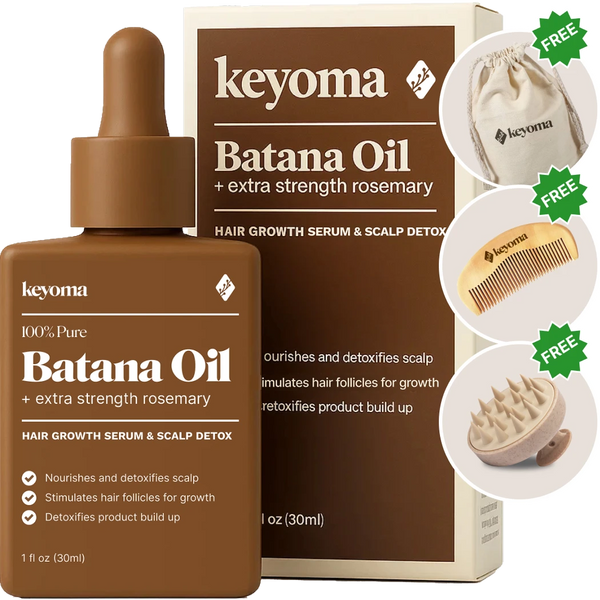


- 30-day supply delivered monthly $35
- 30% off for life $6
- Free haircare essentials kit $33
- Free custom wooden comb $10
- Free scalp massager $15
- Free eco-friendly travel bag $8
- 30-Day Money Back Guarantee
- Free Shipping
- Online portal for easy cancel, skip, or pause.
1 Month One Time Purchase
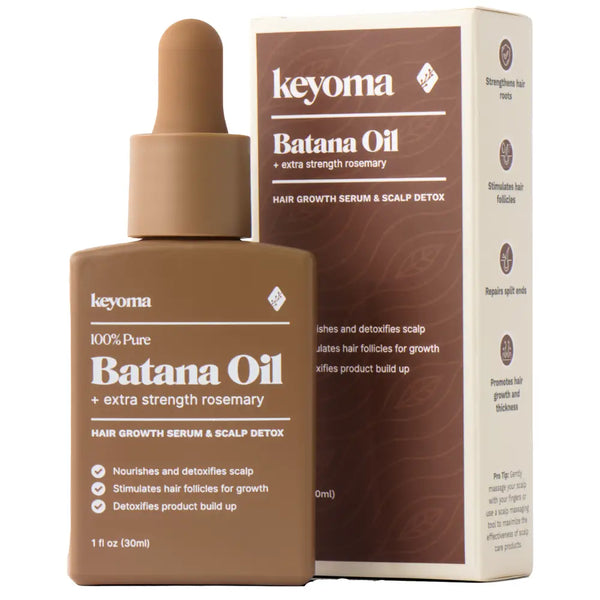
- 30-day supply $50
- 30% off for life $6
- Free haircare essentials kit $33
- Free custom wooden comb $10
- Free scalp massager $15
- Free eco-friendly travel bag $8
