

In this article
Your daily cup of coffee might be doing more than waking you up for the day. Caffeine, a bitter stimulant that comes from a range of plants around the world, has a number of benefits for your body, including your skin and hair. Used in the right way, caffeine can support hair growth and may even help with early signs of hair loss.
Below is a closer look at why adding caffeine to your hair care routine could be worth considering.
Key Takeaways
-
Topical caffeine can reach follicles, inhibit DHT, prolong growth phase, and encourage regrowth.
-
Caffeine may make hair appear thicker, longer, shinier, with smoother texture and fewer splits.
-
Shampoos, conditioners, leave-in treatments, and coffee rinses can support stronger strands, less shedding.
-
Results rely on regular use, suitable formulas, and caution about scalp dryness or irritation.
How Caffeine May Help With Hair Loss
Hair loss is a frequent concern for both men and women. It can develop for many reasons, including genetics, hormone changes, stress and a lack of certain nutrients. One of the major drivers of hair loss, though, is having high levels of DHT, the main hormone behind androgenetic alopecia, the most common pattern of hair loss.
Although caffeine is not yet FDA approved specifically for this use, it has emerged as a promising option in hair loss care. Researchers observed that caffeine, when used as a shampoo, can move through the scalp and reach follicles quickly, where it works by inhibiting phosphodiesterase.
This enzyme is involved in breaking down cyclic AMP. By slowing this process, caffeine can boost hair follicle activity and encourage growth..
Can It Improve How Your Hair Looks?
Even if you are not dealing with hair loss, caffeine can still improve how your hair looks with relatively few side effects.
ecause of its actions on the follicles and scalp, it may help hair appear fuller, longer and shinier. When you use it on the scalp, caffeine supports blood flow so follicles get the oxygen and nutrients they need for steady growth.
It also stimulates the keratin producing cells in the scalp which strengthens the hair shaft and helps each strand feel more resilient. Taken together, the main cosmetic benefits of caffeine for hair include:
-
Hair that appears thicker and grows to a longer length
-
Less breakage and fewer split ends
-
Texture that feels smoother and more even
-
Hair that looks more dense and has extra shine
-
Strands that cope better with daily styling and general wear and tear.
Benefits of Caffeine for Hair Growth

Caffeine is a natural stimulant in coffee beans, tea leaves and several other plants, and it is best known for sharpening focus and boosting energy. In the studies I reviewed, topical caffeine has also been linked with better hair health and support for male pattern baldness.
When you apply it to the scalp, it can move through the skin, reach the follicles and encourage healthy growth activity. Its key actions for improving hair thickness and growth include the following:
Stimulating Hair Follicles
The link between caffeine and hair growth comes from how it interacts with the hair follicles. These follicles are tiny pockets in the scalp where each hair root sits and starts to grow. Over time, they move through a repeating cycle of growth (anagen phase), rest (telogen phase) and shedding (catagen phase).
Caffeine plays a role in prolonging the anagen phase which means your hair remains in the active growth stage for a longer time. As a result, strands can grow longer and look fuller.
Limiting DHT Activity
Caffeine also acts as an antioxidant which means it can help protect hair follicles from damage. Current evidence suggests that it inhibits the harmful effects of a hormone called dihydrotestosterone (DHT) and so it may offer some of the same advantages as hair loss medicines such as Finasteride and Dutasteride.
The actions of DHT on the hair follicle are known to play a major role in androgenetic hair loss, especially in men. When DHT binds to susceptible hair follicles it gradually shrinks them, which leads to thinning and eventual loss. By limiting DHT activity, caffeine can help preserve follicle size and support thicker, fuller growth.
Improving Scalp Blood Flow
Beyond these actions, caffeine can also stimulate the blood microcirculation in the scalp. This helps hair follicles receive key nutrients, growth factors and oxygen. Better circulation may wake up sluggish follicles and encourage them to grow new strands.
How To Add Caffeine to Your Hair Routine

These days it is relatively simple to bring caffeine into your hair care routine, but you still need to pick formulas that suit your hair type. Here is what to focus on when you are choosing topical caffeine products:
Shampoos and Conditioners
These products cleanse the scalp while sending caffeine straight to the hair follicles. With regular use, caffeine shampoos and conditioners can support stronger strands, less breakage and better overall growth. I noticed my own scalp felt calmer when I switched to a milder caffeine-based shampoo.
Over time, this kind of routine may leave your hair looking thicker, healthier and more vibrant. They are especially helpful if you are seeing early thinning or simply want to preserve a full head of hair. Try to choose formulas with meaningful levels of caffeine and without harsh ingredients such as sulfates and parabens.
Serums and Leave-In Treatments
If your hair is thinning, lightweight caffeine serums and leave-in lotions provide a focused way to support the scalp. Apply them directly to a clean scalp and leave them in so the caffeine can keep acting throughout the day. You can find these products over the counter or as custom blends, often combined with strengthening proteins, Biotin or topical Minoxidil.
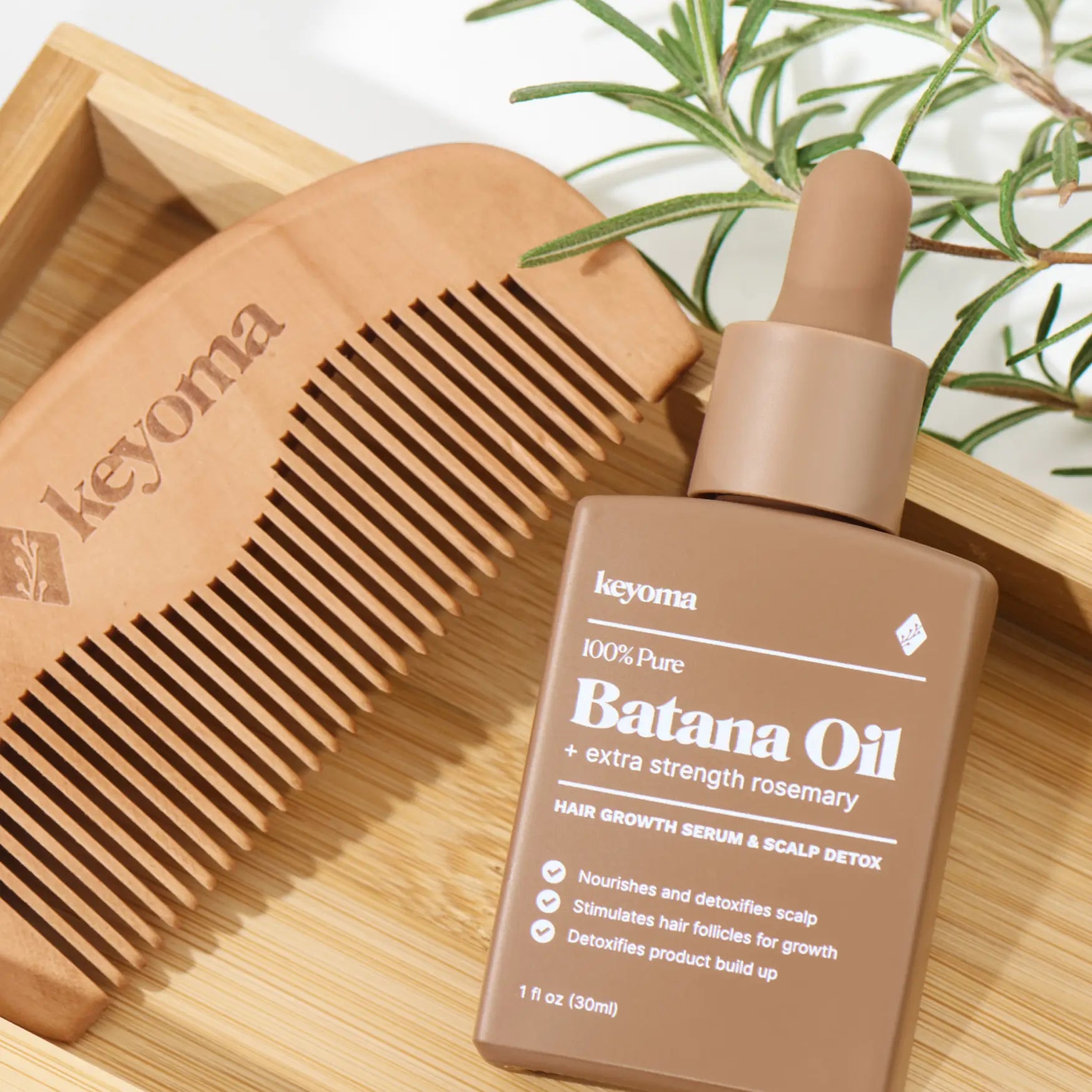
For a more nourishing routine, finish by smoothing a few drops of Batana Oil with Rosemary through your mid-lengths and ends so your hair stays soft, glossy and refreshed while the scalp treatment works.
DIY Options
You can also tap into caffeine’s benefits by making simple treatments at home. A coffee rinse is one of the easiest ways to use caffeine on your hair. After brewing a strong pot of coffee, let it cool, then pour it over your scalp and hair. Massage it in for a few minutes before rinsing with water. A friend with fine hair saw less shedding after using a light coffee rinse once weekly.
This kind of rinse may help strengthen hair, reduce shedding and add extra shine. Another option is to mix cooled brewed coffee with natural oils like coconut or olive oil and apply the blend to your scalp and lengths. Leave it on for about 30 minutes before shampooing; this mask can support growth, improve texture and leave your hair feeling soft and manageable.
Current evidence suggests that bringing caffeine into your hair care routine can support stronger, thicker, longer and glossier strands. If you are dealing with hair loss or general thinning, it may also help limit shedding and encourage regrowth, especially when combined with other therapies.
Caffeine-based hair products are easy to find, but as with most routines, patience and consistency matter. To see benefits, you need to use them regularly and give them time to work. You might also notice better results when caffeine is used alongside established hair growth treatments.
If you are losing hair, it is still important to talk with your healthcare provider or a dermatologist to look for any underlying cause. They can help you set up a full treatment plan so you address the problem early.
Potential Risks and Side Effects
Most people tolerate caffeine well, whether they drink it or apply it on the scalp, but you should still be cautious when you use it for hair growth. For example, using very strong formulas too often can dry out or irritate your scalp, especially if your skin is already sensitive. It’s best to patch-test new products and monitor how your scalp responds.
Wake Up Your Hair Follicles with Caffeine
Caffeine offers exciting potential for hair health, but moderation is key. While it can stimulate follicles and boost circulation, strong formulas used too often may dry or irritate your scalp, particularly if you're sensitive. Pay attention to your scalp's response, and if irritation occurs, reduce frequency or try a milder formula.
If you're keen to explore caffeine's potential, then visit the Keyoma Hair Care blog for step-by-step guides and fresh tips.
Featured Product
30% Off + 3 FREE Gifts
100% Pure Batana Oil + Rosemary


