

In this article
Imagine running your fingers through your hair, only to find it feels rough and straw-like, not at all like the smooth hair you remember. Many people who frequently style or use chemical treatments on their hair know this feeling, which leads to a condition known as over-processed hair.
Spotting the signs of over-processing early can help prevent more damage and start you on the road to healthier hair.
Key Takeaways
-
Overprocessed hair results from repeated chemical treatments or heat, causing dryness, breakage, stiffness.
-
Warning signs include split ends, frizz, rough texture, increased breakage, dryness, and reduced elasticity.
-
Repair routines focus on deep conditioning, leave in treatments, gentle cleansing, protein care, heat protection.
-
Prevention includes limiting bleach and heat, spacing chemical services, tailored products, and weekly oil treatments.
Understanding Overprocessed Hair
So, what exactly is over-processed hair? It's what happens when your hair has too many chemical treatments, heat styling, or other damaging things done to it. Over-processing can cause problems such as dryness, breakage, split ends, and loss of stretchiness. Knowing the signs of over-processed hair is key to fixing it and preventing further problems.
If your hair is brittle, lacks shine, and tangles easily, it may be over-processed. Over-processing hurts your hair by weakening the bonds that hold it together, making it easier to damage. Because it loses moisture and important nutrients, over-processed hair can also look dull and lifeless.
Signs Your Hair Needs a Break From Overprocessing

Healthy, beautiful hair is always the goal… but even the strongest hair can only take so much. If you often use a flat iron, color your hair every few weeks, or love a tight, sleek style, your hair might be telling you it's time for a break.
Here are the biggest signs that your hair is begging for some rest and repair:
Split Ends
Split ends mean the hair shaft is splitting or fraying, often from damage to the hair's outer layer. They're a common sign of over-processing, caused by losing moisture and essential nutrients. If you don't take care of split ends, they can cause more damage and breakage.
Frizz
Frizz is when your hair looks wild and unruly, with flyaways and a rough feel. Over-processed hair tends to get frizzy because it's weak and doesn't have enough moisture. Things like humidity and rubbing from brushing or styling can make frizz even worse.
Breakage
Breakage is when hair strands snap or split, often somewhere along the length of the hair. Over-processed hair is more likely to break because it's weak and its structure is damaged. Breakage can happen when you style, brush, or even just go about your day, leading to thinner-looking hair and less volume.
Dryness
Dryness means your hair lacks moisture, leaving it rough, dull, and brittle. Over-processed hair often gets dry because it loses the natural oils and proteins that help keep it moisturized. Addressing dryness is important to prevent further damage and make your hair look and feel better.
Lack of Elasticity
Elasticity is your hair's ability to stretch and bounce back without breaking. Over-processed hair often loses its elasticity, making it more likely to break and get damaged. Healthy hair stretches well, while over-processed hair might feel stiff, brittle, or snap easily when stretched.
Best Products for Overprocessed Hair

Many hair care products are made to help fix over-processed hair, with ingredients such as coconut oil, batana oil, and keratin, which are known for helping to nourish and repair. Here are some good choices for deep conditioning masks, leave-in treatments, and heat protectants if you're dealing with over-processed hair.
Deep Conditioning Masks
Choose deep conditioning masks made just for over-processed hair. Look for thick, creamy formulas that add moisture, fix damage, and improve how well your hair stretches.
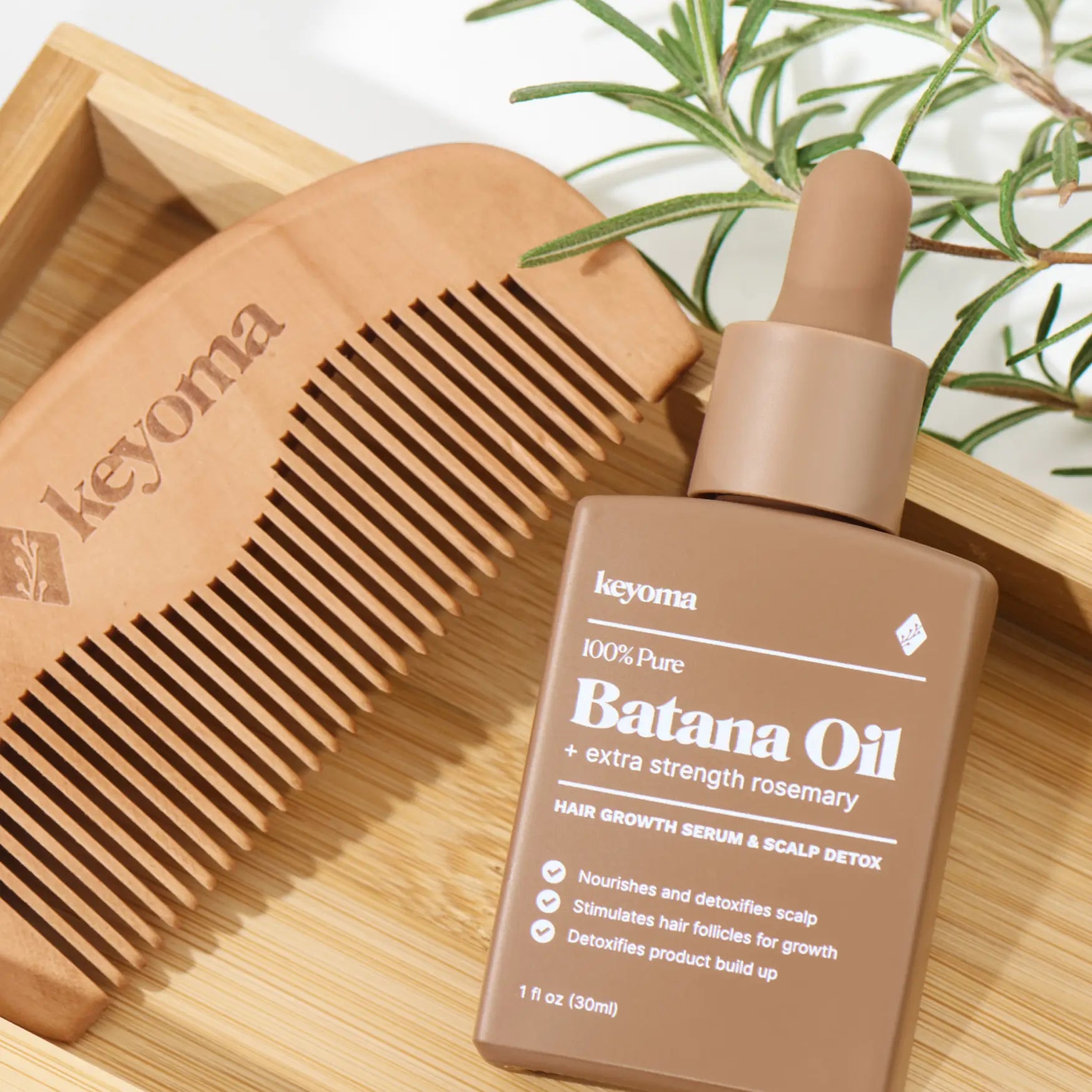
You might also try Keyoma Batana Oil with Rosemary as a mask before shampooing, or mix it into your conditioner for extra nourishment. I find that deep conditioning masks with rosemary oil tend to make my hair feel softer.
Leave-In Treatments
Find leave-in treatments that give over-processed hair constant moisture and protection. Light sprays or creams that don't feel greasy work well on hair you've towel-dried. They help to detangle, moisturize, and protect from heat styling and the environment.
Heat Protectant Sprays
Pick heat protectant sprays made for hair that's fragile or over-processed. These sprays create a shield that helps reduce damage from blow dryers, curling irons, and flat irons, so your hair won't lose as much moisture or break as easily.
Sulfate-Free Shampoos and Conditioners
Only use sulfate-free shampoos and conditioners designed for over-processed hair. These are gentler on your hair and scalp and help to prevent more dryness, irritation, and color fading, so your nourishing oils and treatments can work better.
Protein Treatments
Add protein treatments to your routine to help strengthen and repair over-processed hair. These products help to strengthen your hair by filling in gaps and cracks caused by damage, which improves its overall strength.
You can switch between a protein treatment and a moisturizing routine that includes Keyoma Batana Oil with Rosemary to keep the right balance of strength and softness.
How to Prevent Overprocessed Hair

The easiest way to handle over-processed hair is to prevent it in the first place. You can't control everything, but you can lower your risk by taking more care with coloring, heat, and your everyday habits. Think of the steps below as your basic "prevention plan."
Choose a responsible professional for bleach or dye
See a licensed, experienced stylist for any lightening or coloring. A good stylist will look at your hair type, previous color, and any current damage before using bleach. They can tell you when to stop, suggest gentler ways to color, and create a long-term plan instead of pushing for fast results that can ruin your hair.
Let your hair air-dry whenever you can
Regular blow-drying makes already stressed hair even weaker. When you can, let your hair air-dry at least halfway before using any heat, or skip the dryer completely on days when you don't need to style it much.
Gently squeeze out water with a soft towel or cotton T-shirt, don't rub it roughly, and use a light leave-in so your hair dries with less frizz and breakage.
Limit heat styling and protect when you do use it
Try to only blow-dry, flat iron, and curl your hair once or twice a week. On days when you do use heat, put on a heat-protectant spray from roots to ends and comb it through so it's evenly spread.
Use the lowest heat setting that still works, move the tool constantly instead of going over the same spot repeatedly, and don't hold the tool on your hair for too long.
Avoid heavy use of alcohol-based styling products
Many hair sprays, mousses, and quick-dry products have alcohol in them, which can take moisture out of your hair. You don't have to stop using them completely, but use them carefully and don't layer several drying products at once. When you do use them, use gentle cleansers and rich conditioners to balance your routine so your hair doesn't get too dry and brittle.
Stretch the time between coloring or bleaching
Coloring your hair too often can quickly lead to over-processed hair. Try to wait 8 to 12 weeks between touch-ups if you lighten or color your hair. In between, use glosses, toning shampoos, or root touch-up powders to keep your hair looking good without bleaching it too often.
Do not stack harsh chemical services
Avoid doing two strong treatments close together, such as bleaching and perming, or relaxing and coloring in the same week. If you have to do more than one, always let your hair rest for at least two weeks between treatments. Use that time to focus on adding moisture and strength so your hair is healthier before the next treatment.
Use shampoo and conditioner that match your hair’s needs
Choose a shampoo and conditioner made for your hair type, like dry, fine, curly, or color-treated hair. Gentle formulas clean without removing natural oils, and the right conditioner helps to smooth, detangle, and protect the outer layer of your hair. Always condition after washing, and let it sit for a few minutes so it can actually work.
Add a weekly nourishing oil treatment
Once or twice a week, give your hair a rich oil treatment. Put Keyoma Batana with Rosemary Oil on the middle and ends of your hair before shampooing, or use it as a mask overnight before washing. This can help to add moisture, shine, and overall strength, so your hair is ready for any future coloring or styling.
Cut back on how often you wash your hair
Most people don't need to wash their hair every day. Washing your hair daily, especially with hot water, can strip the scalp and hair of the natural oils that protect against damage. Try washing it every other day or even just a few times a week.
On days when you don't wash, you can use dry shampoo on the roots and refresh the rest of your hair with a light leave-in spray instead of washing it fully.
Repair Your Overprocessed Hair With Keyoma
Most people wait until their hair snaps before they take action, but you can flip that script right now. Pick one prevention step this week and stick with it for a month before adding another. Start simple: if you blow-dry daily, commit to air-drying twice a week and use those saved minutes to apply a nourishing oil treatment instead.
That swap alone can shift your hair from brittle to resilient. If you already see breakage or dryness, layer in a protein treatment every other week while keeping moisture high with leave-ins and sulfate-free washes. Your hair won't recover overnight, but small, consistent changes add up fast.
Explore Keyoma Batana Oil with Rosemary to support your weekly moisture routine, or browse the Keyoma Hair Care blog for step-by-step repair guides and styling tips that protect your progress.
Featured Product
30% Off + 3 FREE Gifts
100% Pure Batana Oil + Rosemary


