

In this article
Are you tired of constantly struggling to detangle matted hair? Preventing and dealing with matted hair is all about maintaining a consistent hair care routine, keeping your hair moisturized, and using protective measures. Whether you're working through tangles daily or just want to ensure your hair remains healthy, here are tips to keep your healthy:
Key Takeaways
-
Matted hair forms stubborn knots; untreated mats can cause breakage and scalp damage.
-
Dryness, rough cuticles, chemicals, heat, and friction can make matting worse.
-
Detangle damp hair with conditioner, fingers first, then wide-tooth comb from ends.
-
Reduce mats by limiting rubbing during sleep, using smooth bedding, and protective styles.
What Matted Hair Is and Why It Happens
We all heard the term “matted hair” but what actually causes it? It occurs when strands become entwined, forming knots and tangles that are difficult to manage. Unlike regular tangling, matting is more severe and can result in stubborn clumps that are challenging to detangle without causing damage.
If left untreated, matted hair can lead to breakage, damage to the scalp, and in severe cases, may require professional intervention to detangle or cut it out. Regular brushing, moisturizing, and proper hair care can help prevent matting.
This condition isn't limited to people with long hair or specific hair types. It can affect anyone, regardless of their hair length or texture.
Knowing what matted hair is and recognizing it early can help you take steps to prevent it from becoming a bigger issue.
Common Causes of Matted Hair

Hair usually gets matted when strands rub together, lose moisture, or get damaged in a way that makes the cuticle rough. Once the cuticle is lifted or the hair feels dry and “grabby,” shed hairs and loose strands can lock together. If this keeps happening and you are forced to detangle aggressively, matting can lead to breakage over time.
That’s why it helps to figure out what is actually causing it, so you can fix the root issue instead of fighting knots every wash day.
Care and Moisture Balance Issues
One of the most common causes is simply that your hair is not getting the type of care it needs. If your curls feel dry, stiff, or rough, they will tangle faster because the strands do not slide past each other easily. It can also happen if you cleanse too often, use products that strip your hair, or skip conditioning steps that give slip.
Your hair type matters here. Porosity, curl pattern, and strand thickness all affect how quickly you lose moisture and how easily you tangle. When your routine does not match your hair structure, matting becomes a repeating problem.
Regular conditioning, occasional deep masks, and gentle detangling while your hair is damp can improve softness and reduce tangles.
How Coloring and Chemicals Can Worsen Matting
Chemical dyeing can make matting worse because it stresses the hair structure. Lightening and bleaching are especially rough since they penetrate deeper and can leave the cuticle more raised.
That “straw-like” feeling after coloring is often a sign that your hair is losing moisture faster and becoming more porous. More porosity can mean more friction, and more friction means more tangles.
If you color your hair, matting can show up more often unless you add extra conditioning and handle your hair more gently. Even if your curls still look fine, the strands may be weaker and more prone to snapping when you detangle.
How Heat Styling and Blow-Drying Can Cause Matting
Frequent heat styling can also damage the cuticle and reduce elasticity. Straighteners and curling irons can make the hair feel smooth at first, but repeated heat can dry out the inner structure over time. When the hair becomes brittle, it tangles more easily, and knots become harder to undo.
Blow-drying can contribute too, especially if you rough-dry, over-dry, or blast heat without enough moisture and protection. High heat plus friction is a common matting combo. If you use heat tools often, using the lowest effective temperature and minimizing repeated passes can help reduce the damage that leads to tangles.
Learn how to repair heat-damaged hair.
External Friction Triggers That Tangle Hair
Matting is not always about your products. Friction from everyday life plays a big role, especially for curly hair. Hats, scarves, hoodies, and high collars can rub the back of your head and create knots in the same spot again and again. Wind and constant touching can also tangle strands, especially if your hair is dry.
Environment matters, too. Dry indoor heating can pull moisture from your hair. Strong sun exposure can also dry hair out and make it more brittle. When hair loses moisture from the air around you, it becomes more prone to tangling even if you are following a decent routine.
How Sleep and Bedding Can Lead to Matting
Sleep is a huge factor because you spend hours moving your head against fabric. Protect your hair while you sleep. If your pillowcase is rough or absorbent, it can pull moisture from your hair and create friction that leads to tangles. This is why matting often shows up at the nape of the neck or near the back of the head.
Smoother fabrics can reduce that friction and help hair stay softer. You can also reduce matting by loosely gathering your hair at night, since loose hair rubbing against bedding is one of the easiest ways to create knots without realizing it.
If you want, paste your current routine and tell me whether your hair is colored and how often you use heat, and I’ll pinpoint the most likely cause for your case.
How to Remove Matted Hair Without Breakage
Has it happened and a nasty tangle has formed in your hair? Don’t worry, there’s no reason to be ashamed. Especially with curly hair, it can sometimes happen that a few strands get completely tangled, even though you take good care of your hair and don’t neglect it.
There are several ways and techniques you can try to remove matted hair. Before you lose hope and reach for the scissors, you can try the following methods to save your hair and remove stubborn knots.
How to Detangle Hair the Right Way
If you have straight hair, combing and brushing regularly is a good way to prevent matting. It’s not so easy for curly hair, because brushing when it’s dry can ruin your curl pattern and make your hair look puffy.
For curly hair, regular detangling after shampooing while using a conditioner is often the better option. The conditioner gives your hair more “slip,” so strands can slide apart and knots and matted pieces can be untangled more easily with your fingers or a wide-tooth comb.
From time to time, you can also gently separate small tangles with your fingers when your hair is dry. This can help in areas like the back of the neck, where tangles are common.
How to Wash Hair Without Creating More Tangles
Gentleness is always a good idea with curly hair. Just as you should avoid vigorous rubbing with a towel, it’s also not a good idea to scrub your hair back and forth when washing. A better method is to gently massage your scalp with your fingertips without moving your hair too much.
If you’re too rough, tangles are more likely to form during washing. Buildup can also be removed gently with a scalp brush, as long as you use minimal movement and avoid dragging the brush through your lengths.
There are shampoos marketed for matted hair, but many “anti-matting” shampoos are not a good fit for curl-friendly routines. Instead, choose a moisturizing shampoo that helps soften hair as you wash, then follow with conditioner to improve slip before detangling.
When Your Hair Needs a Break From Stressors
Just like you sometimes need a break to catch your breath, your hair will also benefit from a break now and then. Leave hot tools aside when you can, and avoid harsh color treatments if possible. In summer, for example, you can skip high heat and let your curls air dry. Your hair will often feel softer and look healthier over time.
If you can’t pause your usual styling routine, try to build in regular recovery time with a nourishing deep conditioner to help reduce dryness and improve manageability.
Check out these dry scalp relief.
How Detangling Spray Can Help With Mats
A detangling spray can also help with knots. Apply it to damp hair, let it sit briefly, then work through the tangles gently. This can make strands easier to separate, especially if your hair tangles quickly.
Use a Braid to Reduce Daily Tangling
People have long relied on “protective hairstyles” for a reason. Wearing hair up or in braids can reduce friction and limit tangling during the day. A braid is a simple option that can help prevent matting and protect your hair from knotting, especially if you’re active or if your hair rubs on clothing.
When Trims and Salon Help Make Sense
Brittle ends and split ends can be signs of damage. Trimming your ends regularly can help reduce tangling, improve the look of your hair, and support healthier growth over time.
Safer Home Remedies for Matted Hair

A lot of DIY “fixes” for matted hair get shared online, but not all of them are safe. Avoid anything harsh or stripping, like dish soap or strong cleansers. Those can dry out your hair, rough up the cuticle, and make tangles even tighter, especially if your hair is curly or textured.
If you want gentler options, the goal is simple. Add slip, soften the knot, then detangle slowly without snapping strands. Here are a few home remedies that can help.
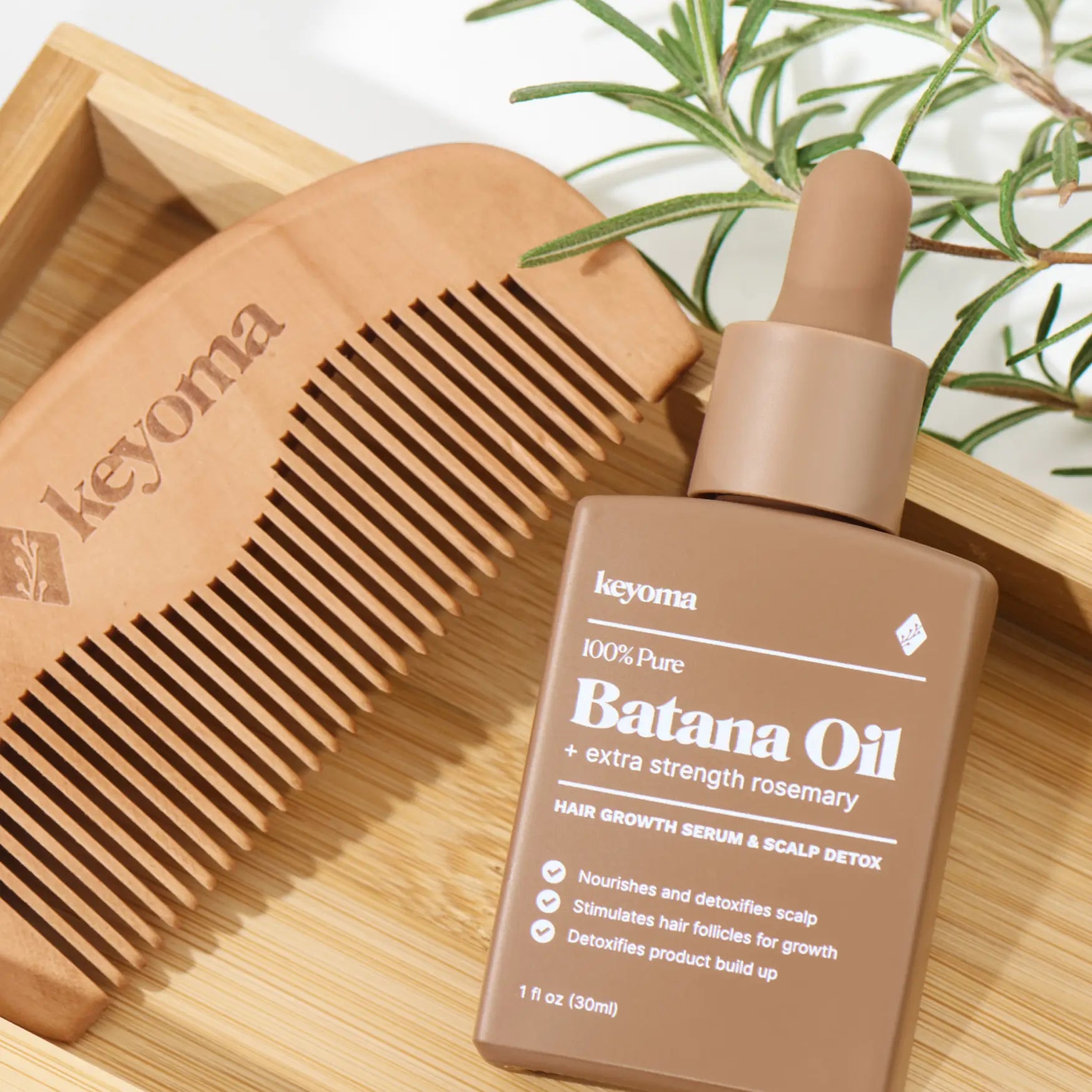
Batana Oil With Rosemary for Targeted Detangling
If you want a lighter “slip” option that you can use just on the knot, batana oil paired with rosemary oil can be a good choice. Use a tiny amount and keep it on the hair, not the scalp, especially if you’re sensitive. Warm 2 to 4 drops between your hands, press it into the matted section, and let it sit for 5 to 10 minutes.
Then start loosening the mat with your fingertips, working from the outer edges inward. Once the knot relaxes, switch to a wide-tooth comb and detangle from the ends up. This works best when you use very little. Too much oil can make detangling feel slick at first, but it can also trap shed hairs inside the mat and make cleanup harder later.
Coconut Oil for Added Slip
Coconut oil can work as a quick softening treatment when you’re dealing with a stubborn knot. Use a small amount and warm it between your palms first, then smooth it over the matted section. Let it sit for a few minutes, then start loosening the edges of the knot with your fingers.
Once the mat starts to give, use a wide-tooth comb and work from the ends upward.
One thing to watch is buildup. Coconut oil can feel heavy fast and may leave your hair looking greasy, so it’s better for spot-treating mats than coating your whole head.
Avocado and Olive Oil Mask for Stubborn Mats
Avocado and olive oil can make a richer, more cushiony treatment that helps soften hair and reduce friction while you detangle. Mash ripe avocado until it’s smooth, then mix in a little olive oil. Apply it mainly to the tangled areas and any dry lengths.
Give it about 10 minutes to sit, then gently separate the mat with your fingers first. If you jump straight to a comb, you’re more likely to pull and break hair. After you loosen the knot, rinse well and shampoo as needed to remove the residue, since avocado can cling to strands if it isn’t blended smoothly.
Honey and Egg Yolk for a Slippery DIY Mask
A simple mix of honey and egg yolk in a 1:1 ratio can create a slick treatment that helps hair slide apart more easily. Apply it to damp hair, focusing on the matted parts, and let it sit for around 15 to 20 minutes. Then rinse it out thoroughly before you continue detangling.
Important note. Eggs can clump if the water is too hot, so rinse with lukewarm water only. That one detail matters more than people think.
Try these 15 DIY hair masks, you can easily use at home.
How to Prevent Matted Hair Long Term

Mats usually form because of friction, dryness, and shed hairs getting trapped. The simplest prevention is consistent, gentle detangling and reducing rubbing.
Detangle on damp hair with conditioner so your strands have slip and can separate without snapping. Use your fingers first, then a wide-tooth comb, and work from the ends upward. If your hair tangles easily, don’t wait until it’s a full knot day. Quick, regular detangling is easier than rescuing mats later.
Reduce friction while you sleep by wearing a loose braid or a protective style, and consider using a smooth pillowcase or hair wrap. If you wear scarves, hoodies, or collars that rub your hair, keep the back of your hair moisturized and check that area often, since the nape is a common matting zone.
Finally, keep your hair balanced. Too much protein or too much dryness can both make hair feel rough, and rough hair tangles faster. When your strands feel softer and more flexible, mats become much less likely.
Stop Mats This Week With Keyoma Batana Oil
Most people wait too long to address mats. The trick is catching them when they're still small—before shed hairs lock into a clump. After each wash, run conditioner-coated fingers through damp sections and gently pull apart any resistance you feel.
If the back of your neck gets matted overnight, check it each morning and smooth a pea-size drop of oil through that zone before bed. That ten-second habit stops most mats before they form. When friction and dryness team up, even healthy hair will knot, so pair gentle finger-work with a satin pillowcase and a loose braid on active days.
If you already see rough ends or straw-like texture after coloring, a nourishing treatment can restore slip and make separating strands easier. Explore the Keyoma Hair Care blog for step-by-step guides and product pairing tips that match your curl type.
Featured Product
30% Off + 3 FREE Gifts
100% Pure Batana Oil + Rosemary


